2026: Brahmaputra brings water, but we shape the disaster…
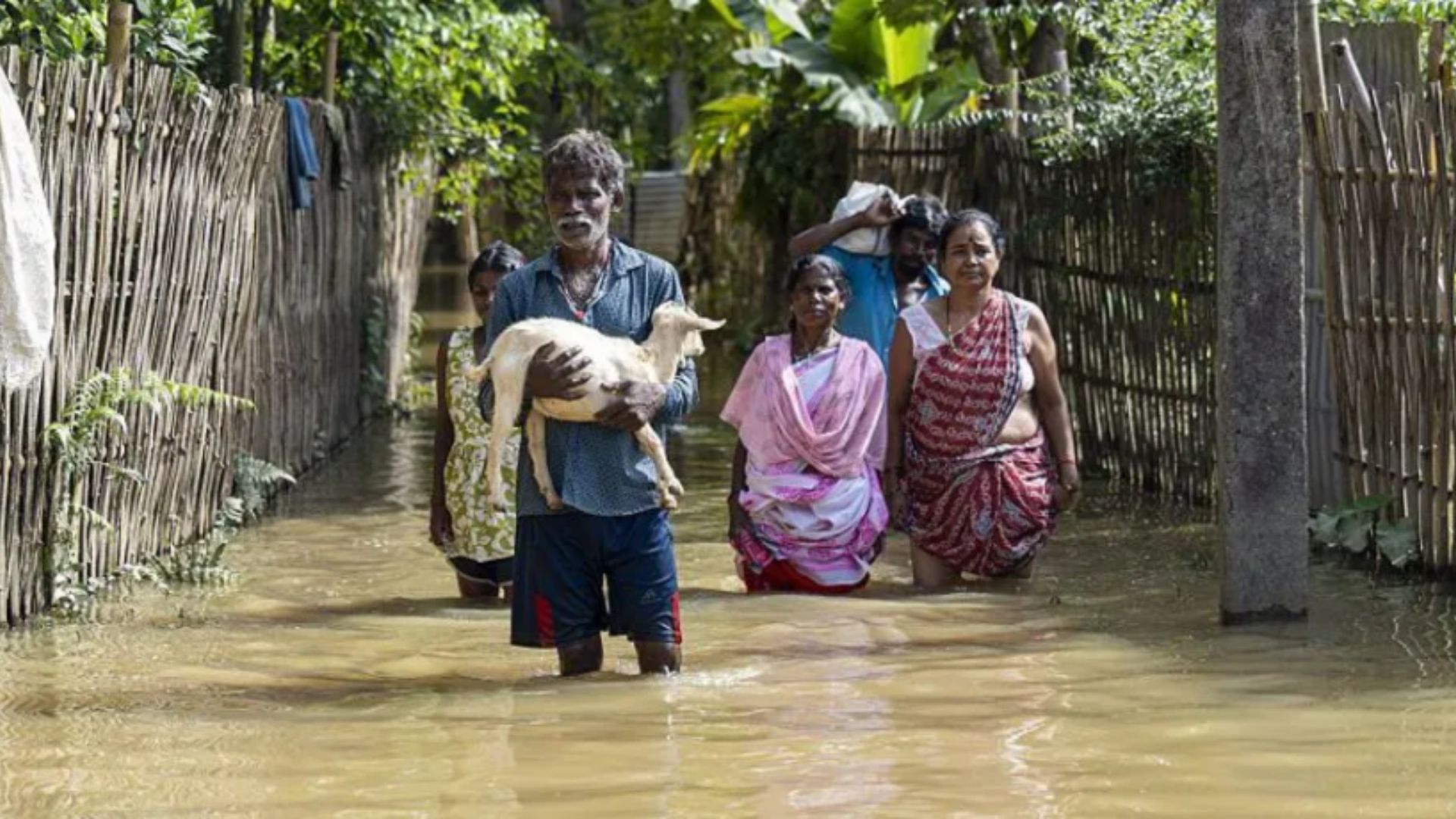
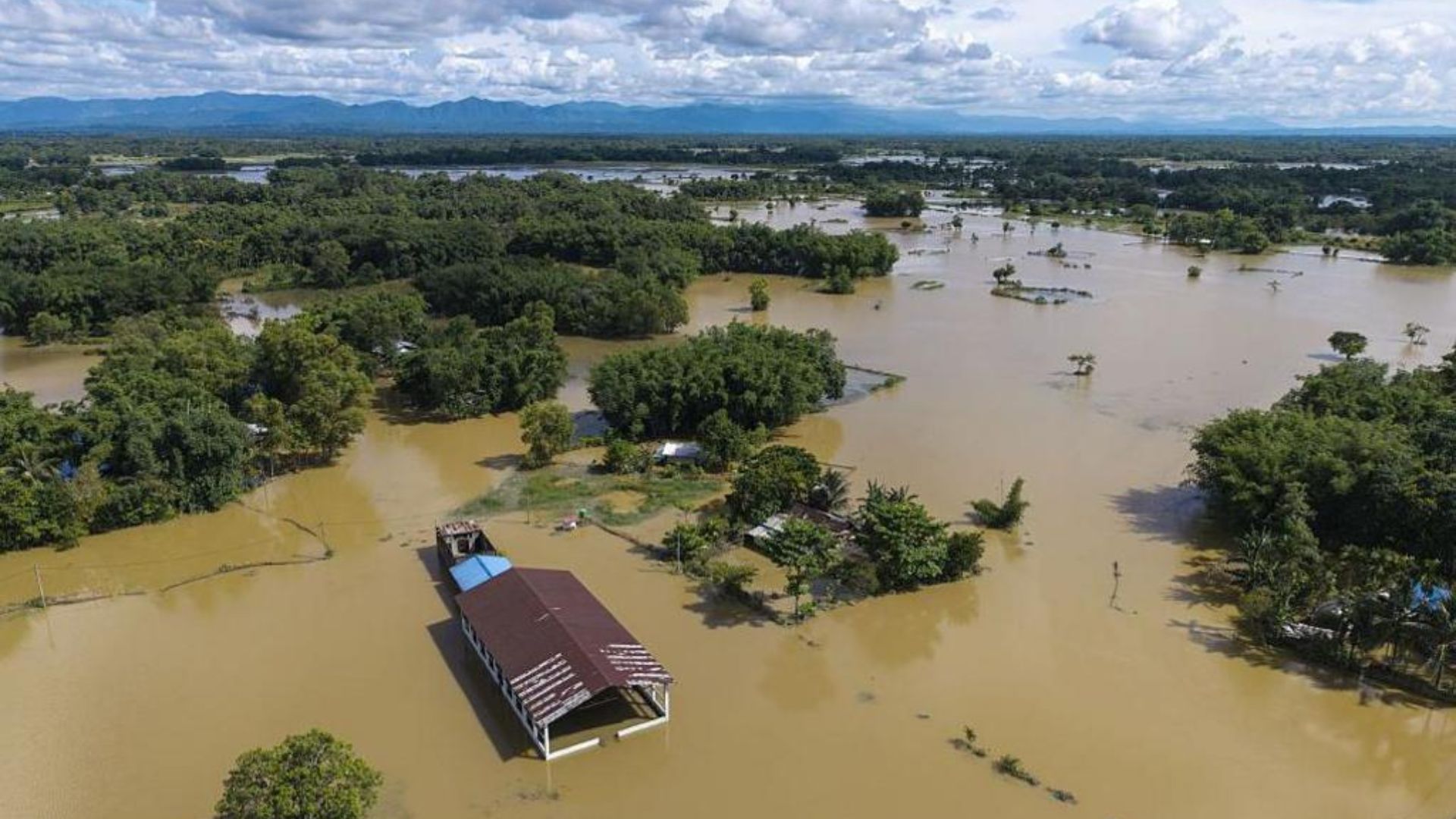
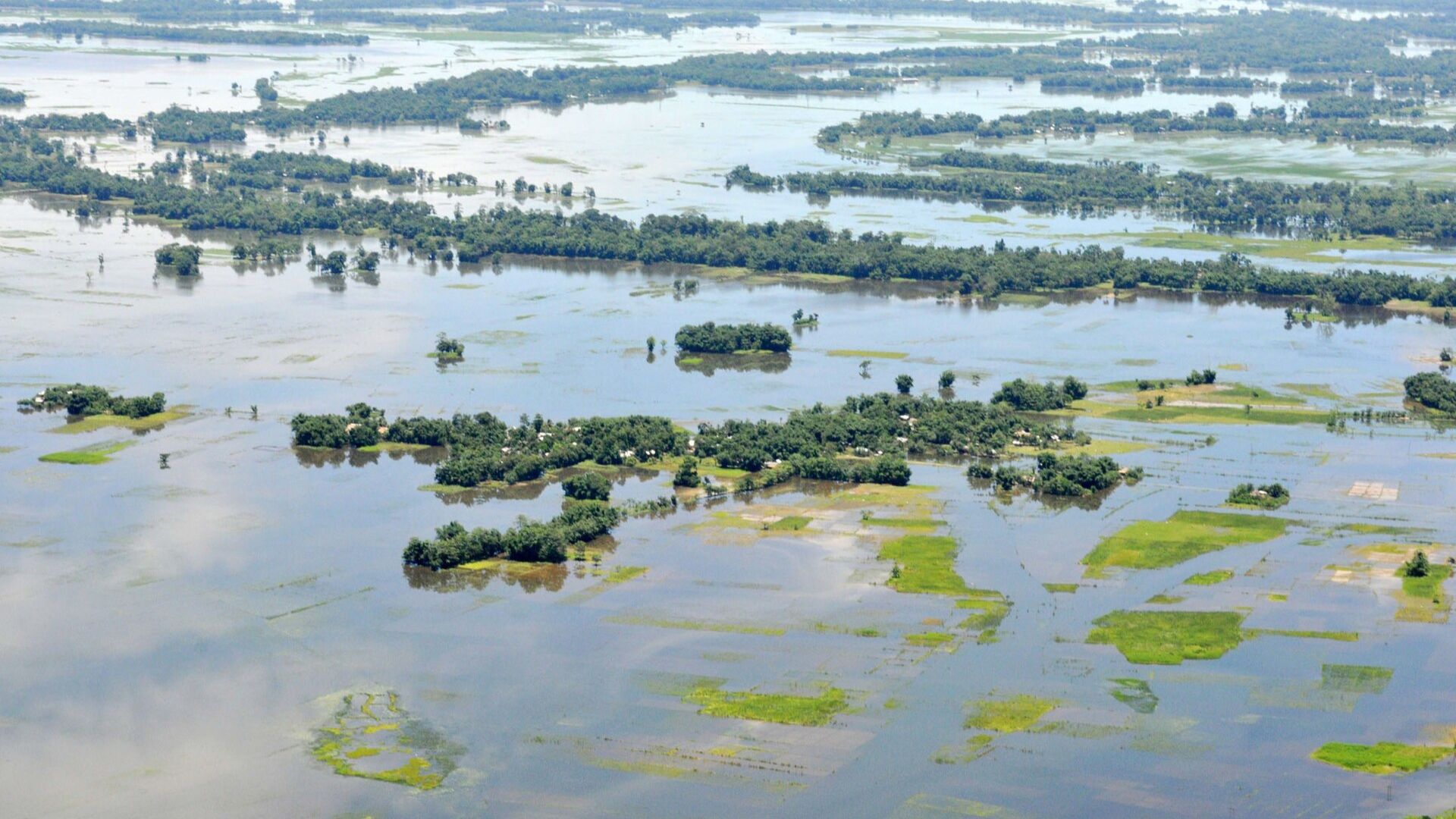
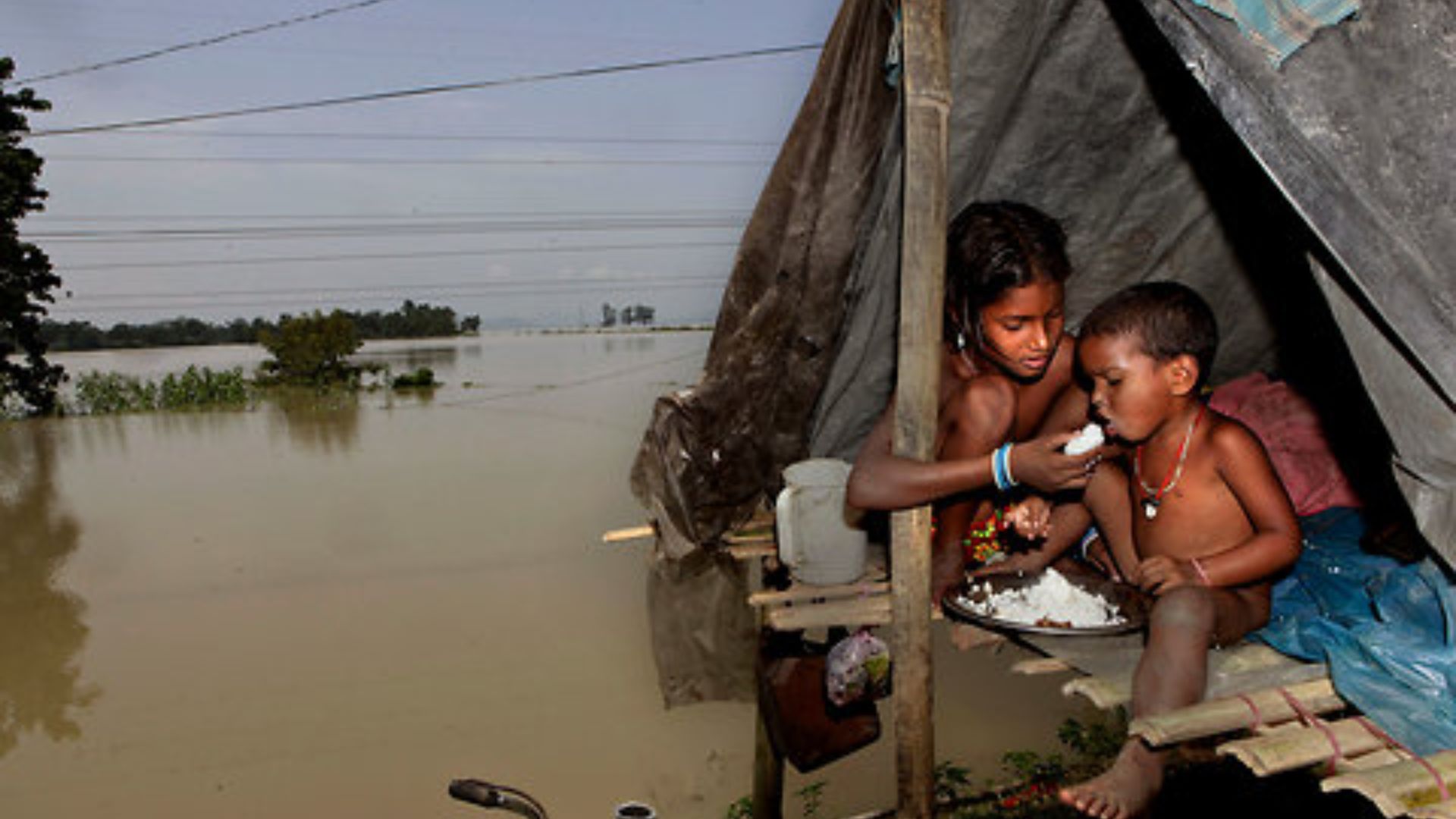
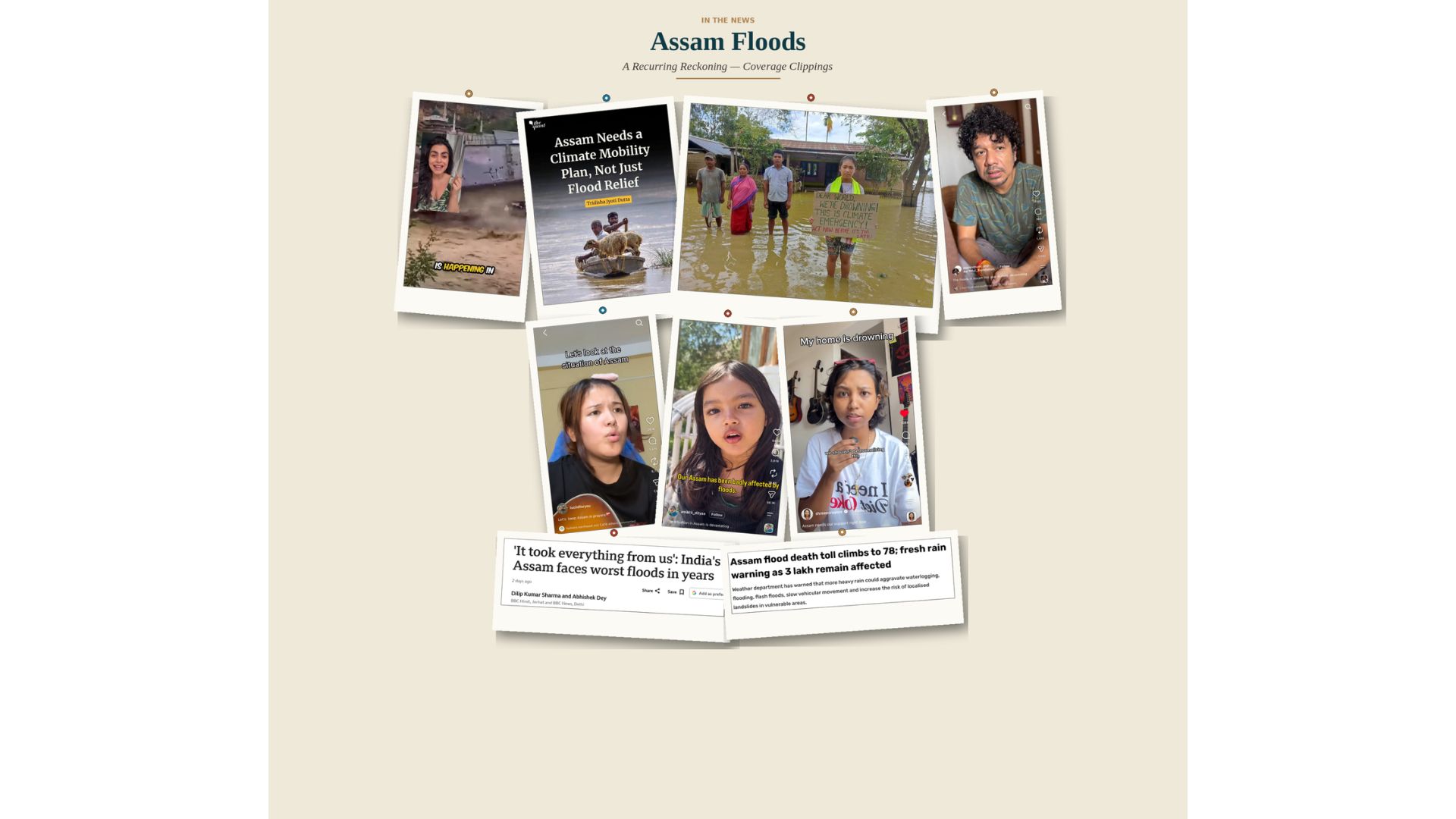
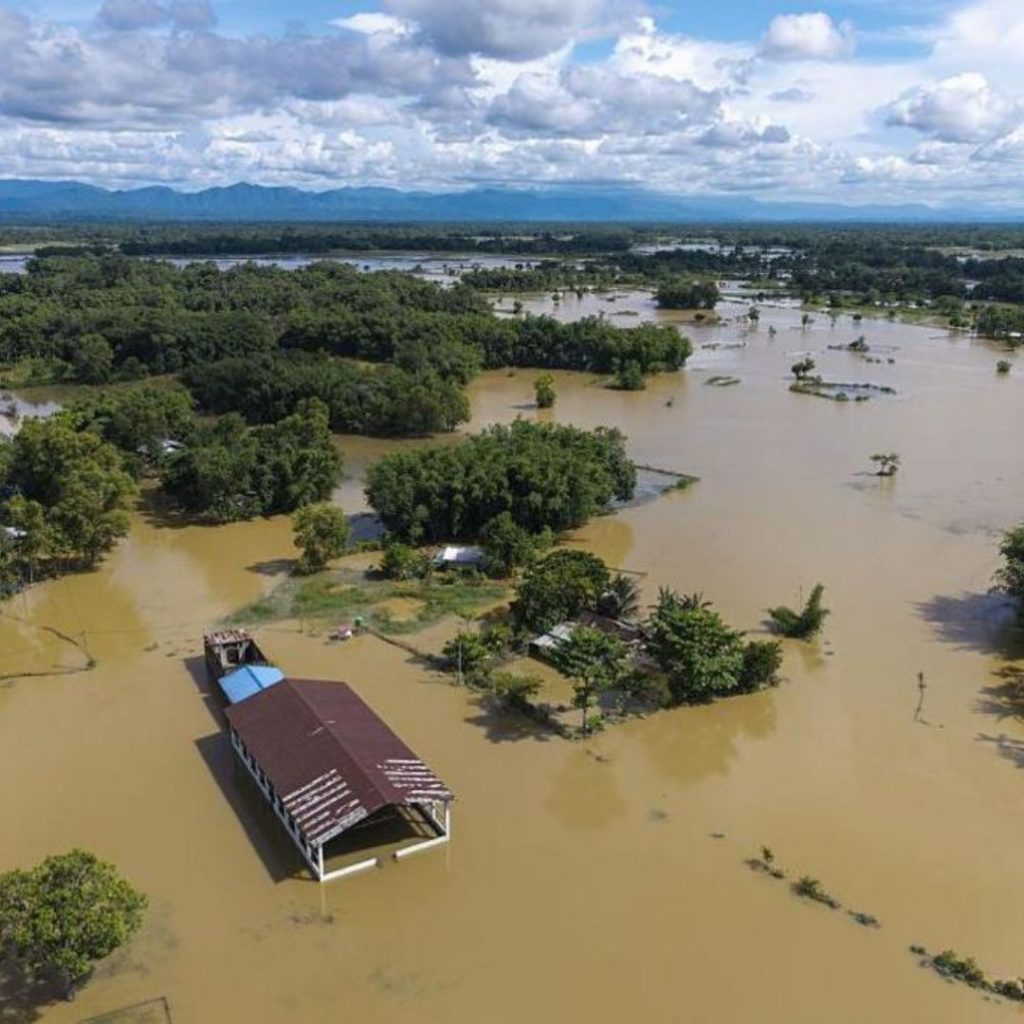
Every monsoon, the Brahmaputra does what it has done for millennia: it rises, spreads across its floodplains and redistributes sediment across Assam. The rainfall may trigger the flood, but the scale of devastation is increasingly engineered by human choices. As this article goes to publication, more than 6.53 lakh people have been affected, 41 lives have been lost, 939 villages remain submerged, and nearly 24,897 hectares of cropland have been damaged. While the Assam government attributed the crisis to a "cloudburst", the India Meteorological Department (IMD) stated that the rainfall did not meet the meteorological definition of one. The question, then, is not simply why did it rain? It is why does heavy rain repeatedly become a humanitarian catastrophe?
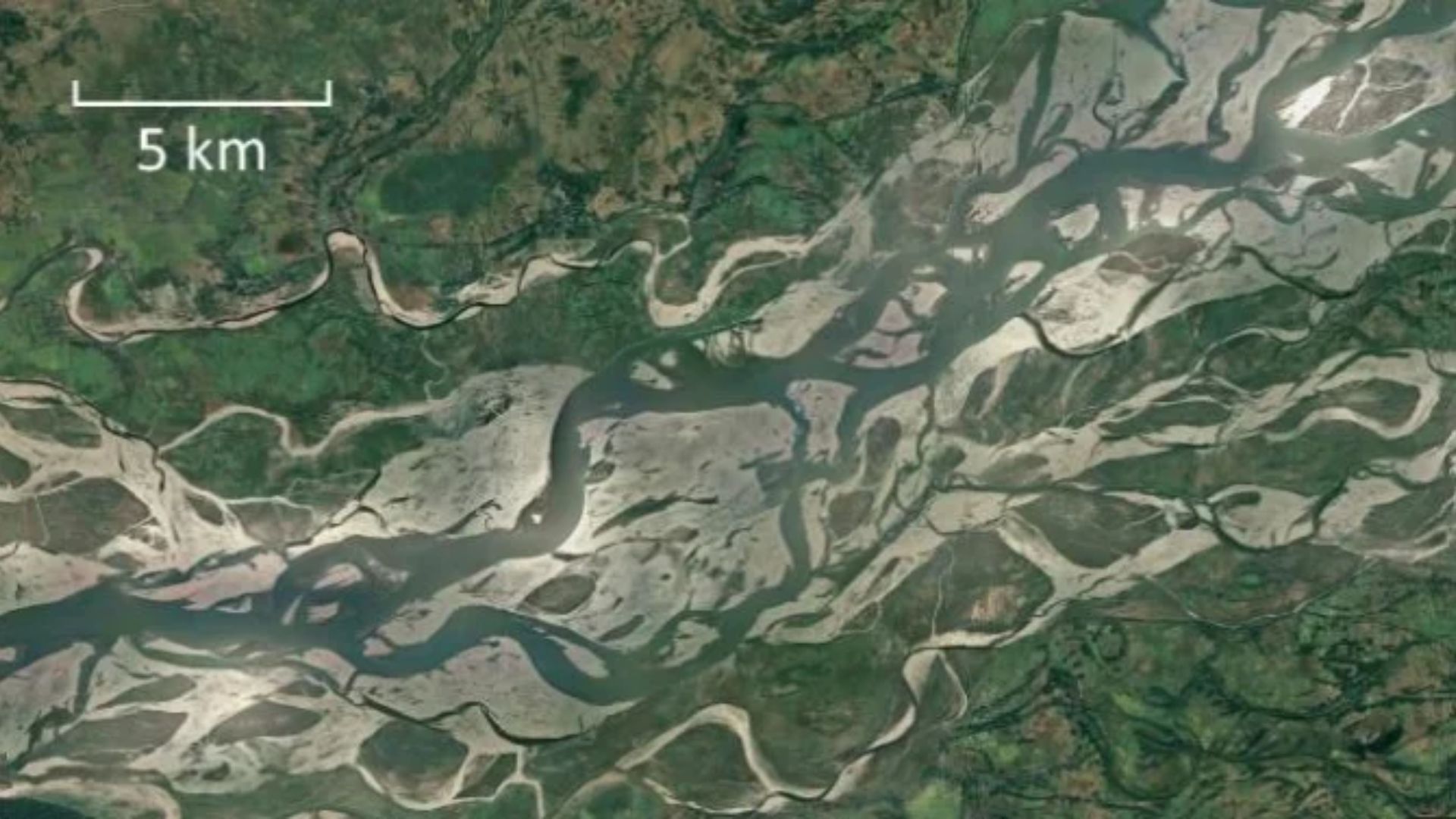
The answer begins with geography—but does not end there. After descending from the Tibetan Plateau through the Himalayas, the Brahmaputra enters Assam near Pasighat, where its gradient suddenly flattens. As the river loses speed, it deposits enormous quantities of sediment—an estimated 400 million tonnes every year, among the highest sediment loads of any river in the world. Over time, this raises the riverbed, making it easier for water to spill into surrounding floodplains. This is a natural process. What is not natural is how we've responded to it. Since the 1950s, flood management has relied heavily on embankments that were designed as temporary interventions but gradually became permanent infrastructure. As settlements expanded behind them, wetlands that once absorbed floodwater were filled, forests that slowed runoff declined, natural drainage channels were obstructed, and ageing embankments received reactive rather than preventive maintenance. The result is a river system with fewer places to safely spread and more people and infrastructure directly in its path.
In other words, Assam's floods are no longer just hydrological events—they are socio-ecological crises. Climate change is intensifying rainfall, but it is interacting with decades of ecological degradation, engineering decisions and unplanned development that have steadily reduced the landscape's ability to absorb water. The Brahmaputra has not suddenly become more dangerous. We have made ourselves more vulnerable to a river that has never stood still.