If you arrive in Assam expecting a single, cohesive “culture,” the state quietly unsettles that idea. Anthropologists often describe places like Assam as frontier zones—not in the sense of emptiness, but as spaces where multiple worlds meet, overlap, and negotiate. Here, the Brahmaputra valley is not just geography; it is a corridor through which peoples, languages, and belief systems have moved for centuries. What you encounter as a traveller is not a fixed identity, but a layered social landscape, where tribe, language, and region intersect in constantly shifting ways.
The word “tribe” can flatten more than it reveals. In Assam, it refers to communities with distinct histories, kinship systems, and relationships to land—but these are not static or isolated groups. They are dynamic societies, many of which have interacted with kingdoms, colonial administrations, and modern state structures.
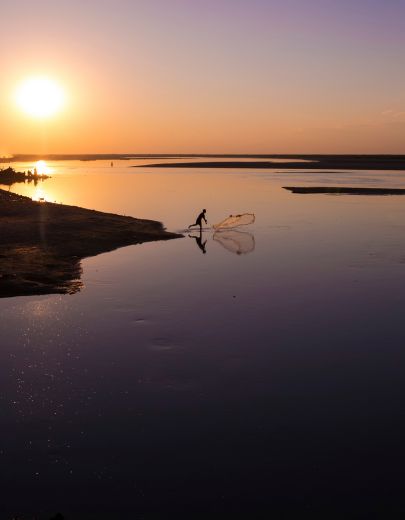
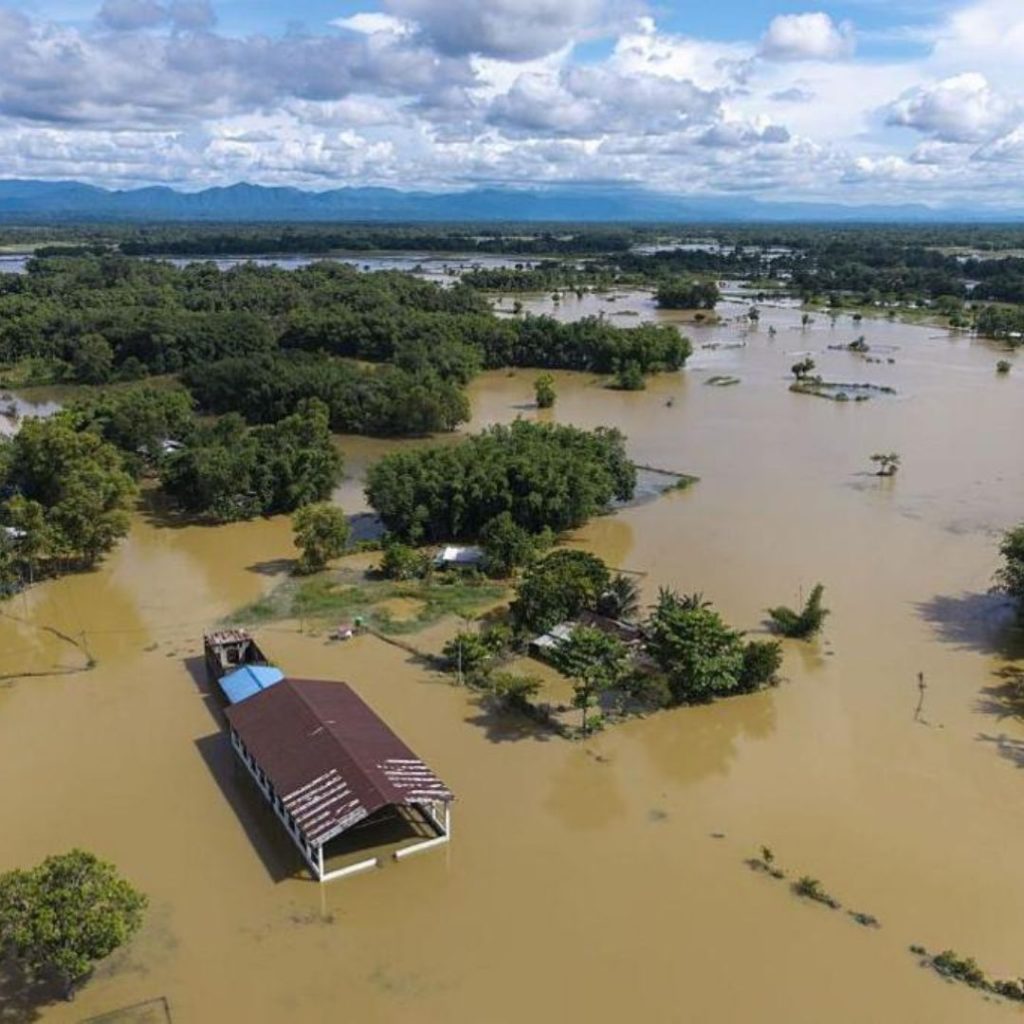
Take the Bodo, one of the largest plains communities. Their story today is not just cultural but political—language revival, territorial identity, and autonomy movements all shape what it means to be Bodo. In contrast, the Mishing live along the shifting banks of the Brahmaputra, where annual floods are not disasters alone but part of an ecological rhythm that shapes housing, food, and social life. Majuli offers a closer look at how Mising identity, architecture, food and ritual are shaped alongside the Brahmaputra’s changing floodplain.
Read more: The Mising Tribe of Majuli, Assam: River, Resilience & Ritual
Their stilted homes are not quaint architecture; they are adaptive anthropology.

Move into the hills, and communities like the Karbi or Dimasa reveal different social worlds—structured by clan systems, oral histories, and older political formations. The Tiwa complicate things further, existing as both hill and plains communities with diverging cultural practices. What ties these groups together is not sameness, but a shared experience of negotiating identity in a changing region. For travellers, this means that moving even short distances in Assam can feel like crossing cultural borders—because, in a sense, you are.
Assam’s linguistic diversity becomes most visible not in textbooks, but in everyday cultural moments. Walk into a weekly market and you’ll hear Assamese used for bargaining, but step a little closer and conversations switch into Bodo language or Mishing language when speakers turn to kin or community members. At a Mishing household, you might hear agricultural knowledge—when to sow, how the river will behave—expressed in terms that simply don’t exist in Assamese or Hindi.
Similarly, among the Karbi or Dimasa, ritual chants and origin stories are still remembered in their own languages, even if younger speakers use Assamese or English in school. Language here isn’t just communication—it’s contextual identity. Who you are speaking to often determines who you are, linguistically.
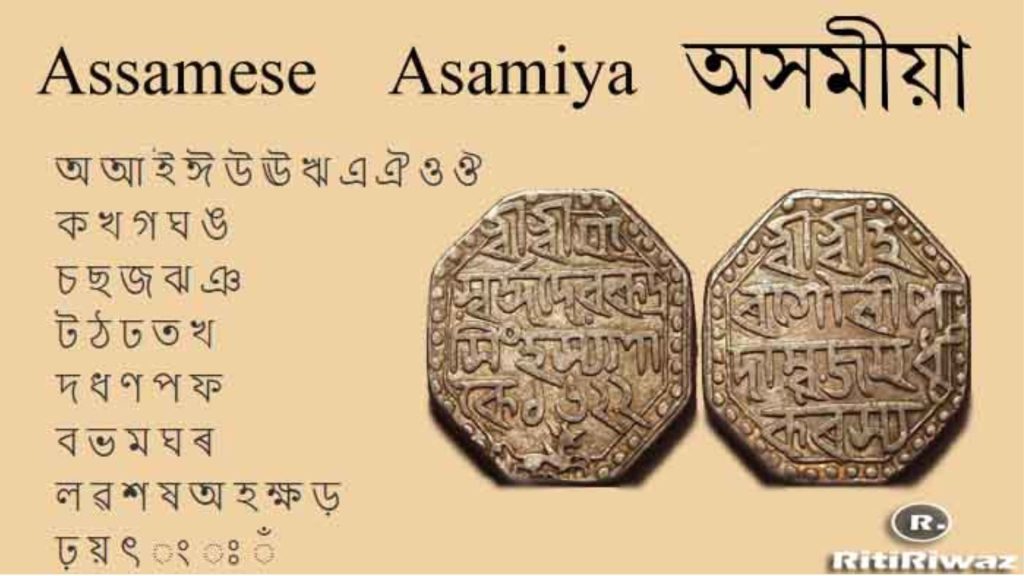
This layered identity becomes even more interesting in contemporary culture. Bodo-language music has seen a revival, with artists producing modern pop and hip-hop while retaining linguistic roots—songs that circulate on YouTube and local festivals alike. In urban Assam, especially in Guwahati, you’ll find young people mixing Assamese, Hindi, and English in the same sentence, while still switching back to a mother tongue at home. Even festivals reflect this multilingual reality: announcements might be made in Assamese, but songs, jokes, and storytelling shift fluidly across languages depending on the audience. Social media has amplified this further—Instagram reels, local comedy skits, and short films often play on code-switching itself as a cultural marker.
For travellers, this creates a subtle but fascinating experience. You may not understand every word, but you’ll notice how tone, rhythm, and language choice shift with setting—from formal Assamese in a school, to intimate Mishing in a kitchen, to Hindi or English when speaking to outsiders.
Assam’s linguistic diversity doesn’t just survive in villages or rituals—it thrives in literature, cinema, theatre, and music, where language becomes both cultural expression and identity politics. Writers like Indira Goswami and Homen Borgohain brought marginal and tribal experiences into mainstream Assamese literature, often exploring the friction between indigenous worlds and modernity. More recently, there has been a powerful shift toward writing in tribal languages themselves. Bodo literature, for example, has expanded significantly, with poets and novelists using Bodo language as a medium of both storytelling and cultural assertion—especially after its recognition in India’s constitutional framework.
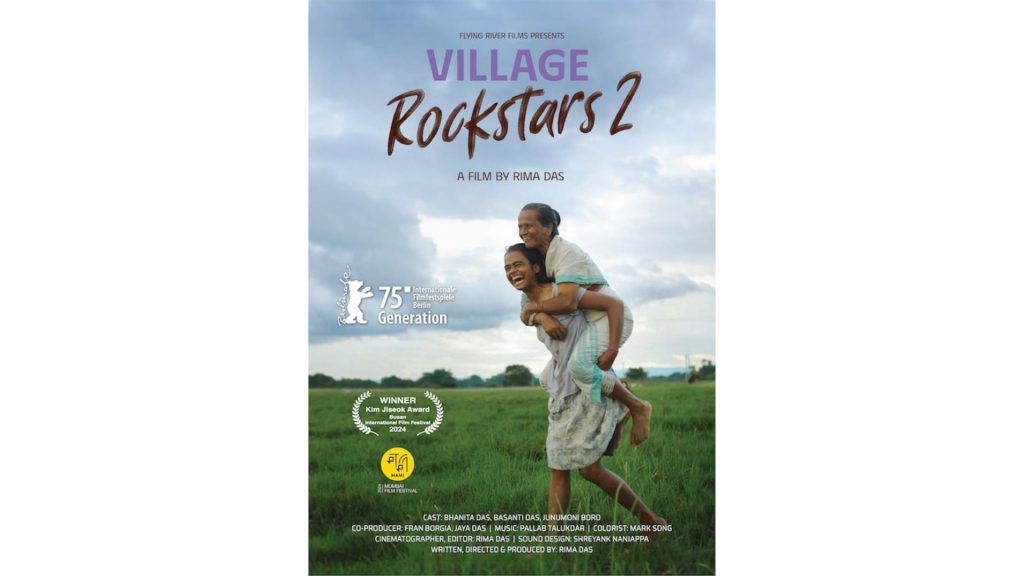
Cinema and visual storytelling offer another window into this layered world. Films like Village Rockstars capture rural Assam with remarkable authenticity, where language appears not as performance but as lived reality—fluid, mixed, and contextual. Alongside this, a quieter movement of independent films and documentaries in Karbi, Mishing, and Dimasa contexts is emerging, often shared through festivals and digital platforms. Theatre traditions—from mobile theatre to local performance forms—also reflect this blending, where Assamese serves as a bridge language but local dialects and tribal narratives continue to shape the storytelling.
Music, however, is where language feels most alive. From the enduring legacy of Bhupen Hazarika—whose songs connected Assam’s identity to broader human themes—to the rise of contemporary Bodo pop, rap, and gospel, linguistic expression is constantly evolving. Young artists today mix tribal languages with global sounds, creating music that travels far beyond the region while staying rooted in it. For travellers, this is not something confined to stages—you might hear it in a village festival, a passing car, or a local gathering. It’s in these moments that Assam’s languages reveal themselves not as relics, but as living, creative forces shaping the present.
One of the most interesting anthropological insights about Assam is that culture here is not simply inherited—it is continuously negotiated. Many tribal communities have interacted with broader Assamese society, especially through movements like Vaishnavism, colonial education, and modern governance. Majuli shows how river communities, Neo-Vaishnavite institutions and changing everyday identities can coexist within the same landscape.
Read more: Majuli: Where the River Teaches You How to Live
The result is not assimilation in a simple sense, but hybridity. A community may celebrate its own harvest festival while also participating in larger regional events like Bihu. Food habits, dress, and rituals often carry traces of multiple influences. Identity here is less about purity and more about adaptation.
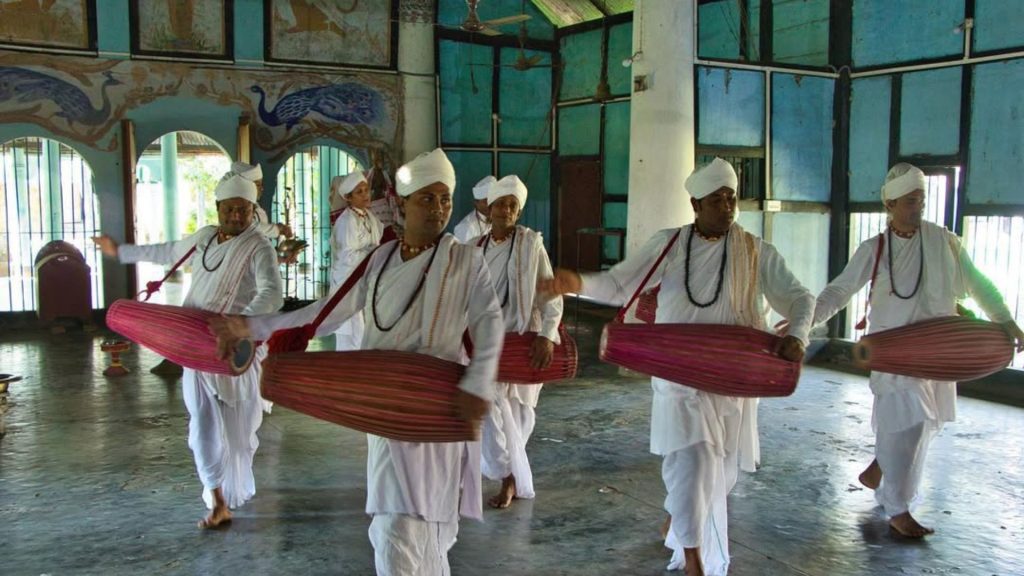
For travellers, this means that what you see is often a blend: a traditional weaving pattern worn with modern clothing, a local dish served alongside more widely known cuisine, or a ritual performed with both indigenous and external elements.
In Assam, culture cannot be separated from landscape. The Brahmaputra is not just a river—it is a force that shapes settlement, mobility, and imagination. That relationship becomes clearer when you understand how the Brahmaputra’s flood pulse, erosion and human planning continually reshape life across Assam.
Read more: When the Brahmaputra Rises: Understanding Assam’s Floods Beyond the Headlines
Among the Mishing, for instance, annual floods dictate architecture (homes on stilts), diet (seasonal river fish), and even social rhythms. In hill districts, communities like the Karbi adapt to entirely different ecological conditions, influencing everything from agriculture to settlement patterns.
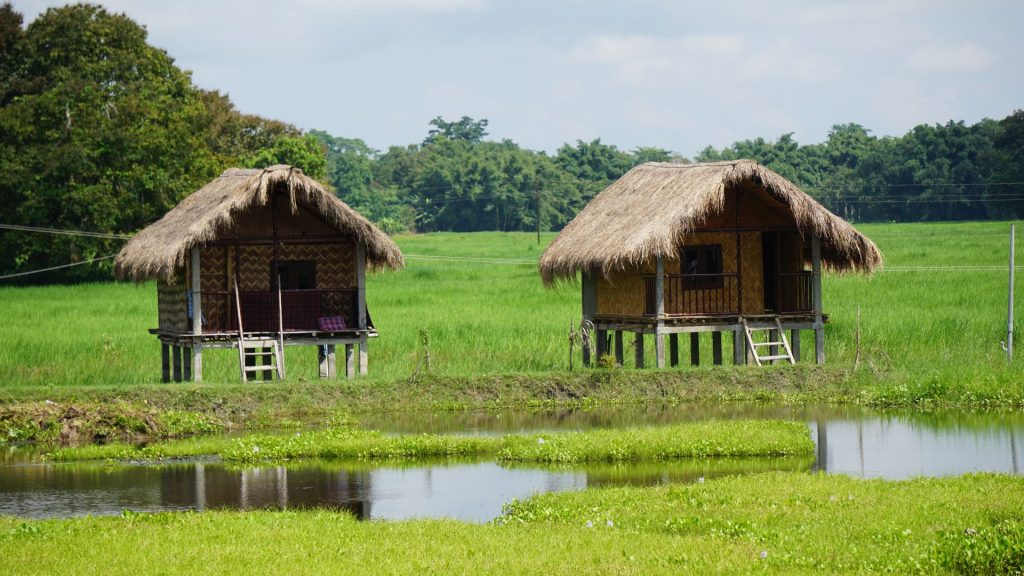
Anthropologists often describe such systems as “ecological cultures”—ways of life that evolve in close dialogue with the environment. For a traveller, this becomes visible in small details: the design of a house, the ingredients in a meal, or the timing of a festival.
To travel through Assam with this lens is to notice things differently. You might find yourself in a village where women weave intricate textiles that encode community identity, or at a local market where multiple languages overlap in a single conversation. You may stay in a stilt house built for floods, or attend a festival that feels both deeply local and broadly shared.
Equal parts policy wonk and wanderlust junkie, Kavya brings together her training in environmental economics and political science with an enduring curiosity about how the world works — and how it could work better. By day, she’s a public health researcher and advocate, working at the intersection of people, systems, and the planet.
Off the clock? She’s a storyteller, active rester, and cat mama.