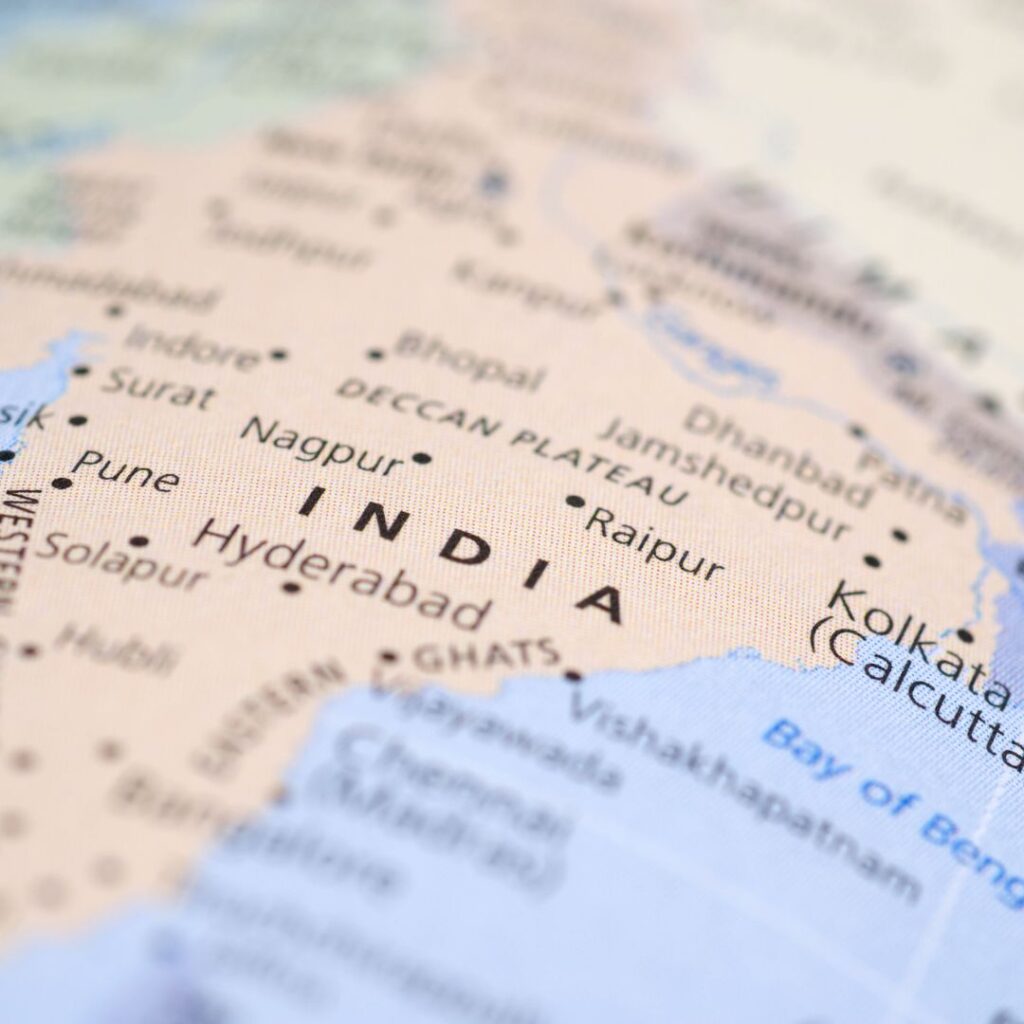
Before the crack of gunpowder ever echoed through Nagaland’s misty hills, warriors carried spears tipped with iron, daos sharpened to a gleam, and bows strung with sinew. Hunting and inter-village warfare were central to life, and with constant raids came the need for protection. Bamboo breastplates, thick hide shields, and elaborate helmets were as essential as weapons—armour that was both practical and ceremonial, often decorated to signal rank, courage, and identity. To go into combat unarmoured was to risk not only death but dishonor.
The history of these weapons is part of a wider story about protection, community institutions and the different meanings of warrior traditions across the Eastern Himalayas.
That world began to change in the 19th century when muskets arrived through colonial trade and neighboring exchanges. Against the flash and roar of firearms, traditional armour quickly lost its strength, and the gun itself emerged as the new badge of power. What began as a curiosity soon became a coveted possession, symbolizing status as much as survival. As anthropologist Verrier Elwin observed, “A gun was not merely an object of utility; it was a badge of prestige, as potent as a necklace of heads had once been.” From that moment, the rhythms of Naga warfare, identity, and celebration would never be the same.
To understand the conflicts surrounding this transition, explore how inter-village warfare, colonial resistance and World War II shaped different periods of Nagaland's history.
Julian Jacobs once remarked that “the gun replaced the spear as the measure of manhood,” a transformation that echoed across Naga villages in the late 19th and early 20th centuries. Among tribes like the Angami and Konyak, where headhunting once defined bravery, the arrival of firearms created new hierarchies of prestige—those who owned guns were seen not only as protectors but as men of influence.
Travelers such as Christoph von Fürer-Haimendorf, in The Naked Nagas (1939), describe how warriors would pose proudly with their rifles during festivals and feasts, just as their forebears had displayed spears or even human heads in ceremonial platforms known as morungs. Guns became woven into the rhythms of oral tradition: ballads sang of daring hunts and raids carried out with “dane guns,” the locally crafted muzzleloaders.
This shift was not unique to Nagaland—across the world, from the Plains Indians of North America to the Maori of New Zealand, firearms reshaped tribal identity, altering legends, rituals, and even the balance of power between communities. In Nagaland, the echoes of that change still live on in folktales and festival reenactments, where the crack of a gunshot recalls a time when to own a firearm was to embody the very essence of being Naga.
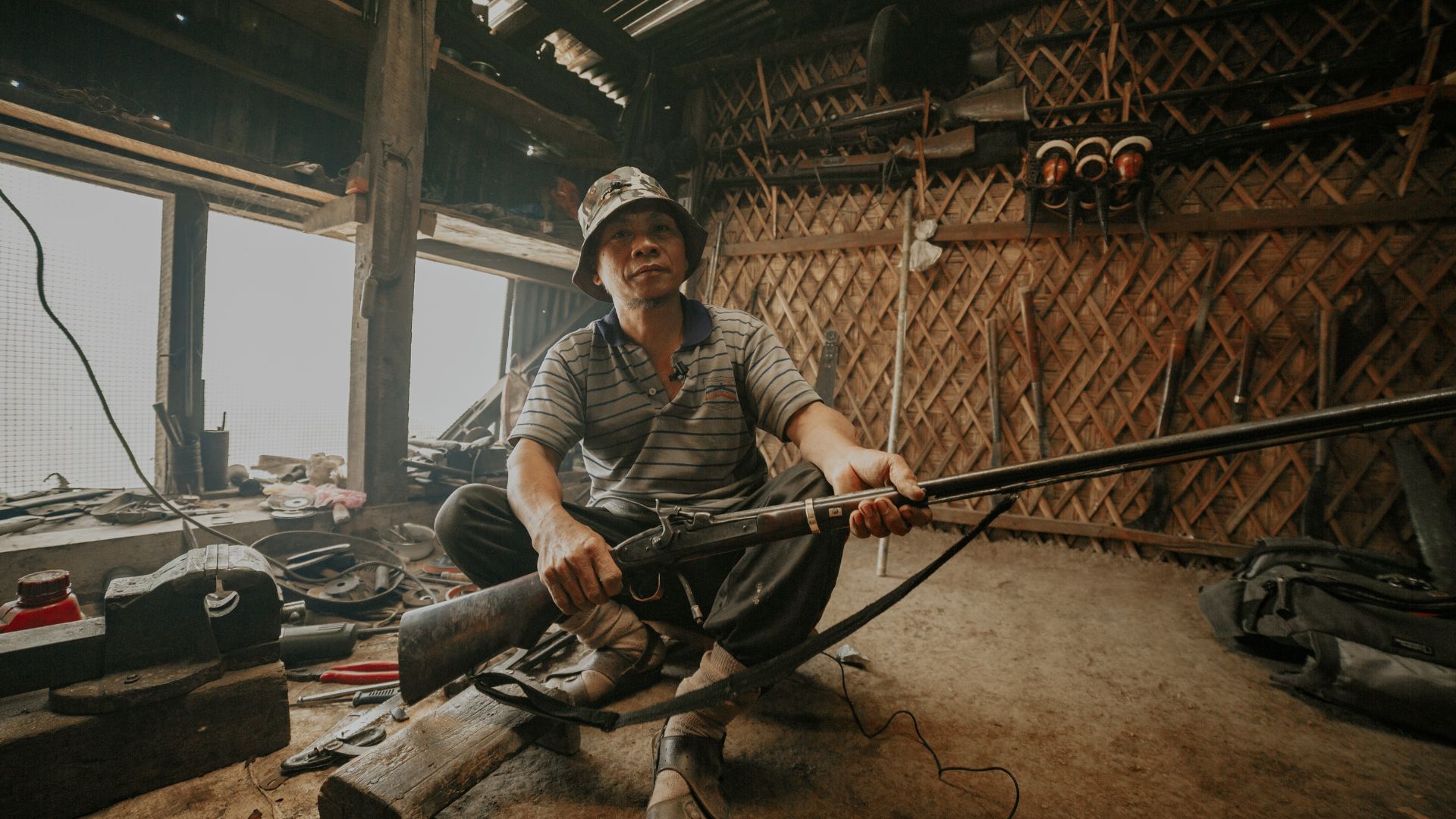
Guns in Nagaland were also companions on the hunt. Warriors and farmers alike carried them into dense forests where wild boar, deer, and hornbills became quarry, providing not only food but feathers, tusks, and hides used in ritual adornments. Over time, homemade muzzleloaders, known locally as “dane guns”, emerged as a hallmark of Naga ingenuity. Crafted from iron scraps, bamboo, and wood, often without formal training, these guns were both functional and artistic, sometimes decorated with engravings or colored bindings. Among tribes like the Ao and Konyak, a man’s skill at making or handling a dane gun became a point of pride, passed down through generations.
In Nagaland, the story of the gun cannot be told without the story of politics. From the mid-20th century, as the Naga struggle for sovereignty took shape, firearms became symbols of resistance as much as instruments of war. Underground groups, fighting for independence from India, relied heavily on them, Rifles smuggled across porous borders, old World War II weapons left behind by Japanese and Allied soldiers, and locally adapted muzzleloaders. Outsiders often described Nagaland as a land “where every man carries a gun,” a stereotype, yet one rooted in the reality of turbulent decades when villages lived under the shadow of insurgency.
The wider history of Nagaland helps place these developments within the region's changing political relationships, colonial encounters and struggles over self-determination.
Political scientist Sanjib Baruah captured this poignantly: “In Nagaland, the gun is more than a weapon—it is a metaphor for unfinished history.” For many Nagas, firearms came to embody sacrifice, survival, and the dream of self-determination. Even today, echoes of this history remain with murals of armed fighters in small towns, stories passed down of secret camps in the forest, and the memory of negotiations where the barrel of a gun was never far from the table.
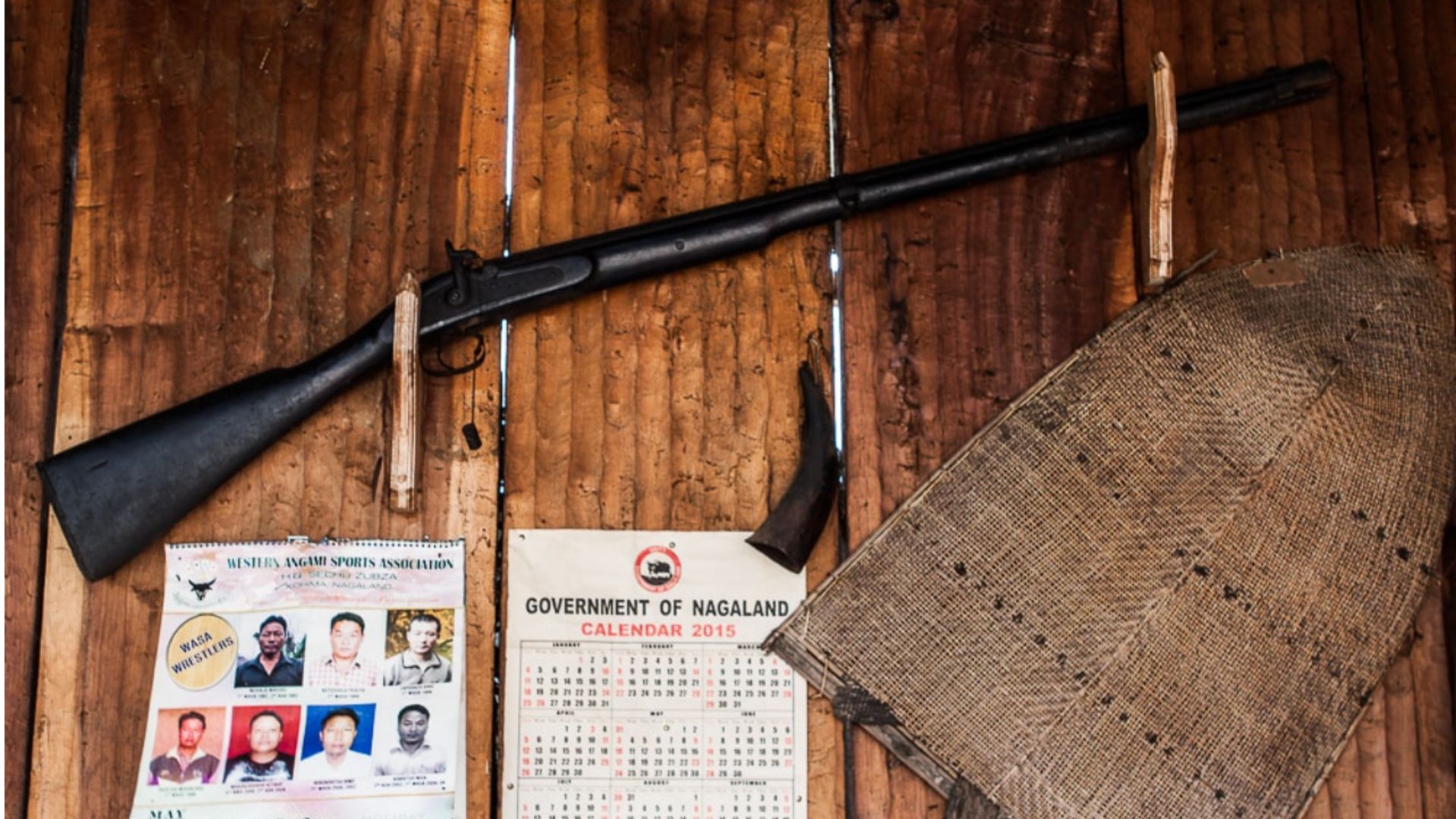
Much like in other parts of the world where identity and rebellion intertwined—whether the Mau Mau in Kenya or the Viet Minh in Vietnam—guns in Nagaland were never simply tools of violence; they were emblems of political aspiration, carving their place in the region’s collective memory.
In today’s Nagaland, the gun has largely slipped from daily life into memory. Where once it was a constant companion in the field, forest, or battlefield, now it is more likely to be seen on a museum shelf or carried ceremonially during a festival. For younger generations in towns like Kohima and Dimapur, the gun is not a necessity but a story, a symbol recounted by elders or reenacted during the Hornbill Festival.
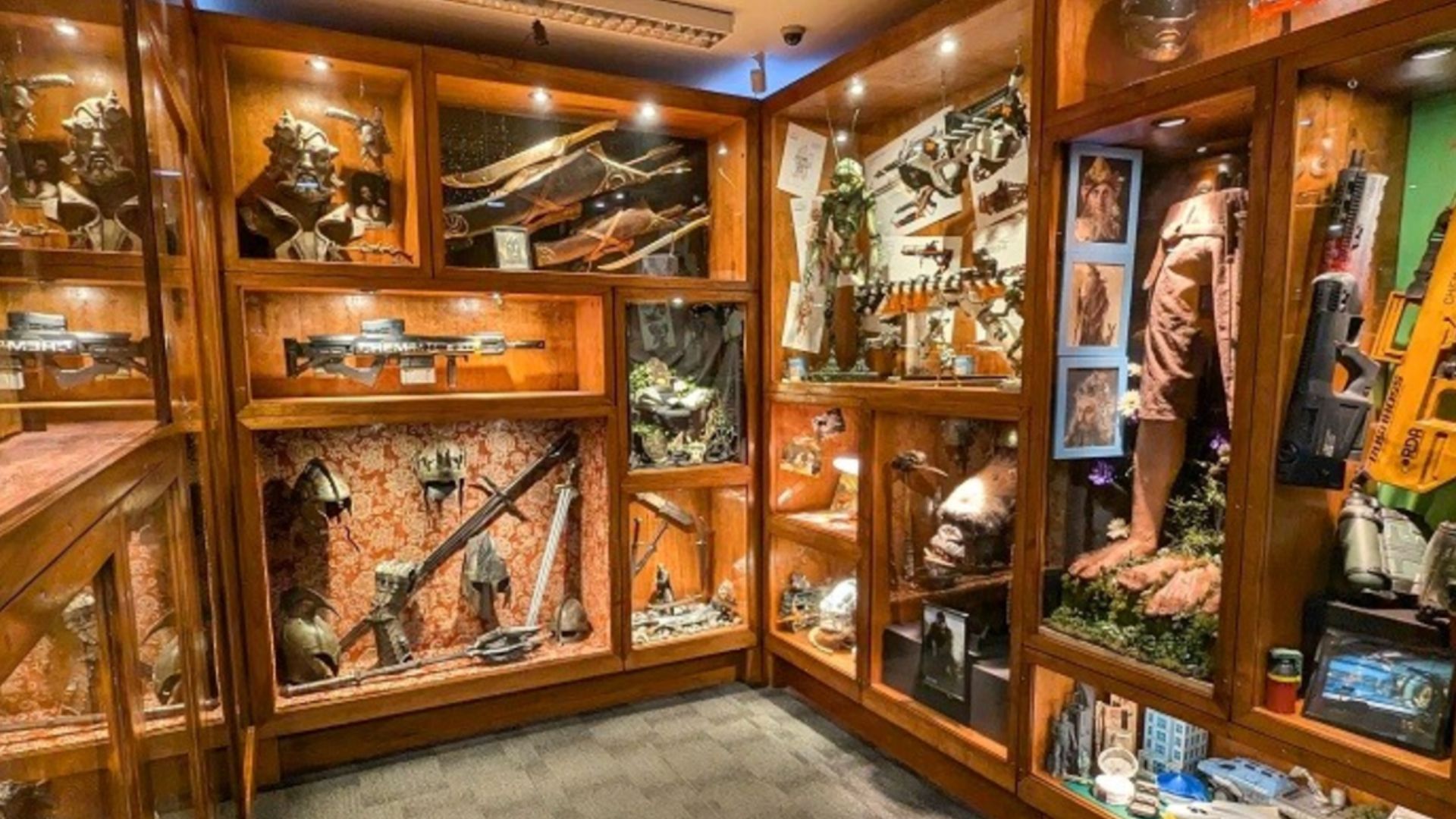
Yet its symbolism endures. For many Nagas, the gun is still shorthand for resilience and identity, even if its practical role has faded. Much like the Scottish claymore or the Samurai katana, the Naga dane gun has transitioned from weapon to cultural icon—no longer wielded in conflict, but remembered with pride as a marker of history, tradition, and survival.
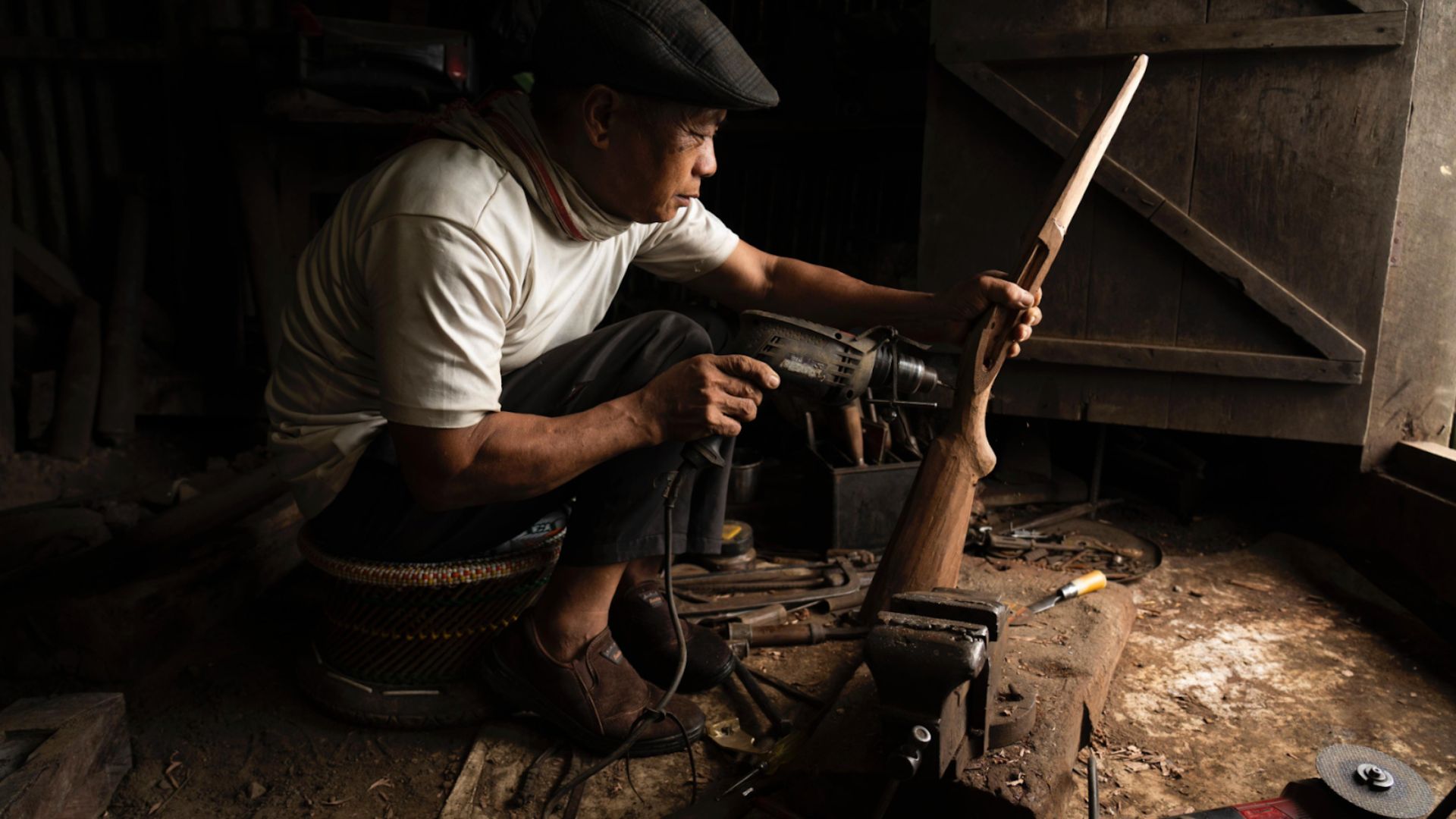
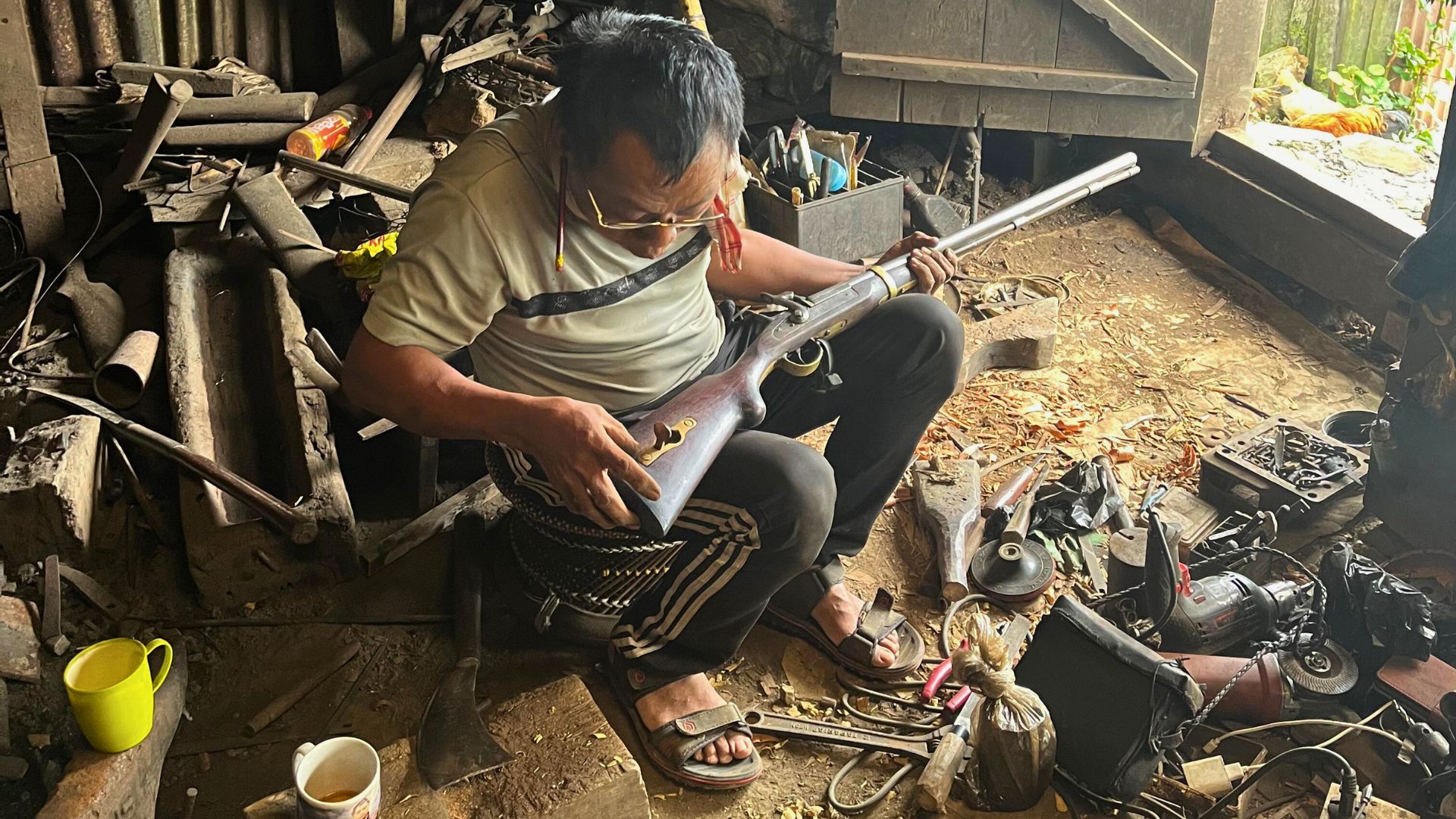
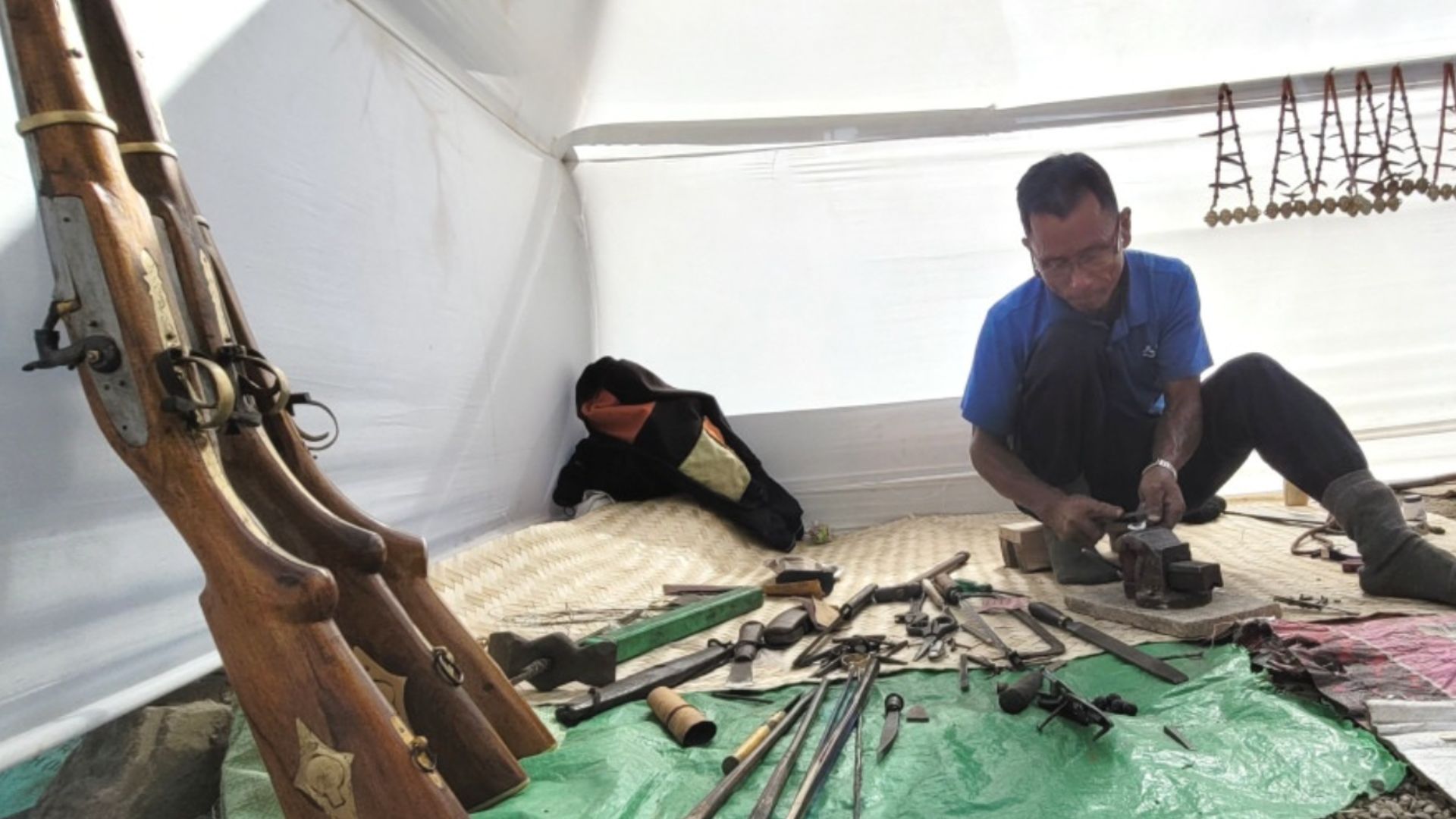
Even so, the art of gun-making in Nagaland has not vanished. In remote villages, skilled blacksmiths continue to fashion dane guns, though their purpose has shifted from battlefield and forest to heritage and display. Traditionally, these guns were made using recycled materials—iron pipes for barrels, carved wooden stocks, and simple ignition systems improvised from local tools. Each weapon bore the marks of its maker’s creativity: some were etched with geometric designs, others bound with dyed cane or brass fittings to give them a distinctive tribal character.
Today, while most of these homemade muzzleloaders are no longer functional or used for hunting, they retain immense cultural value. Many are carried during festivals such as the Hornbill Festival, where mock battles and ceremonial salutes bring history to life. Families often preserve old dane guns as heirlooms, passing them down as symbols of status and craftsmanship. Museums in Kohima and Dimapur curate collections of these firearms, presenting them as part of Nagaland’s living heritage.
For travelers, miniature dane gun replicas can sometimes be found in souvenir stalls, crafted as curios that capture both the artistry and the mythology of Naga warriorhood. Collectors outside Nagaland also prize authentic examples, seeing them as folk-industrial artefacts—objects that bridge the gap between function and artistry, technology and tradition. Much like the handmade muskets of the Berbers in North Africa or the flintlocks of the Balkans, Naga dane guns remind us how communities far from Europe’s gun-making centers developed their own weapon traditions, deeply rooted in local identity.