Note: March is a transition month, with warmer days and a higher chance of occasional rain. Conditions in Dzukou Valley and the surrounding region can change quickly, and you may not be able to witness the frozen Dzukou.
In a land shaped by steep hills, shifting clouds, and stories carried through generations, Nagaland stands as one of India’s most culturally rich and diverse states. Home to 17 major tribes and many more sub-tribes, each with its own language, food traditions, rituals, and architectural styles, the region holds a depth of heritage that cannot be understood in a single visit. Every community has its own worldview, rhythms, and memories of the past. To travel here is to listen, observe, and slowly uncover these layers over time.
But beneath this cultural richness lies a history marked by turbulence. The hills of Nagaland have witnessed several turning points in time. When the British first arrived in the 19th century, they encountered fierce resistance from the communities who lived here. Decades later, these same hills became a battleground during World War II, most famously at Kohima, where one of the fiercest battles of the Eastern Front was fought. In the years following Independence, the region continued to navigate questions of identity and autonomy. Even today, the land carries the weight of these histories, while its people continue to move forward with resilience, pride, and a deep sense of belonging.
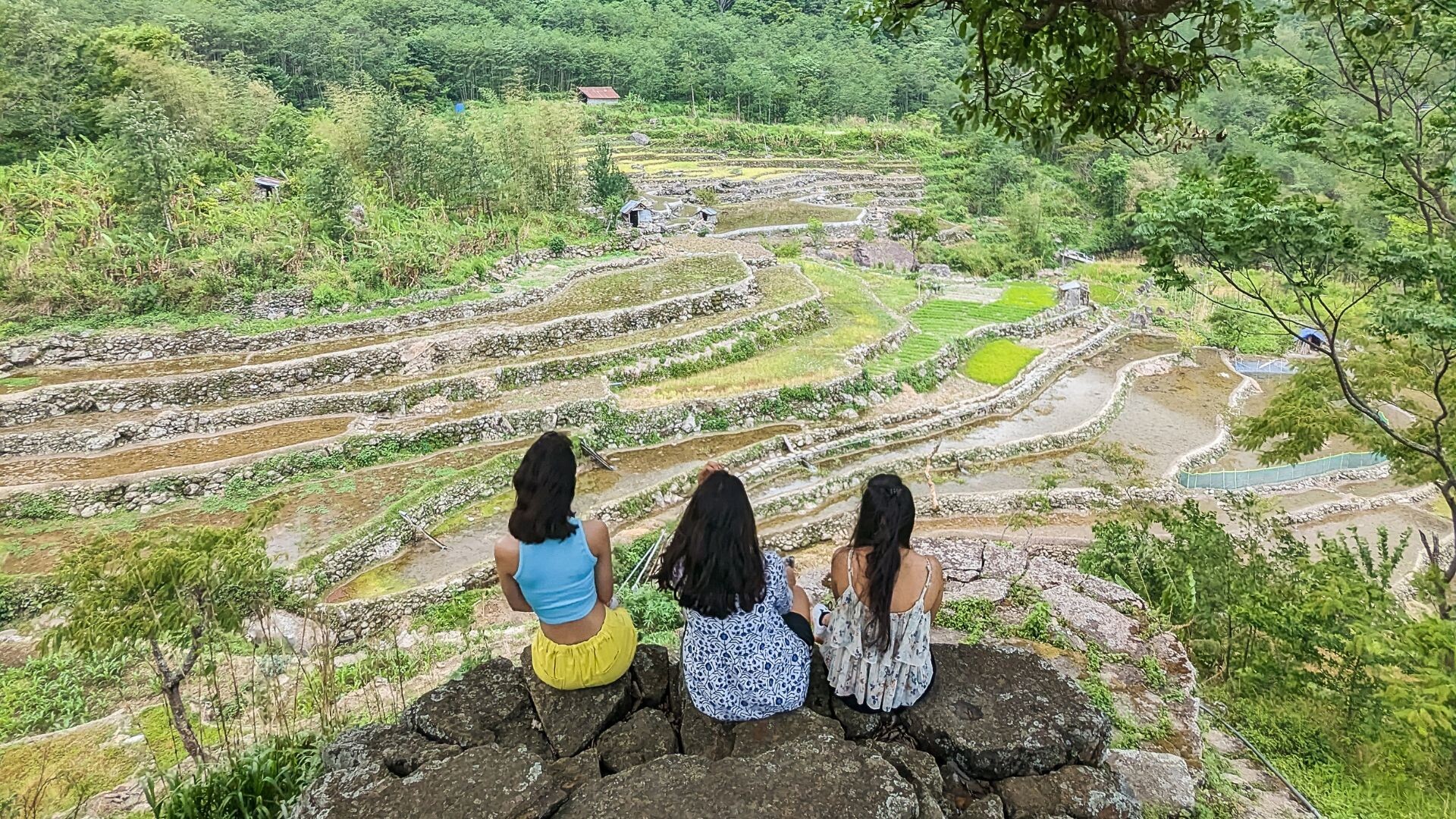
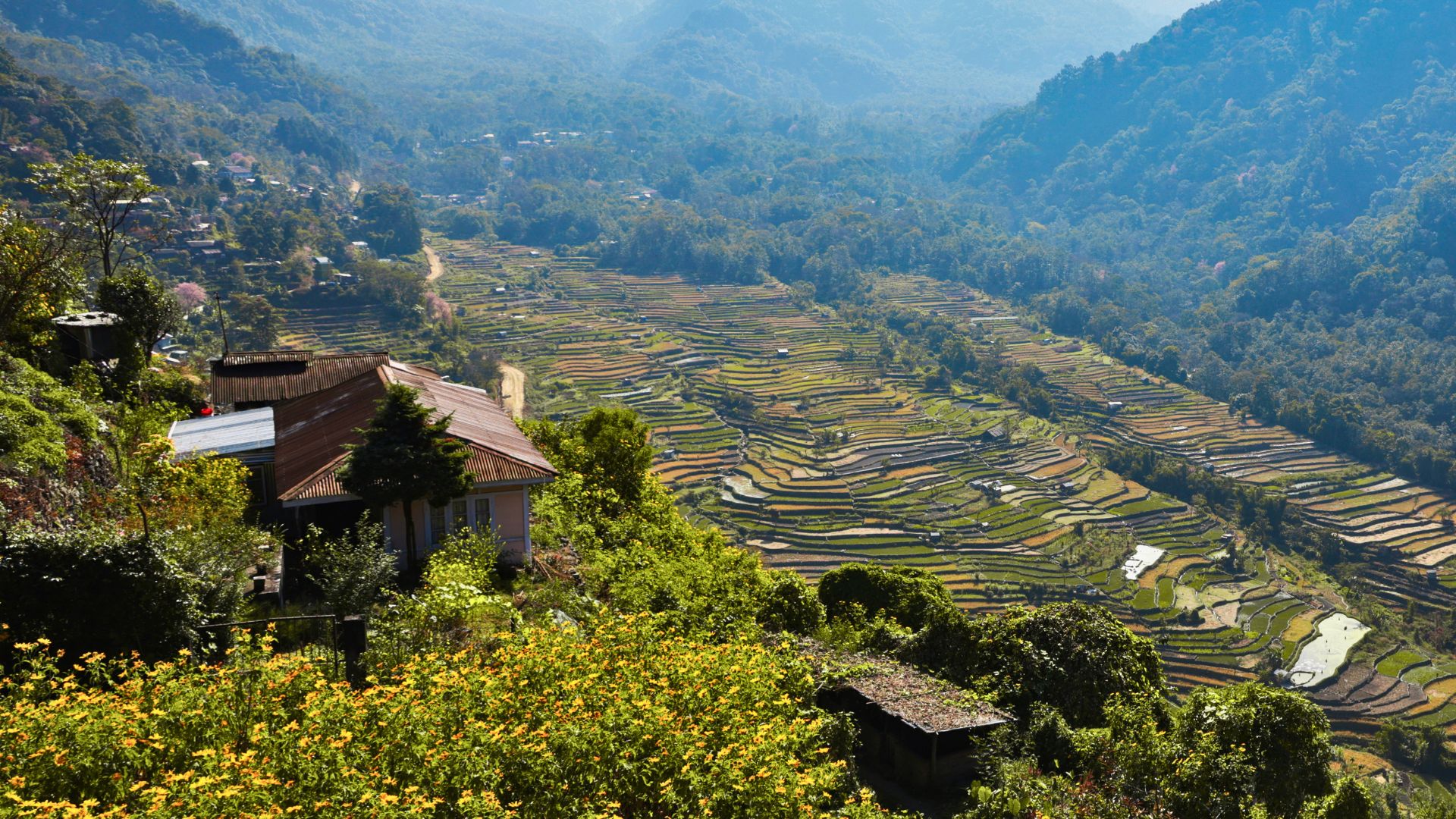
This journey takes you into the heart of the Angami homeland. Once known as formidable warriors, the Angami community built their lives around discipline, land stewardship, and close-knit village systems. Their terraced fields are remarkable feats of engineering, their skills reflect generations of craftsmanship, and their relationship with the forest is rooted in both reverence and responsibility. Much has changed with modern life, but the essence of these traditions remains beautifully alive.
Having travelled through these hills for nearly a decade, this journey has evolved gently over the years. The winter edition adds an extra day in an Angami village, allowing more time to slow down, wander, and settle into the rhythm of the Angami lifestyle rather than simply moving through it. It is a familiar journey, thoughtfully refined, retaining the places, people, and experiences that have made it special while creating a little more room to experience them.
Winter brings a very different character to Nagaland. The lushness of the monsoon gives way to a drier, quieter landscape, with quiet fields, bare ridgelines, crisp mornings and long, clear views.
Mist often settles into the valleys, wrapping the villages and forests in a soft, almost dreamlike stillness. There is something wonderfully cosy about this time of year, warming up over slow meals, sitting around fires, pulling on a jacket as the evening settles in, and watching the hills disappear into the winter haze. It may not be Nagaland at its greenest, but it is perhaps at its most intimate.
Over seven days and six nights, you will walk through heritage villages where memory sits in stone and wood, listen to stories of resistance and renewal, dine on organic produce grown in Asia’s first green village, wander through forests where the silence feels ancient, and trek to rolling valleys where winter light sweeps across endless ridgelines. The journey blends adventure with cultural immersion, allowing you to experience Nagaland not as an outsider looking in, but as a respectful guest welcomed into its living traditions.
This is not a complete story of Nagaland. No journey can ever claim to be.
It is simply one chapter that we have returned to for nearly a decade, and continue to find new reasons to come back to.
The trip starts at Dimapur Airport on Day 1, where the group assembles for departure, and ends at Dimapur Airport on Day 7. All airport transfers during the scheduled start and end of the trip are planned accordingly. Participants are advised to plan their flights in line with the recommended arrival and departure timings shared for this trip.
On Day 1, participants are required to arrive at Dimapur Airport by 11:55 AM at the latest. The group will depart from the airport an hour later. Any arrivals after this time – due to flight timings or delays – will need to reach the destination at their own expense.
If your flight timings do not align with this schedule, we highly recommend arriving a day prior.
For departure, return flights can be booked anytime after 12:00 PM on Day 7.
Please note that Dimapur Airport is the only designated pick-up and drop-off point for this trip. The vehicle will not stop at any other location. All participants must ensure they reach the airport before the scheduled departure time, as the trip will commence from there.
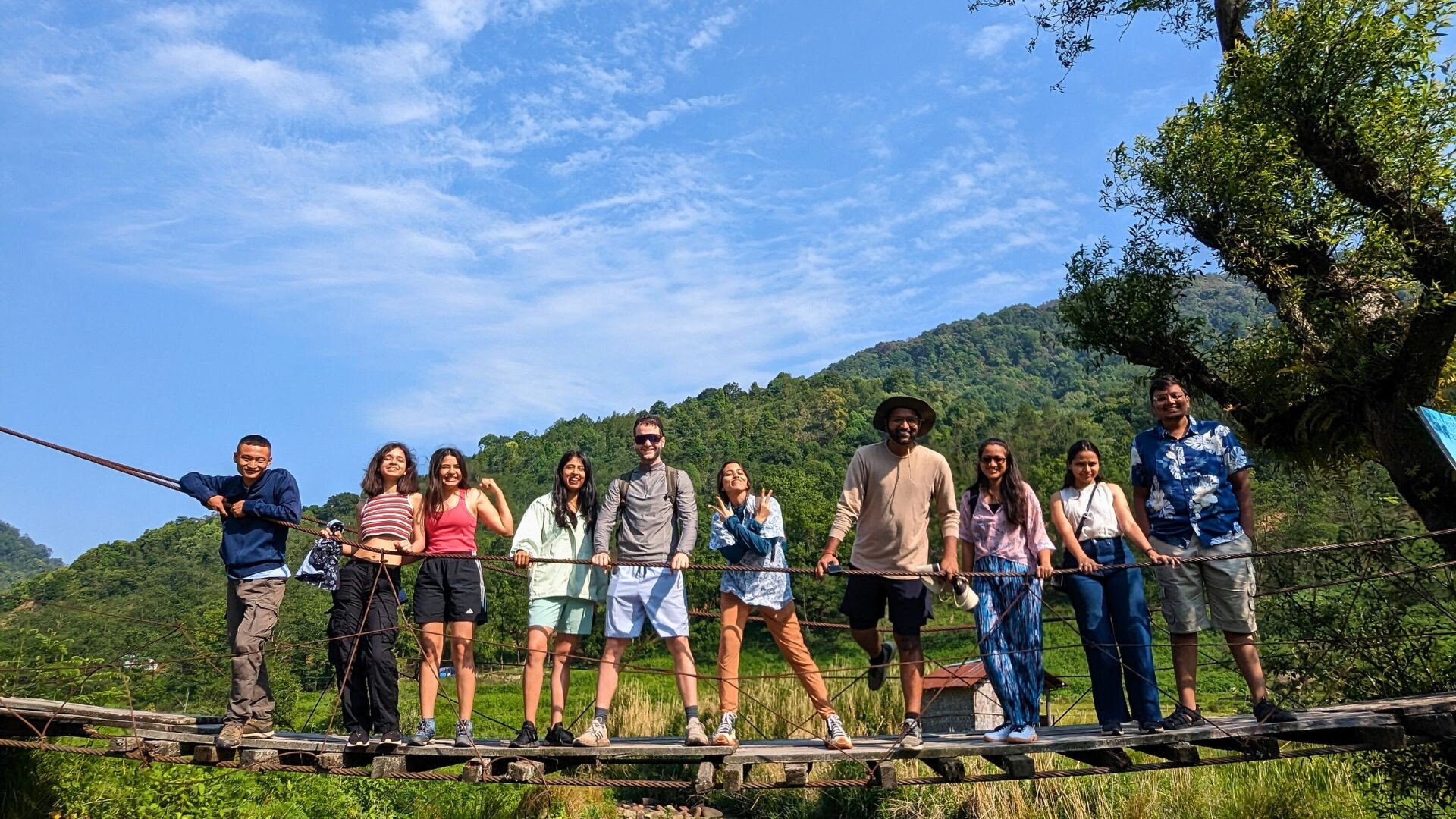
The ideal age range for this experience is 18-50 years. The average participant is around 30 years old, and the group atmosphere is generally young, social, and easy-going. Participants often enjoy spending time together beyond the day’s activities, whether over conversations, music, food, or a drink in the evening.
This trip is suitable for travellers with moderate fitness levels, with one physically demanding day during the Dzükou Valley trek as well as a cycling experience in Jakhama that requires active participation and stamina.
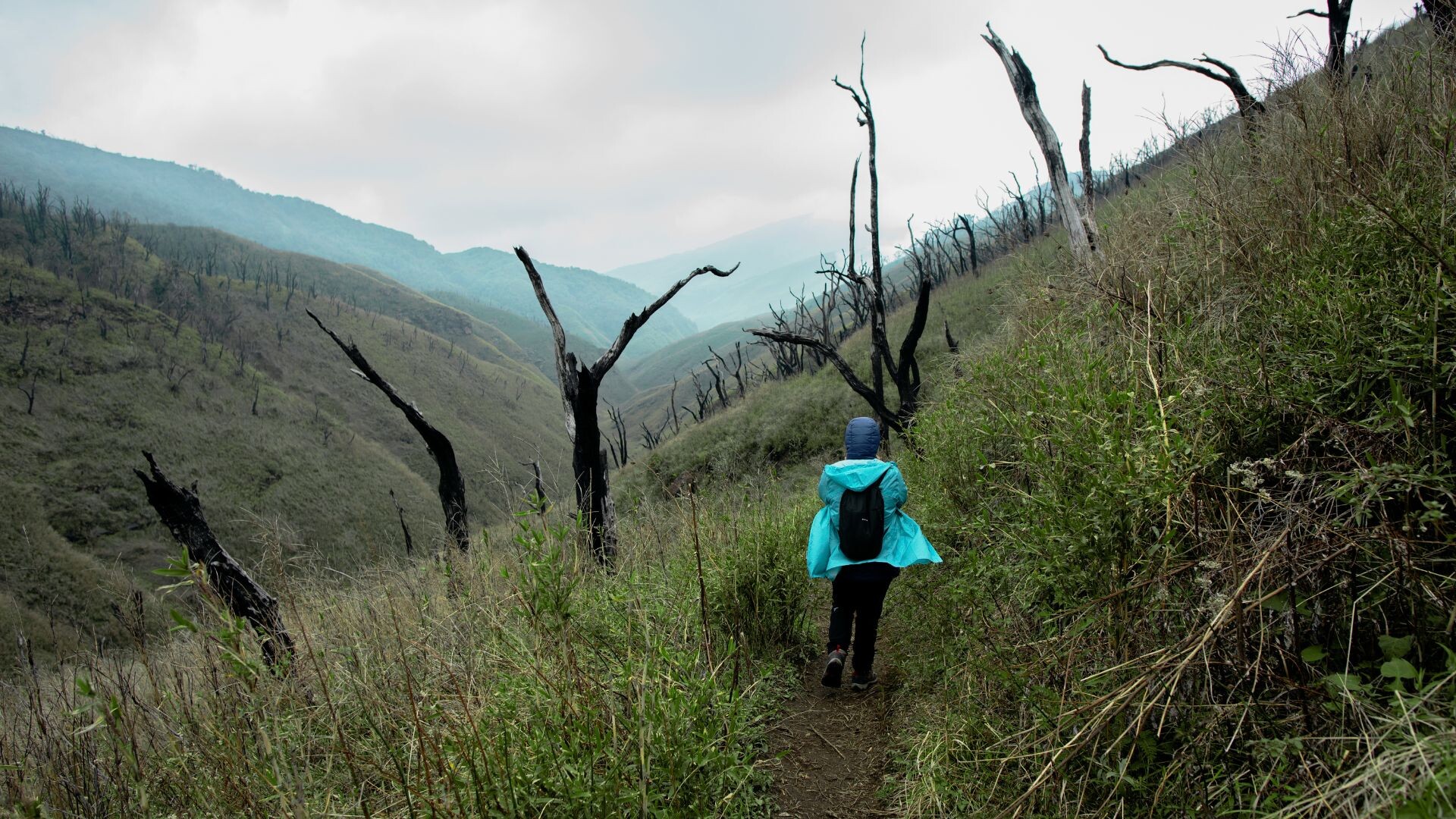
The Dzükou trek involves walking for about 5–6 hours each way on mountain trails, with long uphill and downhill sections. While it is not technical and does not require prior trekking experience, you should be comfortable with sustained walking, uneven terrain, and carrying a small daypack.
The Jakhama cycling experience is on simple, non-geared cycles, so there is no gear system to assist you on inclines. You should be comfortable actively pedalling for a sustained period, including on gentle uphill sections. It requires reasonable stamina and basic cycling fitness rather than just being a leisurely ride. One can even opt out of cycling experience by choice.
The remaining days involve walks in hilly regions with village walks, short hikes, and sightseeing at a relaxed pace. The villages are settled on a hill require stairs climbing, gradual ascent in some places and walking on some uneven terrain as well. If you are reasonably active, enjoy walking and cycling, and are open to a challenging but rewarding trekking day, you will be well-suited for this journey.
This trip may not be ideal for travellers with knee issues, very low stamina, or those uncomfortable with long walking or active cycling.
Rooms are shared on a double-sharing basis. In case you are a solo traveller, you will be paired up with another solo traveller of the same gender. Please note that almost all of the properties will have double-bedded rooms. Room categories are not uniform across all accommodations and can vary by property. The dormitory in Dzukou is shared by all trekkers.
Note: Room allocation is managed by the sales and reservations team based on gender and confirmed bookings.
We’ll be staying at simple homestays and a very basic dormitory throughout the trip. None of the properties on the trip are boutique or luxurious, but they are clean, comfortable, hygienic and vetted by our team.
In Khonoma and Dzuleke, guests should also be prepared for simple stays where attached washrooms may not always be available and shared washrooms may be used.
Accommodation in Jakhama will be a mix of A-Frame Cabins and Stone Cottages. The A-Frame Cabins come with shared washrooms, while the Stone Cottages have attached private washrooms.
Accommodation in Dzukou Valley is extremely basic and is currently the only available option in the valley. There is no electricity, and the washrooms are very basic, with Indian-style toilets. The dormitories do not have foam mattresses or bunk beds, so guests will need to sleep on the floor using the bedding provided. We strongly recommend coming prepared for a simple, no-frills overnight stay.
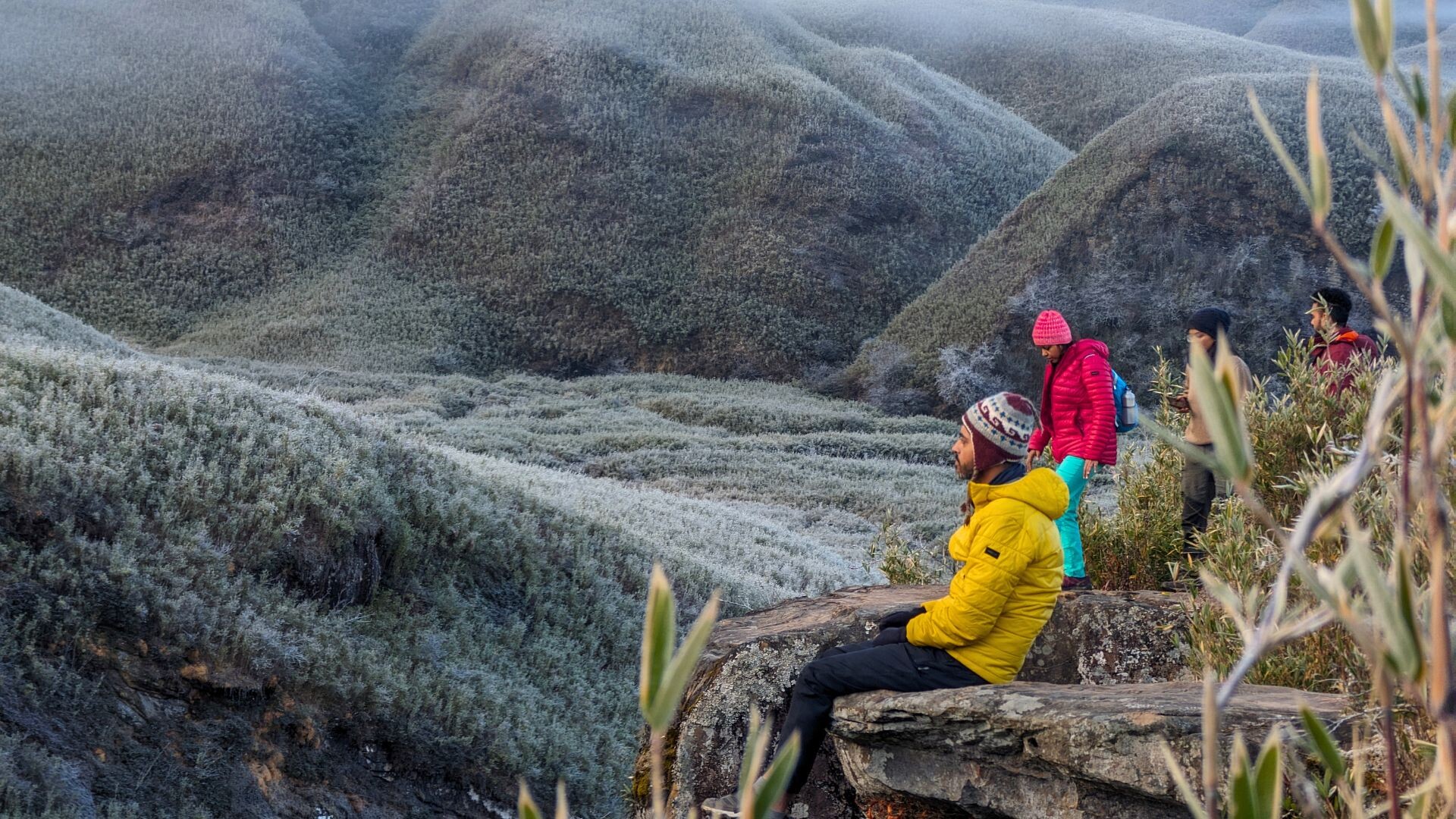
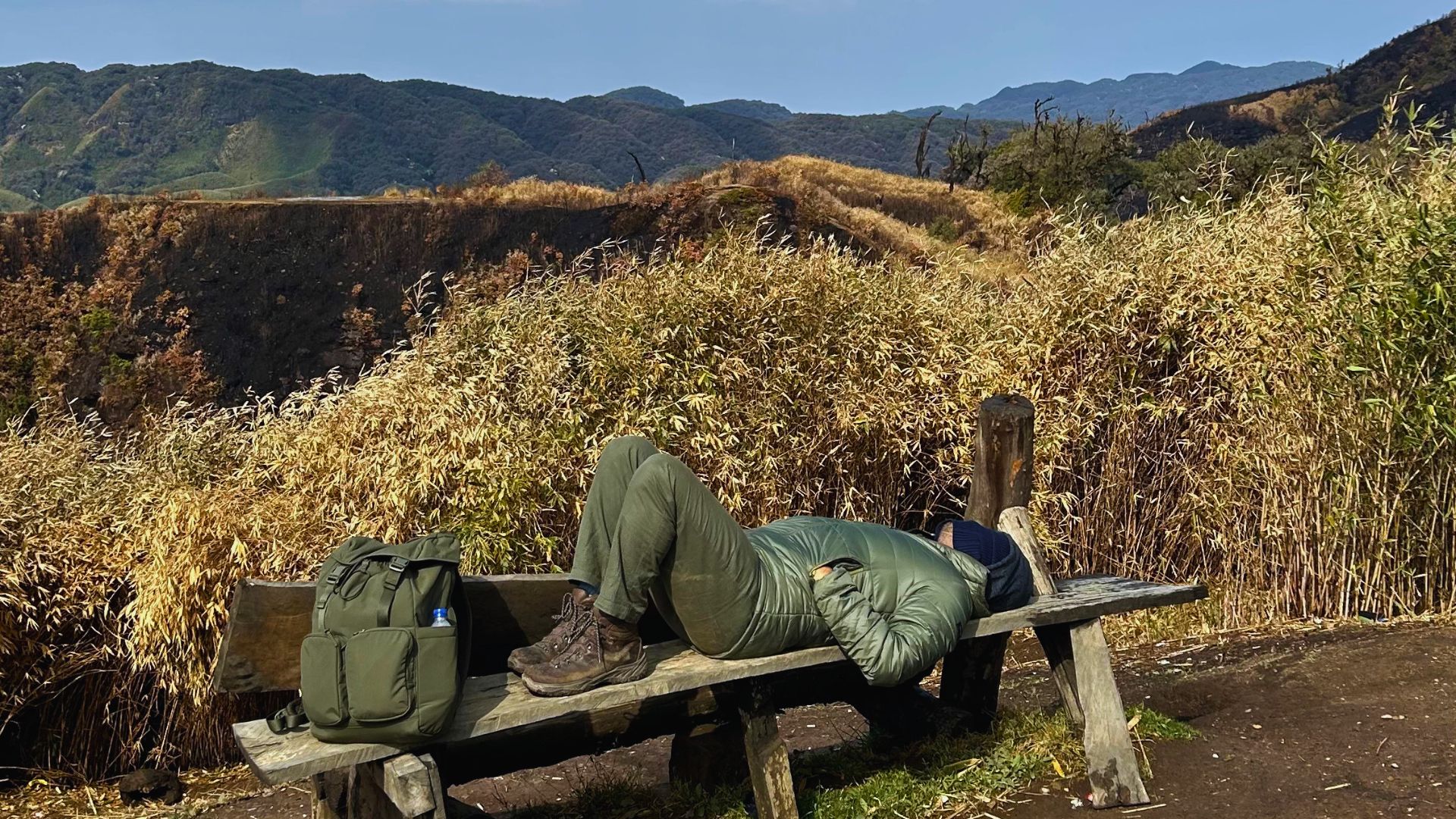
Winter offers a completely different way to experience Dzukou Valley. This is not the season for the valley’s famous flowers and Dzukou lilies. Instead, the landscape becomes quieter, barer and more dramatic, with frost often covering the valley in the early mornings and giving it a beautiful white, almost surreal appearance.
As the season progresses deeper into winter, particularly through February, temperatures can drop further, and the valley may occasionally receive snowfall. While snow is never guaranteed, when it arrives, it transforms Dzukou into an entirely different landscape.
This chapter in winter comes with its stillness rather than its flowers. Come for the crisp air, frosted mornings, mist drifting through the valley and the possibility of seeing the hills dressed in white.
Single occupancy requires an additional room and impacts overall group capacity. To maintain the experience quality and balance trip logistics, a limited number of single rooms are offered with a single-room supplement.
However, the accommodation in Dzukou will not have a single-sharing occupancy option.
It is important to note that booking flights before reserving a slot with us does not guarantee availability. In the event that we are sold out, we cannot be held responsible for any inconvenience caused.
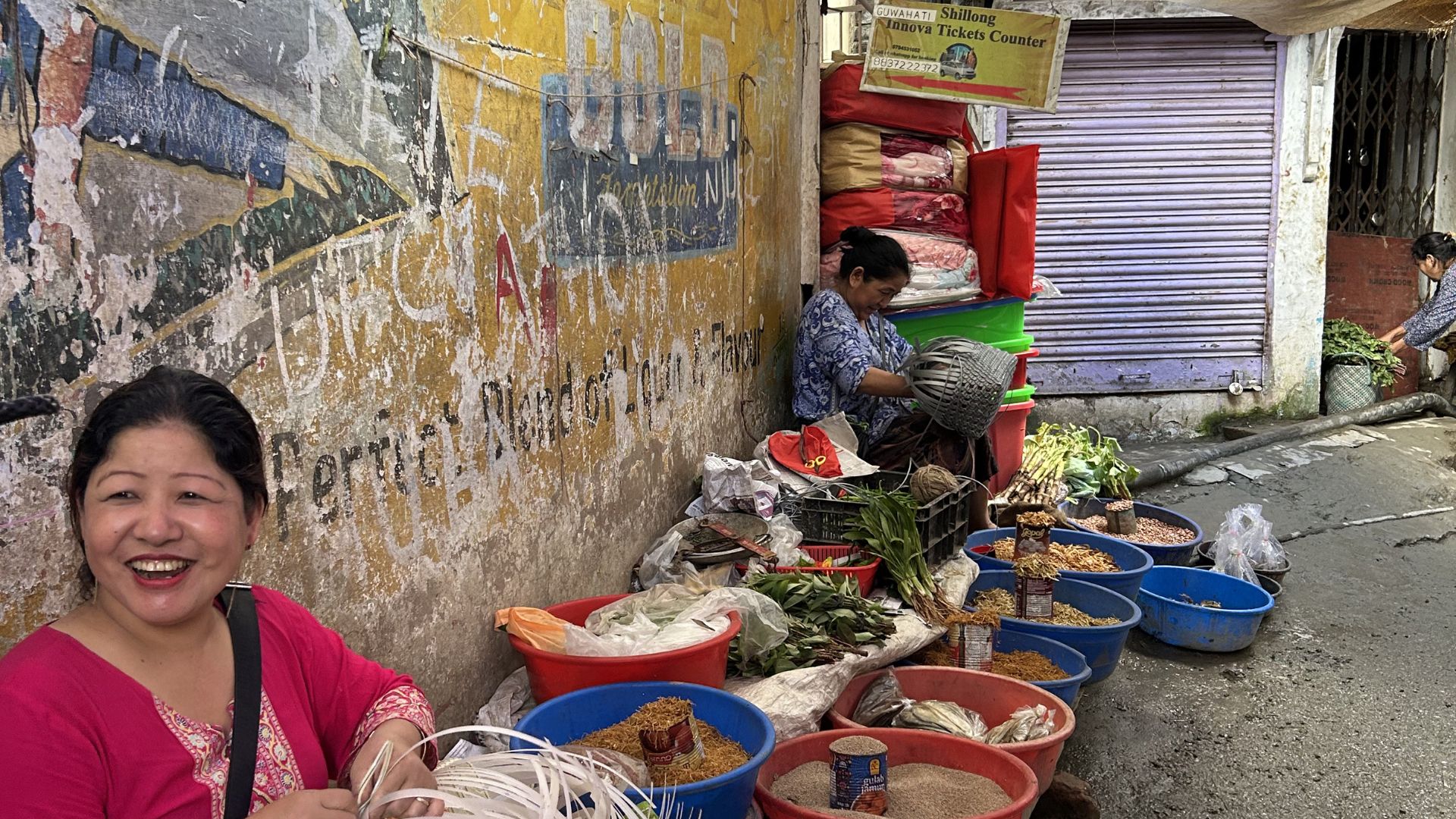
Food during the journey will vary depending on where you are. Kohima has a good selection of cafés and restaurants, with both local and familiar Indian options available.
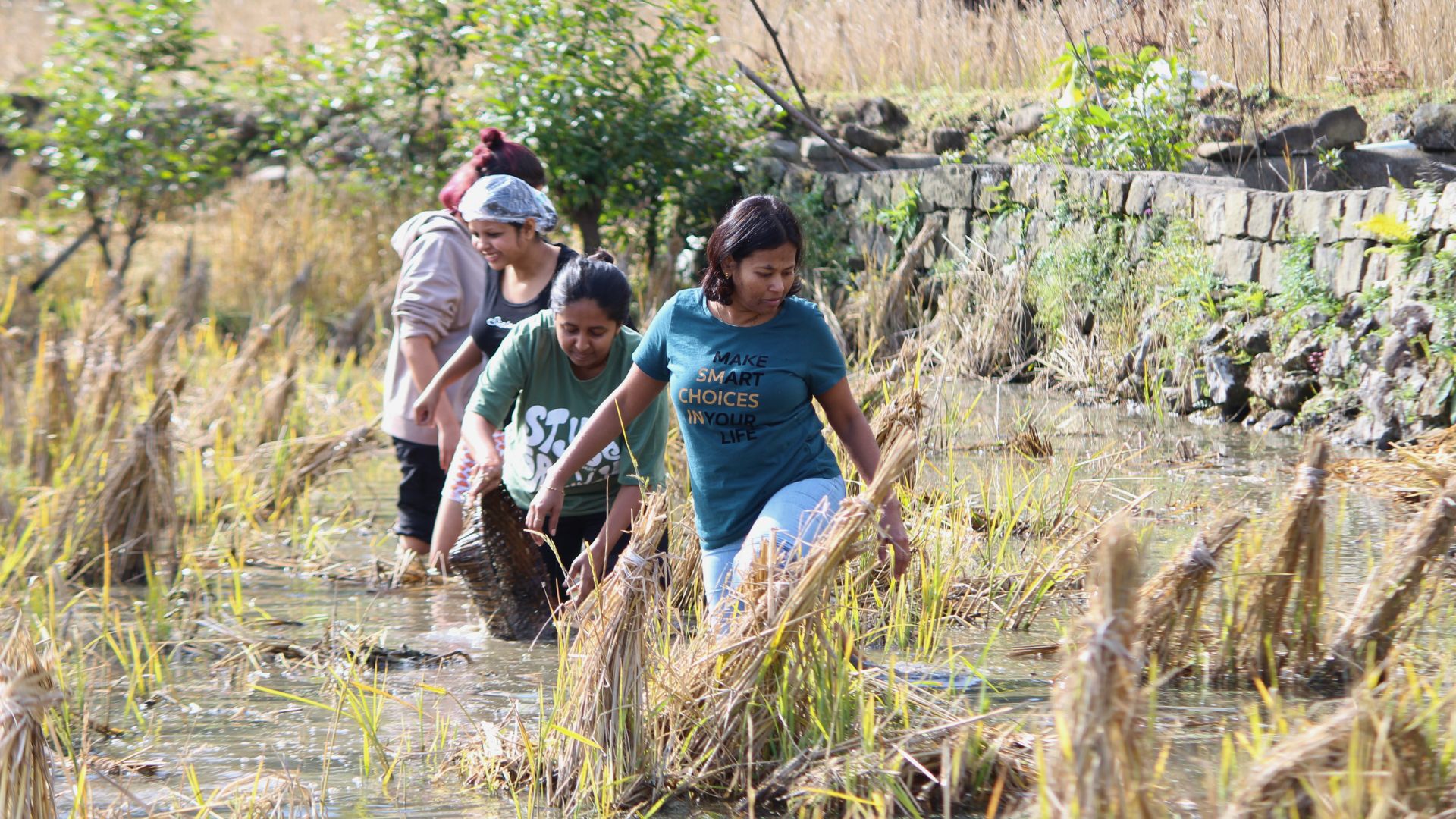
In Khonoma, Jakhama and Dzüleke, meals are simpler, wholesome, and locally prepared, giving you a taste of everyday Naga food and ingredients. These villages lack the options of a great variety but will win your hearts with worthy humble home-cooked meals. Jakhama has an experience that allows you to cook local Naga meals with the locals.
During the Dzükōu Valley trek, expect basic meals suited to the remoteness of the place.
Expect humble, simple rice-based meals throughout the trip. Meals throughout the journey typically include rice, dal, seasonal vegetables, meat preparations, and local accompaniments or whatever is available at the stays.
Vegetarian meals can be arranged throughout the trip with prior notice. However, options may be more limited and simpler in the villages and during the trek. We recommend keeping an open mind and enjoying the food as part of the experience.
While most of your expenses are covered in the trip cost, carrying up to 1000 per day should be sufficient for personal expenses. Please note that places like Khonoma, Dzuleke, and Dzukou Valley may not accept online payments, which can make transactions slightly inconvenient. Online payment options are easily available in Dimapur and Kohima.
You can also refer to the Exclusions section for a clearer idea of potential additional expenses.
Airtel and Jio work best in this region. However, network connectivity may be limited in areas like Khonoma and en route to Dzuleke, and there is no network coverage in Dzuleke and Dzukou Valley. Dimapur, Jakhama and Kohima generally have stable network connectivity.
Wi-Fi is not available in all the selected properties that you will be staying in.
We recommend informing family and colleagues in advance that you may be temporarily unreachable while exploring certain remote locations.
If suitable flights to Dimapur are unavailable, guests can fly into Guwahati a day earlier and travel to Dimapur by train the following morning or overnight.
Two possible train options are:
Jan Shatabdi Express (12067)
Guwahati-Ledo Intercity Express (15603)
Guests choosing this option should plan their arrival so they reach Dimapur before the scheduled group departure. Train timings are subject to change, so we recommend reconfirming the schedule before booking.
February is still proper winter in Nagaland, with dry, crisp days and cold mornings and nights. Kohima and Khonoma usually see daytime temperatures around 17-19°C, dropping to 5-8°C at night. Jakhama and Dzuleke can feel colder, especially after sunset.
Dzükou Valley is the coldest part of the trip. In February, nights and early mornings can come close to 0°C, with frost common on colder days and a rare chance of snowfall.
By March, days become warmer, with Kohima and Khonoma around 20-22°C during the day and 9-11°C at night. Jakhama and Dzuleke remain cool, while Dzükou is still cold after sunset.
March also marks the transition towards wetter weather, so occasional rain and sudden showers become more likely. Trails are generally drier than during the monsoon but can still turn slippery after rain or frost.
Mountain weather can change quickly, so come prepared with layers, a warm jacket, rain protection and good trekking shoes.
Weather in the mountains can still change quickly, and occasional rain, strong winds, or colder-than-expected conditions are possible. Come prepared for cold mornings and nights, layered clothing, and changing mountain weather throughout the journey.
With ongoing climate shifts, weather patterns have become increasingly erratic, making precise predictions difficult, even for locals. Guests are advised to be prepared for changing conditions throughout the journey.
A 60-litre backpack is ideal for this trip. Suitcases are also acceptable; however, you will need a separate daypack for the Dzükoü Valley trek, as the rest of your luggage will be stored at Jakhama while you explore the valley. Once your booking is confirmed, a detailed Things to Carry list, curated for the season, will be shared with you.
Yes. All the activities and explorations will be led by knowledgeable local guides. You will also be accompanied by a ChaloHoppo Trip Leader throughout the journey to ensure a smooth and well-coordinated experience.
Jakhama is designed to be slow and unhurried. The experiences mentioned in the itinerary are meant as a flow rather than a fixed schedule, so the day may not unfold exactly in the same order or at the same time as shown in the deck.
Your Trip Leader will take the call based on the group, the weather and how the day is progressing. There is space to linger, take breaks and spend more time where you feel like it. The idea is to experience Jakhama at its own pace, rather than rush through a checklist.
The Northeast sits much further east than the rest of India. Geographically, it even lies east of Bangladesh, but follows the same Indian Standard Time (IST) as the rest of the country. This means the sun rises and sets earlier here than you might expect.
In winter, daylight hours are shorter, and sunset can be as early as 4:30 PM, sometimes even earlier depending on where you are. In higher altitude areas such as Dzukou, the sun can disappear behind the surrounding mountains as early as 3:30 PM.
This is an important part of travelling in the Northeast during winter. Most outdoor activities are therefore planned around daylight, and there are generally no activities scheduled after sunset, unless you are in a city. Evenings are meant to be slower. Returning to camp or your stay, warming up by a fire, sharing a meal, enjoying conversations, or simply settling into the quiet of the hills.
So, do not be surprised when the day seems to end early. In the Northeast, winter simply asks you to slow down a little sooner.
Northeast India experiences shorter daylight hours as we move from autumn into winter. From November through February, sunrise can be as early as around 5:30 AM, while sunset can be around 4:30 PM, depending on the state, location and month. This gives us roughly 10 hours of daylight.
Because daylight is limited, we may start early on certain days to make the most of the available time, particularly when longer hikes, outdoor activities or transit are planned.
Morning fog, mist and cloud cover can also reduce visibility, especially around hills, forests and valleys. This may occasionally influence when we begin an activity or start moving for the day.
Winter travel in the Northeast is therefore best approached with some flexibility. Our schedules are planned around daylight, weather and local conditions, rather than following a rigid timetable.
The Dimapur–Kohima stretch has several potholed and under-repair sections, so delays are possible. Ongoing highway and slope-protection works are also being carried out along parts of this route.
As we move towards Khonoma, Dzuleke and Jakhama, the roads become narrower and more typical of mountain and village roads, with a mix of paved and rough sections. Some road-improvement work is ongoing around the Khonoma side as well.
For the Dzukou Valley trek, we drive from Jakhama towards the Viswema trek starting point. The final approach is rougher and is usually covered in a local vehicle suitable for the terrain. The trek continues on foot from there.
Winter is generally the drier travel season, but road conditions can still change due to maintenance, local construction or unexpected weather. This becomes especially relevant for our March departure, when occasional rain can make some stretches slippery.
We need a minimum of 4 travellers to run the departure. If we’re below that number, we’ll let you know well in advance, keeping our vendor cancellation timelines in mind. Just to be safe, we recommend booking refundable or flexible flight tickets wherever possible.
Absolutely. We recommend carrying a few light, ready-to-eat snacks such as energy bars, dry fruits, or trail mix. These can be especially useful during drives, hikes, or whenever meal timings get delayed.
To comply with the latest guidelines set by the Government of Nagaland, ILP applications must now be completed by the individual traveller through a system that requires a live photo capture. As third parties are no longer permitted to apply on behalf of travellers, the ILP cannot be bundled as part of a travel package.
Applying for the permit is a simple online process. Travellers can visit the official ILP portal of the Government of Nagaland at https://ilp.nagaland.gov.in and follow these steps:
Once approved, the permit will be issued digitally and can be downloaded from the Portal.
If you have extra days, here are some great add-ons based on your time:
We’re happy to curate a seamless extension based on your time and interests.