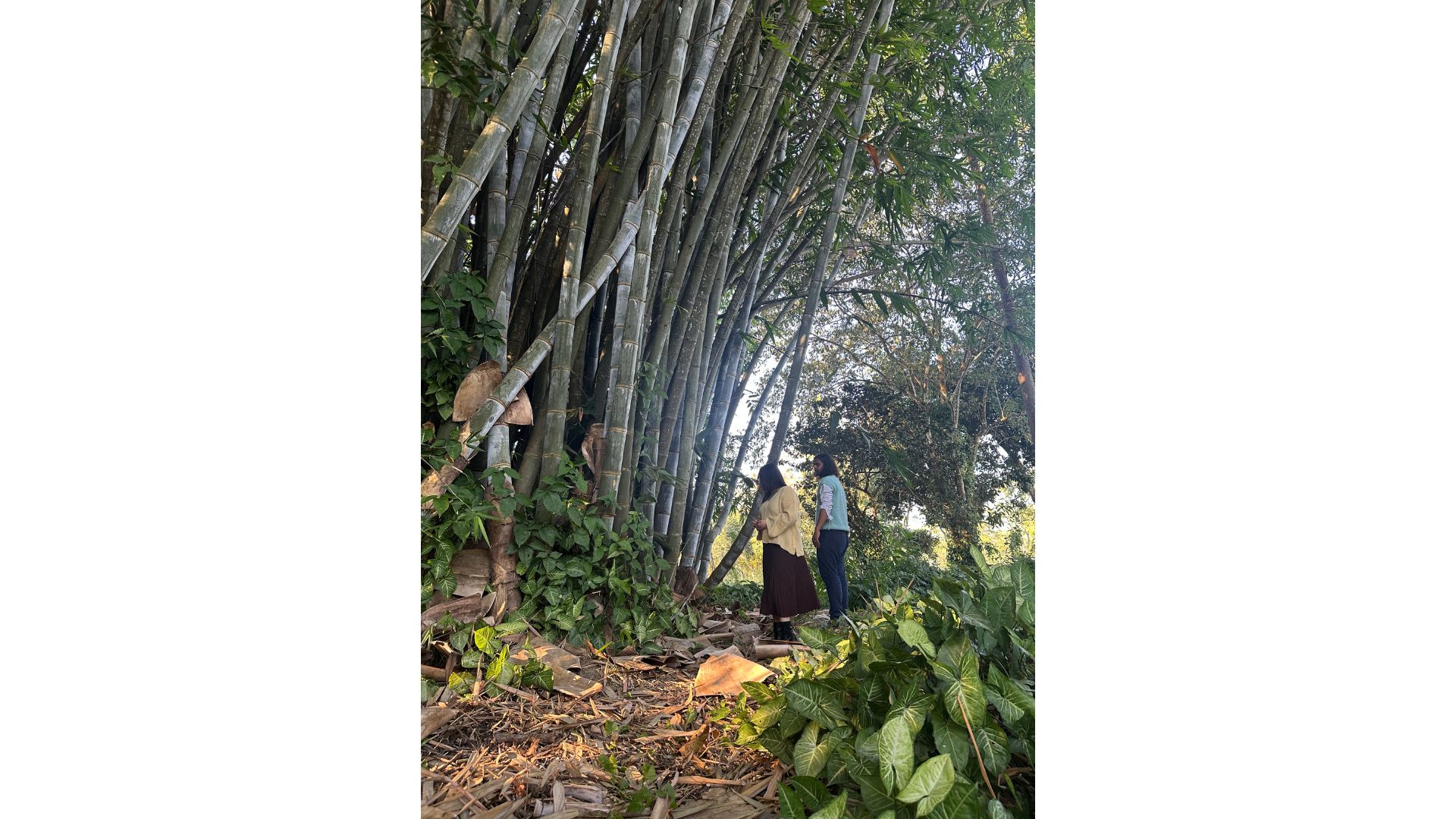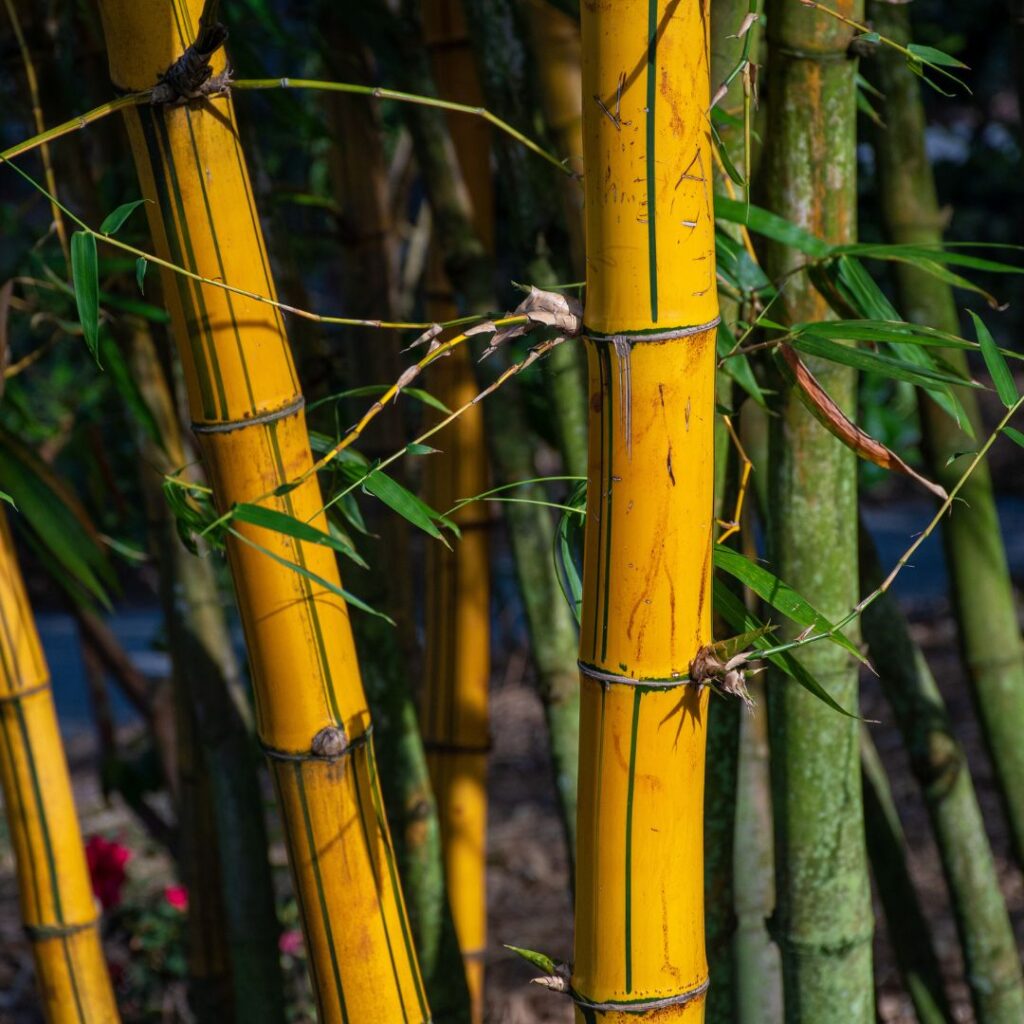
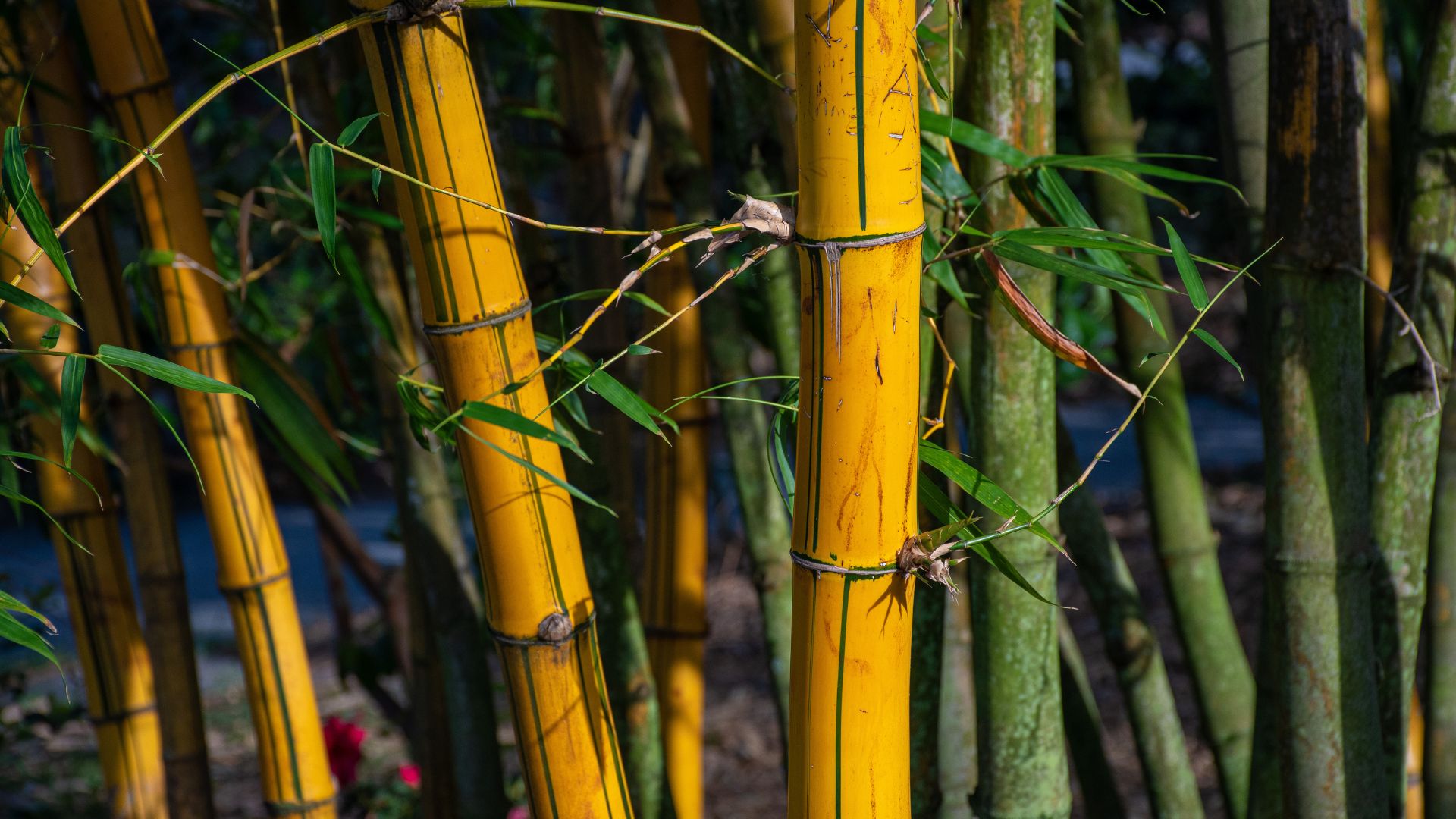
The first thing you notice about bamboo in the Northeast is not its presence, but how long it takes you to notice it at all. It doesn’t announce itself like a monument or demand attention like a skyline. It lingers instead…at the edge of roads, behind homes, along riverbanks. Travel long enough through Assam’s floodplains or the hill roads of Nagaland and Mizoram, and a pattern begins to emerge. The same material, moving between forests and homes, sways in dense green clusters outside a village reappears, reworked, inside it—holding up roofs, shaping walls, woven into baskets slung across shoulders, steaming quietly over kitchen fires.
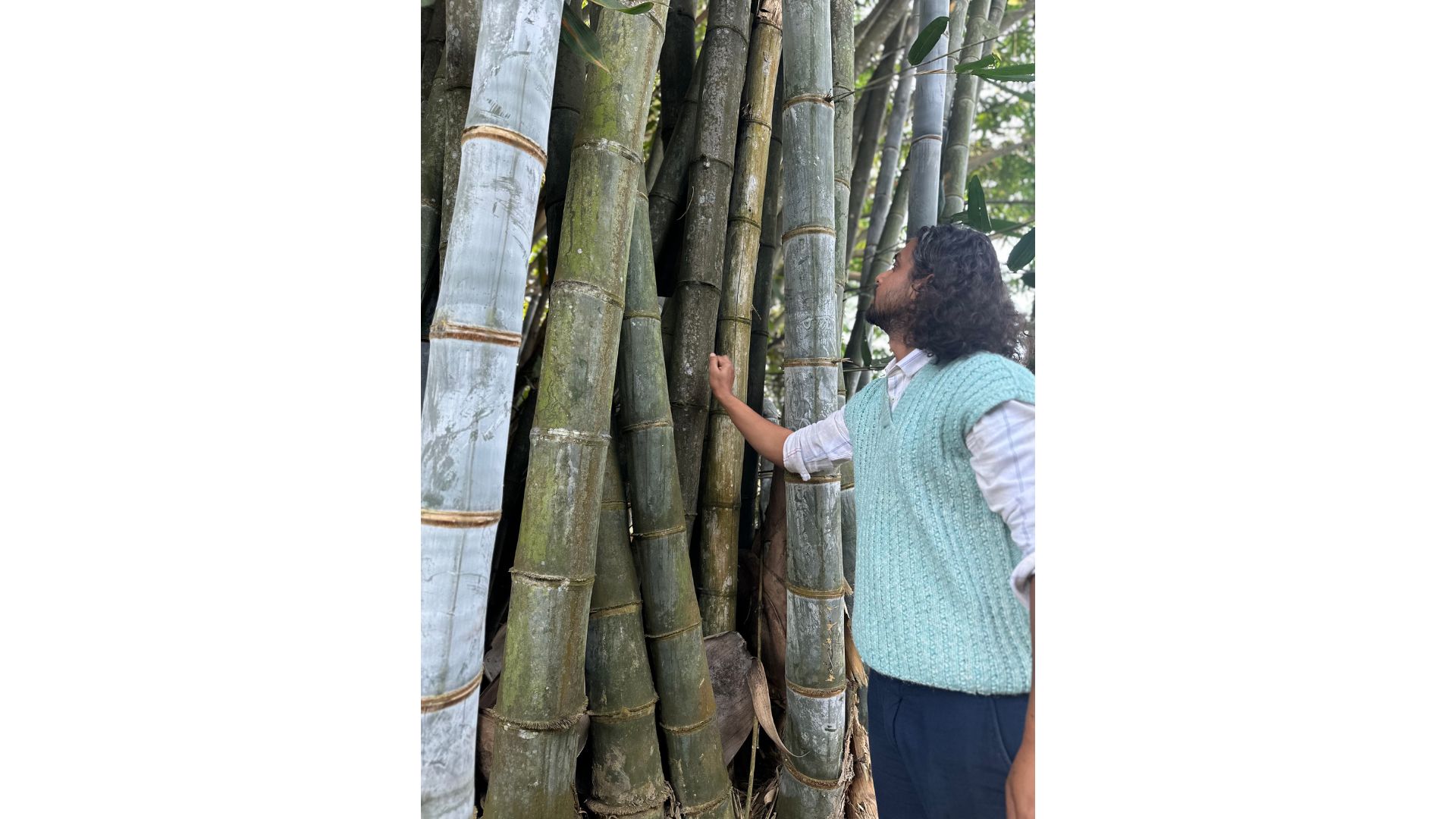
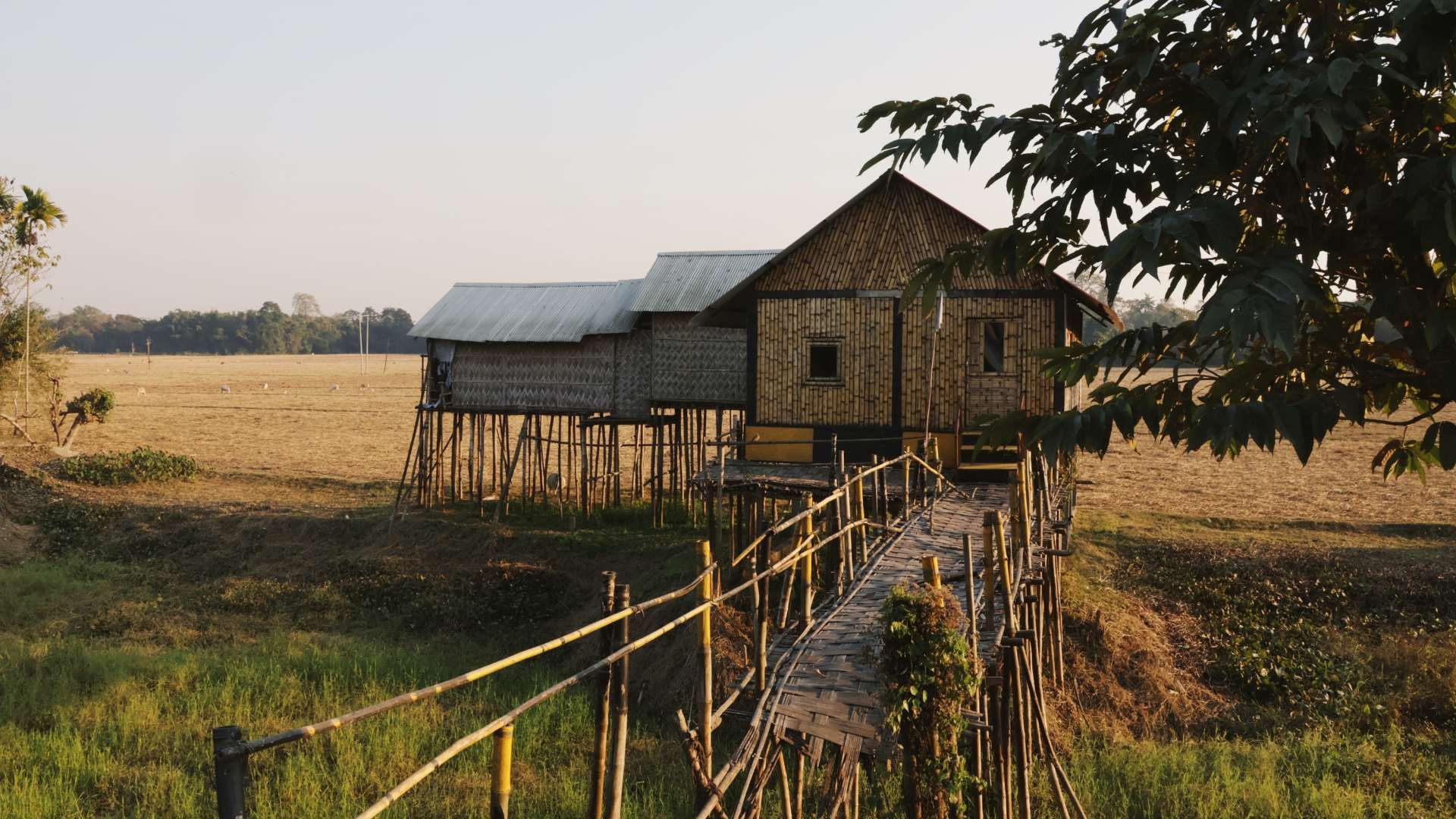
In the Northeast, bamboo operates as a primary material of everyday infrastructure—valued for its strength-to-weight ratio, flexibility, and local availability. It is widely used in house-building (especially in stilted structures suited to high rainfall), fencing, and the making of tools and agricultural implements. Its tensile strength allows it to function in load-bearing contexts, while its ease of splitting and shaping makes it ideal for woven forms such as baskets, mats, and storage containers. Even small-scale bridges and walkways, particularly in rural and hilly areas, are often constructed from bamboo, reflecting both material efficiency and environmental adaptability.
Its role extends into domestic and culinary practices as well. Bamboo shoots are a common dietary component across the region, consumed fresh, dried, or fermented, with preparation methods varying by community. Bamboo is also used as a cooking medium—rice, fish, or meat is often steamed or roasted inside hollow bamboo tubes, which impart a distinct flavor while serving as a biodegradable vessel. From structural uses to food practices, bamboo shapes a wide range of daily objects and routines, functioning not as a specialized material but as an embedded, multifunctional resource in everyday life.
If you travel long enough through the Northeast, you will begin to notice a pattern in how homes rise from the ground. They don’t sit heavily on the land. They lift, breathe, and adapt. Look closer, and you’ll see that much of this architecture is held together not by concrete or steel, but by bamboo, where it is cut, split, and assembled with a precision that feels almost intuitive. In flood-prone plains and earthquake-sensitive hills, bamboo becomes an intelligent response: houses on stilts, flexible frames, and joinery systems that rely not on nails, but on binding, slotting, and interlocking, allowing structures to shift rather than fracture.
In colonial accounts of the Northeast, bamboo was often framed as a “native” material—useful but inferior, associated with impermanence when compared to brick and stone. British officials frequently described bamboo houses as temporary, overlooking how their flexibility actually responded to floods, earthquakes, and shifting landscapes. Yet, in practice, colonial systems relied heavily on bamboo for tea plantation infrastructure, scaffolding, and transport in difficult terrains. Today, that perception has sharply shifted: what was once dismissed as makeshift is now valued as sustainable and climate-responsive, with traditional bamboo architecture and joinery informing contemporary design, eco-resorts, and global conversations on resilient materials.
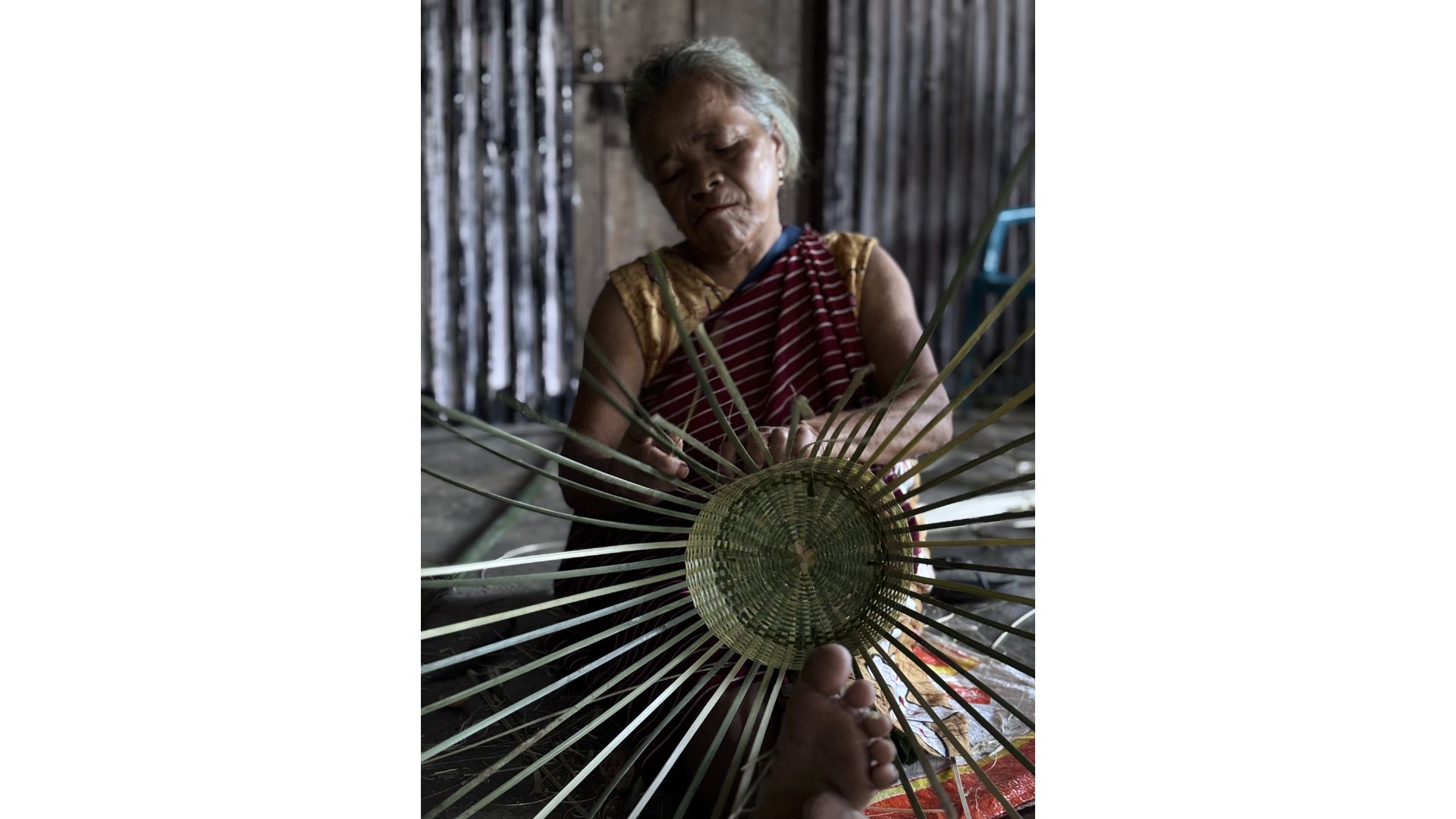
The same material extends into craft, where its transformation is both technical and cultural. Across tribes, bamboo is worked into baskets, mats, fishing traps, and musical instruments—each form refined over generations to suit specific needs.
For a traveller, what may first appear as simple, everyday objects gradually reveals itself as a highly evolved design language. Patterns, weaves, and proportions are not arbitrary; they carry memory, utility, and identity.
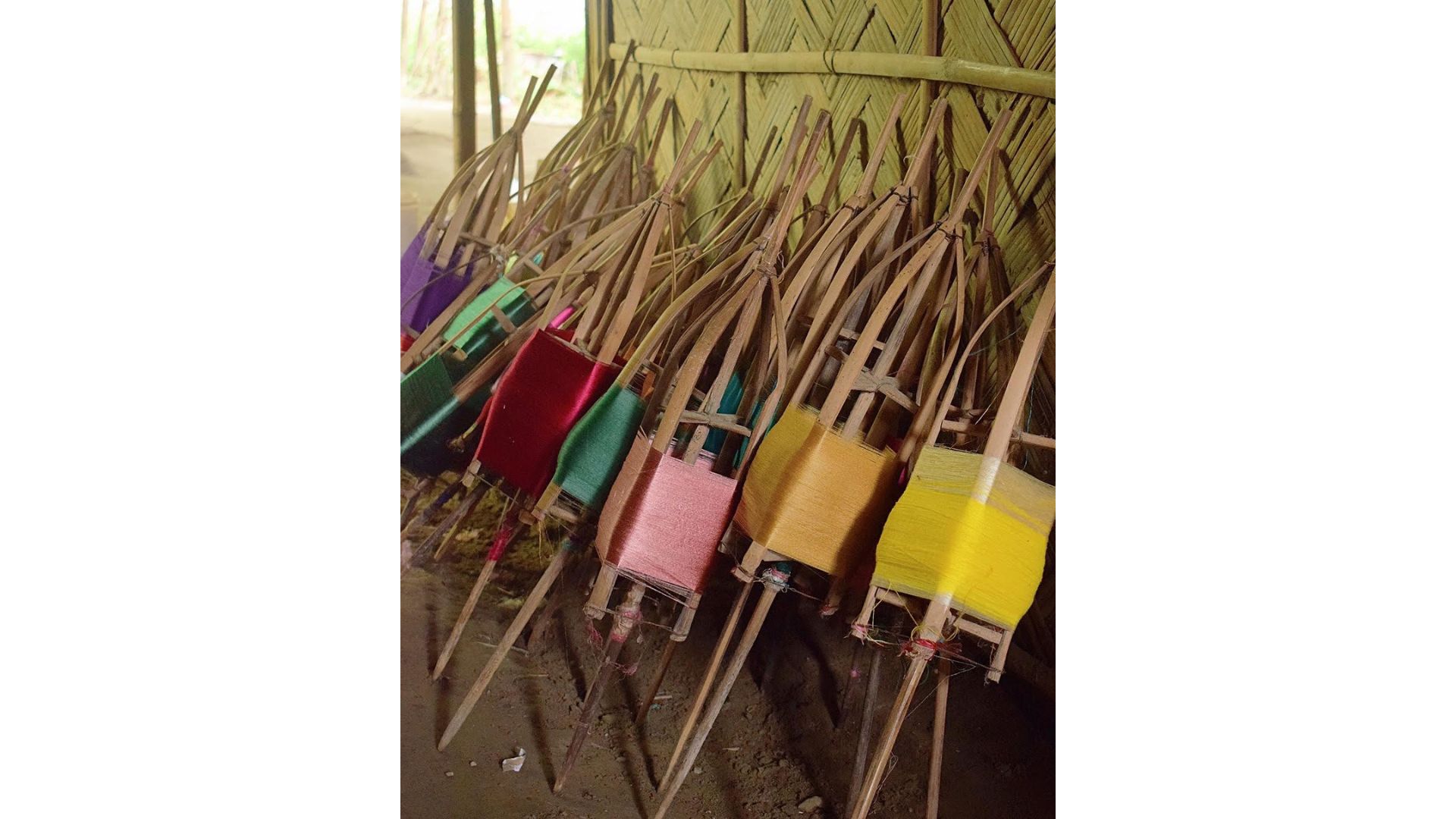
Textiles offer another way to see how materials, technique and identity take very different forms across communities in the region.
You may not expect it at first, but bamboo in the Northeast is as much a culinary presence as it is a structural one. Across the region, bamboo shoots are widely used in everyday cooking, added to curries, paired with meats, or preserved as pickles. Their taste shifts with preparation: fresh shoots carry a sharp, vegetal note, while drying or cooking softens and deepens the flavor.
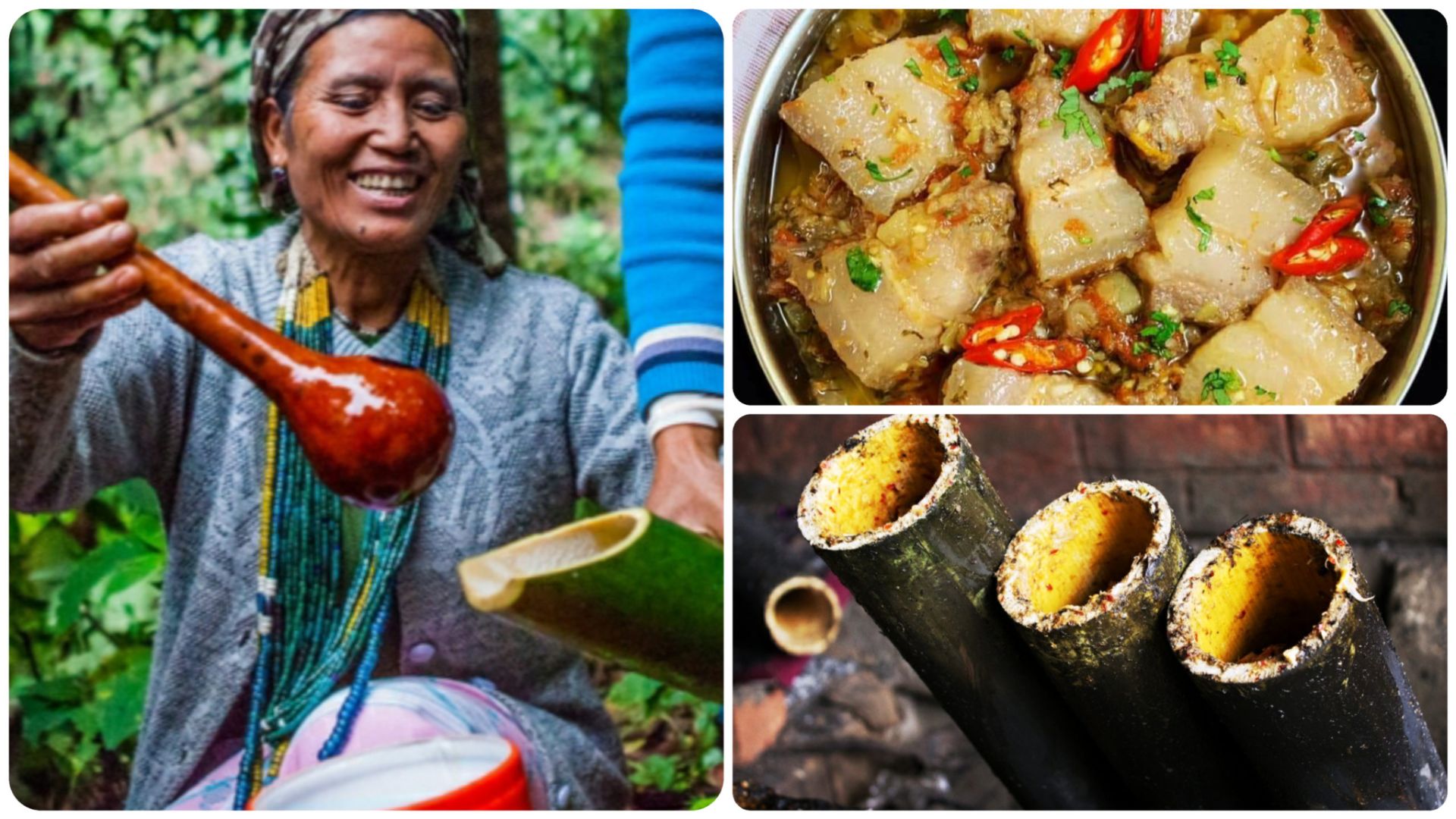
Fermentation introduces another layer of complexity, and it is here that regional diversity becomes most visible. Communities across Assam, Nagaland, Manipur, Mizoram, and Tripura prepare fermented bamboo in distinct ways, resulting in a range of flavors from mild to intensely pungent. These practices are closely tied to seasonality and local food systems, with bamboo harvested, processed, and stored according to climatic cycles. In this sense, bamboo-based foods function not just as nourishment, but as expressions of cultural identity and ecological timing.
Bamboo shoots sit within a much wider food system of seasonal ingredients, preservation and fermentation practices that vary considerably between communities.
Long before bamboo was framed as a “sustainable material,” it was already part of a lived system of knowledge in the Northeast. Its use is guided by an understanding of timing, treatment, and technique—when a culm is mature enough to cut, how it should be cured to last, and what form it is best suited for. These decisions are shaped by generations of observation and practice, creating a relationship where bamboo is not simply extracted, but carefully managed within natural cycles.
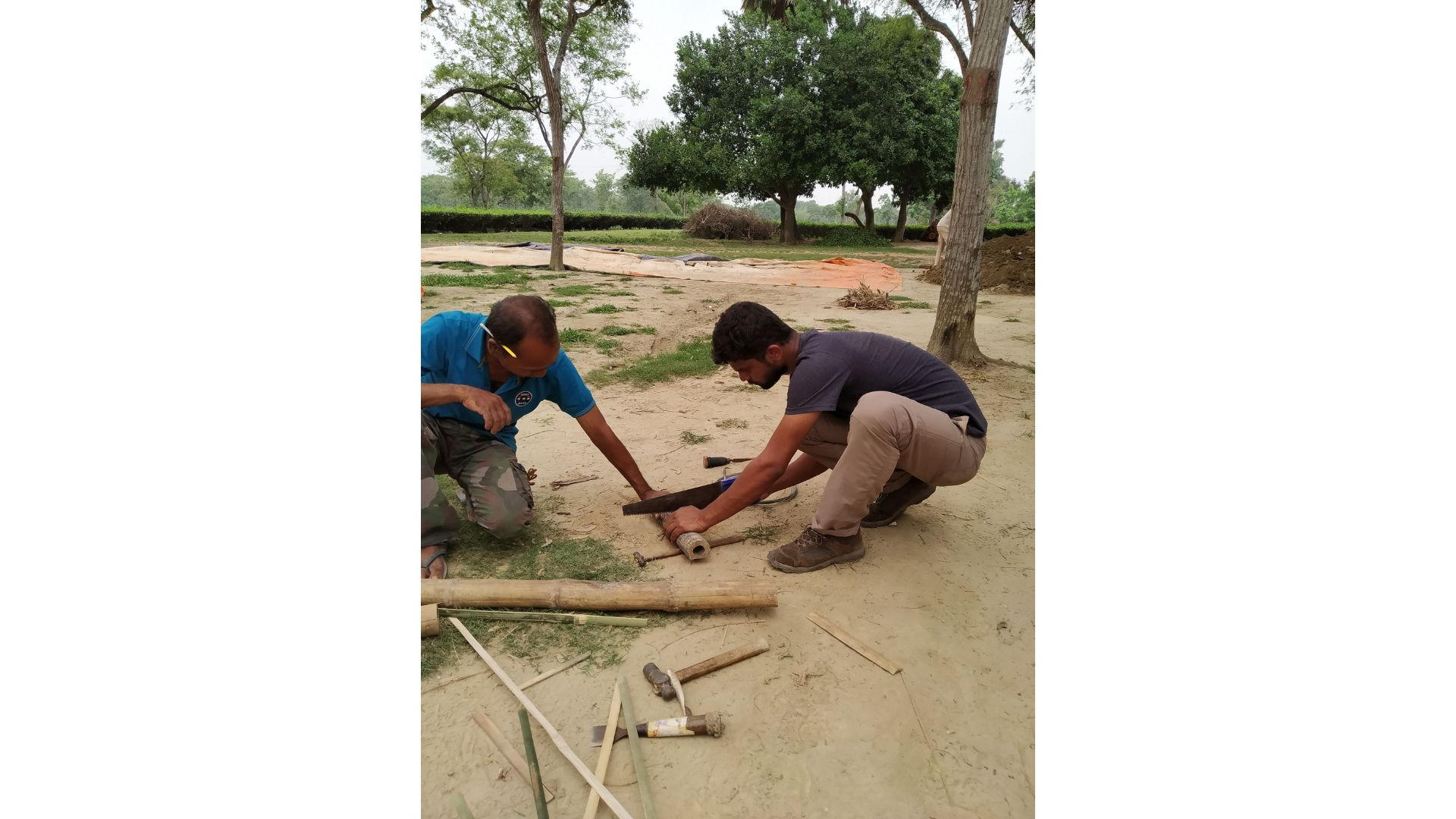
From this knowledge base emerges an entire economic ecosystem. Bamboo crafts—baskets, mats, tools, and everyday objects—circulate through local markets, supporting livelihoods that are often small-scale and community-driven. This decentralized economy is reinforced by bamboo’s ecological advantages: it grows quickly, regenerates easily, and requires minimal processing. In a region marked by environmental variability, it also plays a stabilizing role—binding soil, withstanding floods, and adapting to changing conditions. What results is not just a resource economy, but an integrated system where material, knowledge, and sustainability are tightly interwoven.
At some point in your journey, bamboo stops feeling like a detail and starts feeling like a presence. It’s in the way homes are built, meals are prepared, spaces are shaped—not loudly, but consistently. And in that consistency, it begins to mirror the people around it: adaptive, grounded, making do without excess, and enduring without spectacle.
What lies ahead for bamboo in the Northeast is not just about innovation or preservation, but about balance—holding on to what works while allowing it to evolve. For a traveller, the takeaway is simple but lasting: pay attention to what seems ordinary. Because here, in something as unassuming as bamboo, is a way of living that is resourceful, responsive, and deeply in tune with its environment. It doesn’t ask to be admired. It asks to be understood.