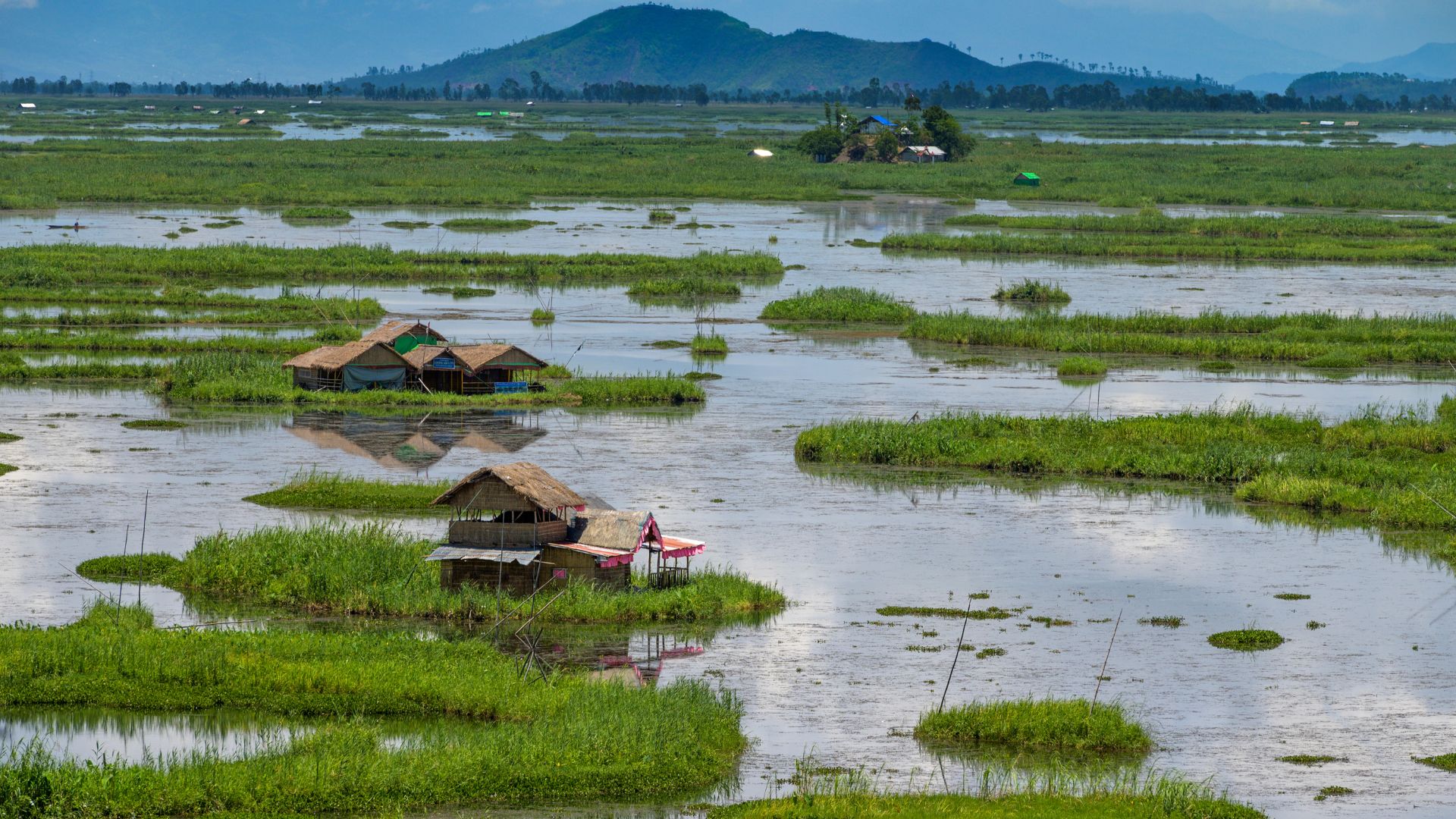
For travellers, Manipur is often introduced through its lush valleys, floating lakes, and vibrant festivals. But beneath this scenic surface lies a deeply layered past that shapes everything from daily rituals to political identity. Anthropologically, Manipur is best understood as a crossroads of cultures: a meeting point where South Asia and Southeast Asia have exchanged ideas, goods, and beliefs for centuries.
Situated along historic trade routes and bordering present-day Myanmar, Manipur has long been a strategic corridor linking the Indian subcontinent with Southeast Asia. Its history unfolds across distinct yet overlapping phases, mythological origins, early kingdoms, colonial encounters, and modern political transformations—each leaving traces that travellers can still witness today.
Manipur’s past begins not with fixed dates or written records, but with a dense tapestry of myth, cosmology, and inherited memory that continues to shape life in the region. At the center of these early narratives is Sanamahi, an indigenous household deity associated with creation, protection, and the moral order of the world. Unlike distant, institutionalized gods, Sanamahi is intimately present—traditionally worshipped within the home—reflecting a worldview where the sacred is embedded in everyday life.
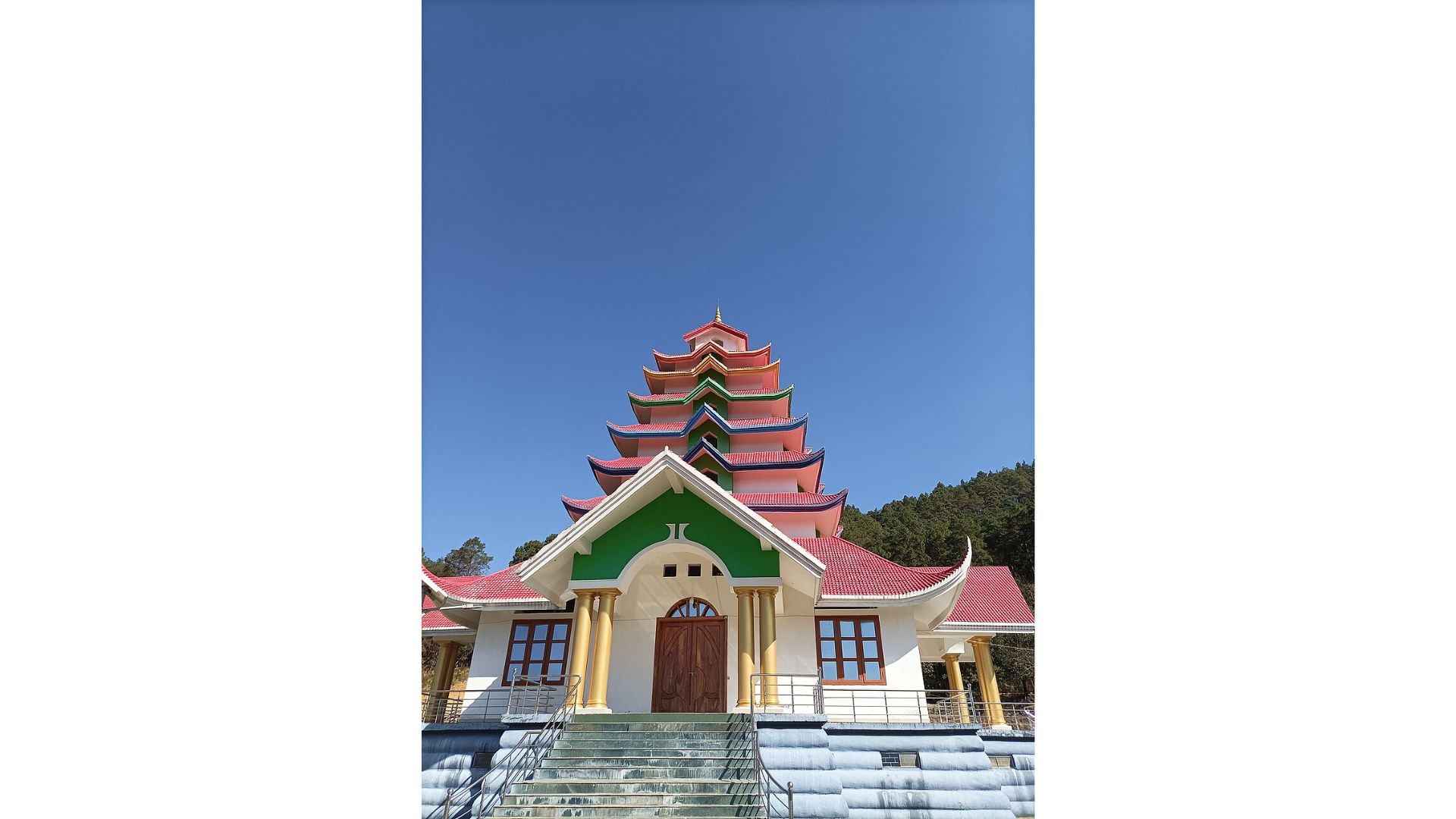
Alongside Sanamahi stands Pakhangba, a serpent-dragon deity symbolizing kingship, transformation, and cosmic balance. Pakhangba’s presence extends beyond mythology into political and cultural symbolism, historically legitimizing rulers and representing the cyclical nature of power and time in Manipuri thought. Together, these figures anchor a belief system that is not only spiritual but also deeply social, offering a framework through which the world is understood and organized.
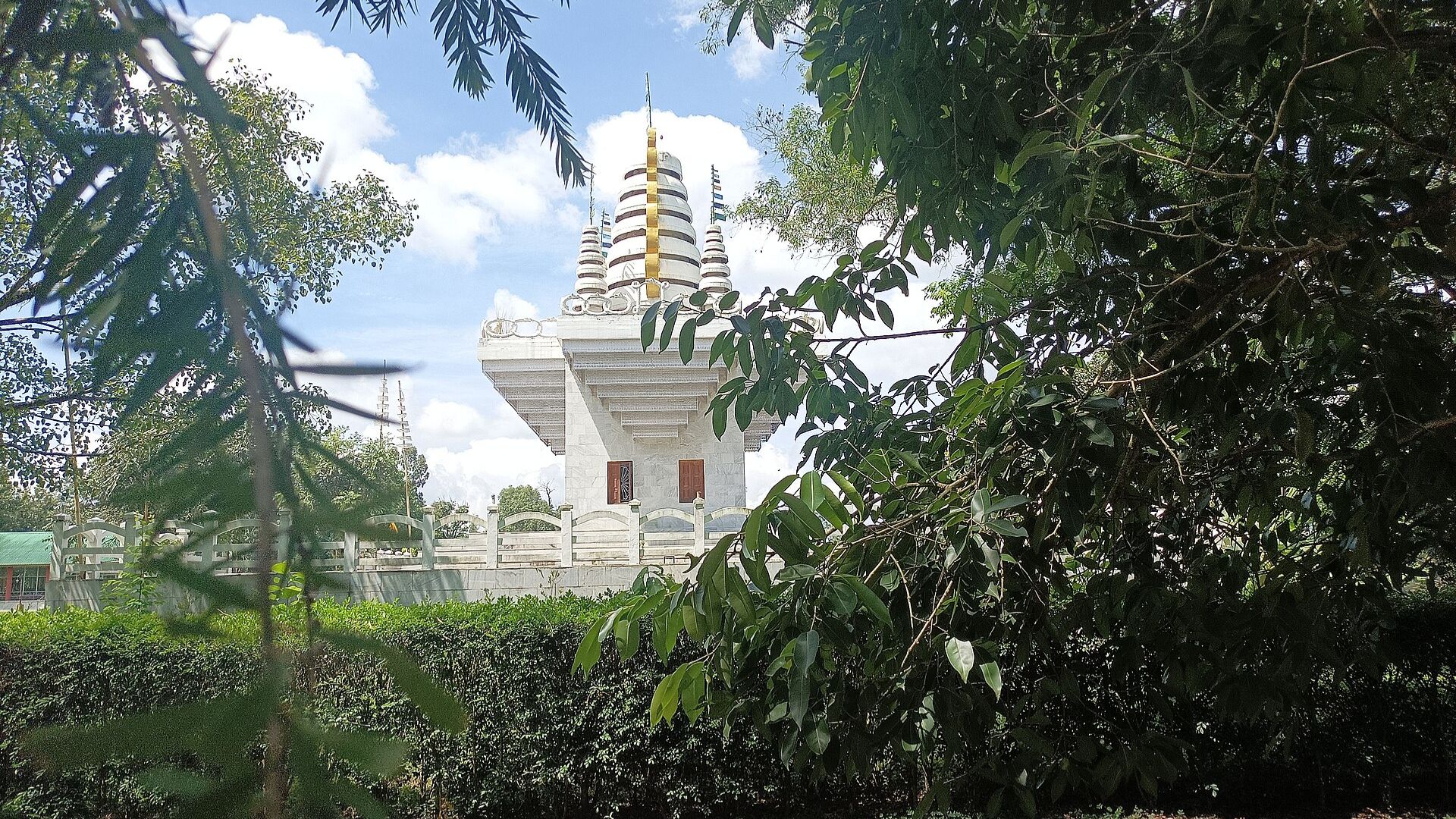
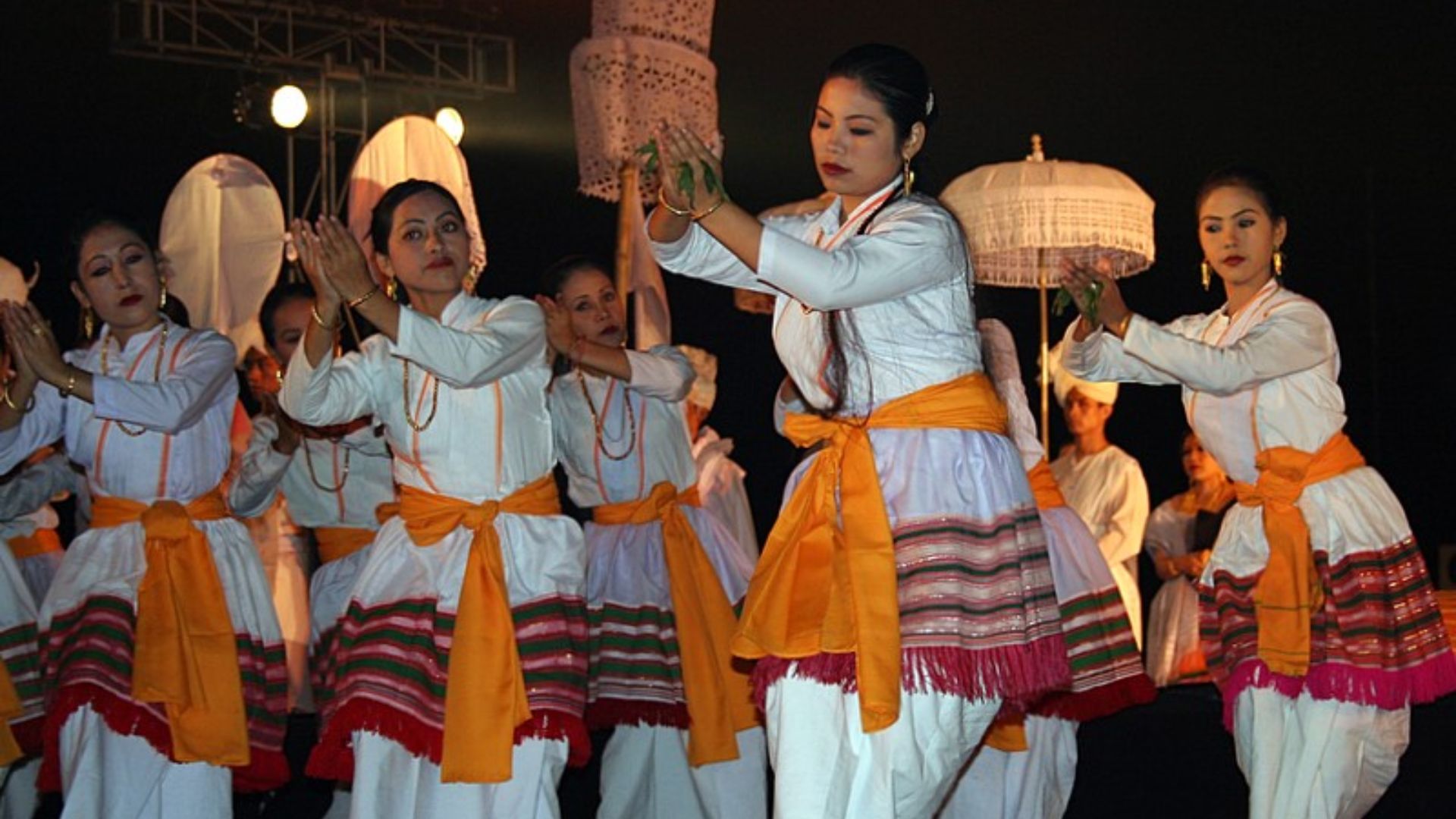
What makes these narratives especially compelling is their continuity through oral tradition, which has functioned as a living archive for centuries. Passed down through storytelling, ritual, and performance, these traditions preserve genealogies, ethical values, and cosmological ideas that predate written history. Even today, this mythic consciousness is not confined to the past—it is actively performed and experienced. Festivals such as Lai Haraoba reenact creation stories through dance and ritual, while everyday practices quietly sustain these ancient beliefs. For travellers, engaging with these traditions reveals a society where mythology is not symbolic in a distant sense, but deeply lived and continually reinterpreted, blurring the boundaries between history and belief, and offering a rare glimpse into how cultures remember, adapt, and endure.
Before it came to be known as Manipur, the region existed as Kangleipak, an early polity that gradually developed into a structured and enduring kingdom. Central to this transformation was the Ningthouja dynasty, which played a decisive role in consolidating political authority, shaping governance systems, and extending territorial influence across the valley and surrounding hills. Yet Kangleipak was never an isolated entity. Its geographic position enabled sustained trade and diplomatic exchanges with neighboring regions, particularly with Burma and other parts of Southeast Asia. These early networks facilitated not only the movement of goods but also the circulation of cultural ideas, technologies, and social practices, embedding Manipur within a wider transregional world long before modern borders were defined.
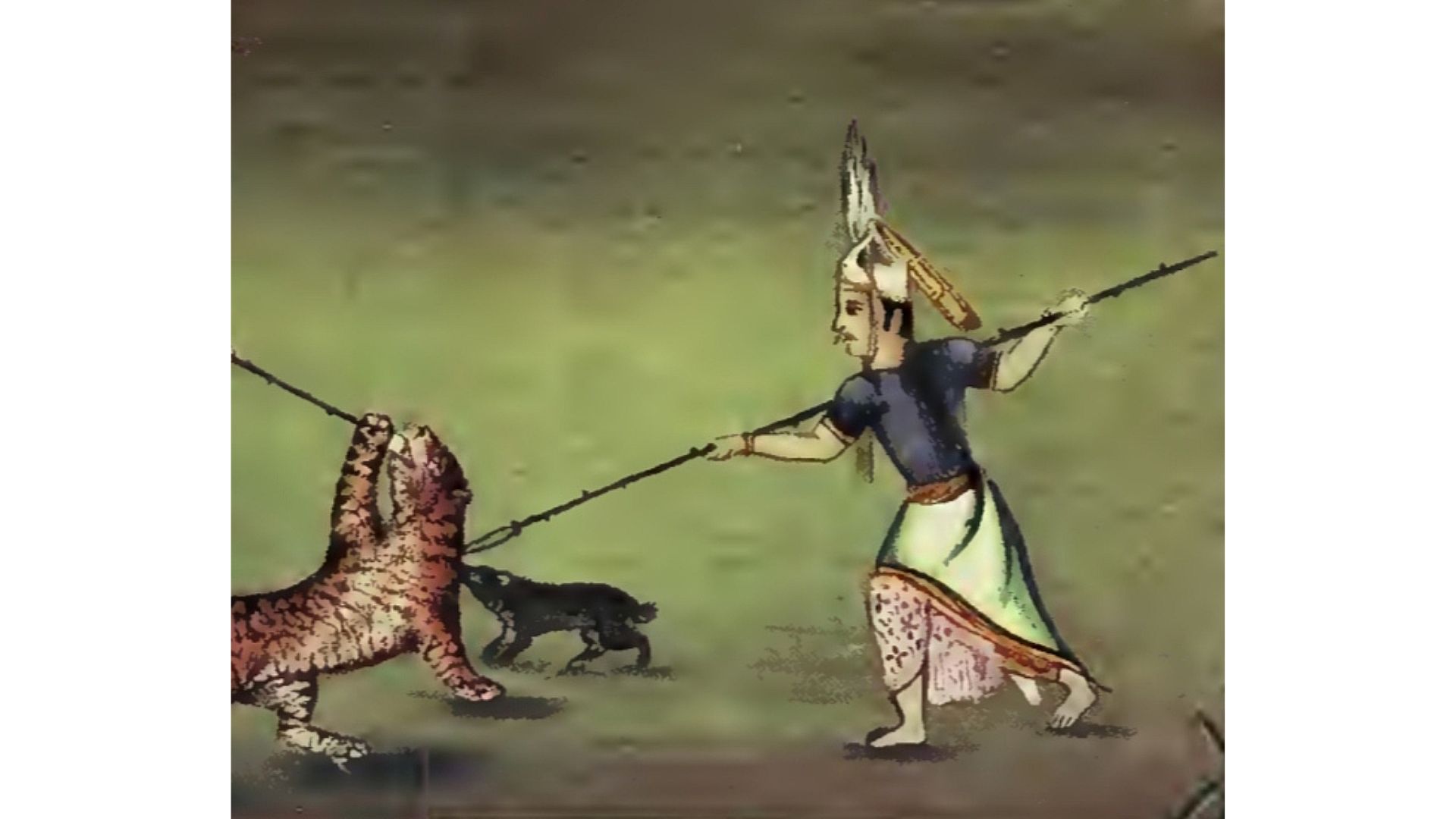
A key window into this evolving kingdom is the Cheitharol Kumbaba, one of South Asia’s most remarkable royal chronicles. Maintained over centuries, it records events year by year, documenting everything from royal successions and political developments to rituals, natural occurrences, and social transformations. For historians and anthropologists, this text is invaluable because it offers a rare continuous written narrative that complements and sometimes contrasts with oral traditions. Together, the legacy of Kangleipak and the detailed record of the Cheitharol Kumbaba reveal a society that was both deeply rooted in its own traditions and actively engaged with the wider world, preserving its history with an unusual depth and continuity.
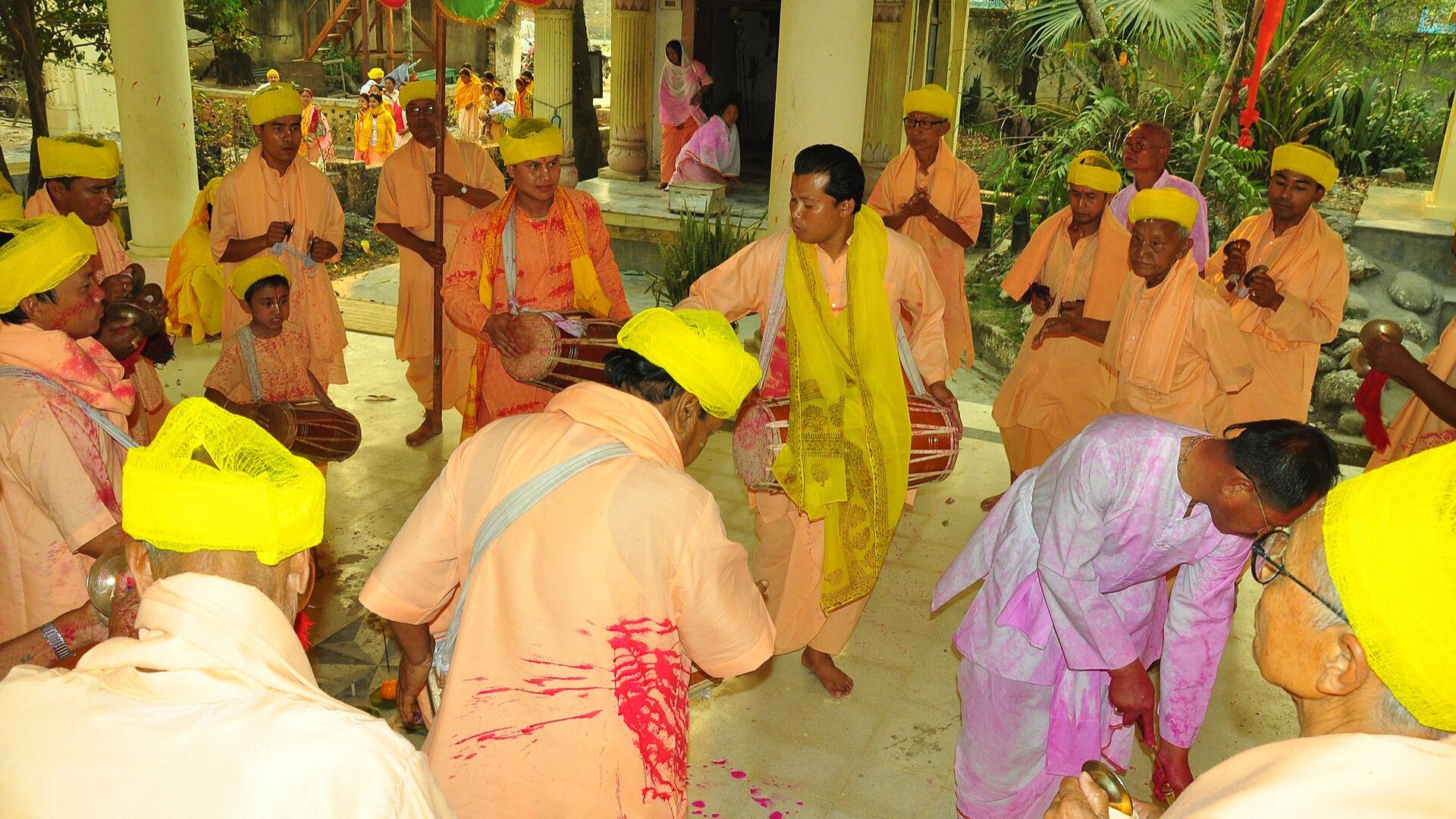
Manipur’s religious landscape underwent a major shift in the 18th century. The indigenous Sanamahi religion, rooted in nature worship and ancestor reverence, began to intersect with Hindu Vaishnavism, particularly during the reign of King Pamheiba (Garib Niwaz).
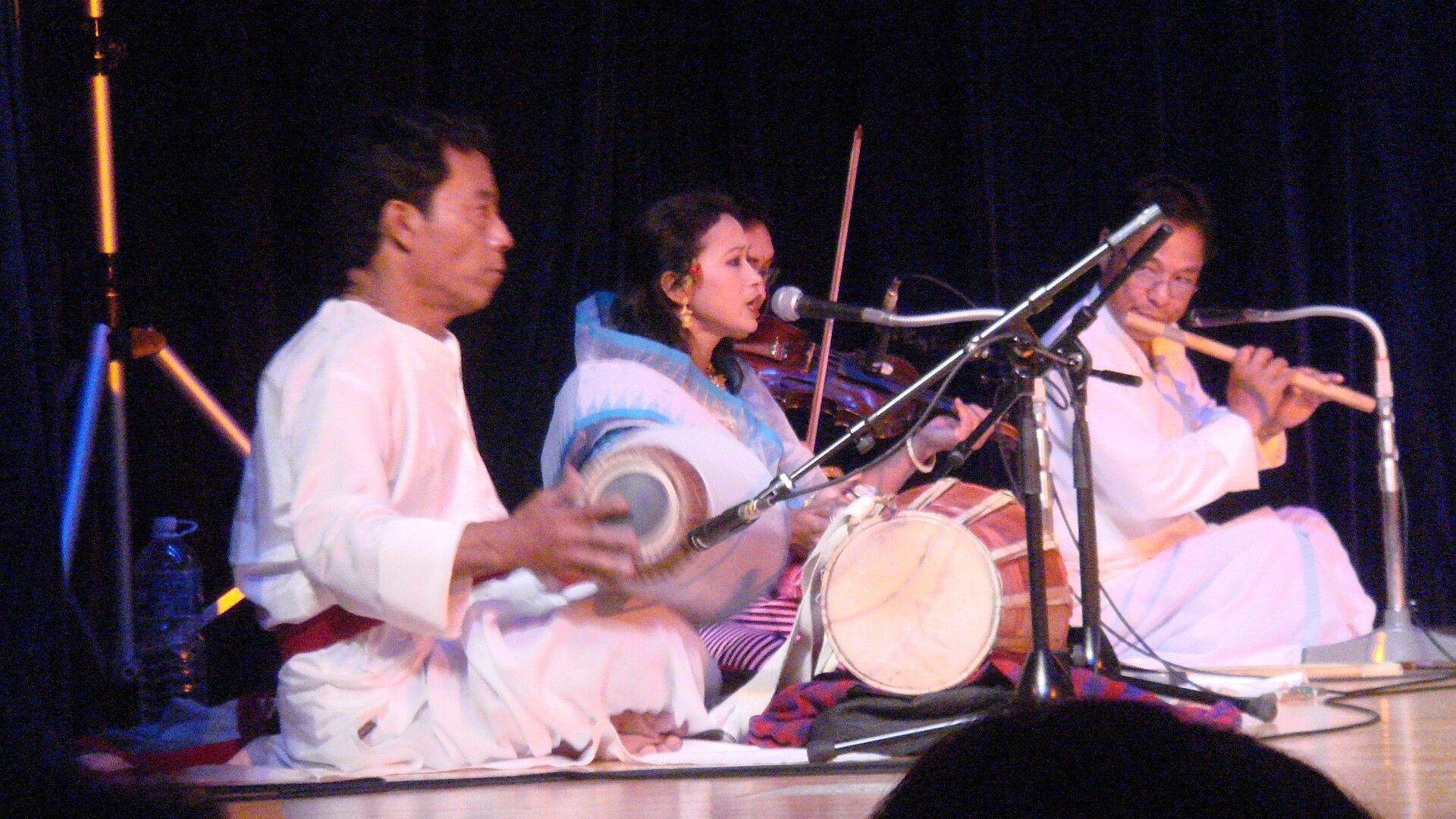
This transformation reshaped society:
Yet, rather than replacing older beliefs entirely, this shift created a layered religious identity, where indigenous and Vaishnav practices coexist.
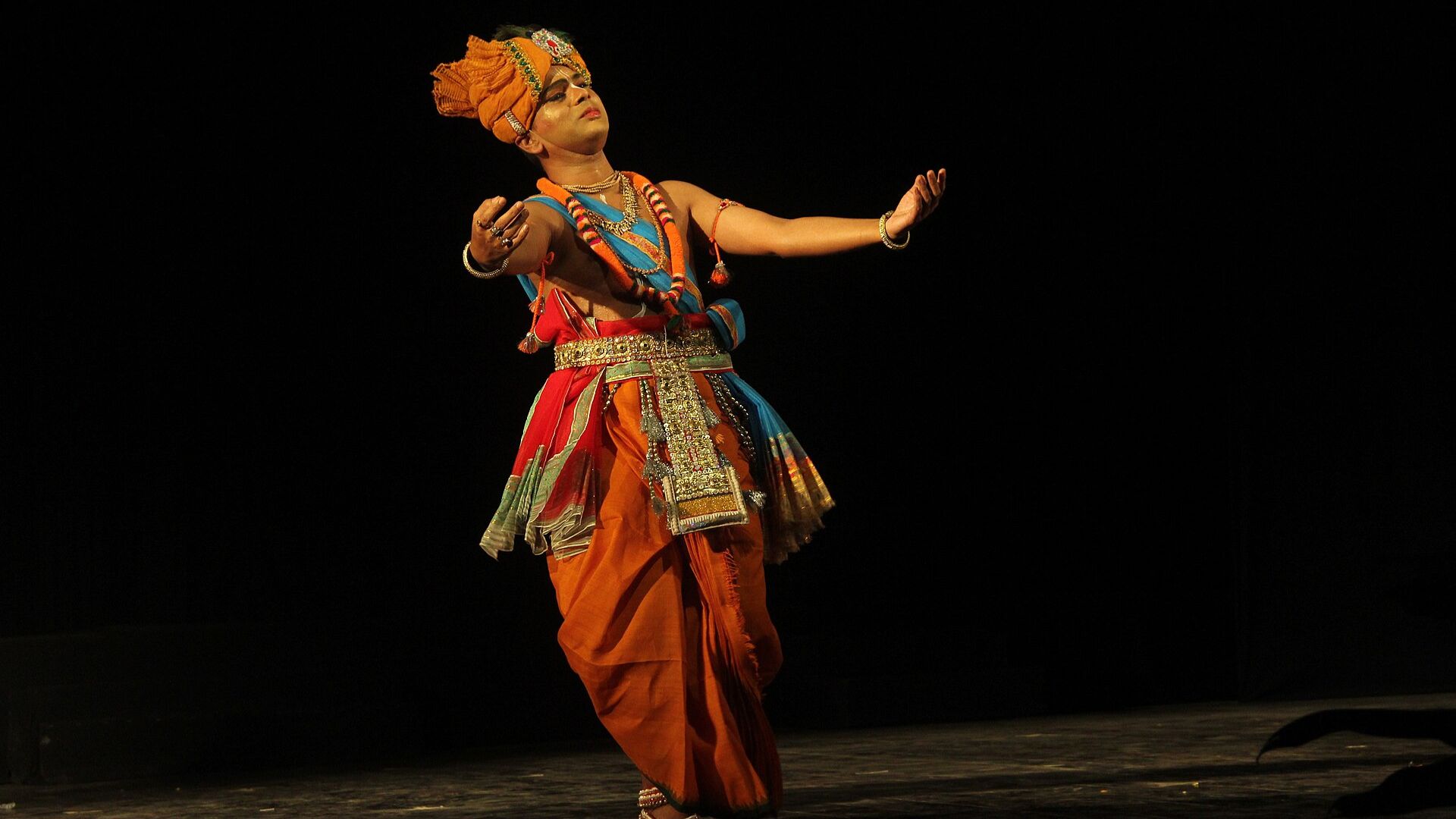
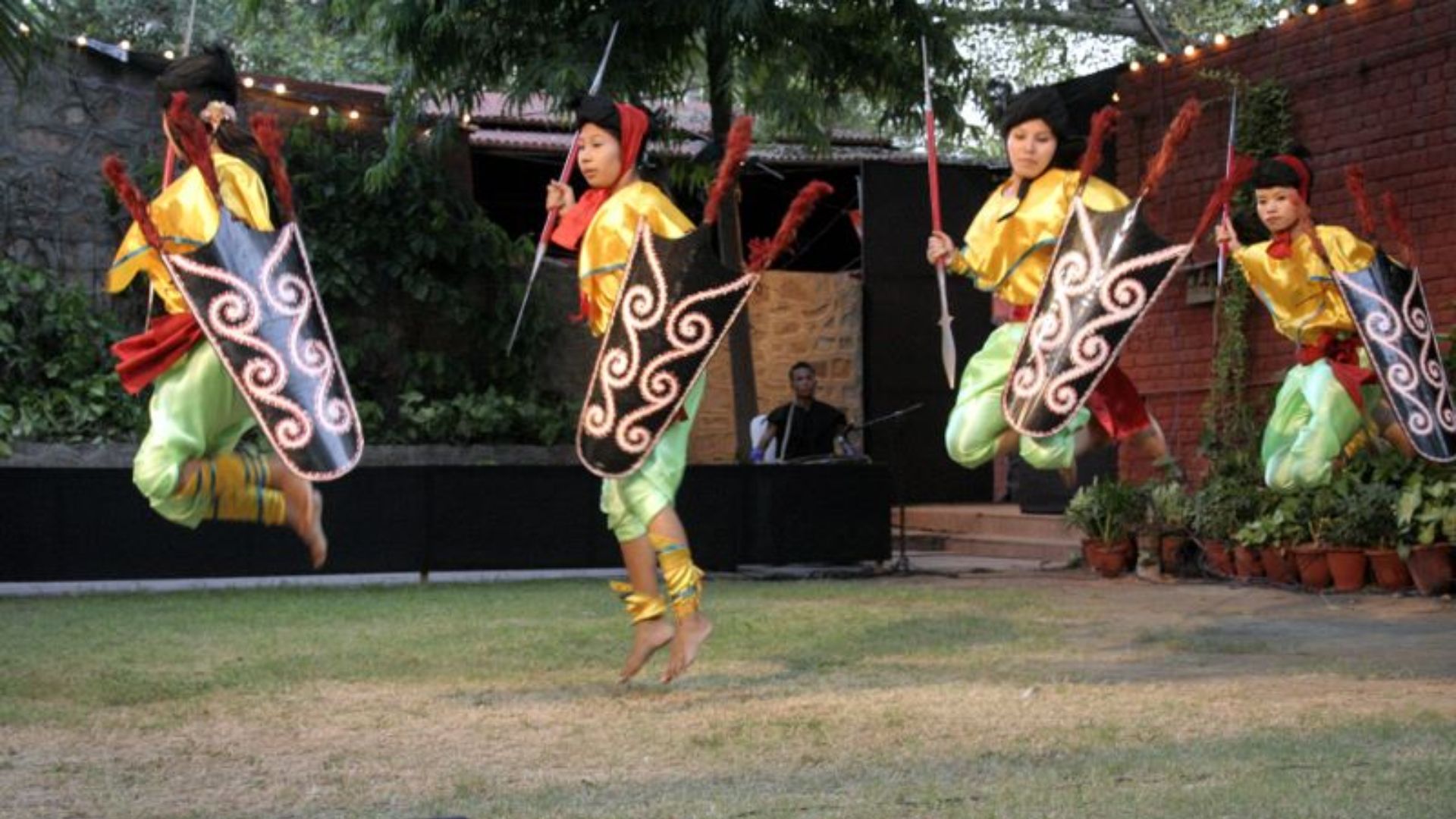
Manipur’s cultural landscape is a vivid reflection of its layered history, where indigenous traditions and Vaishnav influences coexist and enrich one another. The classical Ras Lila dance, rooted in devotional Vaishnavism, stands as one of India’s most refined performance traditions, known for its grace, symbolism, and spiritual depth. Alongside it, the indigenous martial art of Thang-Ta continues to thrive, preserving older systems of discipline, warfare, and physical philosophy. Beyond performance, everyday cultural expressions such as traditional attire, intricate handloom textiles, and ritual arts carry deep symbolic meanings tied to religion, status, and historical memory. For travellers, these forms offer a tangible and visual way to engage with Manipur’s past, where culture is not displayed as heritage alone but lived as part of daily life.
At the same time, Manipur’s cultural evolution has been shaped by its constant interaction with neighboring regions, particularly Burma or present day Myanmar. Its geographic location encouraged sustained trade, migration, and cultural exchange, bringing in new ideas while also exporting local traditions beyond its borders. However, this proximity also led to periods of conflict, making Manipur both a bridge connecting South and Southeast Asia and a buffer zone navigating shifting political pressures. Over centuries, this dual role influenced not just its diplomacy and alliances but also its cultural fabric, resulting in a society that is at once deeply rooted and outward-looking.
The 19th century marked a turning point as Manipur entered into direct engagement with British colonial power, reshaping its political trajectory. Rising tensions eventually led to the Anglo-Manipur War of 1891, a defining episode remembered for its fierce resistance and lasting impact on collective memory. Figures such as Bir Tikendrajit emerged as enduring symbols of defiance and political courage. In the aftermath, Manipur was incorporated as a princely state under British oversight, a shift that altered its governance structures while still allowing limited internal autonomy. This period laid the groundwork for a new kind of political consciousness, one that would later connect Manipur to wider anti colonial movements across the subcontinent.
The Anglo-Manipur War also sits within a wider landscape of conflict sites across Northeast India where battles can still be understood through the places in which they occurred.
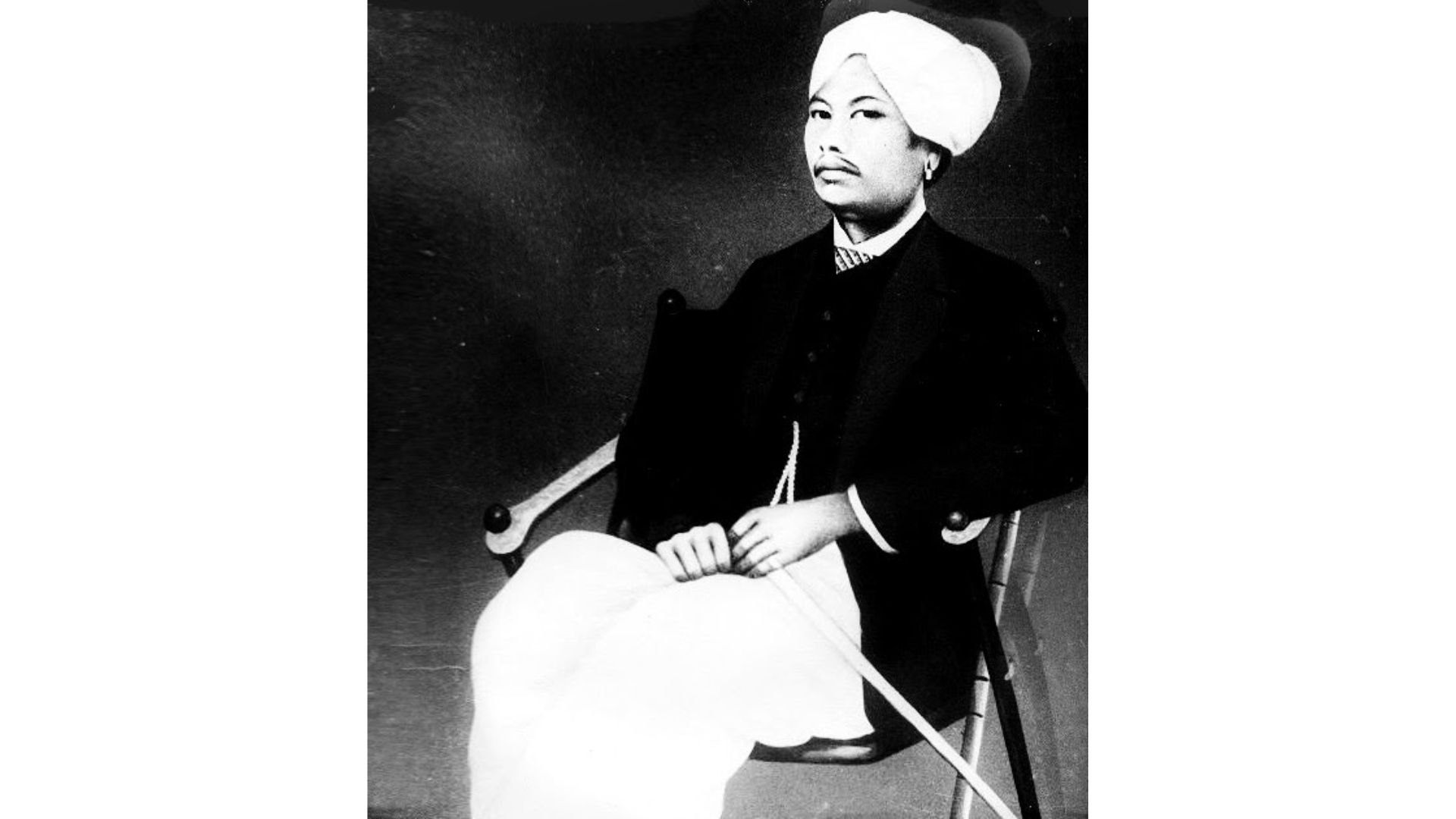
Manipuri society did not remain on the margins of history in the decades that followed. Local leaders and citizens actively participated in India’s broader freedom struggle, engaging in reform movements and resistance efforts while also asserting a distinct regional identity. The merger with India in 1949 marked another critical transition, one that continues to be discussed and debated in political and historical contexts.
For travellers, this moment offers important insight into present day conversations around identity, autonomy, and governance in the region. In the years after independence, especially following statehood in 1972, Manipur experienced significant political and social change. At the same time, challenges such as insurgency emerged, often rooted in historical grievances and complex identity dynamics, making modern Manipur a space where past and present remain closely intertwined.
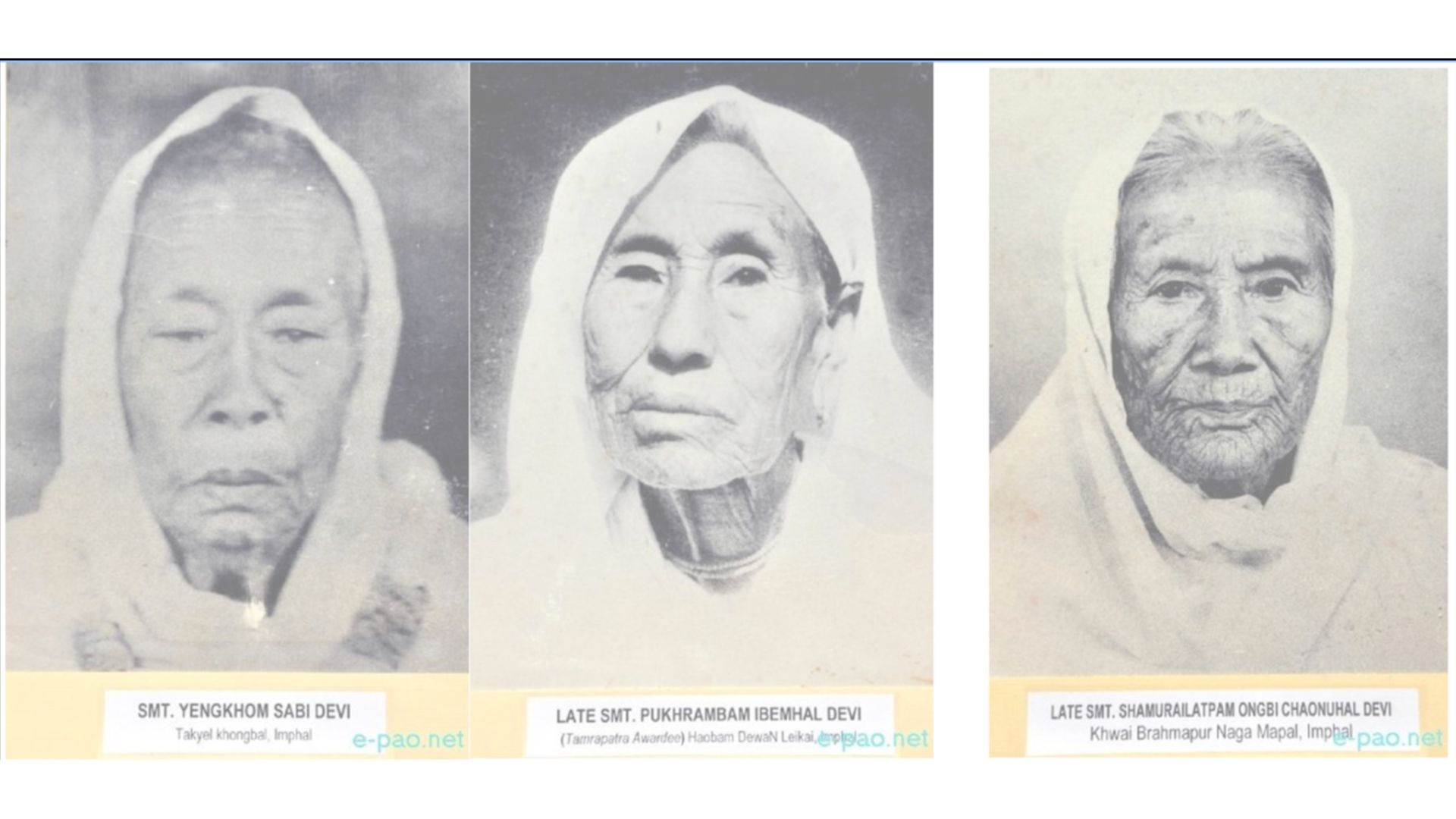
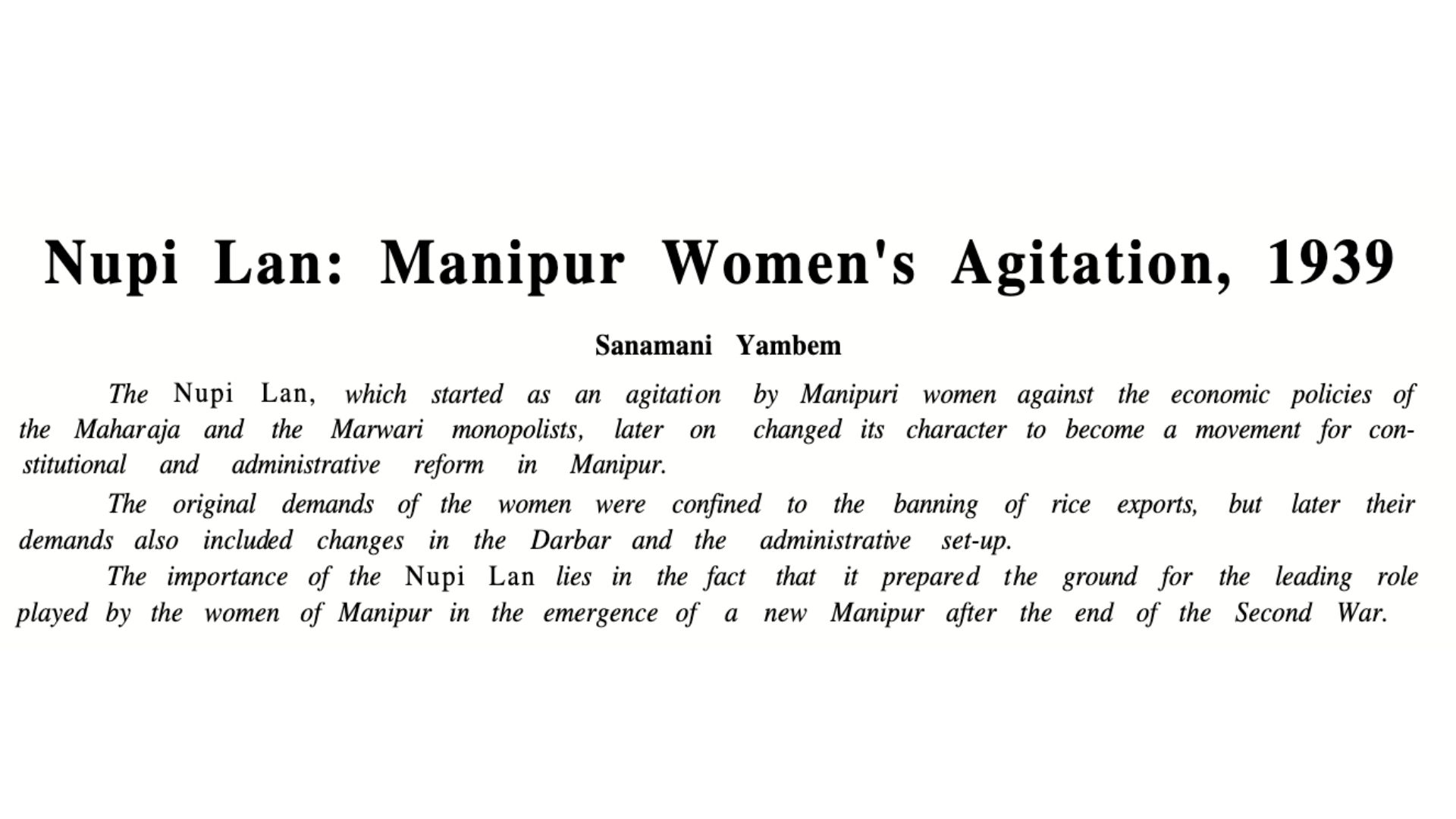
Manipur offers a striking lens into gender dynamics, where women have long occupied visible and powerful roles in both public and economic life. The historic Nupi Lan or Women’s Wars are not just episodes of resistance but powerful reminders of collective political action led entirely by women against colonial and economic injustices. This legacy continues in everyday life at the Ima Keithel or Mother’s Market, one of the largest all women run markets in the world, where thousands of women manage trade, negotiate prices, and sustain local economies. Together, these institutions reveal a society where women are not confined to the margins but stand at the center of community, commerce, and resistance, shaping Manipur’s past and present in deeply influential ways.
Imphal offers one of the clearest ways to encounter these histories in place, from Ima Keithel to landscapes shaped by war, memory and everyday cultural life.
For travellers, festivals in Manipur are not just moments of celebration but immersive entry points into its layered history, where the themes of myth, religion, and cultural change explored throughout the region’s past come alive in real time. Through dance, music, and ritual, these gatherings transform history into something you can see, hear, and feel, offering a deeper connection to the land and its people.