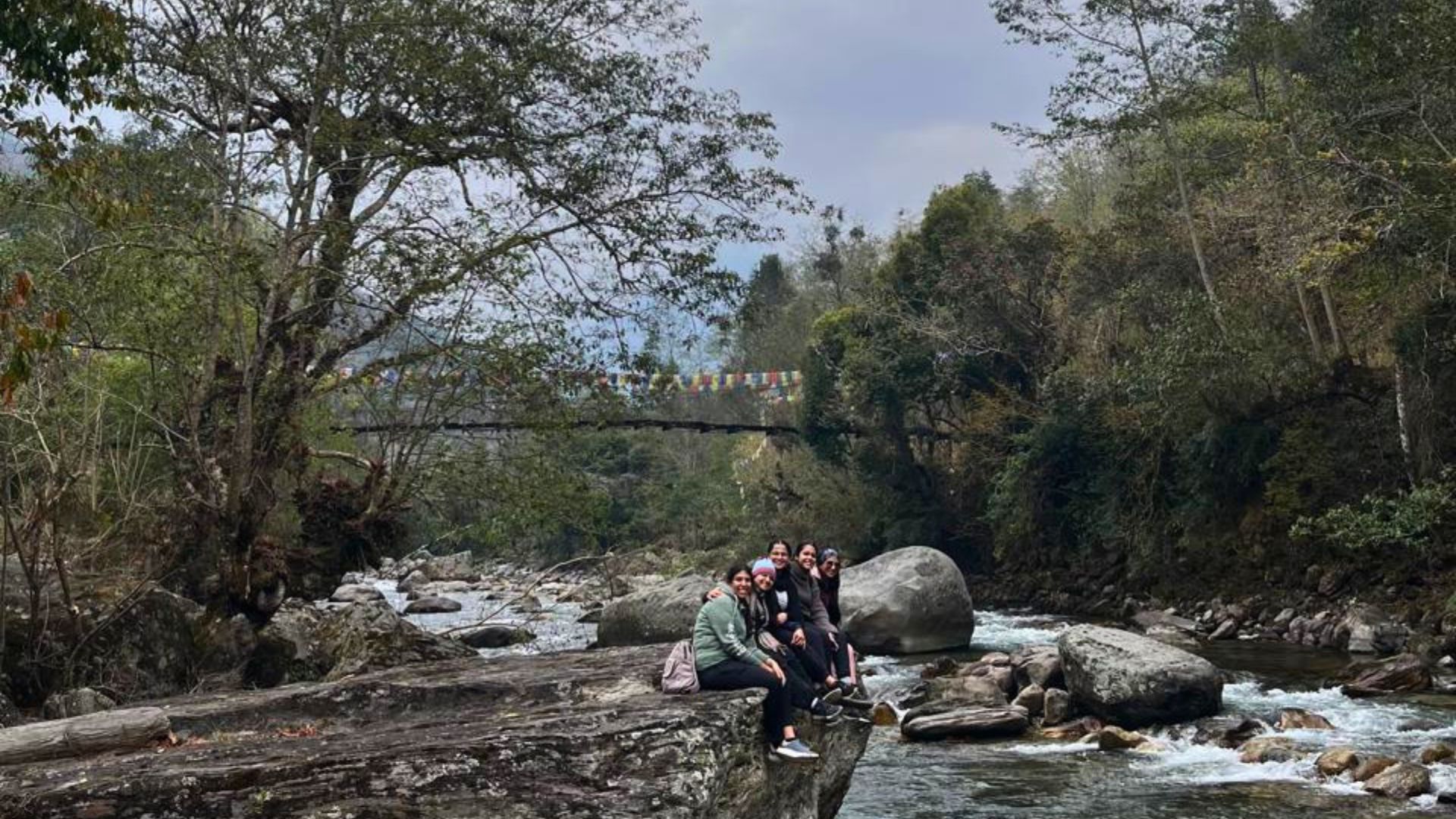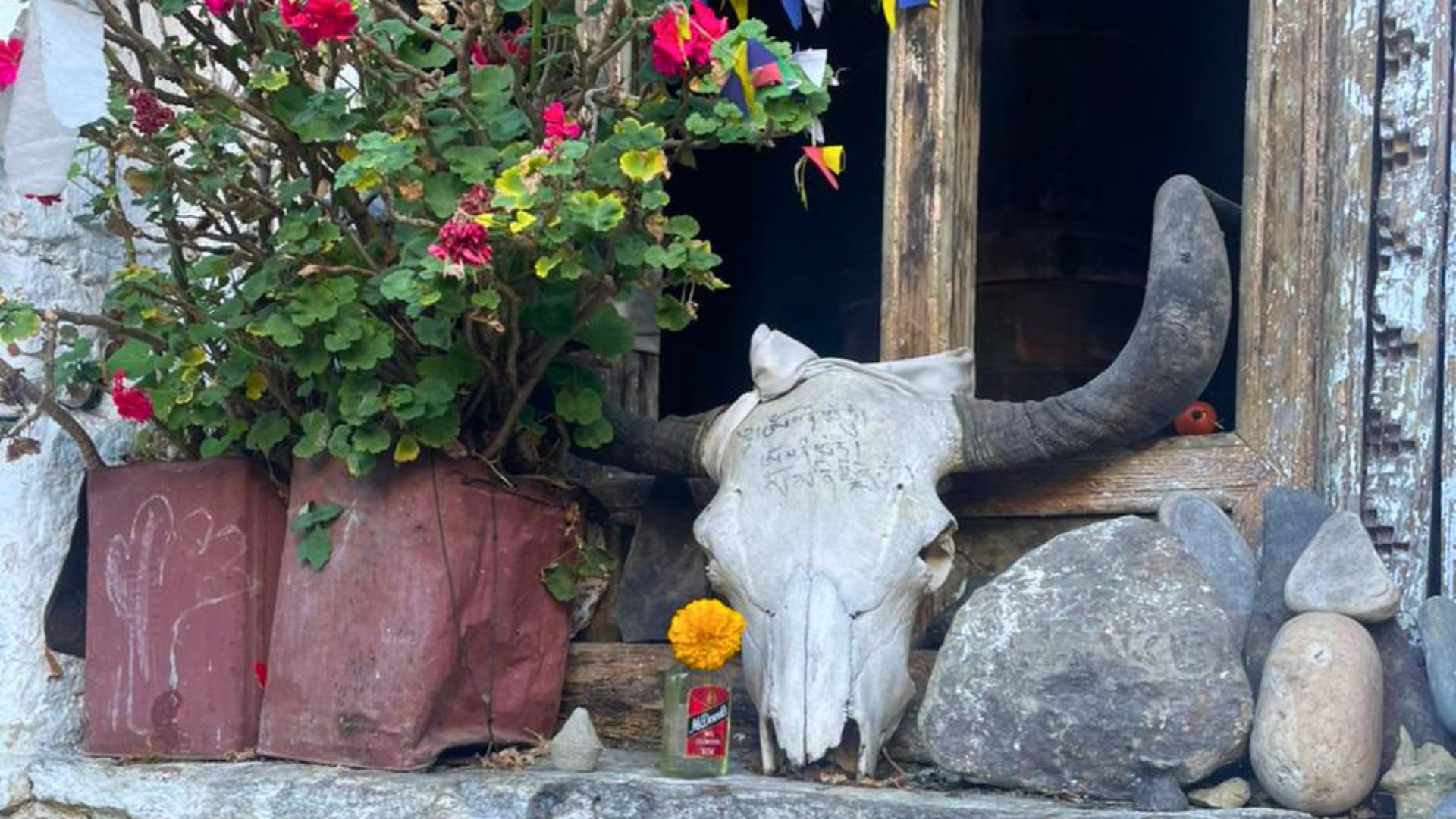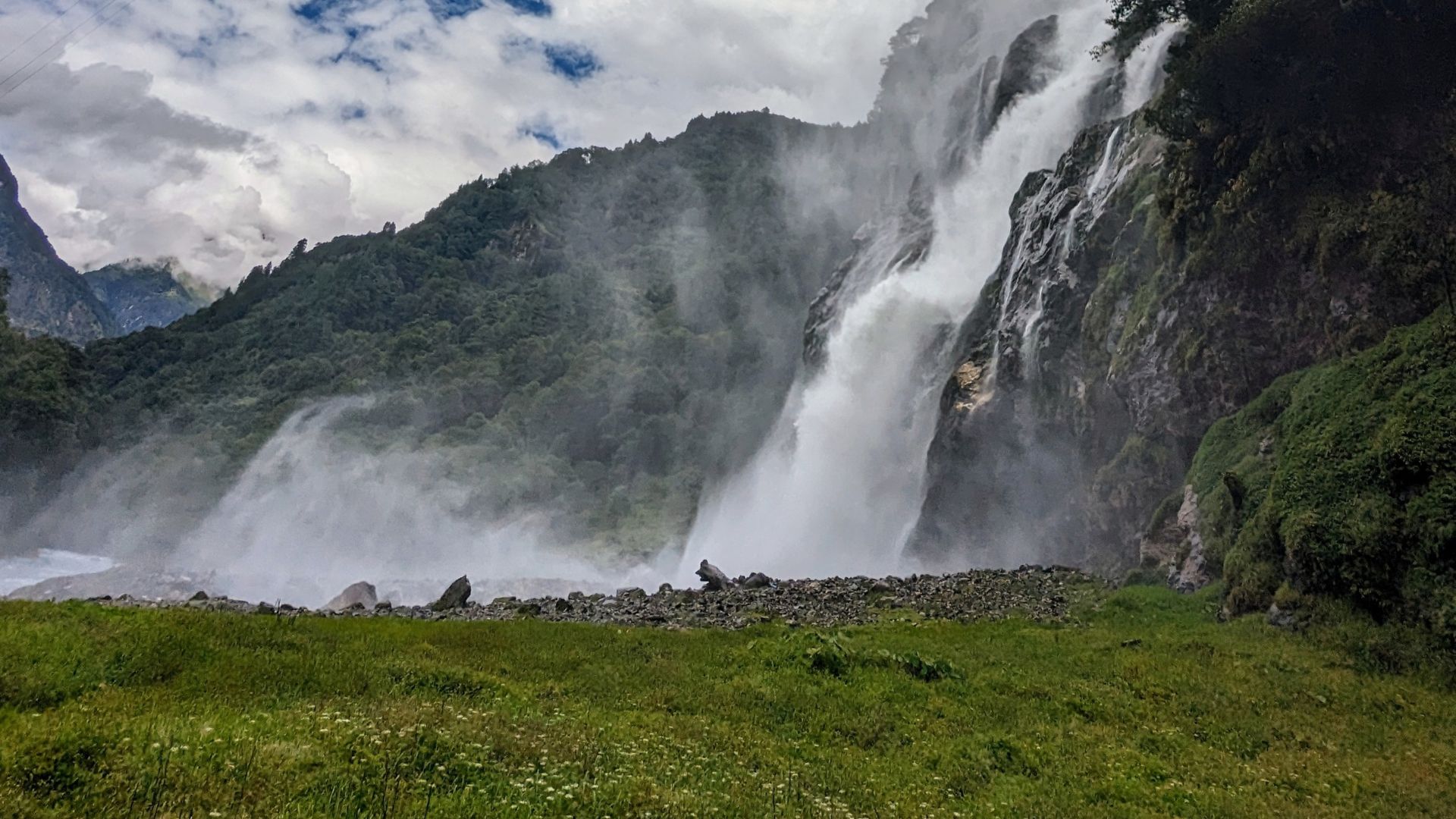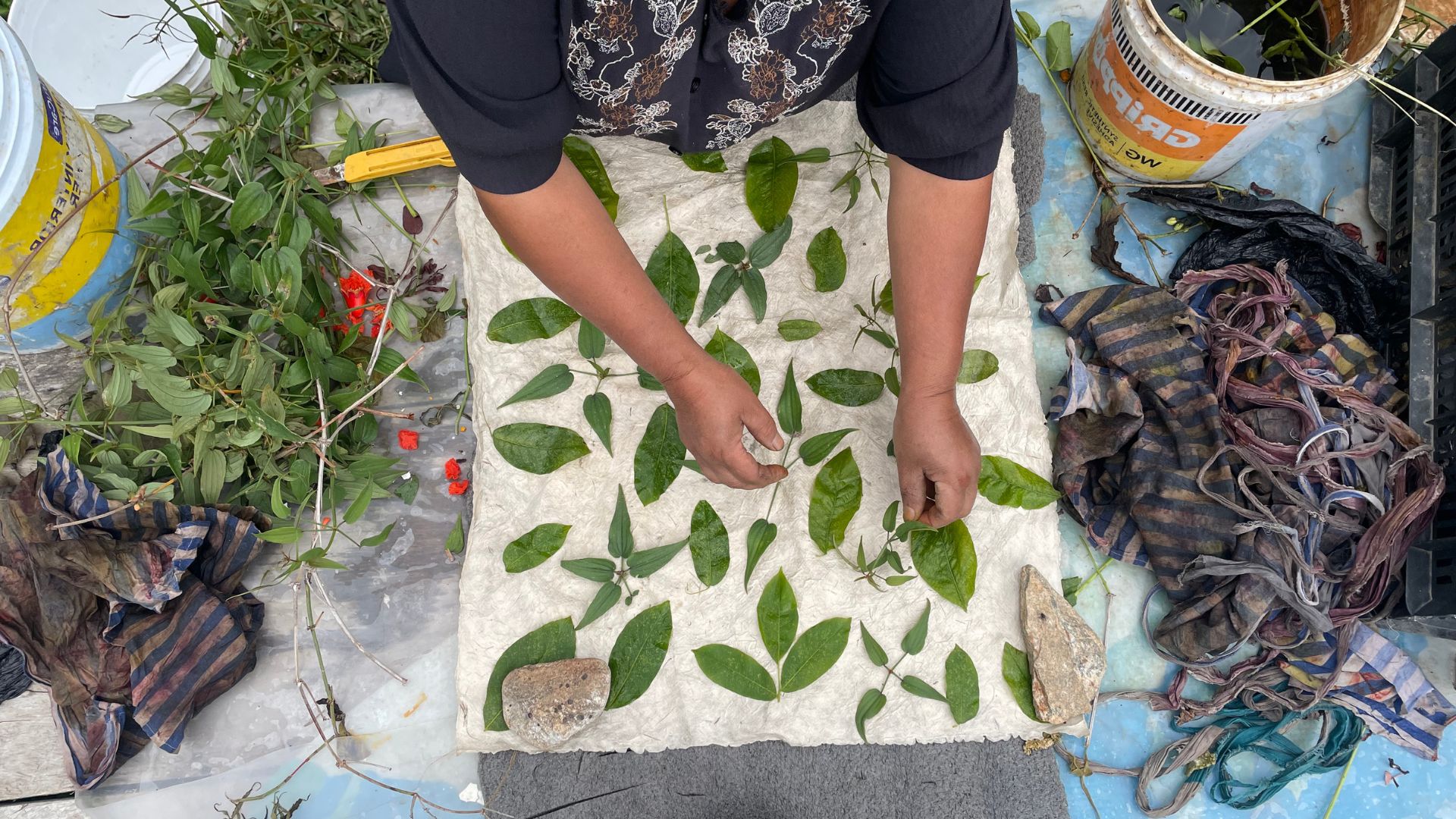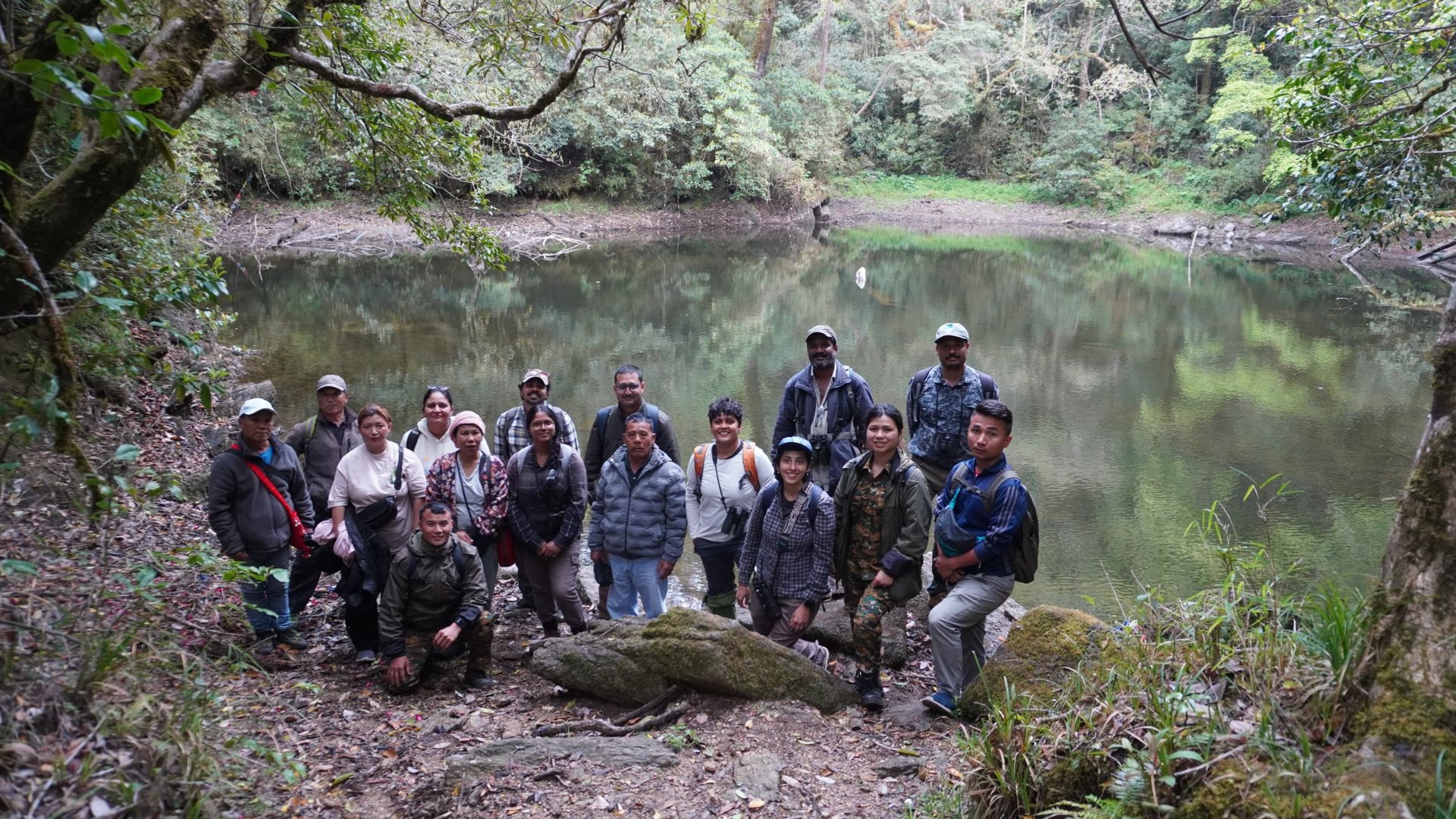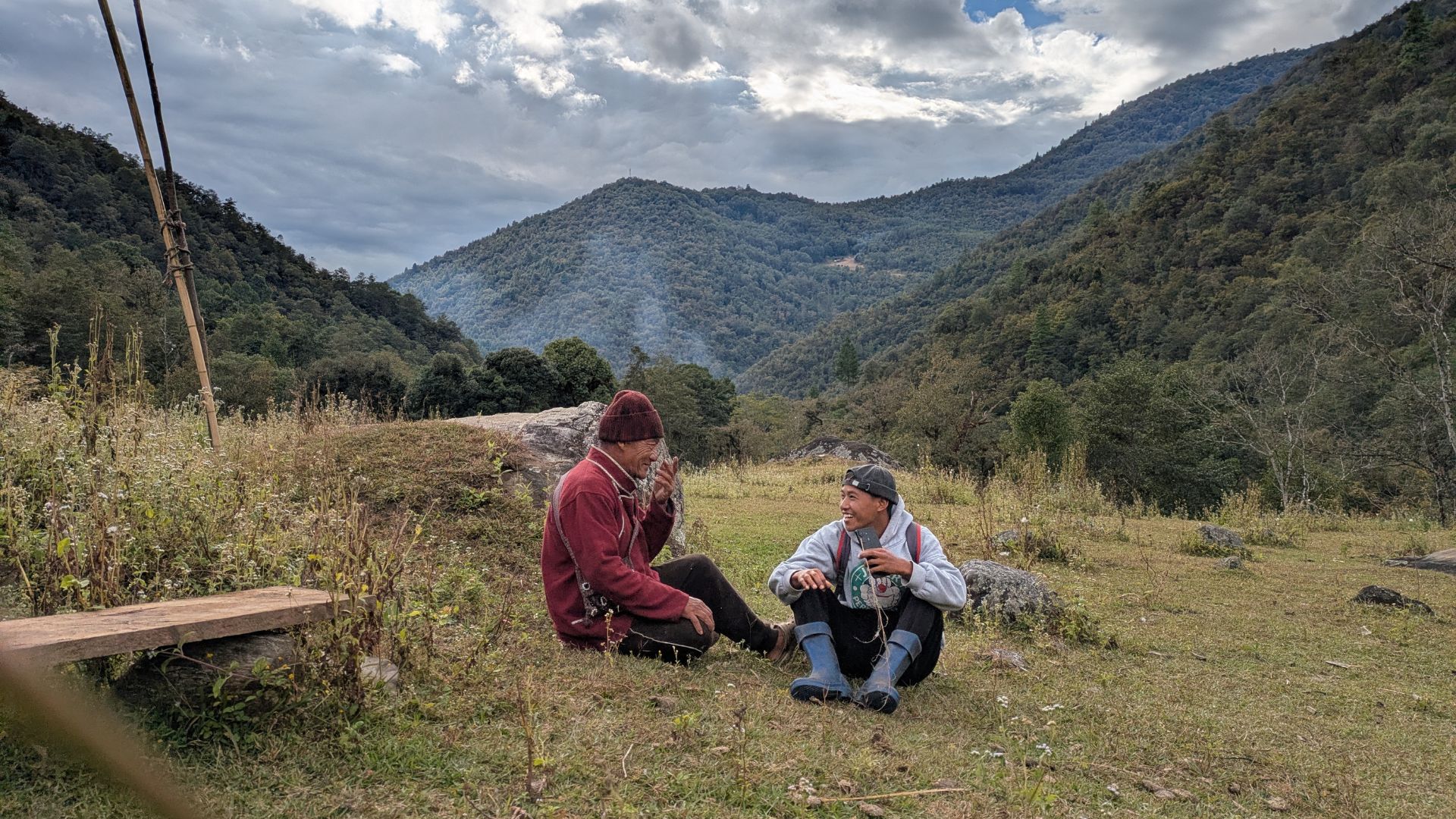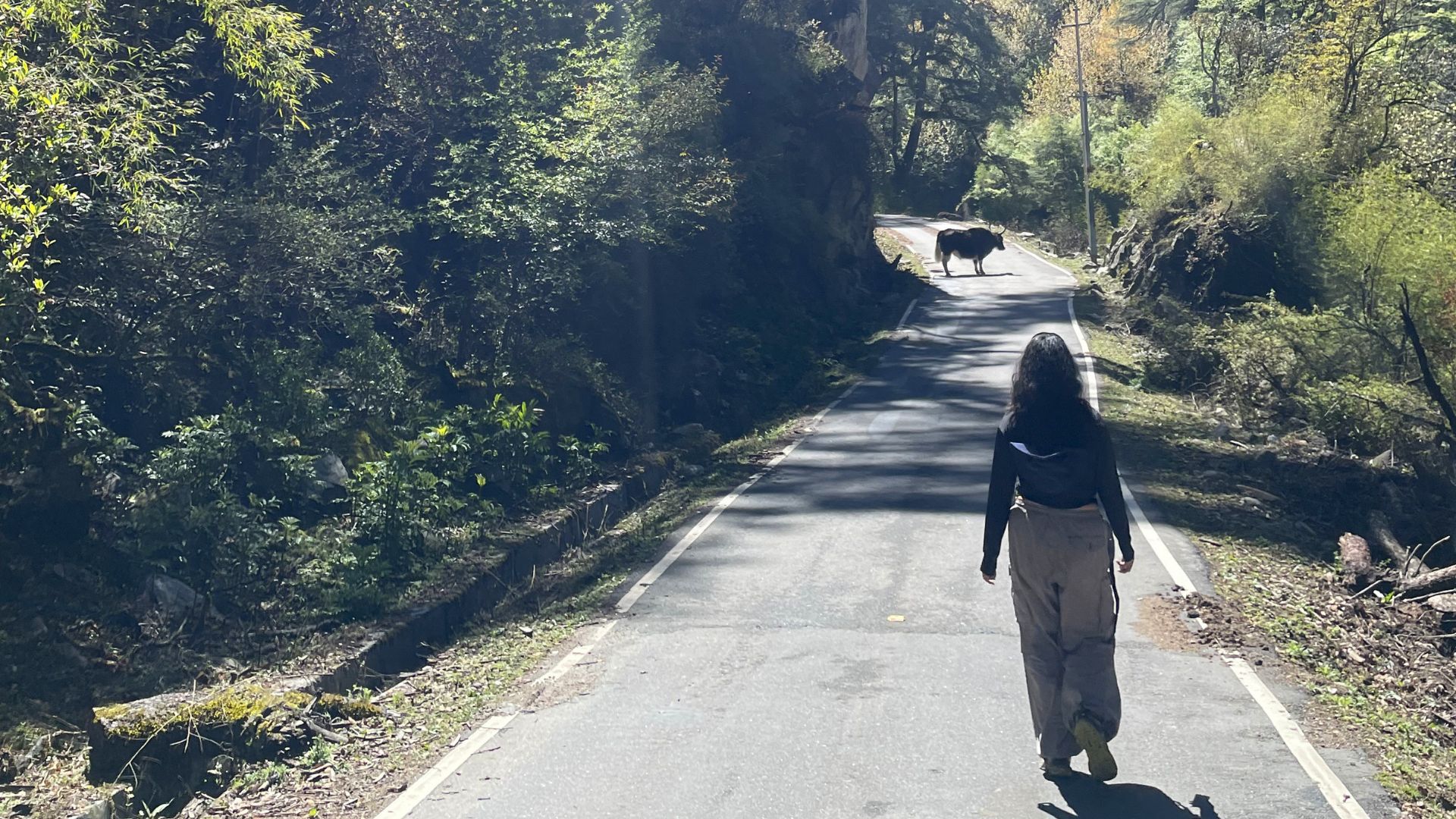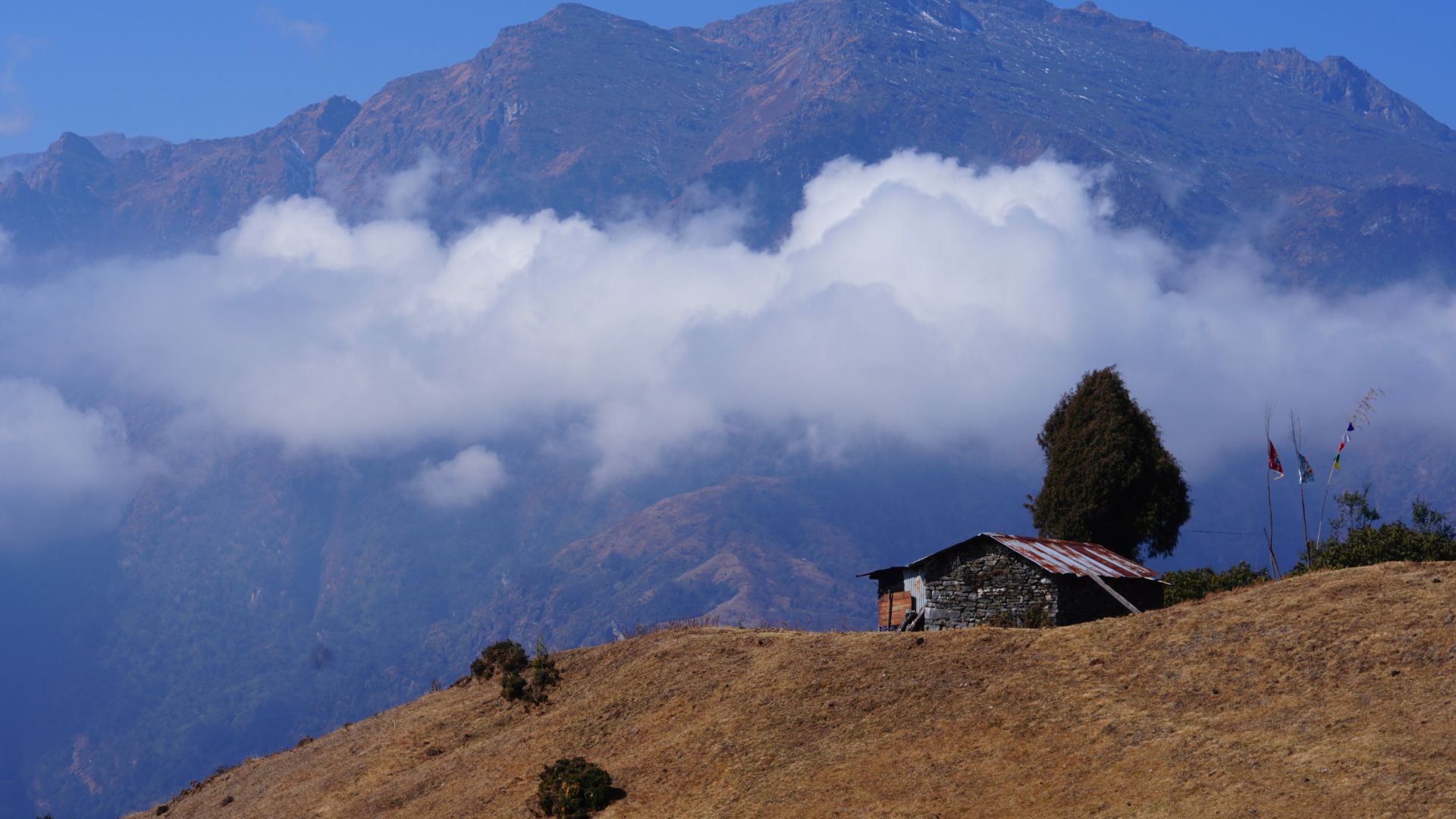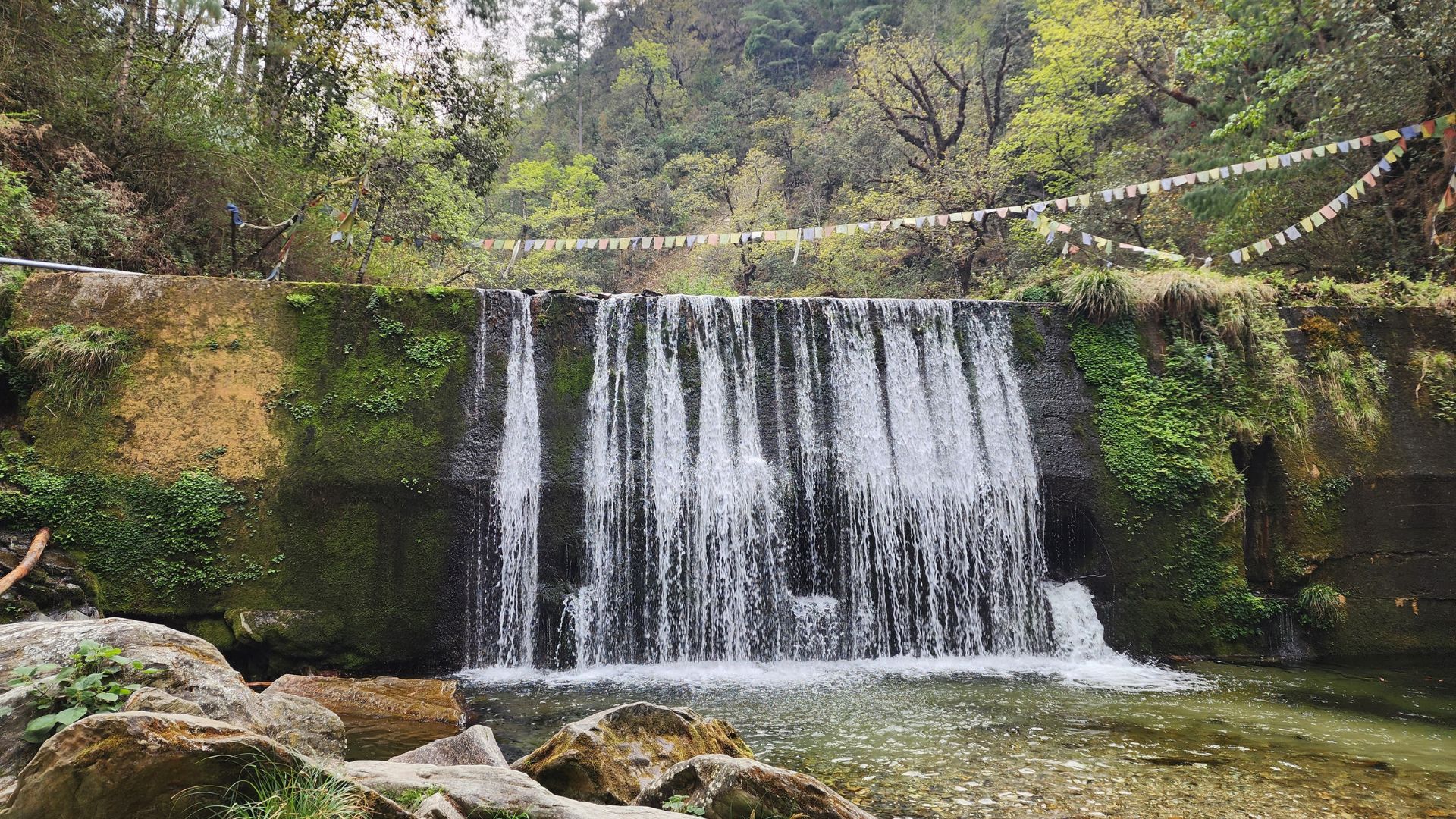
Western Arunachal Pradesh occupies a unique corner of the Himalayas. For centuries, its valleys connected Tibet, Bhutan, and the plains below, creating a meeting point of cultures, faiths, and ways of life that continue to shape the region today. While modern roads now thread through these mountains, much of life here remains deeply rooted in the rhythms of season, community, and landscape.
The region is home to the Monpas and Sherdukpens, whose histories are inseparable from the valleys they inhabit. Their traditions are visible not only in monasteries, folklores, and rituals, but also in everyday life, in stone pathways connecting villages, fields cultivated across mountain slopes, recipes passed through generations, and stories carried through conversation rather than books. In many ways, memory remains one of the strongest threads binding these communities to place.
Autumn offers a particularly rewarding window into this world. As the monsoon slowly retreats, the mountains settle into a season of abundance and transition. Fields of rice, millet, maize, and barley move towards harvest, villages become busier with seasonal activity, and clearer skies begin to reveal ridgelines hidden through much of the rainy season. Forests remain lush, rivers continue to run strong, and a crispness returns to the air without the severity of winter.
This chapter moves through some of the most culturally rich valleys of Western Arunachal. From Shergaon and the forests of Eaglenest to the Monpa heartlands of Dirang, Chug Valley, Mago, and Zemithang, the journey follows a gradual progression deeper into the mountains. Along the way are village walks, forest trails, local kitchens, monasteries, conversations, and long mountain roads that connect places where tradition remains part of everyday life rather than a performance for visitors.
There is time spent outdoors, from forest walks in Eaglenest to quiet trails through mountain valleys, and moments of stillness that emerge naturally from travelling at a slower pace. Yet this is not a journey built around landmarks alone. It is an attempt to understand a region through the people who inhabit it, the landscapes that sustain them, and the memories that continue to shape everyday life.
Over nine days, this chapter offers a glimpse into a part of the Himalayas where the season is changing, but older rhythms endure. Where mist still gathers in the valleys each morning, stories continue to travel through memory, and mountain life unfolds at its own unhurried pace.
The trip starts at Guwahati Airport on Day 1, where the group assembles for departure, and ends at Guwahati Airport on Day 9. Your ChaloHoppo trip leader shall meet you at the airport on Day 1.
On Day 1, participants are required to arrive at Guwahati Airport by 11:00 AM at the latest. The group will depart from the airport by 12:00 PM. Any arrivals after this time, due to flight timing or delays, will need to reach the destination at their own expense.
For departure, return flights can be booked anytime after 9 PM on Day 9 or ideally the following morning, with an overnight stay in Guwahati. Participants are advised to plan their flights in line with the recommended arrival and departure timings shared for this trip.
Please note that Guwahati Airport is the only designated pick-up and drop-off point for this trip. The vehicle will not stop at any other location. All participants must ensure they reach the airport before the scheduled departure time, as the trip will commence from there.
The ideal age range for this experience is 18-50 years. The average participant is around 30 years old, and the group atmosphere is generally young, social, and easy-going. Participants often enjoy spending time together beyond the day’s activities, whether over conversations, music, food, or a drink in the evening.
We’ll be staying at simple homestays and guest houses throughout the trip. None of the properties on the trip is boutique/luxurious. However, they are all clean, comfortable and hygienic, and have been handpicked by our team.
Some of the homestays in remote villages can come with a mix of Indian and western toilets.
Rooms are shared on a double-sharing basis. In case you are a solo traveller, you will be paired up with another solo traveller of the same gender. Please note that almost all of the properties will have double-bedded rooms.
Note: Room allocation is managed by the sales and reservations team based on gender and confirmed bookings.
During the trip, you can expect simple, home-style meals that reflect the flavours of the region. Most meals are light, comforting, and well-suited.
Most of your major expenses during the trip are already covered. An additional ₹800-₹1,000 per day should generally be sufficient for personal expenses, snacks, café visits, or small purchases.
Most places in the region now accept UPI payments, making transactions easy and convenient. However, we recommend carrying a small amount of cash as well, especially in areas where digital payments may not always work reliably.
You can also refer to the Exclusions section for a clearer idea of potential additional expenses.
Mobile connectivity is available in most towns and key areas throughout the trip. BSNL, Airtel and Jio generally offer the best network coverage in Arunachal. However, in remote and high altitude locations, the signal may be weak, intermittent or absent.
Wi-Fi is not available in all the selected properties that you will be staying in.
We recommend informing family and colleagues in advance that you may be temporarily unreachable while exploring certain remote or high altitude locations.
This journey takes place during the autumn season and early winters in the Eastern Himalayas, one of the most rewarding times to travel through Arunachal Pradesh. The landscapes are lush after the monsoons, the skies gradually turn clearer, and the mountain views become especially dramatic.
Lower altitude regions such as Shergaon and Dirang generally experience pleasant daytime temperatures ranging between 8°C to 22°C, with crisp and comfortable evenings.
Higher altitude areas including Sela Pass, Gonkar La and Chuna Valley remain significantly cooler, especially during mornings and nights, with temperatures typically ranging between 2°C to 12°C. By late November, temperatures can occasionally dip below freezing in some high-altitude regions.
September may still witness occasional post-monsoon showers, while October and November usually bring clearer skies, fresh mountain air, vibrant autumn colours, and excellent visibility across the Himalayan landscapes.
As for snow, snowfall is generally uncommon during September to Early December. However, towards early December, higher altitude regions may occasionally receive fresh snowfall depending on weather conditions. November may have chances of witnessing snowfall in Gonkar La. Even when there is no active snowfall, you may still encounter snow patches in some of the higher mountain areas.
During September and October, travel conditions across Western Arunachal are generally stable and favourable. However, occasional rain, fog, or minor landslides in certain mountain stretches may sometimes lead to temporary delays or changes in road conditions, especially in more remote areas.
By November and early December, the weather is typically drier with clearer skies, although colder temperatures and occasional frost at higher altitudes may influence travel timings in some regions.
In rare situations where access to a planned destination becomes restricted due to weather or road conditions, our team will carefully assess the situation on-ground and make suitable adjustments to the itinerary if required. Your safety and comfort remain our highest priority, and we ensure the journey continues to remain immersive, seamless, and meaningful despite any changes.
It is important to note that booking flights before reserving a slot with us does not guarantee availability. In the event that we are sold out, we cannot be held responsible for any inconvenience caused.
We need a minimum of 4 travellers to run the departure. If we’re below that number, we’ll let you know well in advance, keeping our vendor cancellation timelines in mind. Just to be safe, we recommend booking refundable or flexible flight tickets wherever possible.
Single occupancy requires an additional room and impacts overall group capacity. To maintain the experience quality and balance trip logistics, a limited number of single rooms are offered with a single-room supplement.
Yes. All the activities and explorations will be led by knowledgeable local guides. You will also be accompanied by a ChaloHoppo Trip Leader throughout the journey to ensure a smooth and well-coordinated experience.
This journey does not involve strenuous trekking or high-intensity physical activity, and travellers do not need to be in peak athletic condition to participate. Most experiences involve leisurely hikes/walks through villages, monasteries, valleys, and forested landscapes at a comfortable pace.
However, this is a high-altitude Himalayan journey, with certain regions, including the excursion to Gonkarla Lake at approximately 15,600 ft, reaching significant elevations. At such altitudes, it is common to experience mild breathlessness, fatigue, or headaches, particularly for those who are not accustomed to mountain environments.
While the trip is suitable for moderately active travellers, participants should be comfortable with long mountain drives, cold weather conditions, and occasional walking on uneven terrain. All the participants and especially people with pre-existing respiratory conditions (such as asthma), heart conditions, severe knee concerns, or any medical condition affected by altitude are strongly advised to consult their doctor before joining the journey.
This trip is generally not recommended for individuals with serious heart, breathing, or mobility-related concerns. We recommend carrying medication to deal with Acute Mountain Sickness (AMS) after consulting your trusted doctor.
We recommend a large-sized backpack or duffel (60L+) that’s easy to carry, along with a small daypack for day trips and daily essentials. To ensure a smooth and enjoyable trip for everyone, we kindly request that guests do not bring suitcases.
Pack light, warm clothing, comfortable walking shoes with good grip, personal medications, and basic toiletries.
Once you sign up, we’ll share a detailed seasonal “Things to Carry” list to help you prepare – but don’t forget your rainwear.
On the day trip to Eaglenest and Mago, you will receive basic packed breakfast due to early driving time. You are most welcome to carry some personal snacks if you would like.
Yes, this is one of the most rewarding seasons with clear weather, harvest landscapes, and cultural festivals.
It combines nature, culture, and remote exploration in a slow and immersive format rather than a rushed itinerary.
This journey has been intentionally designed to go beyond the region’s well known tourist circuit. While Tawang and Bum La are undoubtedly spectacular, they often overshadow the quieter valleys and communities that make this part of Arunachal so special.
Instead, this itinerary takes you through lesser visited gems such as Mago Valley, Zemithang, and the high altitude Gonkarla Lake, where you’ll experience remote villages, dramatic landscapes, and a slower, more immersive side of the Eastern Himalayas.
Our intention is to introduce travellers to places that are rarely explored rather than revisit the region’s most popular attractions. If visiting Tawang is high on your list, our Winter Fixed Departure is a better fit, as it is specifically curated around those destinations.
As this journey traverses the high-altitude landscapes of the Eastern Himalayas, driving speeds are naturally slower due to winding mountain roads, steep gradients, sharp bends, and changing terrain. As a result, certain travel days can be long despite relatively shorter distances on the map.
Road conditions across Arunachal Pradesh can vary considerably. While many stretches are well-paved and scenic, some sections, particularly in remote and higher-altitude regions, may be uneven, undergoing maintenance, or occasionally affected by post-monsoon conditions. September may still witness patches impacted by recent rains, while October and November generally bring drier roads and clearer driving conditions.
That said, the drives themselves form an integral part of the experience. The journey unfolds through forested mountain roads, dramatic valleys, riversides, alpine landscapes, monasteries, and expansive Himalayan vistas that make even long travel days visually rewarding.
We recommend beginning drives early each morning and maintaining punctuality throughout the journey to allow comfortable buffer time for road, weather, or terrain-related delays.
The ILP must be applied for individually through the official government portal. Since the application requires OTP verification linked to the traveller’s personal mobile number, it cannot be processed by us on the traveller’s behalf. Our team can, however, guide you through the application process if required.
Yes, an Inner Line Permit (ILP) is required for Indian nationals, while foreign nationals need a Protected Area Permit (PAP) to enter Arunachal Pradesh.
For ILP – Travellers can apply directly at: https://eilp.arunachal.gov.in/
For PAP – We will need to process the permit on your behalf at an additional cost. For this, you will be required to share specific identity documents, visa details and confirmed travel booking information. As per the permit process, the application needs to be submitted at least 30 days before the trip, so our team will reach out well in advance to collect the required documents and details. We request your cooperation in sharing everything within the given timeline so the permit application can be processed smoothly.
At present, this itinerary is designed exclusively for Indian nationals.
Certain key experiences included in the journey, such as the excursion to Gonkarla Lake and the visit to the sacred Khinzamane Holy Tree near the Indo-China border, fall within restricted areas where access for foreign nationals is not permitted under current regulations.
As these locations form an integral part of the itinerary, we are unable to accommodate foreign nationals on this departure. We would, however, be happy to recommend alternative Arunachal Pradesh experiences that are suitable for international travellers and comply with the necessary permit requirements.
You’ll find a good number of local eateries and highway dhabas along the route up to Shergaon, making meal stops relatively convenient in the initial part of the journey.
As we travel further toward Dirang and higher altitude regions, food options become more limited due to the remoteness of the terrain. On certain long driving days, meal timings may also shift slightly depending on road and weather conditions.
For added comfort, we recommend carrying some personal snacks or stocking up the previous evening – especially for early morning starts and long drive days. If you prefer specific items or like having something handy during scenic stretches, get it along from your home.
If you have extra days, here are some great add-ons based on your time:
2-5 days: Parts of Assam
5-7 days: Parts of Assam, Meghalaya, Nagaland
7-10 days: A deeper journey into Eastern Arunachal Pradesh or Meghalaya
We’re happy to curate a seamless extension based on your time and interests.