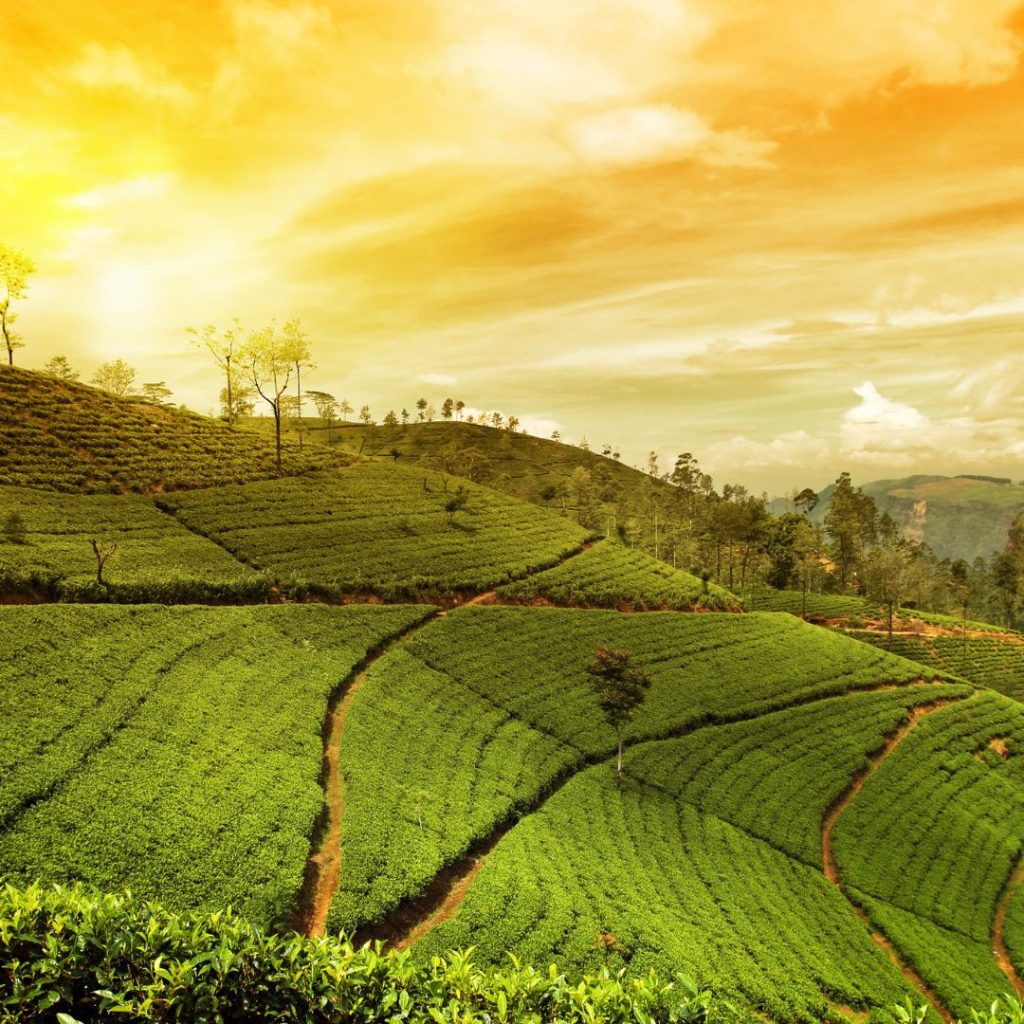
If you travel through Assam slowly—by ferry across the Brahmaputra, by backroad through paddy fields, by tea-garden lanes that smell of rain—you start noticing a certain kind of memory. Not the museum kind, boxed and labelled, but the everyday kind: in place names, in embankments and tanks that still hold water, in rituals, in the way the landscape feels engineered rather than merely inhabited.
That sense of “a lived-in, made landscape” is one of the most enduring legacies of the Ahoms—an empire that began as a migration story and became one of the longest-running dynasties in South Asia. For a traveller, the Ahom story isn’t just about kings and wars. It’s about how people move, settle, adapt, and re-make a new homeland—until the homeland begins to feel inevitable.
This is a travel tale told through anthropology: not “what happened,” but how a migrating community learned to belong, and how belonging itself was built—brick by brick, bund by bund, ritual by ritual.
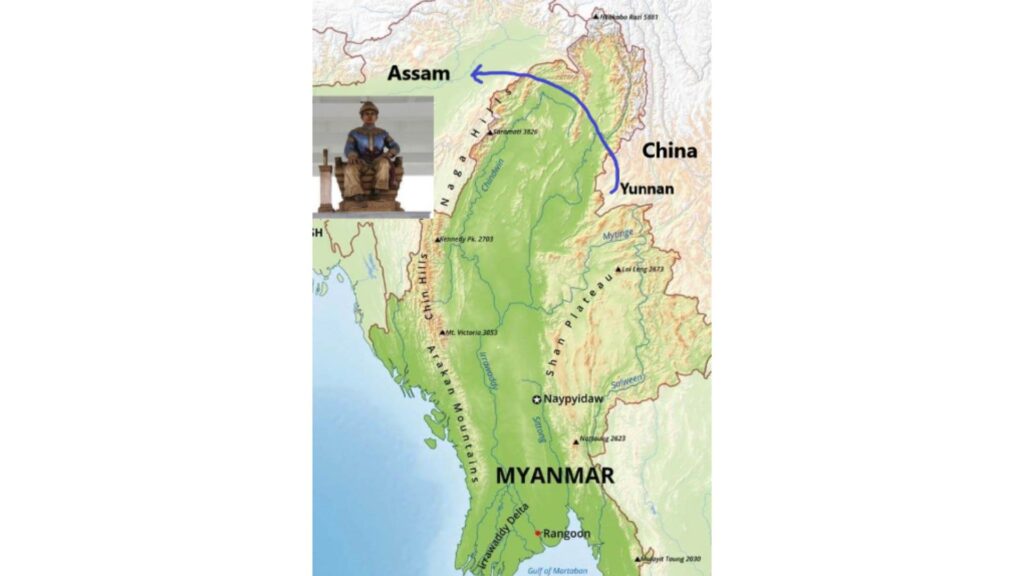
Most origin stories in the region begin with water, and the Ahoms are no exception. Around the early 13th century, a Tai-speaking group moved westward into the Brahmaputra valley, led—according to Assamese chronicles—by Sukapha (often written as Sukaphaa). But if we read this as social science rather than legend, what’s striking is not only that they migrated, but how they settled. Migration is usually imagined as a line on a map. Settlement is something else: it’s when a line turns into a grid, a rhythm, a calendar.
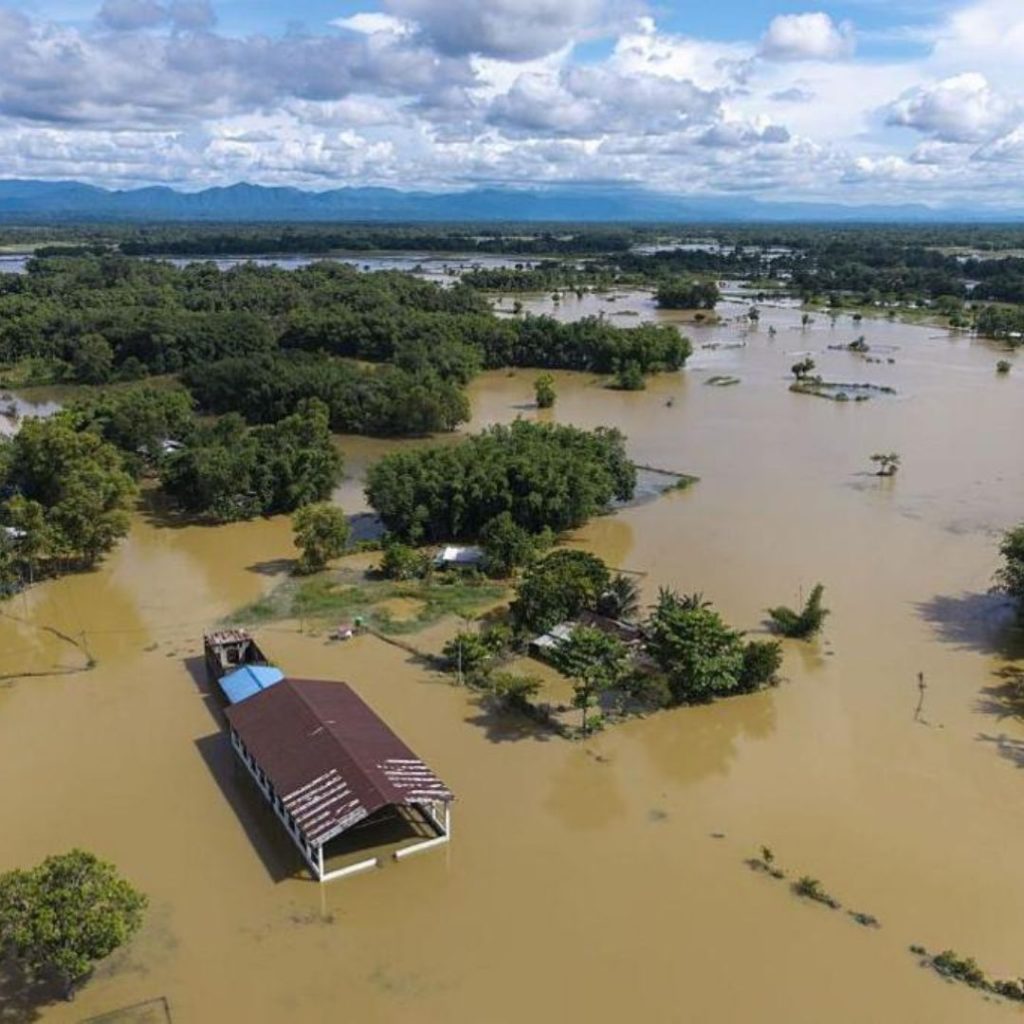
The Brahmaputra valley is not a static landscape. It floods, shifts, erodes, deposits. To settle here is to negotiate with uncertainty. The Ahoms did that through a kind of ecological pragmatism:
Anthropologists call this state formation through integration: power grows not only by conquest, but by weaving multiple lifeworlds into one workable system.
The Ahoms endured partly because they didn’t stay “outsiders who rule”—they learned how to become local without erasing where they came from. Arriving as a Tai-speaking migrant group in the 13th century, they initially maintained distinct rituals and language, but over the centuries their political culture “Assamised” in a very traceable way: the Buranji court chronicles, for instance, were first written in the Ahom language and later increasingly in Assamese, mirroring a shift in administration, elite culture, and public memory. This wasn’t a simple story of assimilation—it was closer to what social scientists call strategic cultural synthesis: a state-building method where legitimacy grows by incorporating multiple communities, adopting shared symbols, and building alliances across difference, so the kingdom becomes a plural “commons” rather than a single-identity project.

You can still travel this layered identity today. Assam’s sacred geography—temples, satras, older ritual landscapes—often sits side by side, reflecting centuries of negotiation rather than a clean replacement of one tradition by another. And the contemporary afterlife of Ahom heritage is very much visible: the Moidams of Charaideo (Ahom royal burial mounds) are now a UNESCO World Heritage property, spotlighting how deeply this past is embedded in the living landscape.
The moidams also reveal a much deeper story about Tai-Ahom ideas of death, royal authority and the way memory was physically embedded into Charaideo’s landscape.
Read more: Decoding the Ahom Moidams: Landscapes and Burials of Power, Memory, and the Afterlife in Assam

In Assam, the Brahmaputra doesn’t just flow—it negotiates. It changes its mind, eats a bank here, gifts a new sandbar there, and reminds everyone that permanence is a bold ambition in a floodplain. The Ahoms lasted anyway—roughly six centuries (c. 1228–1826 CE)—which is almost unbelievable in a subcontinent where thrones often turned over like seasons. Their real superpower wasn’t a single heroic king or one decisive battle. It was something quieter and more durable: they built a kingdom that behaved like the river valley itself—adaptive, networked, and stubbornly alive. Longevity, in this sense, wasn’t just military strength. It was a system that could keep working.
Imagine the Ahom state as a well-run journey through unpredictable terrain. First came their logistics: the Paik system, a social arrangement that turned people into an organised, rotating workforce—hands for the fields, for public works, for defence—so the kingdom wasn’t dependent only on coin or fragile supply chains. Next came the landscape itself as their blueprint: governance through water management—tanks, bunds, granaries, routes—because in a floodplain, the ruler who controls water controls tomorrow. Then came their most underrated skill: making room. They didn’t govern by insisting everyone become the same; they governed by weaving a mosaic—Ahom, Assamese, and many other communities—into shared stakes and shared survival. And when outside pressure arrived—especially the long Mughal push eastward—the Ahoms met it with a battle-hardened military culture that did more than defend borders; it forged a collective “we” strong enough to hold the inside together. In the end, the Ahoms didn’t simply rule Assam. They learned its rhythm—labour, water, identity, defence—and turned that rhythm into a dynasty.

The Ahom legacy is not only in ruins—it’s in routes.
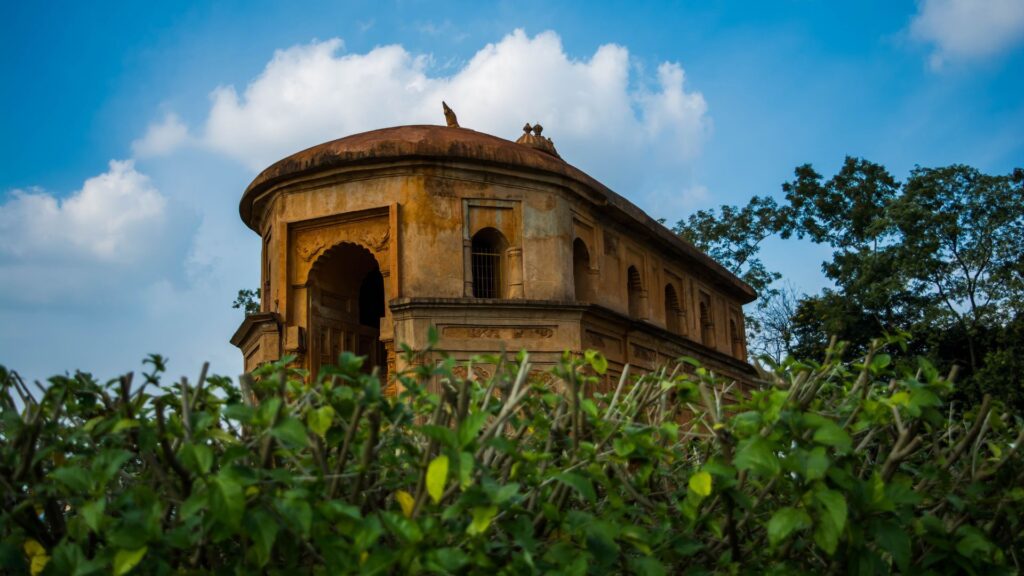
Sivasagar is the heartbeat of Ahom memory:
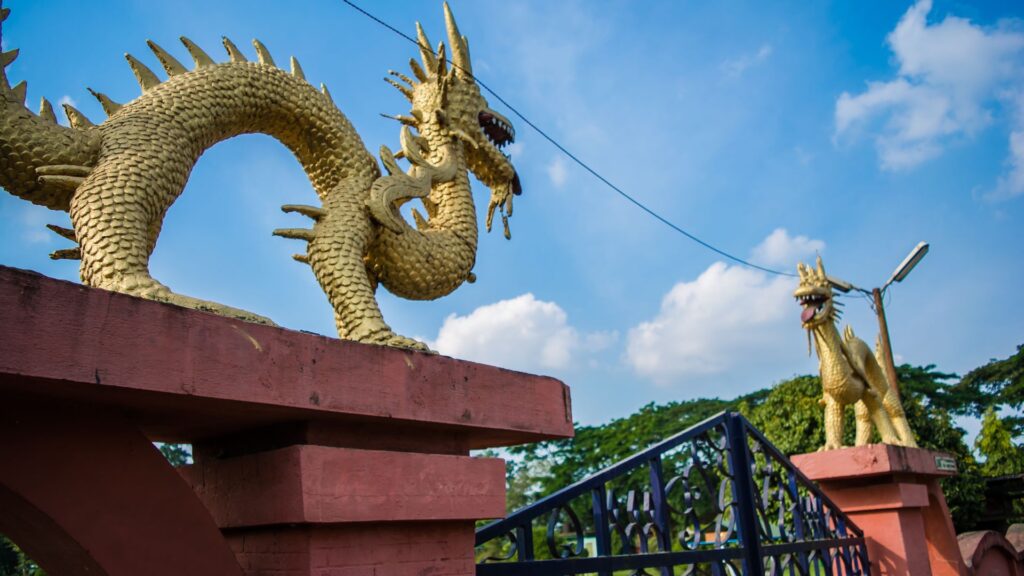
But the deeper legacy is in the cultural landscape:
# | Swargadeo (Ahom name) | Also known as | Reign | One contribution / contemporary hook |
1 | Sukaphaa | Chaolung Sukaphaa | 1228–1268 | Founds the Ahom kingdom and anchors its sacred-political centre at Charaideo. (Wikipedia) |
2 | Suteuphaa | — | 1268–1281 | Early continuity + consolidation of the new kingdom (records are sparse in popular summaries). (Wikipedia) |
3 | Subinphaa | — | 1281–1293 | Defines the Satghariya Ahom (the “Seven Houses” aristocratic order). (Wikipedia) |
4 | Sukhaangphaa | — | 1293–1332 | A long, steady reign—stabilises succession and settlement in the early Ahom phase. (Wikipedia) |
5 | Sukhrangpha | — | 1332–1364 | Establishes the post of Charing Raja (heir-apparent institution). (Wikipedia) |
6 | Sutuphaa | — | 1369–1376 | Rules during turbulence; reign ends in assassination (a marker of factional strain). (Wikipedia) |
7 | Tyao Khamti | — | 1380–1389 | Another short, volatile reign ending in assassination—signals a fragile throne era. (Wikipedia) |
8 | Sudangphaa | Bamuni Konwar | 1397–1407 | First to perform the royal coronation rite Singarigharutha—a big “state ritual” turning point. (Wikipedia) |
9 | Sujangphaa | — | 1407–1422 | Continuity reign that keeps the kingdom stitched together after earlier instability. (Wikipedia) |
10 | Suphakphaa | — | 1422–1439 | Consolidation reign—steady inheritance in the early dynastic cycle. (Wikipedia) |
11 | Susenphaa | — | 1439–1488 | Very long reign—durability through routine governance (less monument-linked in popular memory). (Wikipedia) |
12 | Suhenphaa | — | 1488–1493 | Short reign ending in assassination—again highlighting succession pressure. (Wikipedia) |
13 | Supimphaa | — | 1493–1497 | Transitional reign—sets up the stage for the next major expansionary phase. (Wikipedia) |
14 | Suhungmung | Swarganarayan; Dihingia Raja I | 1497–1539 | Major territorial expansion, plus early Assamese state-writing: first Assamese Buranji tradition and stronger Hindu court influence. (Wikipedia) |
15 | Suklenmung | Garhgayaan Raja | 1539–1552 | The Garhgaon capital era is firmly visible in this reign’s seat of power. (Wikipedia) |
16 | Sukhaamphaa | Khuraa Raja | 1552–1603 | A long reign of administrative continuity centred at Garhgaon. (Wikipedia) |
17 | Susenghphaa | Pratap Singha (Burha Raja) | 1603–1641 | Expands westward; reorganises the Paik system and creates offices like Borbarua/Borphukan—state “infrastructure.” (Wikipedia) |
18 | Suramphaa | Jayaditya Singha | 1641–1644 | Short reign ending in deposition—the era when kingmaking power tightens around nobles. (Wikipedia) |
19 | Sutingphaa | Noriya Raja | 1644–1648 | Another deposed ruler—succession politics becomes visibly volatile. (Wikipedia) |
20 | Sutamla | Jayadhwaj Singha | 1648–1663 | First coins minted in the new king’s name—a classic marker of sovereignty. (Wikipedia) |
21 | Supangmung | Chakradhwaj Singha | 1663–1670 | Under him the Ahoms take back Guwahati from the Mughals—the comeback arc begins. (Wikipedia) |
22 | Sunyatphaa | Udayaditya Singha | 1670–1672 | Deposed—a brief reign amid the “musical chairs” of late-1600s succession. (Wikipedia) |
23 | Suklamphaa | Ramadhwaj Singha | 1672–1674 | Short reign ending in poisoning—court intrigue becomes the story. (Wikipedia) |
24 | Suhung | Samaguria Raja (Khamjang) | 1674–1675 | Ultra-short reign; deposed—a flash-point in dynastic instability. (Wikipedia) |
25 | Gobar Roja | — | 1675 | 24-day reign—symbol of the crisis years rather than a builder-king. (Wikipedia) |
26 | Sujinphaa | Arjun Konwar; Dihingia Raja II | 1675–1677 | Short reign ending in deposition/suicide—the throne is a contested prize. (Wikipedia) |
27 | Sudoiphaa | Parvatia Raja | 1677–1679 | Deposed and killed—a stark sign of how violent succession became. (Wikipedia) |
28 | Sulikphaa | Ratnadhwaj Singha (Lora Raja) | 1679–1681 | Introduces the “unblemished claimant” rule—succession managed through bodily marking, not mass executions. (Wikipedia) |
29 | Supaatphaa | Gadadhar Singha | 1681–1696 | Establishes the Tungkhungiya line; his reign sparks the 1682 push that expels Mughals from Guwahati. (Wikipedia) |
30 | Sukhrungphaa | Rudra Singha | 1696–1714 | Builds “heritage Assam”: Joysagar Tank (1697) and the Rangpur capital landscape takes shape. (Indian Culture) |
31 | Sutanphaa | Siva Singha | 1714–1744 | Shares royal insignia with queens who rule as Bor-Rojaa; Sivasagar’s sacred-city vibe accelerates. (Wikipedia) |
32 | Sunenphaa | Pramatta Singha | 1744–1751 | Builds Rang Ghar (1746)—the “royal entertainment pavilion” that’s now peak photo-stop heritage. (Wikipedia) |
33 | Suremphaa | Rajeswar Singha | 1751–1769 | Major additions to Talatal Ghar; also marks the shift where some maidams begin to house cremated ashes. (Wikipedia) |
34 | Sunyeophaa | Lakshmi Singha | 1769–1780 | The Moamoria Rebellion begins in his reign—one of the biggest shocks to Ahom stability. (Wikipedia) |
35 | Suhitpangphaa | Gaurinath Singha | 1780–1795 | Commissions a scholarly re-examination of dynastic chronology—why we have “accepted dates” today. (Wikipedia) |
36 | Suklingphaa | Kamaleswar Singha | 1795–1811 | The Moamoria cycle winds down by this era; late-Ahom governance runs under heavy internal strain. (Wikipedia) |
37 | Sudingphaa (I) | Chandrakanta Singha | 1811–1818 | Pre-Burmese-crisis rule—soon swept into the 1817–1826 Burmese invasions era. (Wikipedia) |
38 | Purandar Singha (I) | — | 1818–1819 | Brief reign amid Burmese-era upheaval; quickly deposed. (Wikipedia) |
39 | Sudingphaa (II) | Chandrakanta Singha | 1819–1821 | Returns, then flees the capital as Burmese pressure peaks. (Wikipedia) |
40 | Jogeswar Singha | — | 1821–1822 | Installed as a Burmese puppet—a dramatic sign of lost sovereignty. (Wikipedia) |
41 | Purandar Singha (II) | (protected prince) | 1833–1838 | Restored by the British as a tributary ruler in Upper Assam; annexed in 1838—final curtain. (Wikipedia) |
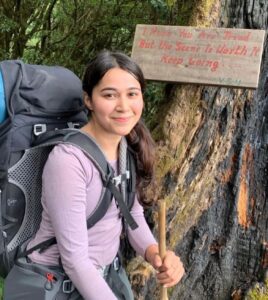
Equal parts policy wonk and wanderlust junkie, Kavya brings together her training in environmental economics and political science with an enduring curiosity about how the world works — and how it could work better. By day, she’s a public health researcher and advocate, working at the intersection of people, systems, and the planet.
Off the clock? She’s a storyteller, active rester, and cat mama.