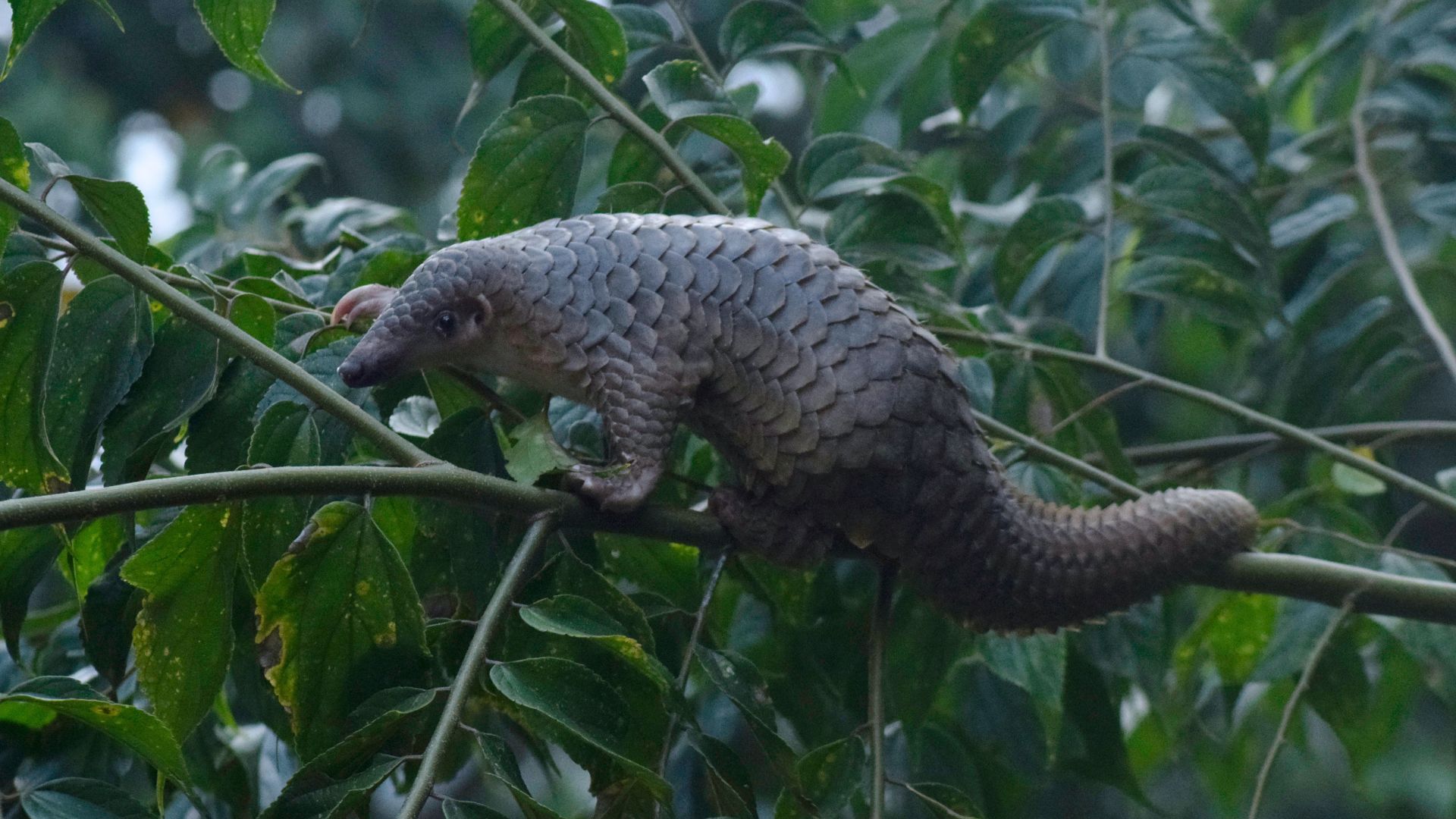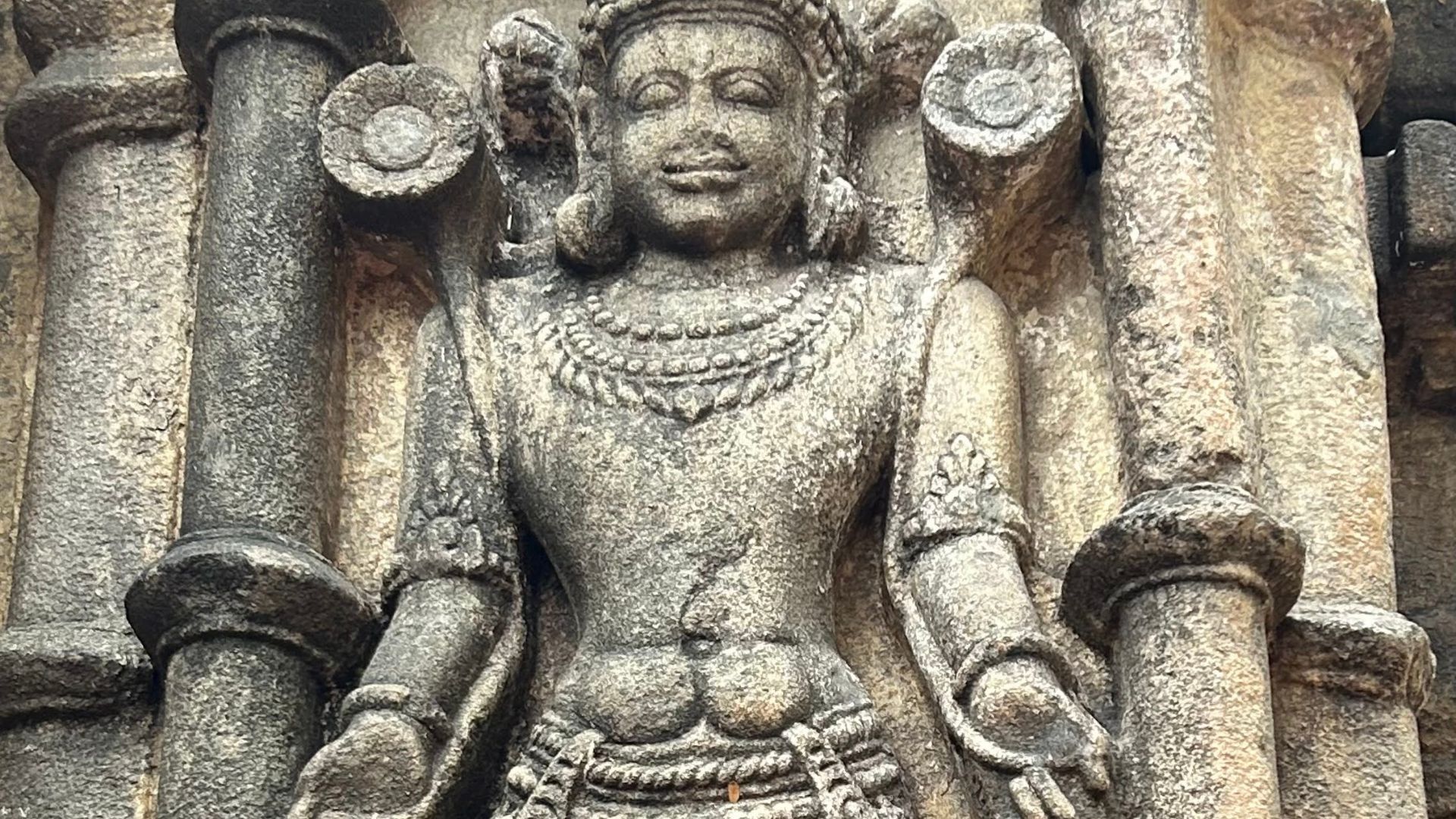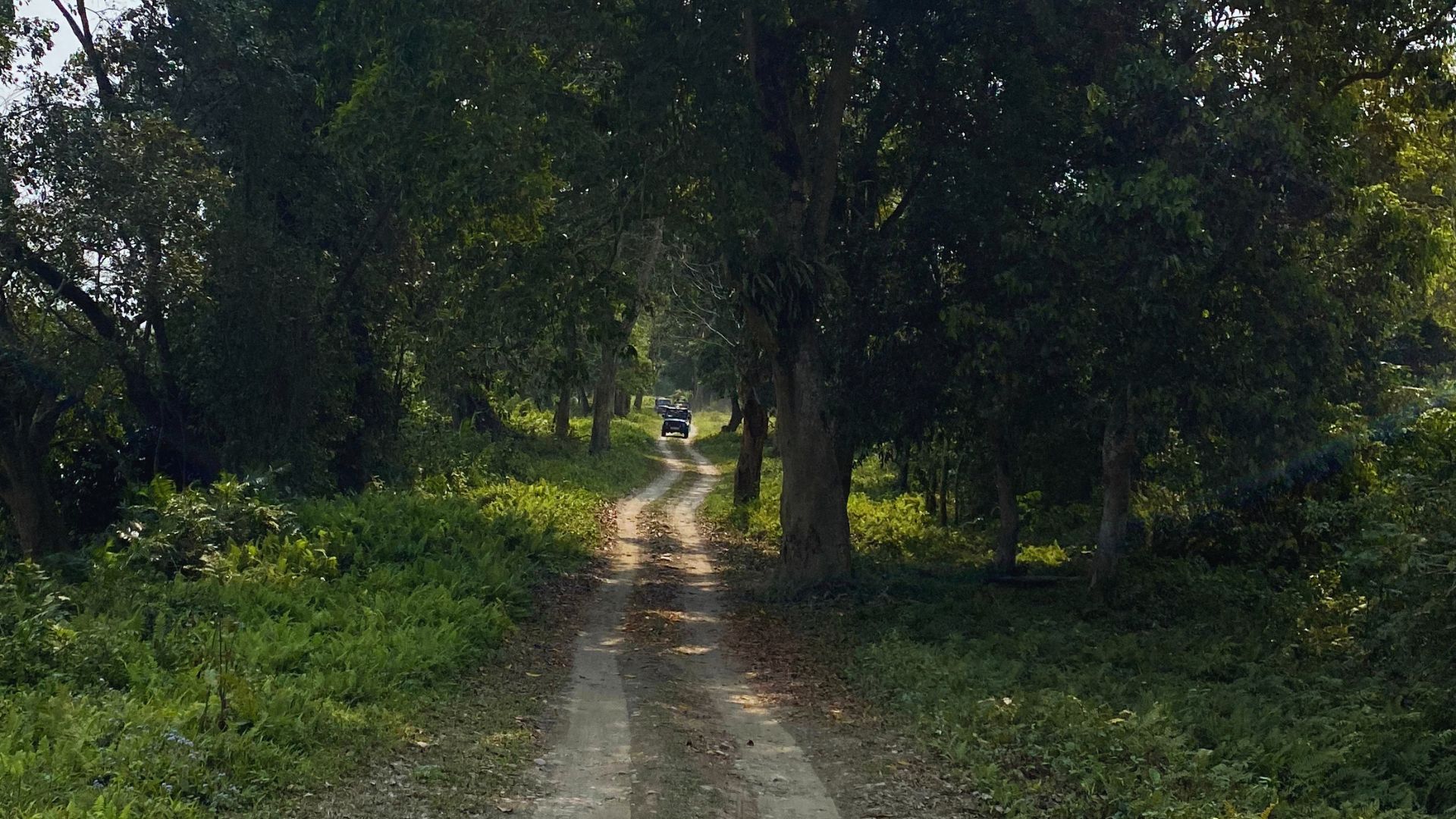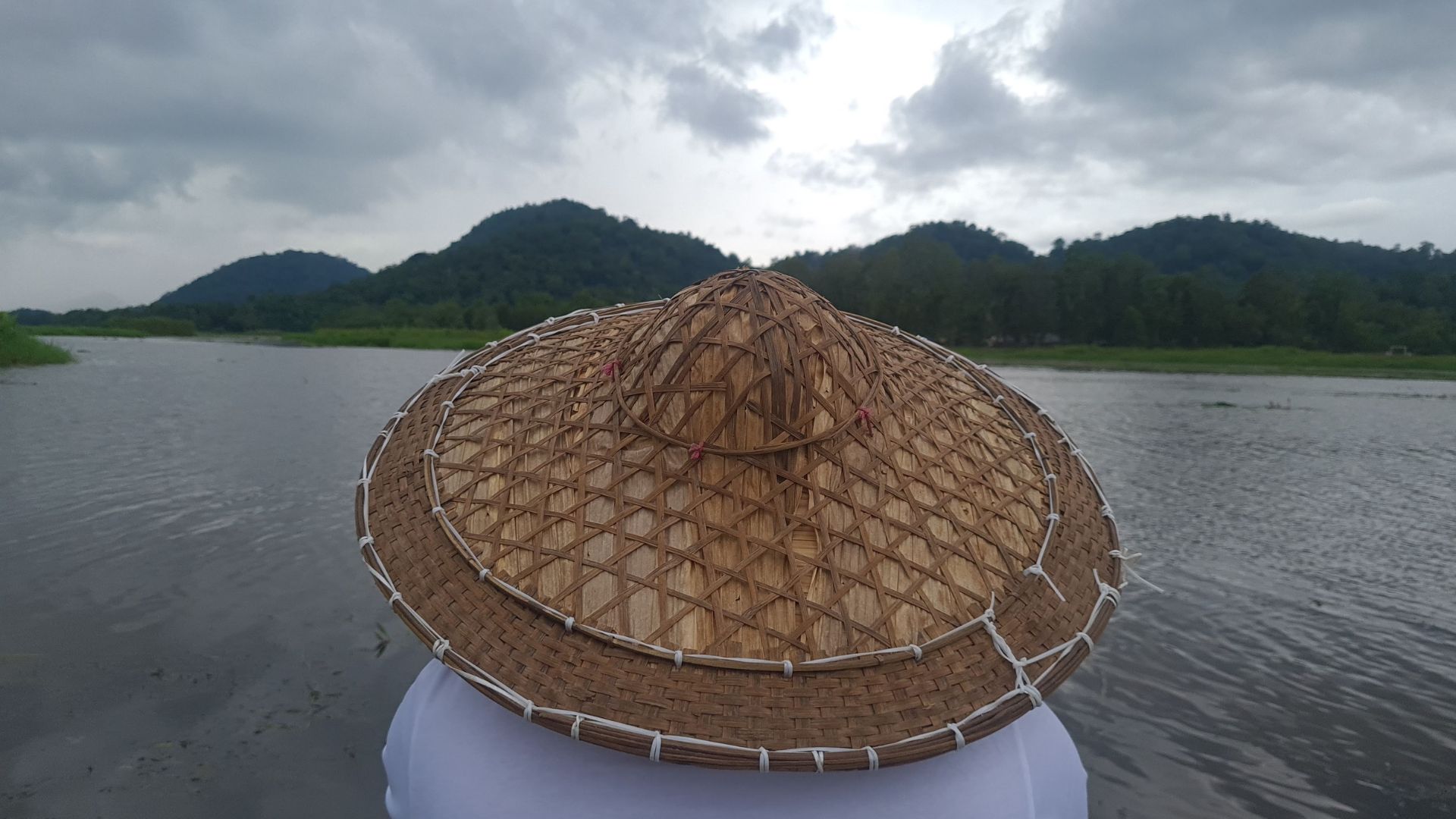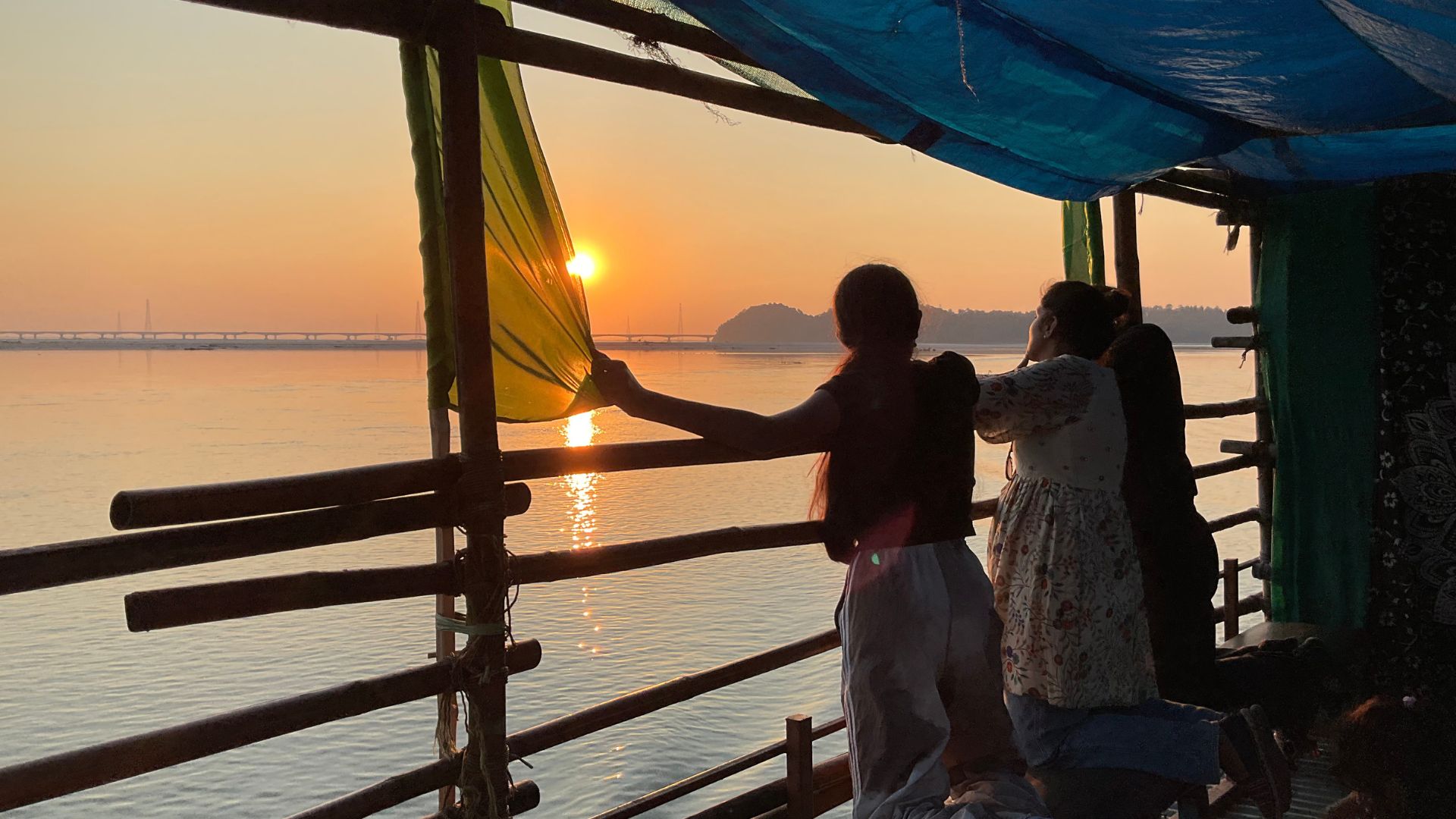
There is a different Assam along the northern bank of the Brahmaputra, one that has resisted, quite stubbornly, the tidying impulse of the modern tourism map.
For most travellers, Assam means Kaziranga: the managed spectacle of rhino-sighting, the park gates opening and closing on schedule, the state’s most legible wildlife narrative. But westward, where the Brahmaputra floodplain gives way to the foothills of Bhutan and the river system fragments into a dozen tributaries—the Beki, the Manas, the Bholkaduba—a different landscape persists. It is older in character, less administered, and far more quietly extraordinary.
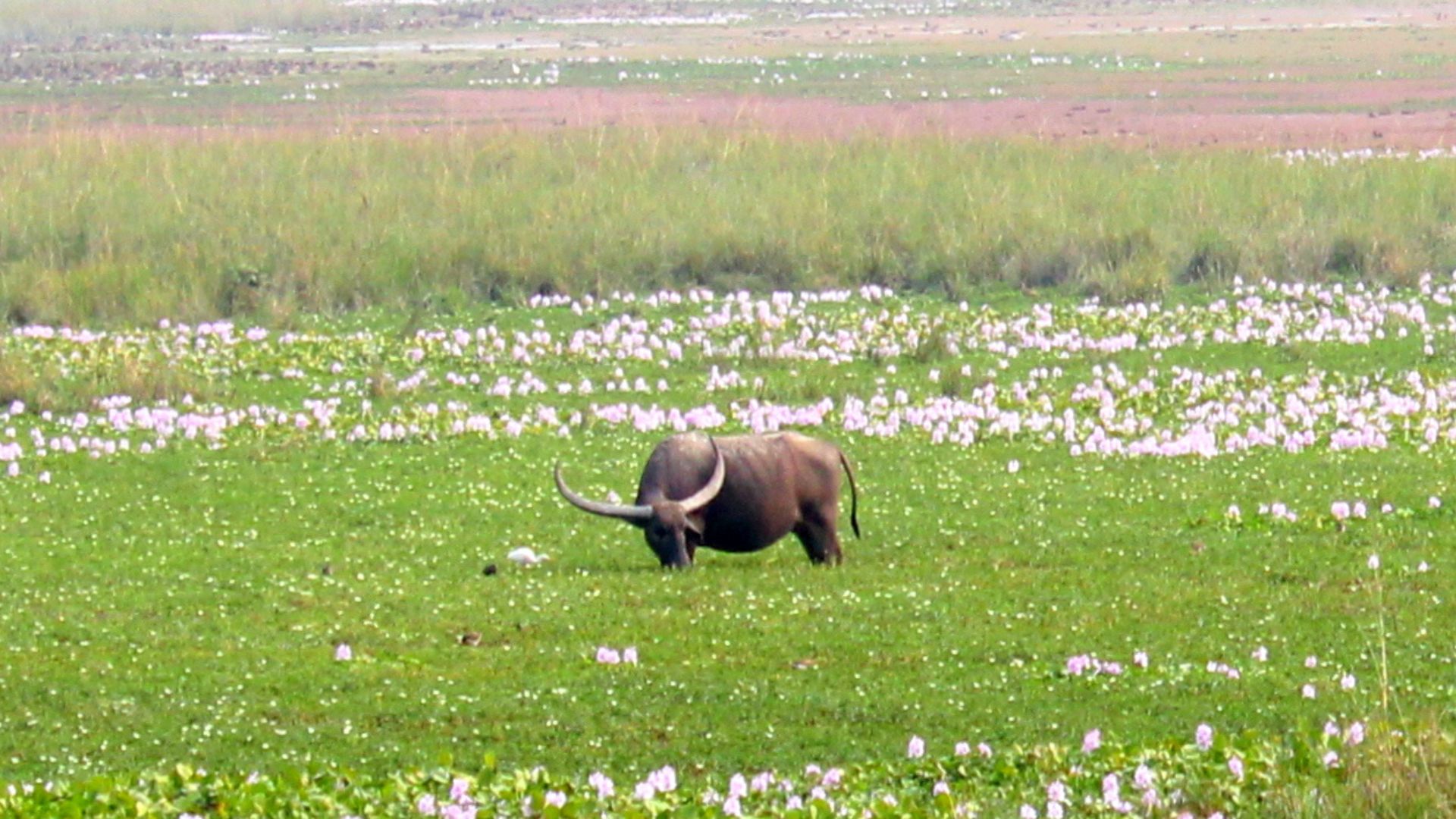
Manas sits at the heart of this country. A UNESCO World Heritage Site that was once nearly lost to conflict, it has been painstakingly restored through years of conservation work, much of it inseparable from the Bodo communities who live alongside the forest. The forests here are not simply fenced spaces set apart from human life. They are working landscapes, where the territories of golden langurs overlap with the grazing routes of wild buffalo, where grasslands are maintained through controlled burning, and where communities have developed their own ways of living alongside an extraordinary concentration of wildlife.
The conservation story of Manas is therefore inseparable from the human story beside it.
This journey begins in Guwahati, among sacred hills that have watched the Brahmaputra change course over centuries. We follow the river westward, through its working waters and floodplains, into Manas and its riverine forests, along the Beki beneath the foothills of Bhutan, and into villages where weaving, food and everyday life remain closely connected to the landscape.
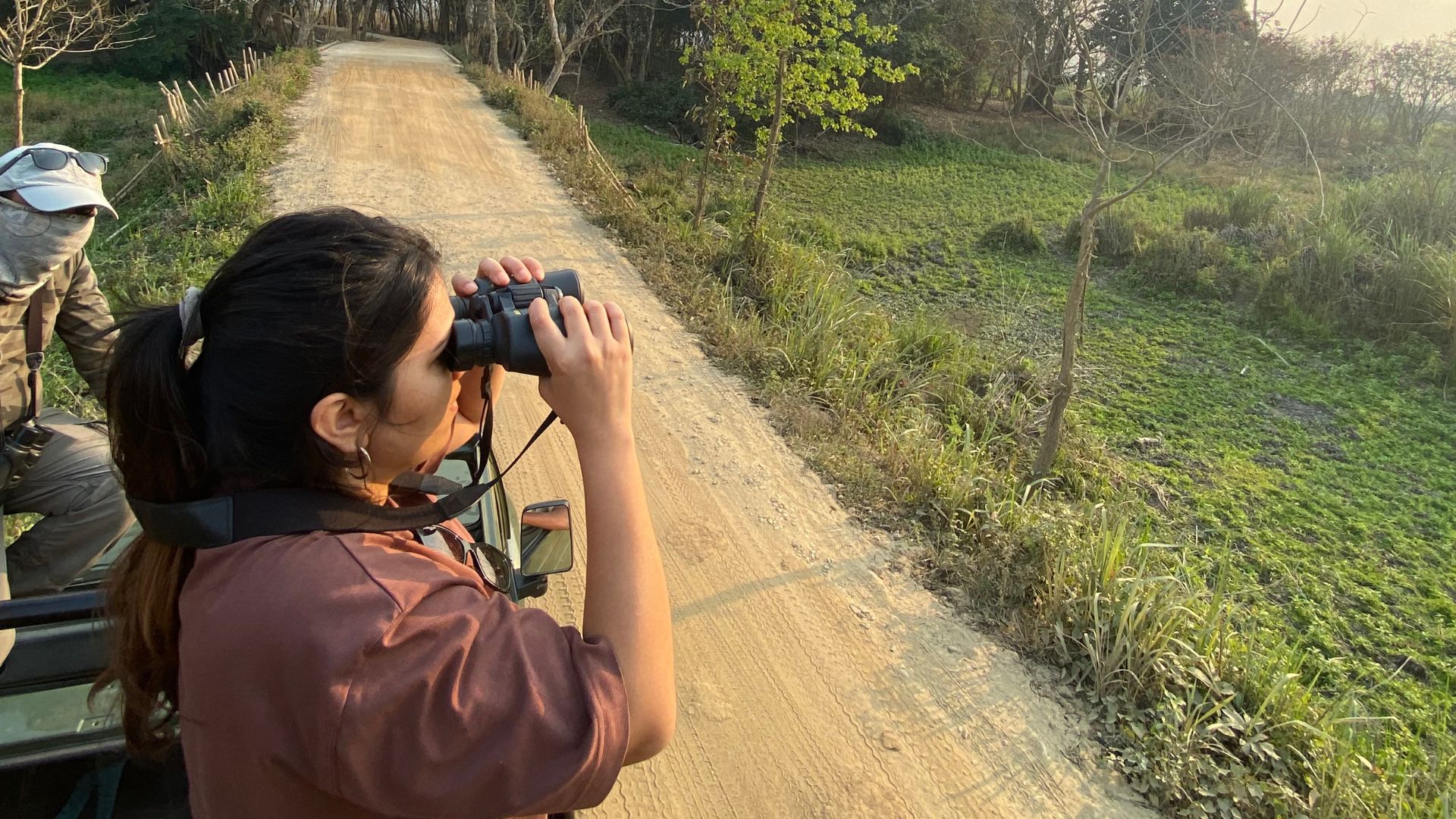
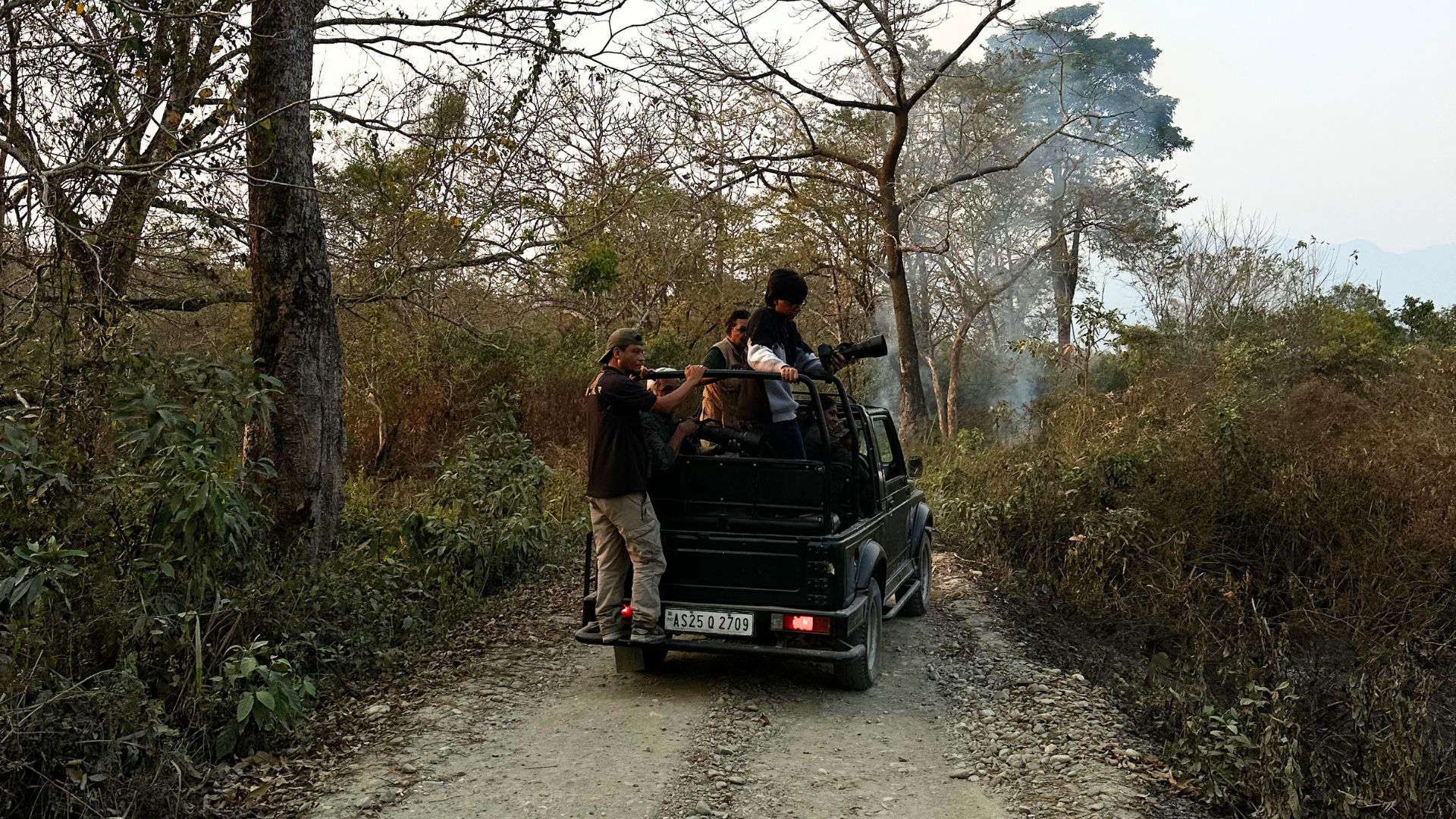
There are two distinct ranges of Manas to explore, each offering a different reading of the forest. There are night safaris, where the forest reveals an entirely different character after dark. There are rivers to drift, forests to walk, and communities to spend time with. And there is Pobitora, where an astonishing concentration of rhinoceros occupies a small and intensely contested patch of Brahmaputra floodplain.
Along the way, we will encounter a landscape where park boundaries, conservation zones and modern administration sit alongside much older patterns of movement, livelihood and human-animal coexistence.
This is not a wildlife tour in the conventional sense. Wildlife is at its heart, but the journey is as much about understanding the landscape that makes that wildlife possible: the rivers that shape it, the forests that hold it, and the people who have learned to live alongside it.
A journey for those willing to sit quietly, look beyond the sighting, and pay attention to what makes this part of Assam what it is.
YOUR BASE IN MANAS
Your stay in Manas is at a Jungle Lodge, a property on the edge of the national park. Set within the forest fringe, surrounded by sal and teak, the lodge offers the particular luxury of proximity to the river, to the wildlife corridors, and to the sounds that begin at dusk and do not fully cease until morning.
The lodge is not an attempt at five-star isolation from the landscape. It is an attempt to sit within it. The hosts bring years of experience in the forests of Manas, and their knowledge of the park’s ecology, its restoration and the communities around it becomes part of the experience.
Note: The lodge featured in this itinerary is our preferred property and is subject to availability. In the event that it is unavailable for your travel dates, we may arrange an alternative property of a similar standard and character in or around Manas. We will ensure that the alternative meets our comfort and service standards and remains aligned with the overall character of the journey.
Who Is This Chapter For?
This chapter is for travellers who are drawn to landscapes where nature and human settlement have not been fully separated, where the boundary between a national park and the village beside it is more negotiation than fence.
It is particularly suited to those who find wildlife most compelling in context — not simply the sighting of a species, but the understanding of why it is here, what threatens it, what saved it, and who lives alongside it. If you would rather spend time with a naturalist who knows the forest by sound than tick off a list of species from the back of a jeep, you will find this journey absorbing.
It is also for those who are curious about the quieter forms of conservation — the controlled burns, community involvement and everyday decisions that rarely appear in the tourism brochure but have helped keep these forests standing.
If you are looking for a fast-paced wildlife safari packed with guaranteed sightings, this may not be the right journey. Manas asks you to watch, to wait, and to understand that what you see is only one layer of a far older, more intricate arrangement.
This journey has been designed for people who want to understand a landscape rather than merely visit it. If you are drawn to wildlife in context, the forest, the river, the community and if you would rather spend time with a knowledgeable naturalist than race between sightings, you will find this deeply rewarding.
If you are looking for a fast-paced wildlife safari with guaranteed sightings at every turn, this may not be the right fit. Manas rewards patience, not haste.
This itinerary is best suited for adult travellers who enjoy slow-paced, immersive wildlife and cultural experiences. Most activities involve jeep safaris, boat rides, and moderate walks. Participants should be comfortable with early mornings, outdoor conditions, and forest environments.
This is an easy to moderate experience. Most activities involve jeep safaris, boat rides, village walks, and short guided walks through natural landscapes. No prior trekking experience is required, but comfortable walking shoes with good grip are recommended.
In Guwahati, you stay at a heritage homestay. A century-old heritage home in Uzanbazar with traditional Assamese architecture, vintage furnishings, rooftop gardens, and homestyle cuisine. Located three minutes from the Brahmaputra River, In Manas, your stay is at a Jungle Lodge a comfortable property on the edge of the national park, surrounded by forest. The lodge offers well-maintained rooms, good food, and the particular advantage of proximity to the wildlife corridors. It is professionally managed by hosts with deep knowledge of the forest and its ecology.
Accommodation Note: The lodge and heritage homestay featured in this itinerary is our preferred property and is subject to availability. In the event that it is unavailable for your travel dates, we may arrange an alternative property of a similar standard and character. We will ensure that the alternative meets our comfort and service standards and remains aligned with the overall character of the journey.
Accommodation is provided on a double-sharing basis. Single occupancy may be available at an additional cost, subject to availability.
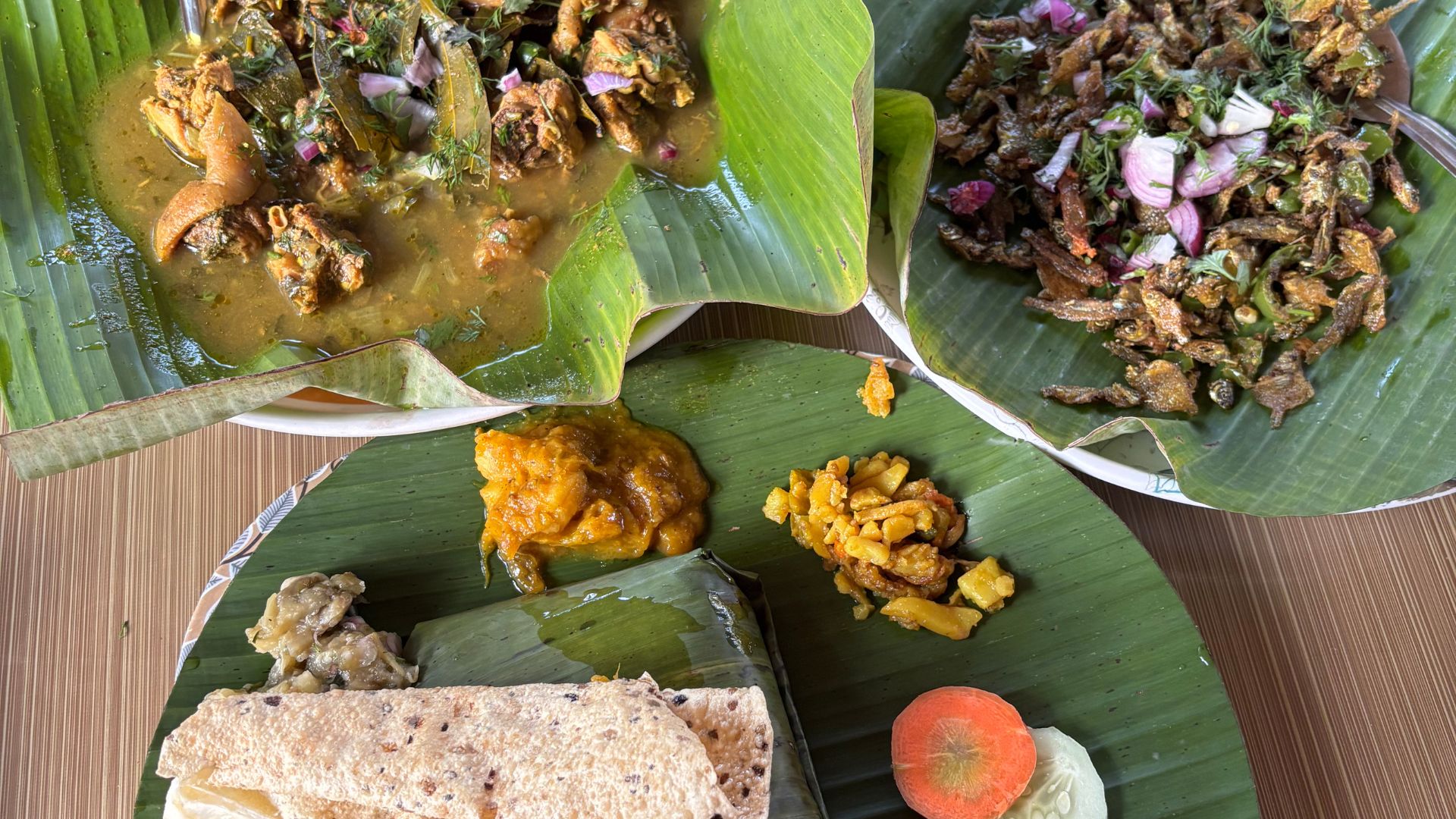
Food is one of the quiet highlights of this journey. In Guwahati, expect traditional Assamese cuisine, river fish, seasonal greens, alkali-based preparations, and the distinctive flavours of the Brahmaputra Valley. In Manas, meals at the lodge draw on local ingredients and regional recipes. In the Bodo villages, the food is seasonal, home-cooked, and prepared with an intimacy that no restaurant can replicate.
Yes, vegetarian meals are available and can be arranged with prior notice. While the region’s cuisine is traditionally meat- and fish-heavy, vegetarian options using local produce can be prepared throughout the journey.
Yes. This is a floodplain landscape, and water, its presence, its absence, its moods shapes everything. The Brahmaputra boat experience may be adjusted during high-water periods. The Beki River drift depends on water levels. Manas National Park closes during peak monsoon (typically May–September). Pobitora may be partially waterlogged during and after the rains.
Any changes are made with guest safety, comfort, and the quality of the experience in mind.
Yes. The guided experiences are led by knowledgeable local naturalists, wildlife guides, and community members who bring each experience to life through their personal knowledge, lived experience, and deep familiarity with the landscape. The Manas safaris, in particular, are accompanied by guides whose understanding of the forest has been built over years of patient, daily observation.
Yes. This Handpicked Itinerary serves as a thoughtfully curated journey and can be personalised for private travellers based on their interests, travel dates, group size, and preferred pace.
Our team will be happy to help tailor the experience while preserving the essence of the journey.
The journey has been intentionally designed around depth rather than distance. Instead of trying to cover all of Assam’s wildlife destinations, the itinerary gives you time to settle into Guwahati’s remarkable cultural landscape, spend meaningful days in Manas absorbing the forest at its own pace, and experience Pobitora’s extraordinary rhino floodplain without rushing.
The additional days allow the journey to unfold at a pace that matches the landscape, one that rewards the patient observer, not the hurried collector of sightings.
The core experiences of the itinerary are carefully planned, but not every moment is fixed. Wildlife does not operate on a schedule, and some of the most remarkable encounters happen when you are not expecting them. The safari timings follow the park’s rhythms. The river drift follows the river’s. Part of the character of this journey is allowing space for the landscape to surprise you.
The itinerary provides the framework. The floodplain fills in the details.