When you enter the Northeast with a planner’s brain, you expect time to behave like a spreadsheet: neat columns, crisp deadlines, predictable seasons. But the first thing you notice—if you’re paying attention—is that people don’t always speak time as “the 14th” or “next month.” They speak it as a condition.
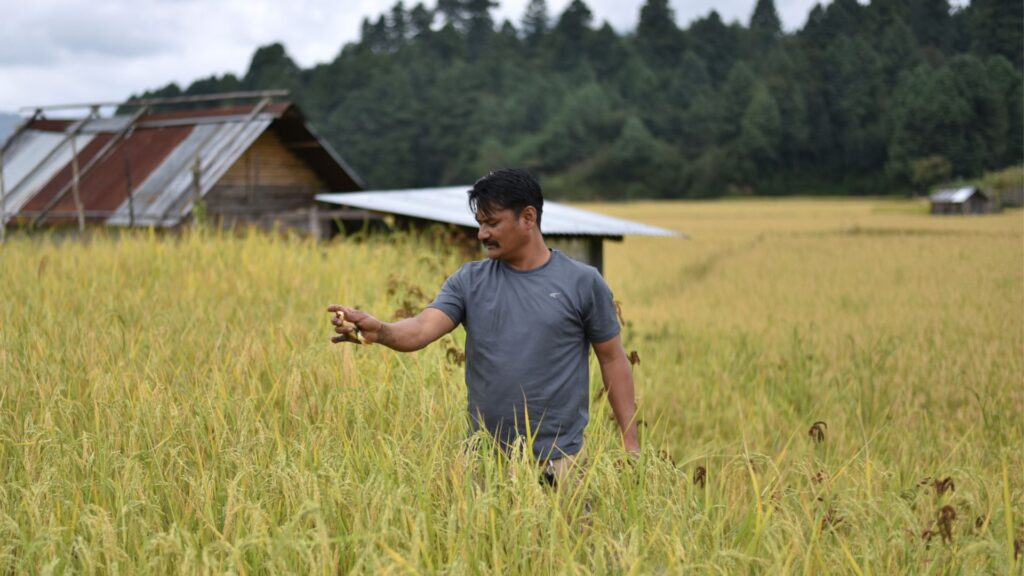
Time is “when the rains settle,” “after the river calms,” “before the paddy work begins,” “when the bamboo is doing that thing.” It’s not an abstract ruler laid over life. It’s life itself becoming measurable through relationships: to soil, to kin, to spirits, to memory.
Anthropologically, this is a different ontology of time: not time-as-container, but time-as-ecology. The Gregorian calendar is present—school admissions, office leaves, train schedules—but it sits alongside older systems that feel less like “tradition” and more like a lived interface with the world. People move between these systems the way multilingual speakers code-switch: efficiency here, meaning there, survival everywhere.
In many Northeast communities (Khasi, Garo, Pnar/Jaintia, Mising, Apatani, Bodo, Naga groups, Mizo, Monpa, Karbi, Nyishi, and others), time often reads as return, not arrival.
Linear time loves the story of “moving forward.” Cyclical time says: we come back, but we return changed. The year is a spiral, not a loop. You sow again, harvest again, clean again—but each repetition carries the residue of last year’s floods, last year’s illness, last year’s marriages, last year’s disputes, last year’s prayers that worked (or didn’t).
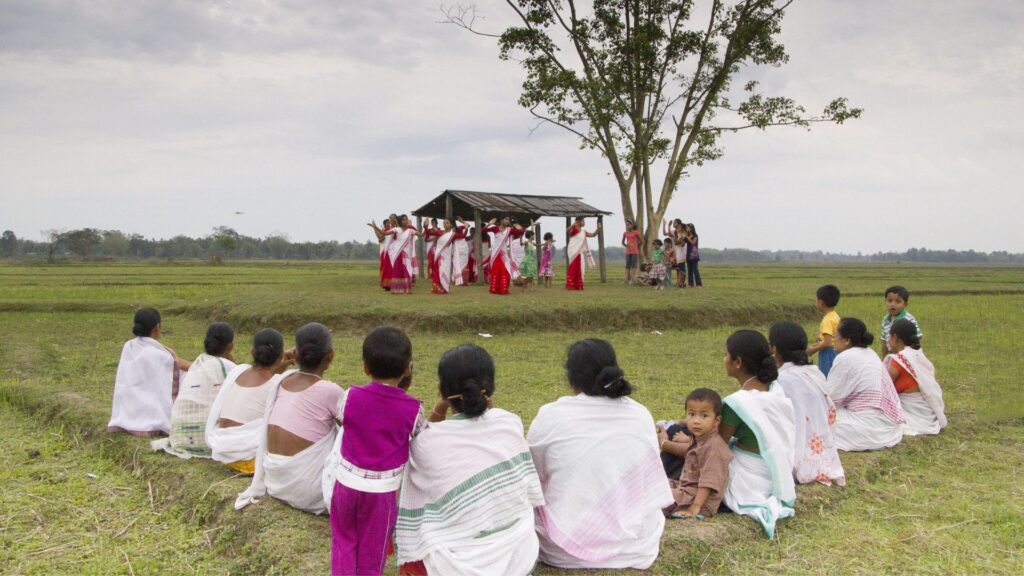
This matters because cyclical time builds a social ethic: you can’t treat the present as disposable if you know you’ll meet it again. The field you exhaust will greet you next season. The conflict you ignore will show up at the next collective feast. In this sense, festivals aren’t leisure breaks. They’re infrastructure—maintenance cycles for community life.
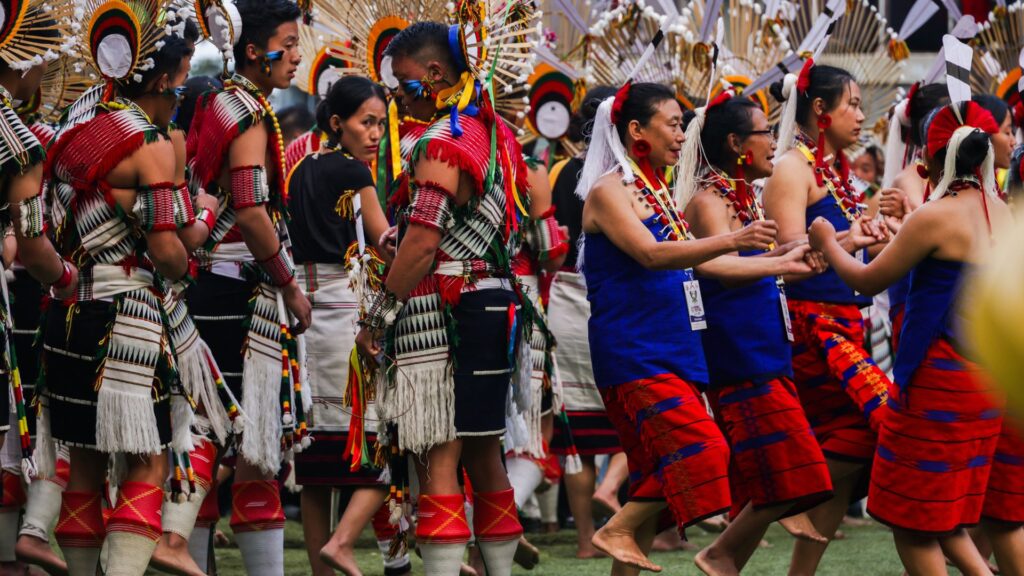
If clocks discipline individuals (“be on time”), festivals discipline societies (“be together”). They’re not just celebrations; they’re temporal technologies—ways of coordinating labor, emotion, morality, memory, and identity across many people at once.
A useful anthropological lens here is “time made public.” A festival turns the private—fatigue, gratitude, fear, hope—into something collectively performed. It makes time visible.
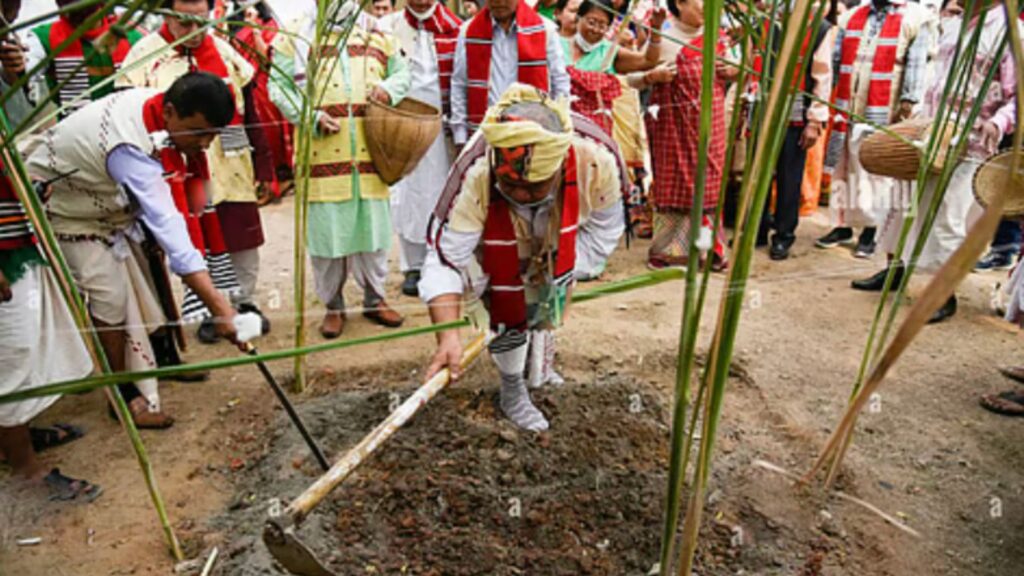
These festivals announce: the year begins when work with the earth begins. New Year isn’t a date; it’s an ecological threshold.
You’ll often feel the village’s energy shift before the festivities even start. People clean. Tools are repaired. Homes are set right. Social tensions get managed because you don’t enter the sowing season fractured—agriculture demands cooperation.
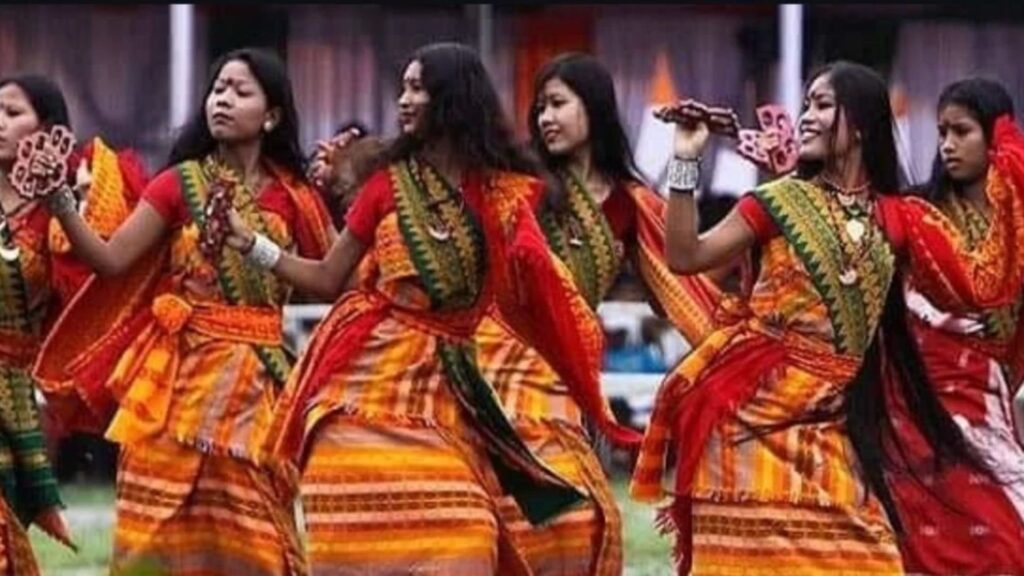
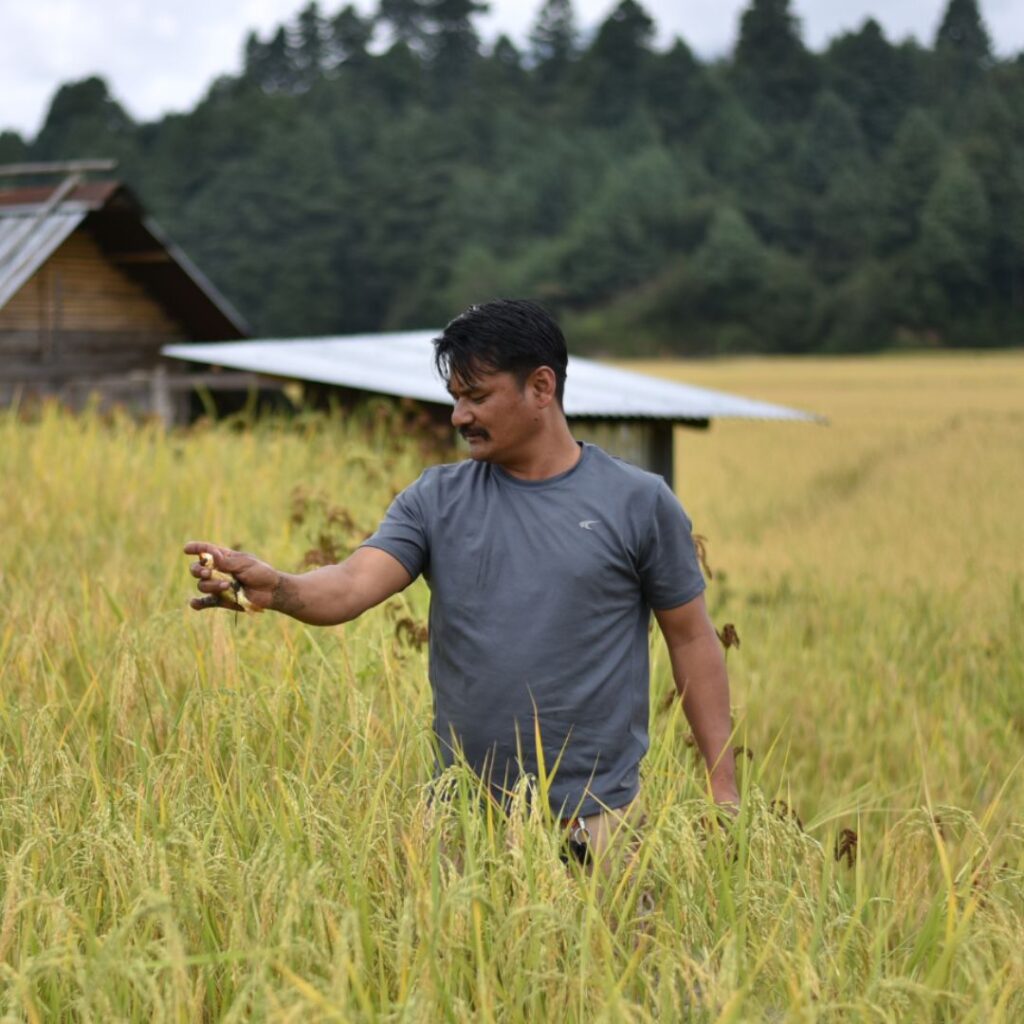
Harvest festivals are about surplus—but also about what surplus means. Food becomes a moral language: it tells stories about cooperation, luck, skill, and the land’s generosity. In many places, harvest time produces a distinct kind of social heat: people are physically relieved, emotionally open, socially available. The calendar loosens; visits multiply; songs and jokes return. You can feel the village exhale.

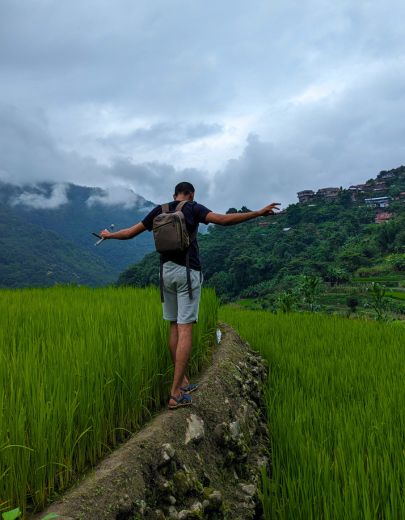
Agriculture doesn’t just respond to time; it generates time. The body becomes a calendar: aching shoulders announce planting season; a particular tiredness belongs to harvest. Fields become clocks with their own hands: seedlings rising, grains thickening, stubble left behind like punctuation.
Different crops carry different tempos. Some are fast and anxious, others slow and steady. So “the year” is actually a bundle of many years: rice-time, millet-time, maize-time, each with its own rhythm.
These festivals treat time as something that accumulates residue—conflict, impurity, misfortune, exhaustion—and therefore needs cleaning. This is time with a conscience. Modern calendars imagine you can “start fresh” by flipping a page. Ritual calendars insist: freshness requires work. Cleansing rituals make moral life visible: to be well, you must be aligned—with community norms, with the sacred, with the self.

These festivals show that “timekeeping” isn’t only about farming. It’s also about ethics: what kind of people we must be as the year turns.
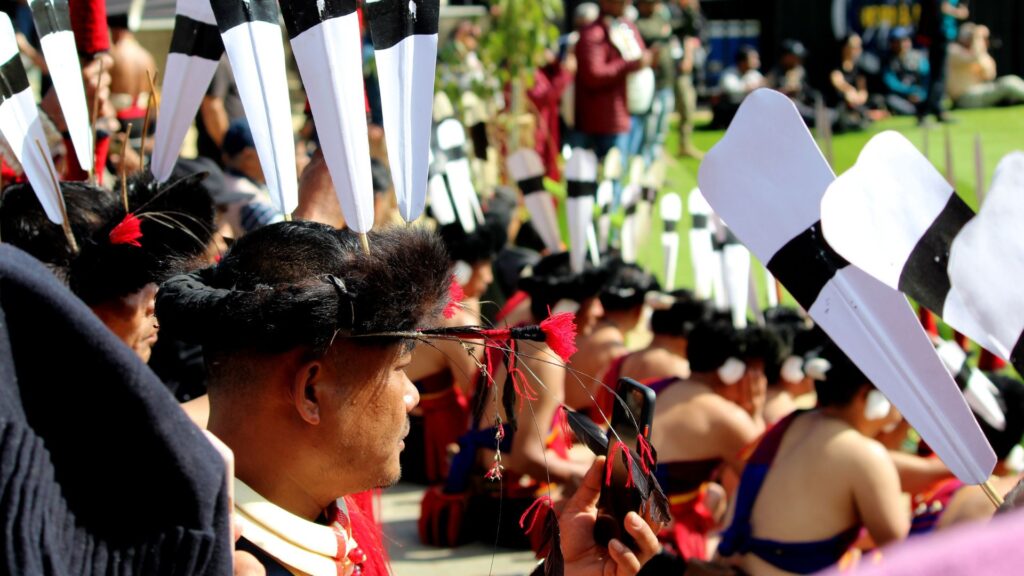
Identity festivals are timekeeping at the level of narrative. They answer: Who are we, across generations? They gather fragments—songs, textiles, dances, cuisines, stories—and stitch them into a shared “now.”
They also respond to modern pressures: migration, schooling, media, tourism, state categories. In that sense, they’re not only cultural—they’re political time.
The moon is the oldest public clock: everyone can see it; no one owns it. Lunar time often feels especially suited to sacred life because it insists on attention. You have to look up, notice, remember. Moon phases also create a shared rhythm across distance—villages separated by terrain can still synchronize by sky.
Ritually, lunar time makes the year feel like breathing: waxing, full, waning, dark, and again. It teaches that absence (the dark moon) is not failure—it’s part of the cycle. That’s a powerful philosophy in places where land, weather, and labor are never perfectly controllable.
Equal parts policy wonk and wanderlust junkie, Kavya brings together her training in environmental economics and political science with an enduring curiosity about how the world works — and how it could work better. By day, she’s a public health researcher and advocate, working at the intersection of people, systems, and the planet.
Off the clock? She’s a storyteller, active rester, and cat mama.