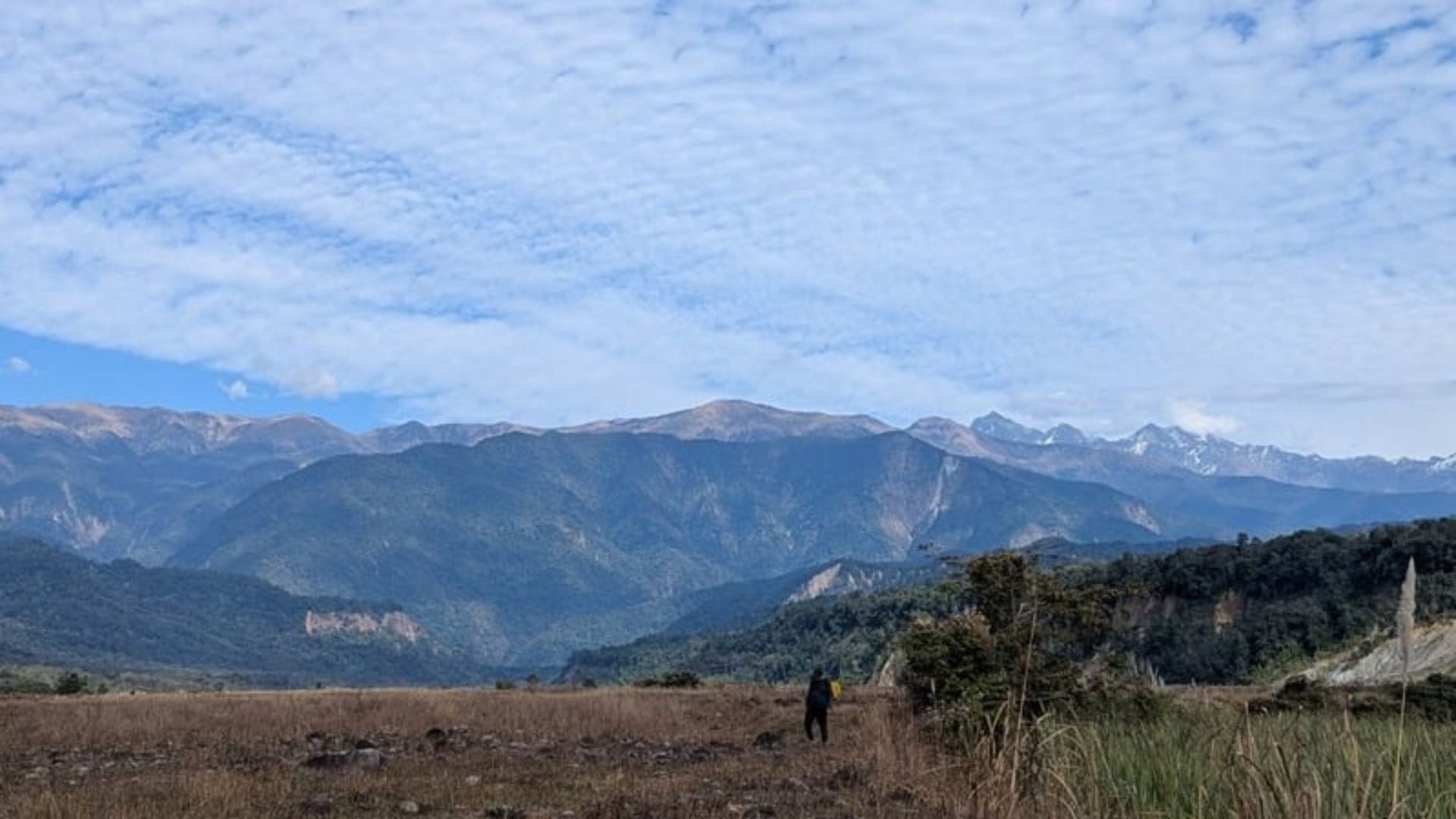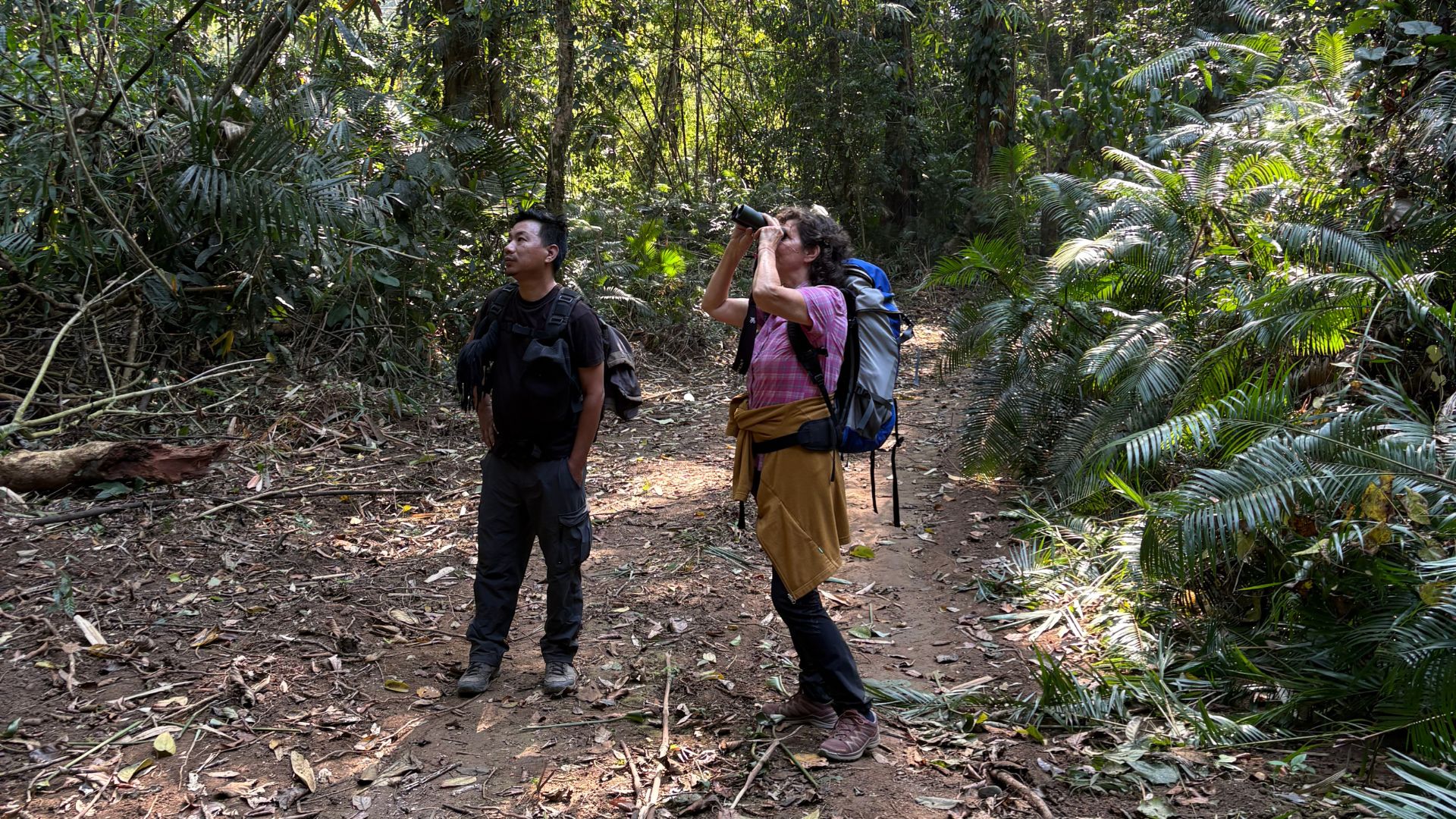
There is a point on the road east of Miao where the tarmac gives way to gravel, and then the gravel gives way to mud, and then the mud gives way to forest. Beyond it, the instruments of the modern world, the road, the telephone wire, the electricity pylon, wifi routers simply stop. What continues is a rainforest of nearly two thousand square kilometres, the third largest national park in India, pressed against the Myanmar border in a crumple of hills that the Ahom kings never fully administered, that the British surveyed but never settled, and that the Indian republic has declared a tiger reserve.
This is Namdapha. It is the northernmost tropical rainforest on the planet. It holds the widest altitudinal span of any Indian park, from 200m on the Noa-Dihing river to 4571m at Dapha Bum, and within that span it contains nine distinct forest types, over a thousand plant species, six hundred and sixty-five recorded birds, and ninety-seven mammals including, famously, the only confirmed co-occurrence of four big cats anywhere in the world: tiger, leopard, clouded leopard, and snow leopard. You will not see any of them. That is worth saying now. What you will hear, if you are willing to walk for three days and spend three nights under canvas with no electricity and no telephone signal, is a forest running at full acoustic complexity, a biophony so dense, so layered, so continuously astonishing that the absence of a tiger sighting will not cross your mind.
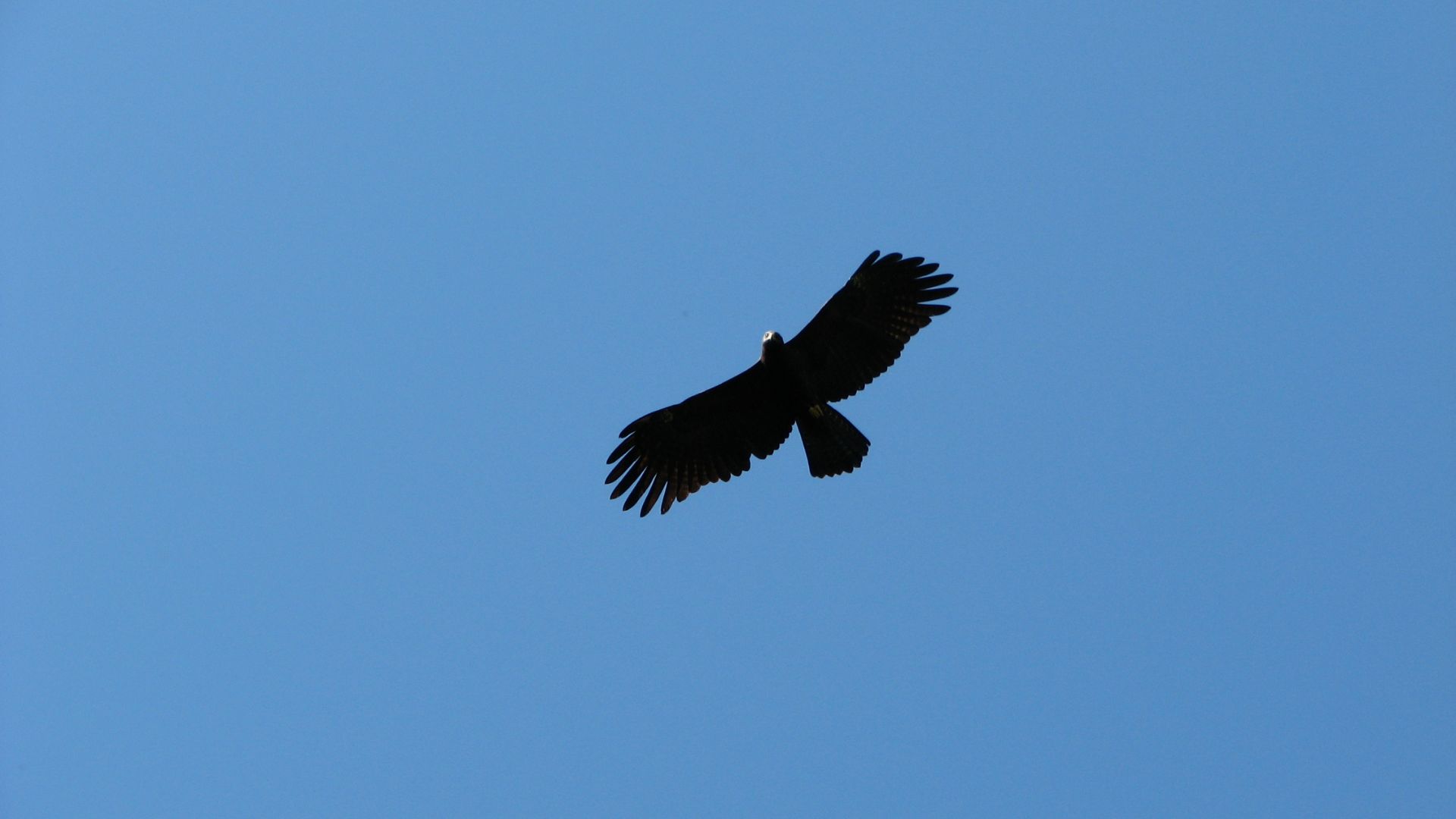
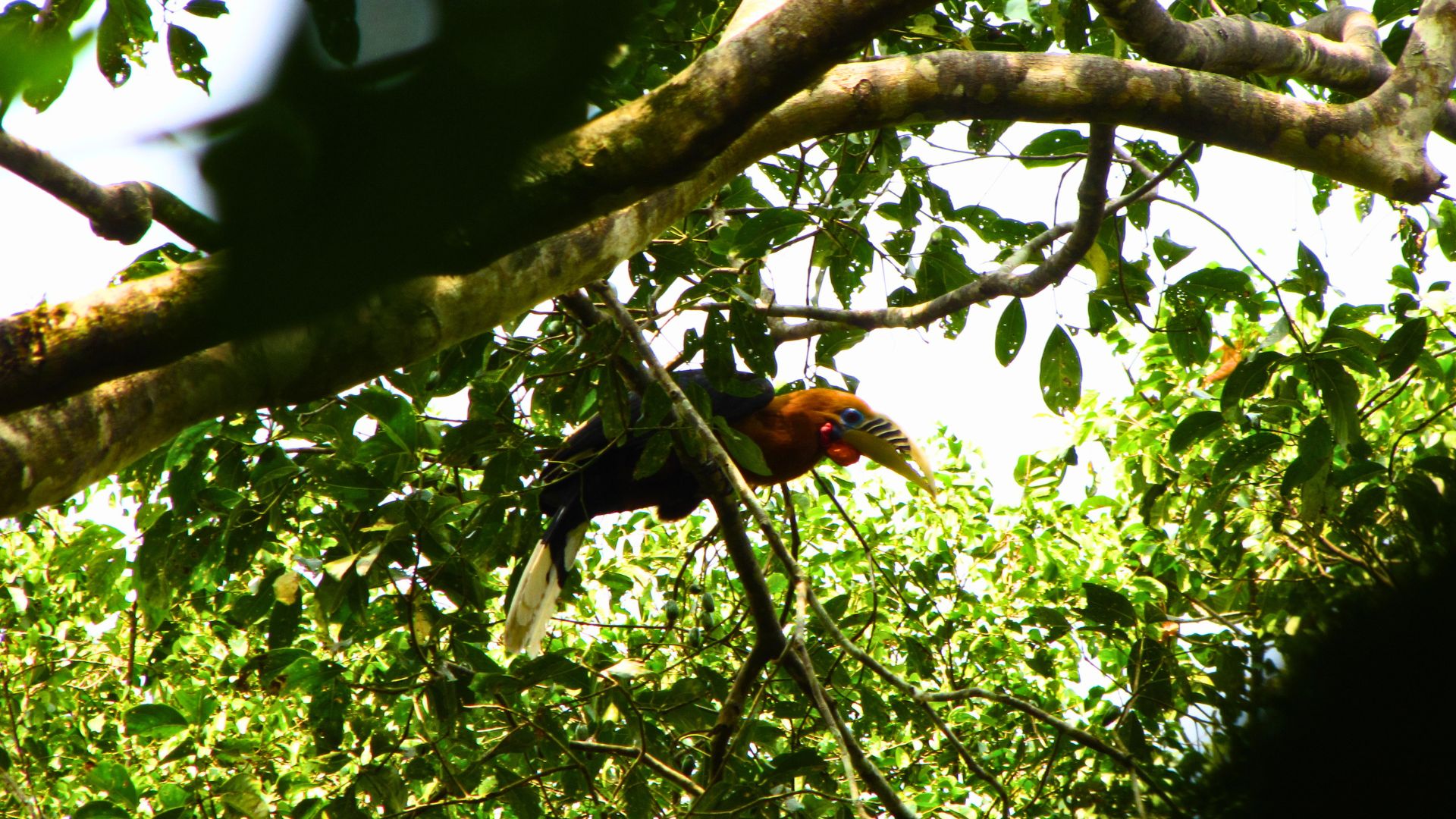
Because the sound of this place is what stays. In a world that has grown steadily noisier, where the auditory chaos of engines, generators, ringtones and construction has crowded out the animal voices that evolved to fill every acoustic niche, Namdapha is one of the last places where the original orchestra still plays uninterrupted. At dawn, the hoolock gibbons begin a rising, accelerating duet between mated pairs that carries for a kilometre through closed canopy, occupying a frequency band no other species in the forest uses at that hour. Within minutes the hornbills add a lower register, not a call, exactly, but the sound of flight itself, a heavy rhythmic whoosh of air through feathers that you hear before you see anything. The babblers fill the mid-range. The insects hold the high frequencies. And beneath all of it, the geophony, the Noa-Dihing moving over stones, wind in the upper canopy, the creak of bamboo under its own weight. There is no anthropogenic sound at all. Not a vehicle. Not a generator. Not a phone. For three days, you listen to the earth as it sounded before we arrived.
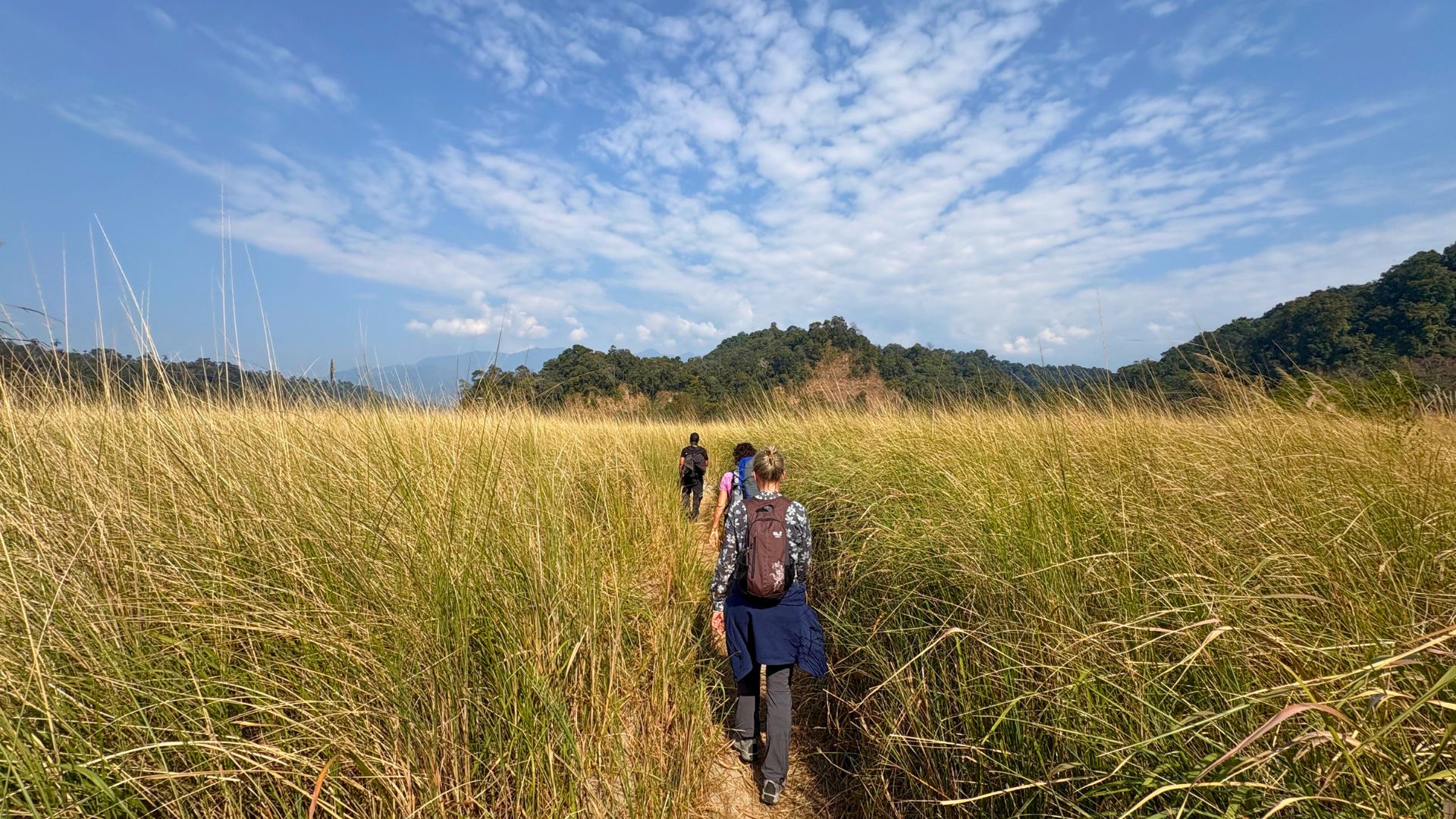
The second thing to know is that nobody drives through this forest. Deban, twenty-five kilometres beyond the park gate, is the last motorable point, and everything past it is walked. Namdapha is one of a very small number of Indian national parks that can only be explored on foot. There is no safari vehicle here, no lodge in the interior, no arrangement by which the forest is brought to you at a comfortable distance. Three of your five nights are under canvas in clearings where the canopy opens just enough for a camp kitchen and a fire. You do not bathe on any of them. The trade is simple: three days of real walking and a week without a shower, in exchange for a forest that has not been simplified, managed, or made legible for your consumption.
And in the middle of that forest, at its farthest point from anything you would recognise as infrastructure, there is a village, inhabited by a Lisu community that has walked five days to Miao for salt within living memory. Their presence inside a national park is one of those quiet facts that rearranges how you think about landscape, sovereignty, and who actually lives in the places the state has drawn a line around and called wilderness.
That is what this week holds. A forest, a walk, a village, and the sound of the world before the road arrived.
Who Is This Chapter For?
This journey is for people who have noticed that the most interesting places tend to be the ones the road did not quite reach.
It is for travellers who understand that walking is not a failure of logistics but the whole point, that the pace of your feet determines what you see, what you hear, and what the forest is willing to show you. If you have ever stood in a wild place and wished everybody would stop talking for five minutes so you could hear what was actually happening, you already understand the appeal.
It is for those who are more curious about how a community sustains itself inside a national park with no road, no grid, and no mobile signal than about whether that national park can produce a tiger sighting. If you are drawn to the question of how people actually live in landscapes that the rest of us have agreed to call uninhabited, you will find Embeong worth the walk.
It is for anyone who has read enough about biodiversity to know that four big cats in one park is a headline, not a promise and that the six hundred and sixty-five birds, the hundred and fifty orchids, the butterflies in numbers that defy expectation, and the flying squirrels that glide into your campfire ash after dark are not the consolation prize but the actual performance.
This may not be the right journey if your idea of travel requires daily showers, mobile signal, or a vehicle within reach. What we offer instead is three days inside one of the last unmanaged tropical rainforests on the planet, sleeping where you stop, listening to what the forest has to say, and returning with the particular knowledge that comes only from having walked somewhere the road decided not to go.
The rest will follow.
The trip starts at Dibrugarh (Mohanbari) Airport on Day 1 and ends at the same airport on Day 6. Your Chalo Hoppo trip leader will meet you at the airport. Arrive by 13:00–14:00 on Day 1. Departure flights on Day 6 should be booked for 14:00 or later; delays on this road in winter months are routine, not exceptional.
The trip starts at Dibrugarh (Mohanbari) Airport on Day 1, where the group assembles for departure, and ends at Dimapur Airport on Day 6. All airport transfers during the scheduled start and end of the trip are planned accordingly. Participants are advised to plan their flights in line with the recommended arrival and departure timings shared for this trip.
On Day 1, participants are required to arrive at Dibrugarh Airport by 1-2 PM at the latest. The group will depart from the airport an hour later. Any arrivals after this time – due to flight timings or delays – will need to reach the destination at their own expense.
If your flight timings do not align with this schedule, we highly recommend arriving a day prior.
For departure, return flights can be booked anytime after 2 PM on Day 6. Delays on this road in winter months are routine, not exceptional.
Please note that Dibrugarh Airport is the only designated pick-up and drop-off point for this trip. The vehicle will not stop at any other location. All participants must ensure they reach the airport before the scheduled departure time, as the trip will commence from there.
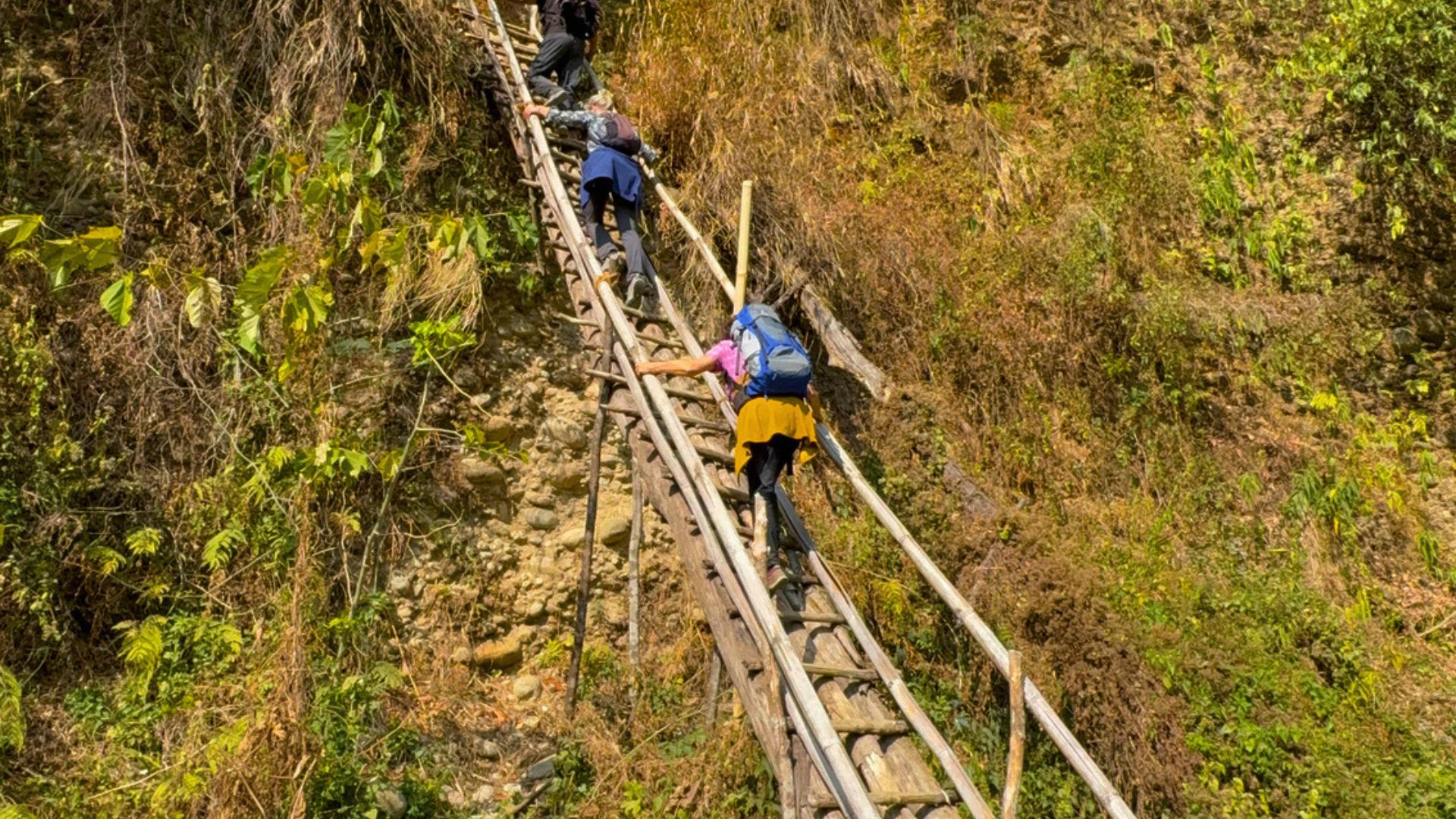
Children are not allowed on this trip. The distances, the bamboo descent, the camping conditions, and the evacuation constraint make it unsuitable
The minimum age is 21. Participants between 18 and 21 can join, but only after a conversation with our team beforehand. This trek involves multi-day walking on forest terrain and three nights of tented camping, so we like to check readiness case by case at that age. Beyond that, there’s no fixed upper cutoff, though the trek suits participants up to around 50. Most participants are around 30, and the group tends to be young, social, and easy-going, often continuing conversations, music, or a drink together after the day’s trek is done.
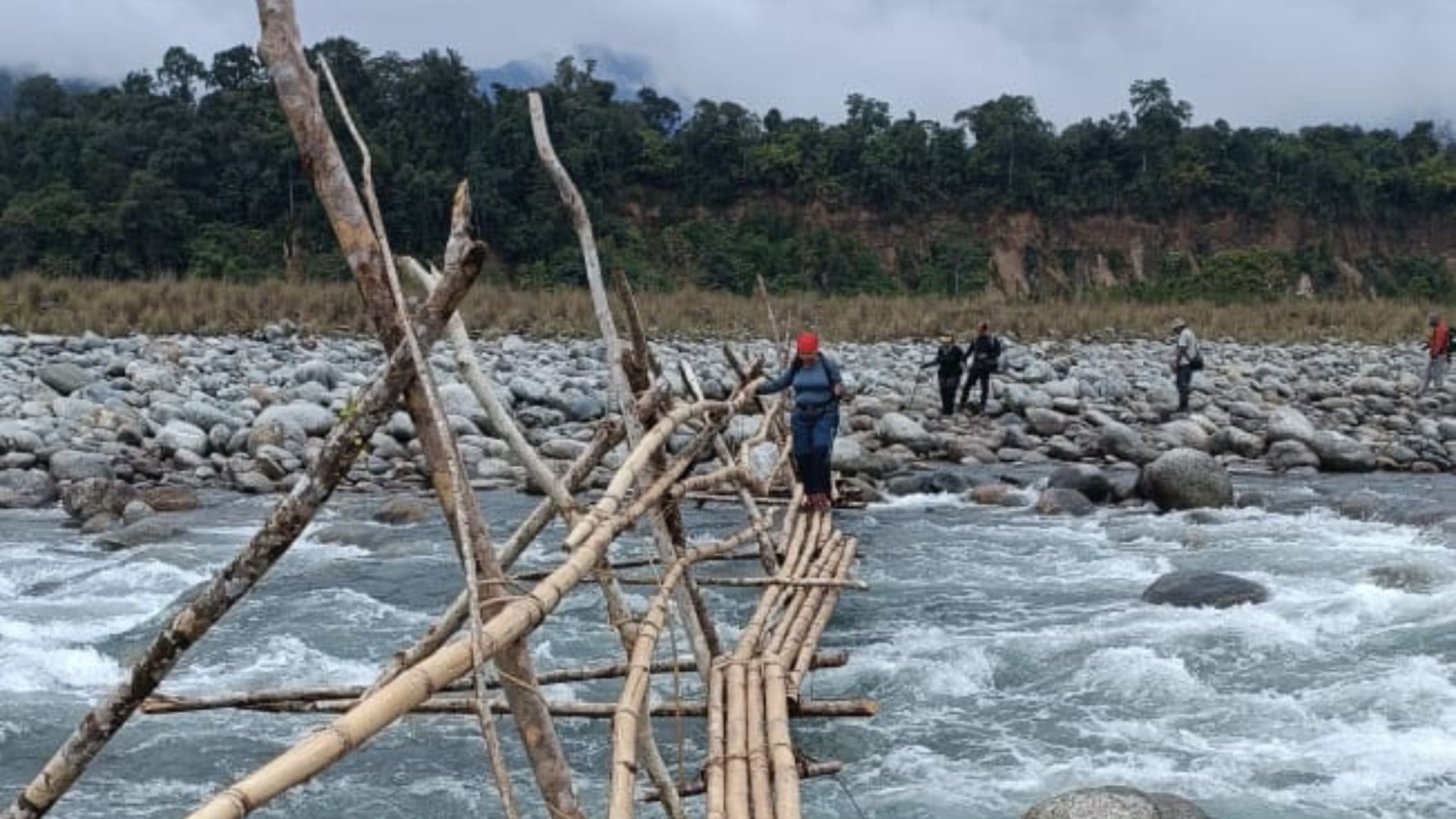
You should be comfortable walking 11km over rough, uneven ground with a daypack on consecutive days. There are no ropes, no scrambles, and no technical sections, but the bamboo descent on Day 3 and the riverbed boulders on Day 4 demand good balance and ankle strength. If you have any doubts, ask us; we would rather have an honest conversation now than a problem on the trail. Be mentally prepared to experience no bathing, insects and spending long hours inside a rain forest without modern conveniences
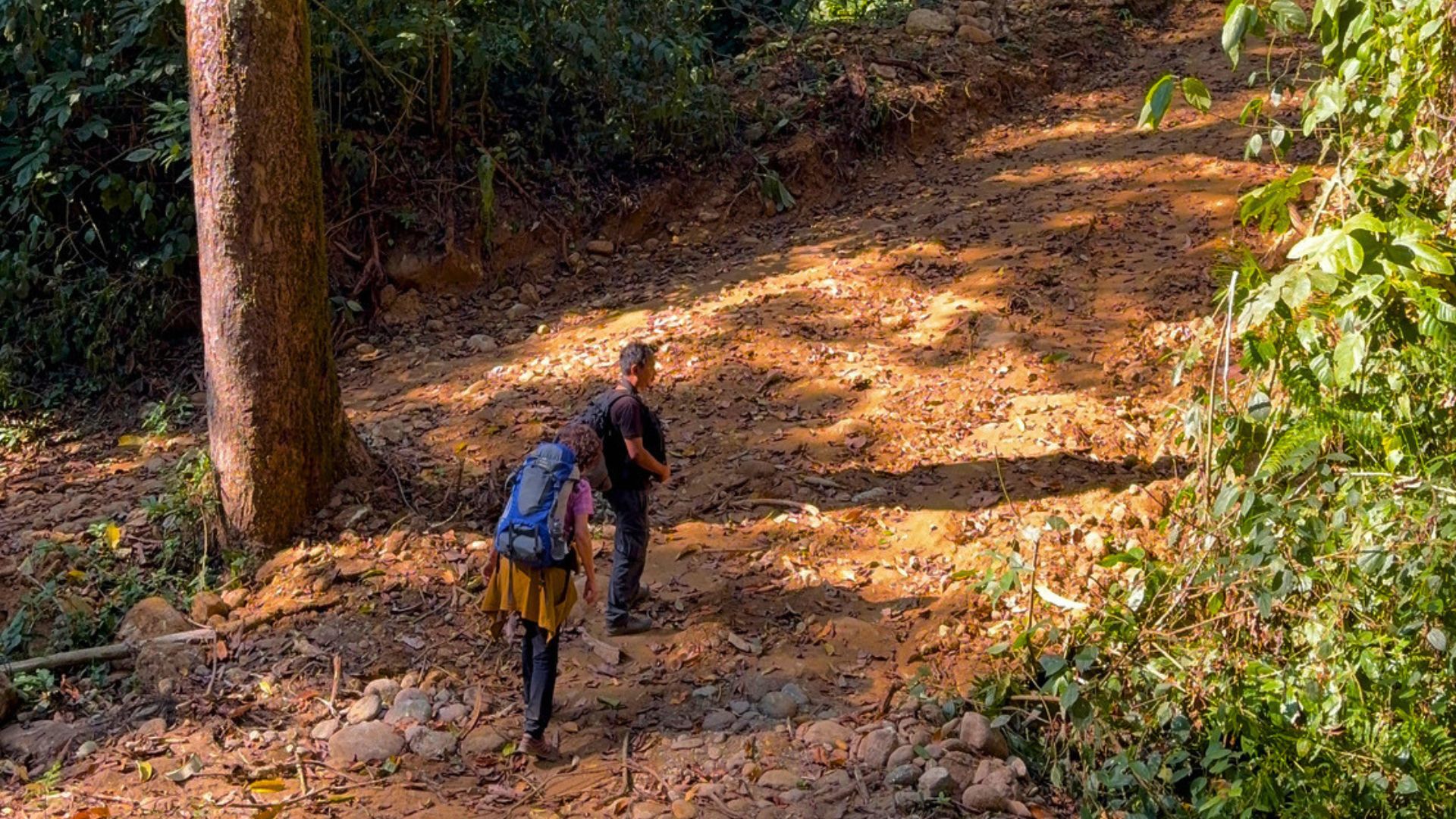
Moderately hard. The hardest day is Day 3: eleven kilometres including a five-hundred-metre descent through bamboo on slippery leaf litter. Day 4 involves boulder-hopping along the Noa-Dihing riverbed. You need to be able to walk eleven kilometres over uneven ground carrying a daypack, on consecutive days, without assistance. If you cannot, this is the wrong trip, and we would rather say so now than discover it at Hornbill.
Rooms and Tents are shared on a double-sharing basis. In case you are a solo traveller, you will be paired up with another solo traveller of the same gender.
Note: Room allocation is managed by the sales and reservations team based on gender and confirmed bookings.
Basic vegetarian meals (Rice, Roti, Lentil, Vegetables) will be served throughout the trek. Meals provided during the trek, from dinner on Day 1 through breakfast on Day 6, will be simple, hygienic, and nutritionally planned to support sustained physical activity, with packed lunches on trekking days. Drinking water will be filtered and treated throughout. Participants must carry 2 personal reusable water bottles.
While most of your expenses are covered in the trip cost, carrying up to ₹1,000 per day should be sufficient for personal expenses. Once you’re inside the reserve, there’s virtually nothing to spend on. Deban and the forest camps at Hornbill, Firmbase, and Embeong have no shops, no network connectivity, and no way to make online payments, so cash carried in stays largely unused until you’re back out. Card and UPI payments are easily available in Dibrugarh and at Miao.
You can also refer to the Exclusions section for a clearer idea of potential additional expenses.
This is the honest part. You will be off-grid for three full days. There is no mobile signal at any point inside the national park, not at Deban, not at any camp, and not at 38 Miles. Miao has patchy cellular coverage. Please brief anyone who might worry before you leave Deban on Day 2.
Wi-Fi is not available anywhere that you are staying. Last point of Mobile connectivity will be Miao Twon.
Winters bring the only window in which Namdapha’s interior can be safely reached. The trek operates in the first week of February, once the monsoon has fully cleared. Daytime conditions under the closed canopy stay pleasant and humid, generally in the range of 15-22°C, though skies can turn overcast with intermittent showers passing through. Mornings and nights are a different story: temperatures at camp drop sharply, typically falling to 4-8°C at the lower camps and touching close to freezing (0-3°C) at higher points like Firmbase and Embeong, so the shift from a mild afternoon to a cold night happens fast.
Daylight is limited to roughly 10 to 10.5 hours through this window, which shapes the rhythm of each trekking day. Departures for a full trekking leg need to happen by mid-morning to ensure camp is reached well before dark.
Outside this season, Namdapha becomes inaccessible. Heavy monsoon rainfall renders roads impassable and rivers uncrossable, cutting off the interior entirely. Which is exactly why the operating window is kept this short and specific.
Even within the season, mountain and rainforest weather stays unpredictable. Unsafe conditions on the trail, river, or elsewhere in the interior can mean the itinerary is altered or shortened at short notice, purely in the interest of participant safety. Delays and last-minute adjustments are a normal part of travel this deep into a remote forest reserve, and participants should come prepared for cold mornings and nights, layered clothing, and changing conditions throughout the journey.
This is the honest constraint of the trip. From Embeong or Firmbase, an injured person is a two-to-three-day stretcher carry to Deban before a vehicle can reach them. There is no helipad on the route. We carry a comprehensive medical kit on every departure, and we screen fitness carefully at enquiry, because the best way to manage this risk is upstream of it.
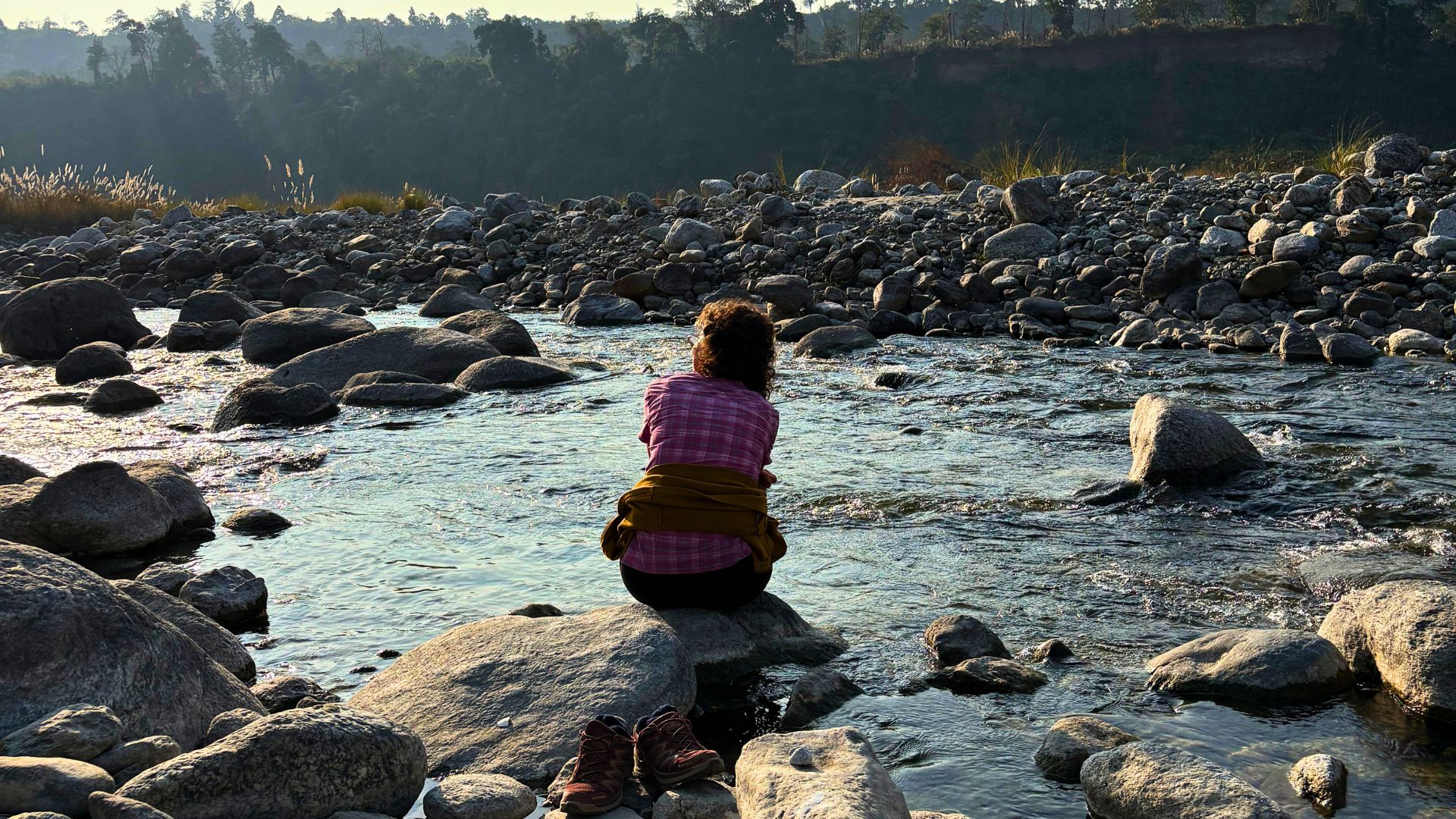
No. There is no bathing on the three camp nights. A hot bucket bath is waiting at Miao on Day 5. You will appreciate it more than any bath you have ever taken.
Northeast India experiences shorter daylight hours as we move from autumn into winter. From November through February, sunrise can be as early as around 5:30 AM, while sunset can be around 4:30 PM, depending on the state, location and month. This gives us roughly 10 hours of daylight.
Because daylight is limited, we may start early on certain days to make the most of the available time, particularly when longer hikes, outdoor activities or transit are planned.
Morning fog, mist and cloud cover can also reduce visibility, especially around hills, forests and valleys. This may occasionally influence when we begin an activity or start moving for the day.
Winter travel in the Northeast is therefore best approached with some flexibility. Our schedules are planned around daylight, weather and local conditions, rather than following a rigid timetable.
Yes. All the activities and explorations will be led by knowledgeable local guides. You will also be accompanied by a ChaloHoppo Trip Leader throughout the journey to ensure a smooth and well-coordinated experience.
No. Porters carry one duffel per guest up to twelve kilograms between camps. You carry a daypack with water, a rain shell, camera, and medication. The weight cap of 12kg is enforced at the weigh-in at Miao, not argued about on the trail.
Absolutely. We recommend carrying light, ready-to-eat snacks such as energy bars, dry fruits, or trail mix. These can be especially useful during drives, treks, or whenever meal timings get delayed.
Yes. The itinerary is built with generous time at every key location. The dawn chorus at Hornbill, the five hornbill species, the flying squirrels, the watchtower at Firmbase, and the Embeong landscape all offer exceptional material. Serious birders should tell us at booking so we can consider a birding-led pace on the walking days.
There are five species and they are present year-round, though the winter window is the lowest-pressure season, and the crew carries salt. They are a nuisance rather than a danger, and most of the discomfort people report is anticipatory rather than actual.
The old Miao–Vijaynagar forest road is unpredictable. If it is impassable, the exit becomes a full walk back to Deban, adding five to six hours to what was supposed to be a short morning.
We need a minimum of 4 travellers to run the departure. If we’re below that number, we’ll let you know well in advance, keeping our vendor cancellation timelines in mind. Just to be safe, we recommend booking refundable or flexible flight tickets wherever possible.