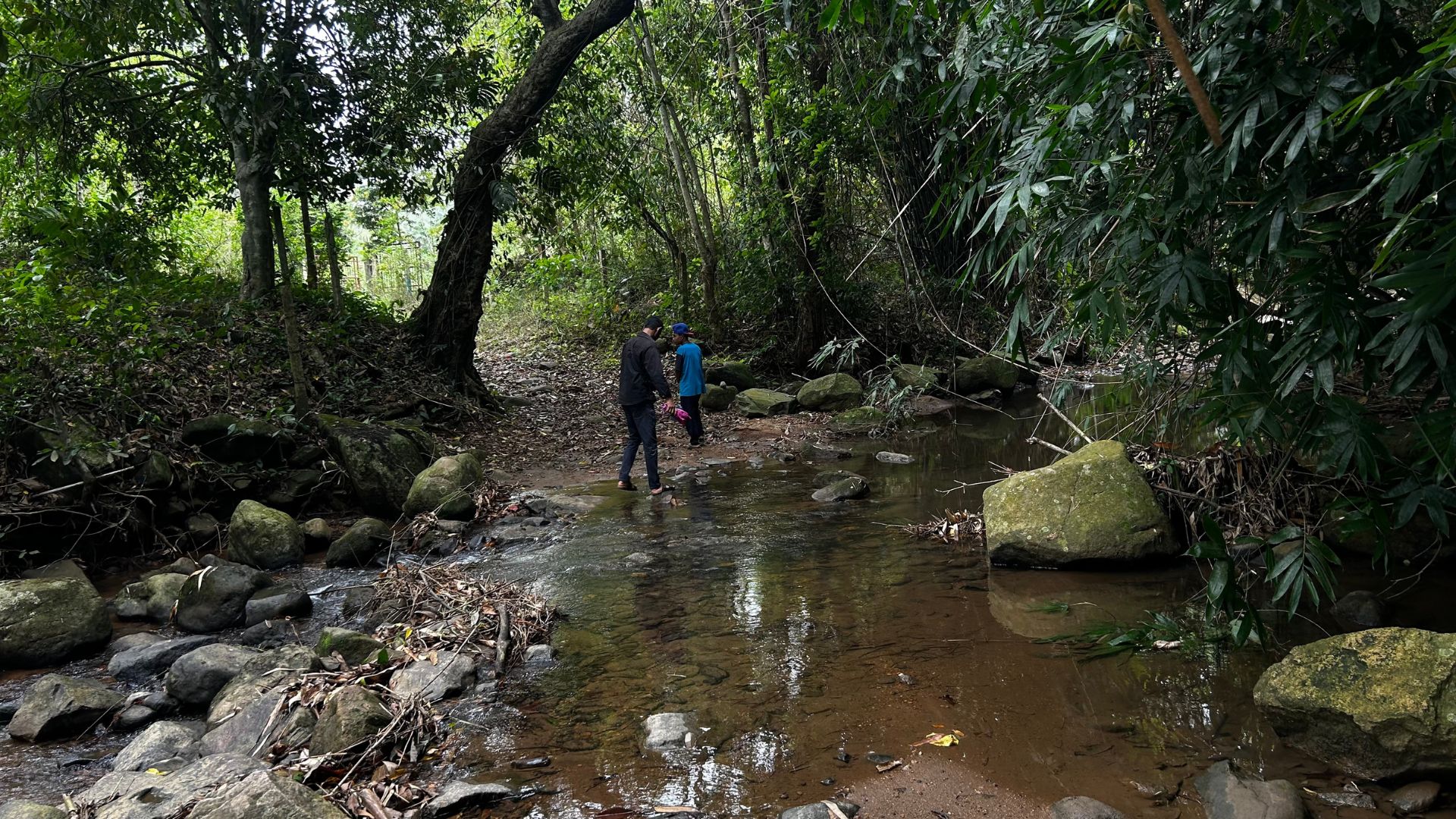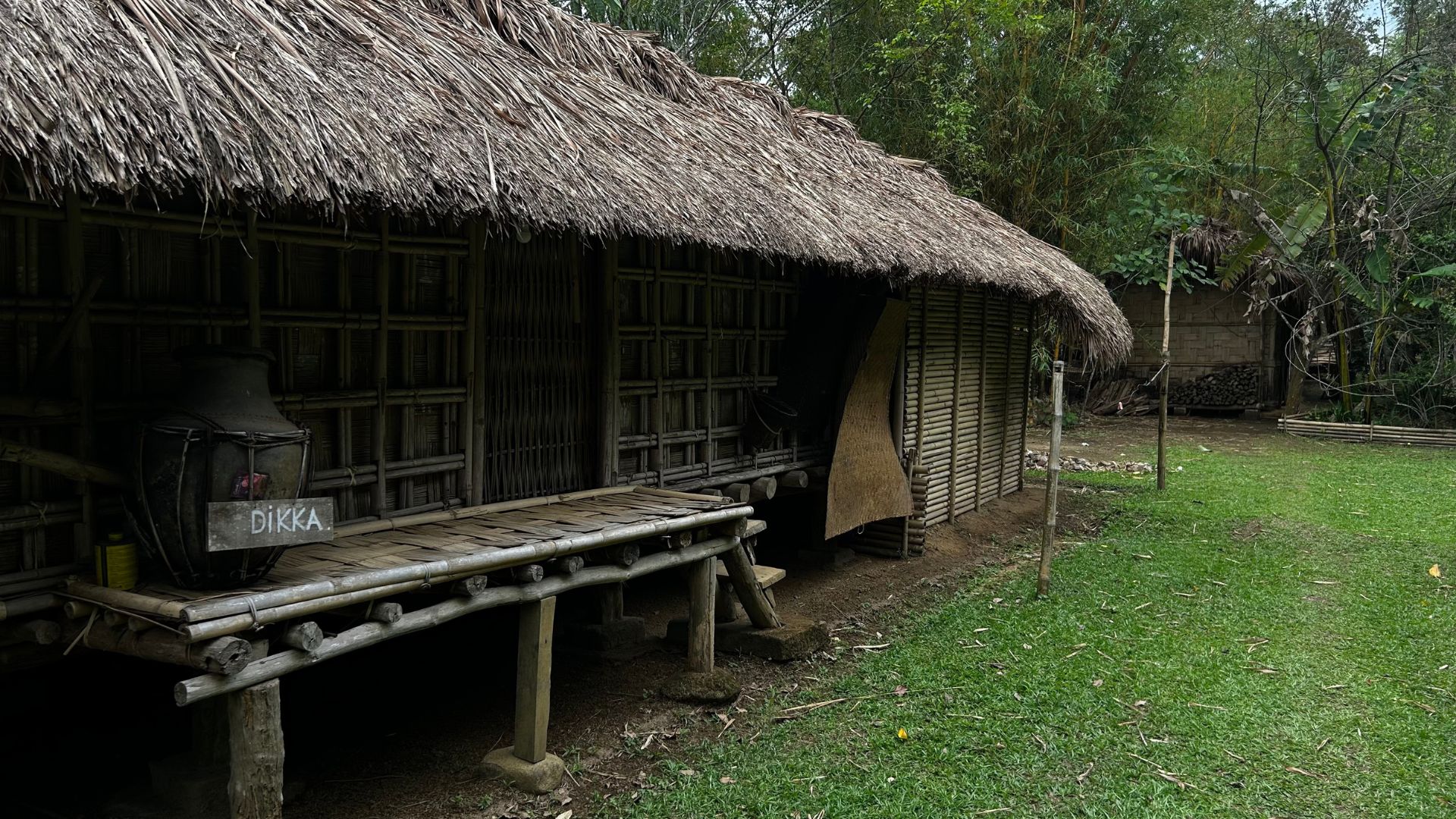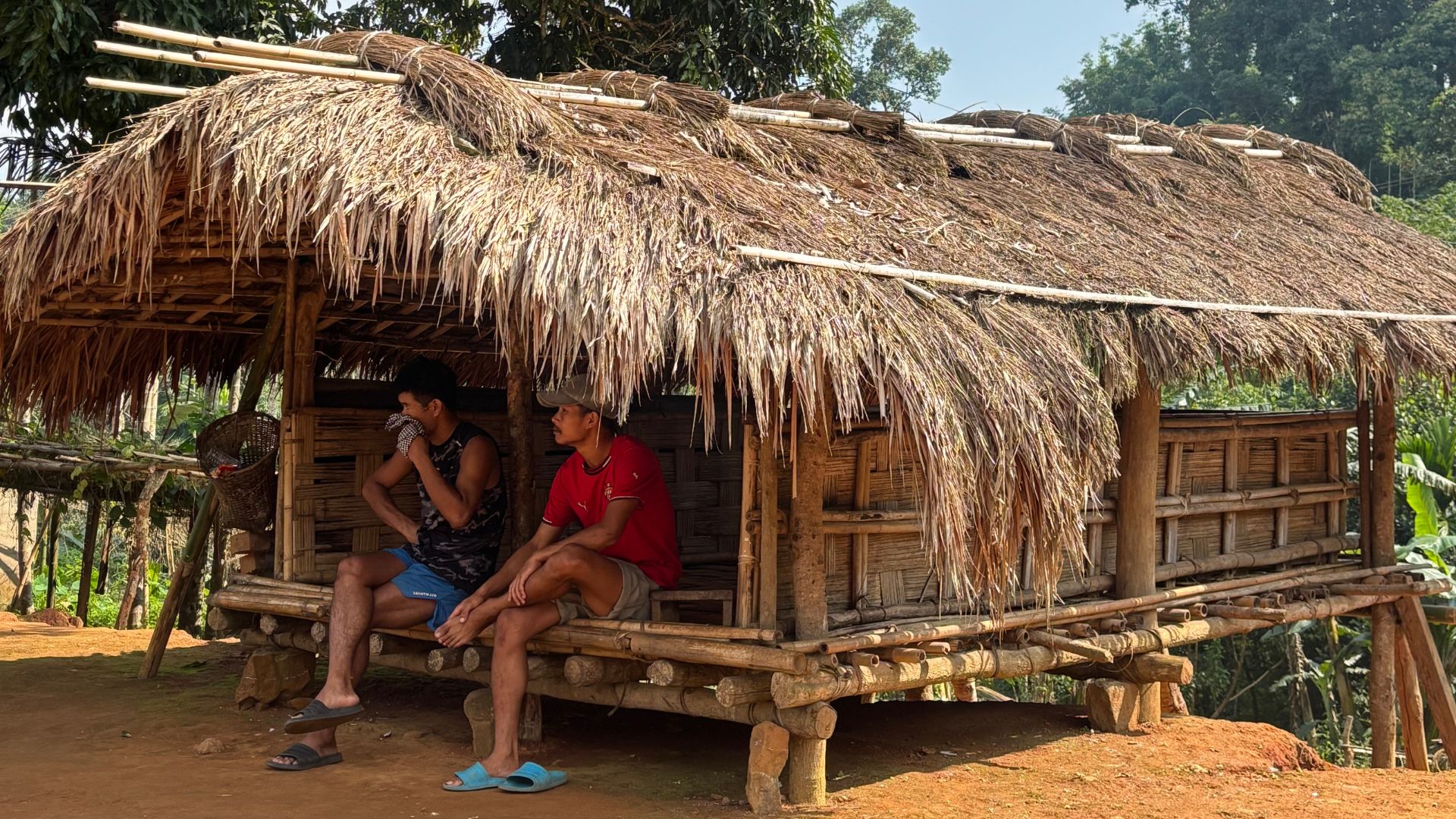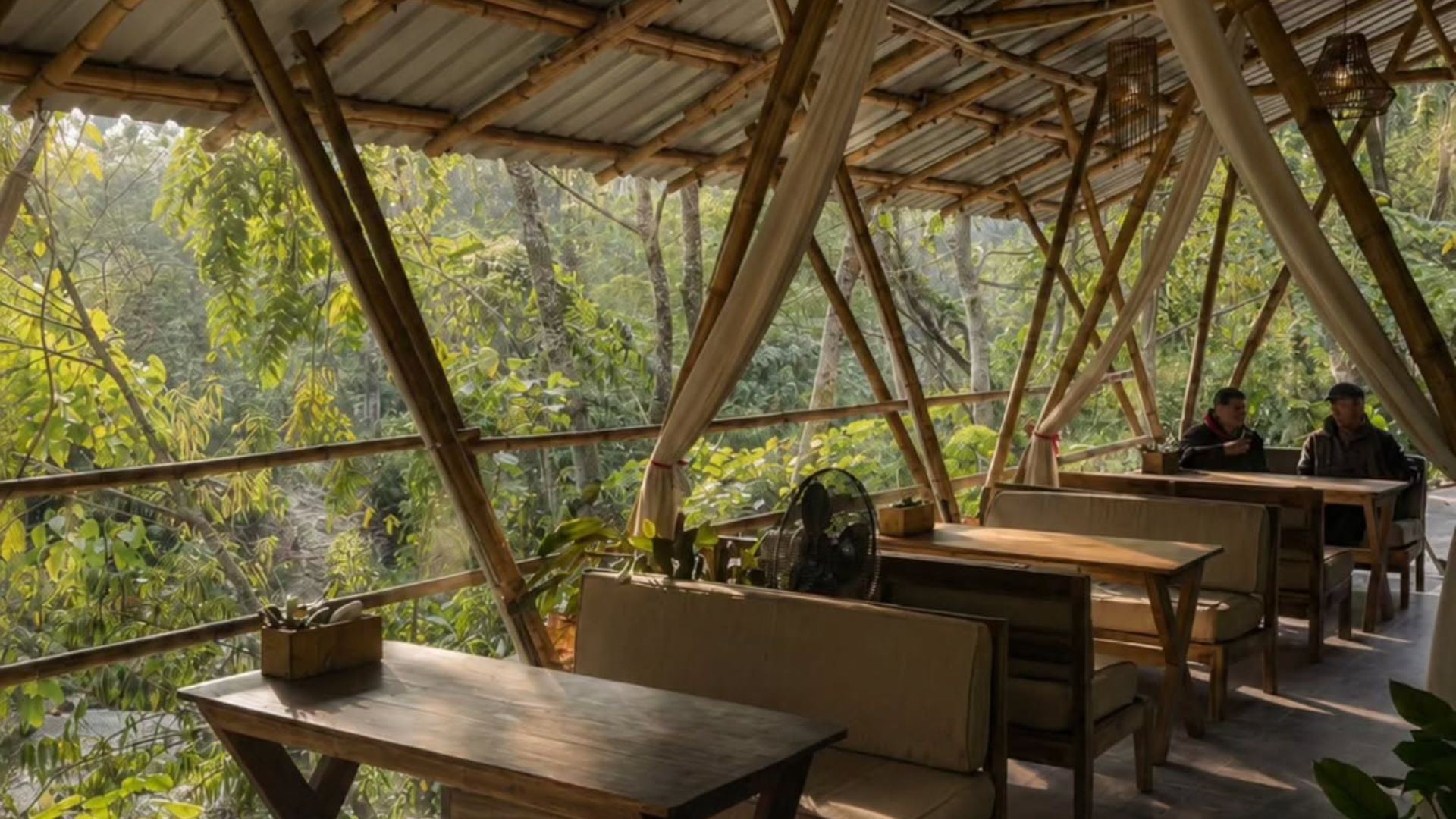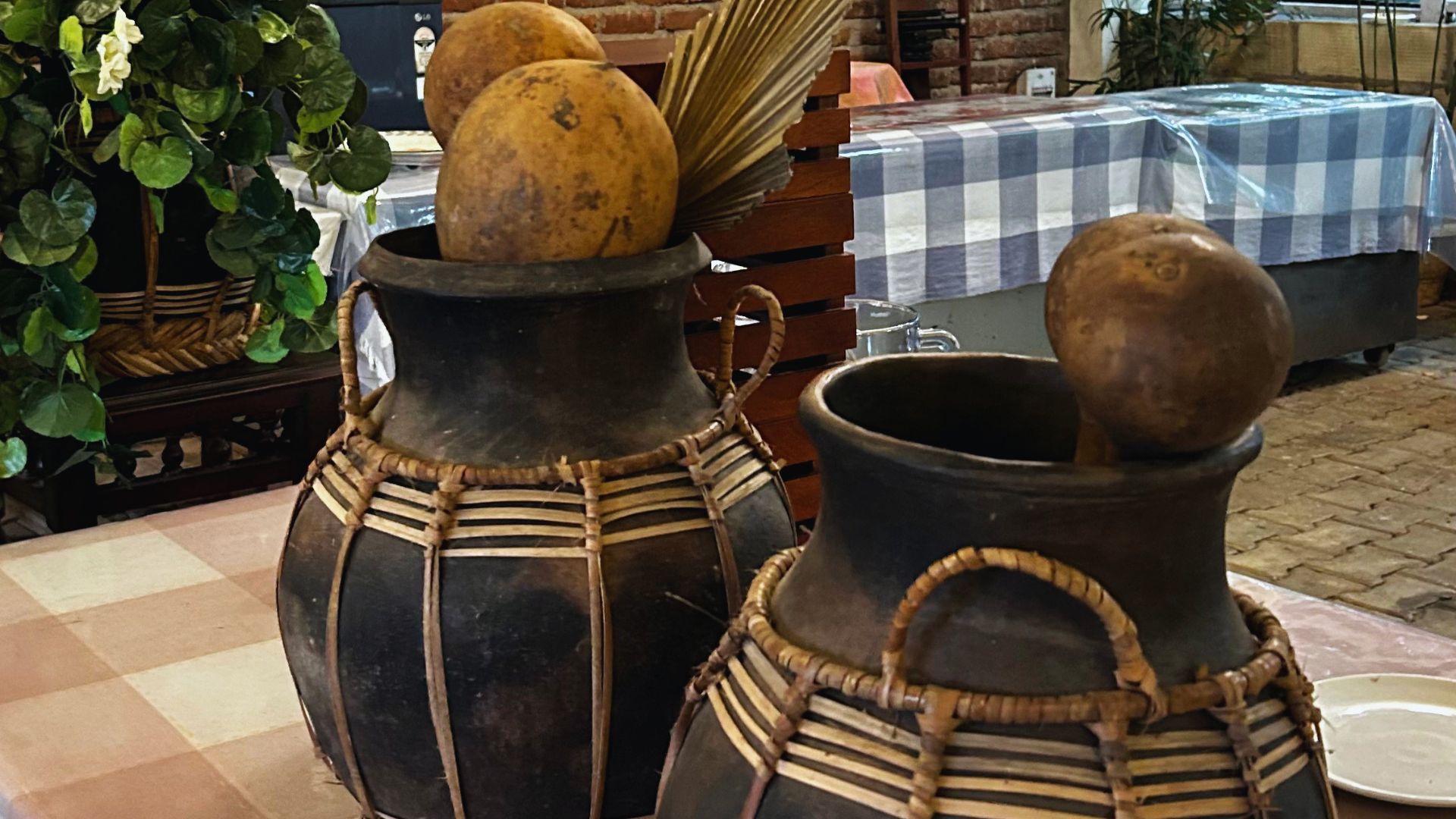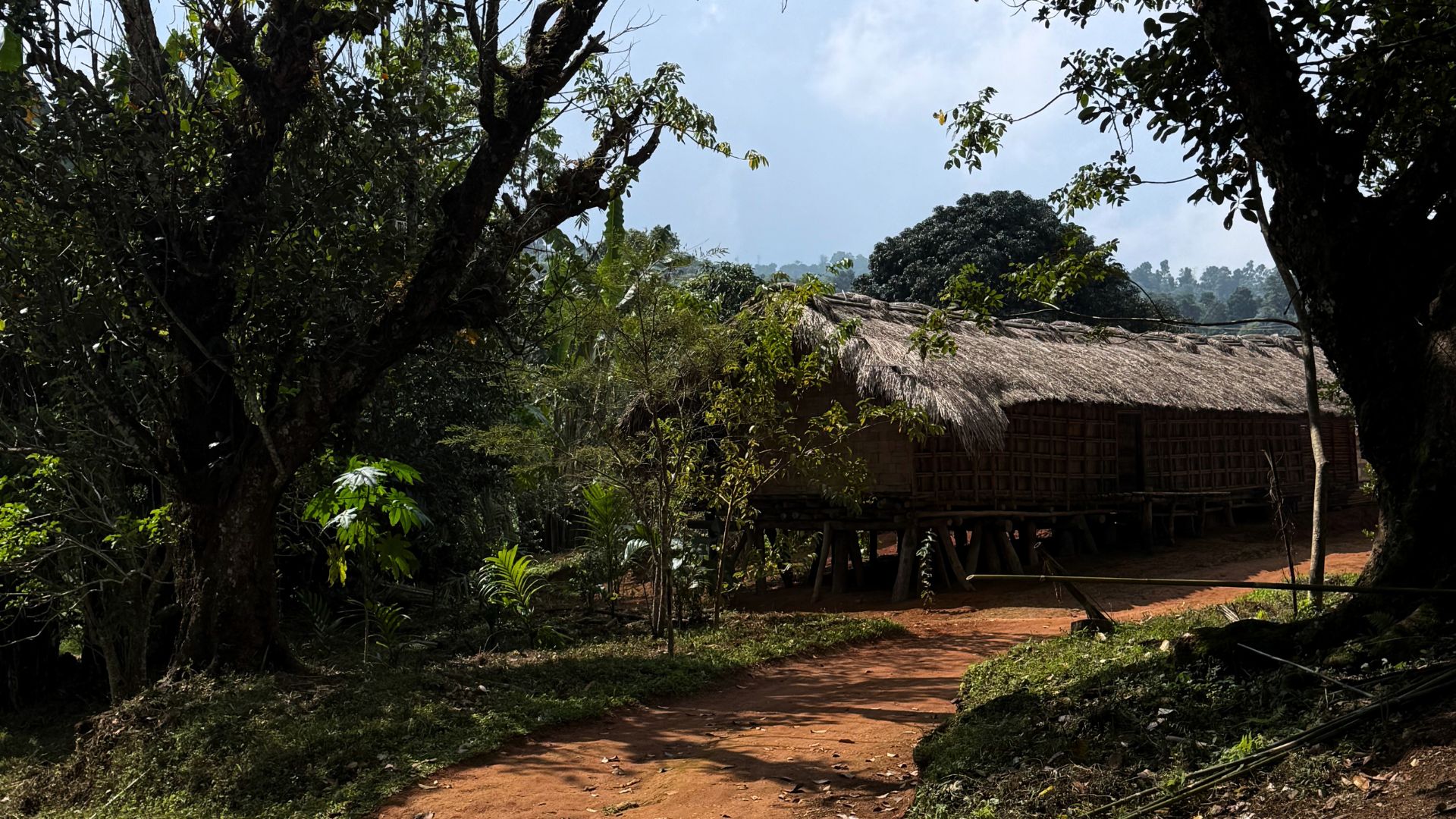
There is a very different Meghalaya in the west.
The Garo Hills have long sat away from the Meghalaya most travellers know – the waterfalls, viewpoints and well-worn routes that have shaped the state’s tourism story. Partly because of their history and relative inaccessibility, they have remained largely outside that story. Things are changing, but tourism here is still in its early stages. The roads can be long, the infrastructure is limited, and the region asks you to travel with a little more flexibility. What you get in return is a chance to encounter Meghalaya before it has been neatly packaged for visitors.
The journey is best experienced once the monsoon has passed and the hills have had their fill of rain – when the landscape is at its greenest, the air begins to cool, and the days are comfortable for wandering, eating, talking, and spending time outdoors.
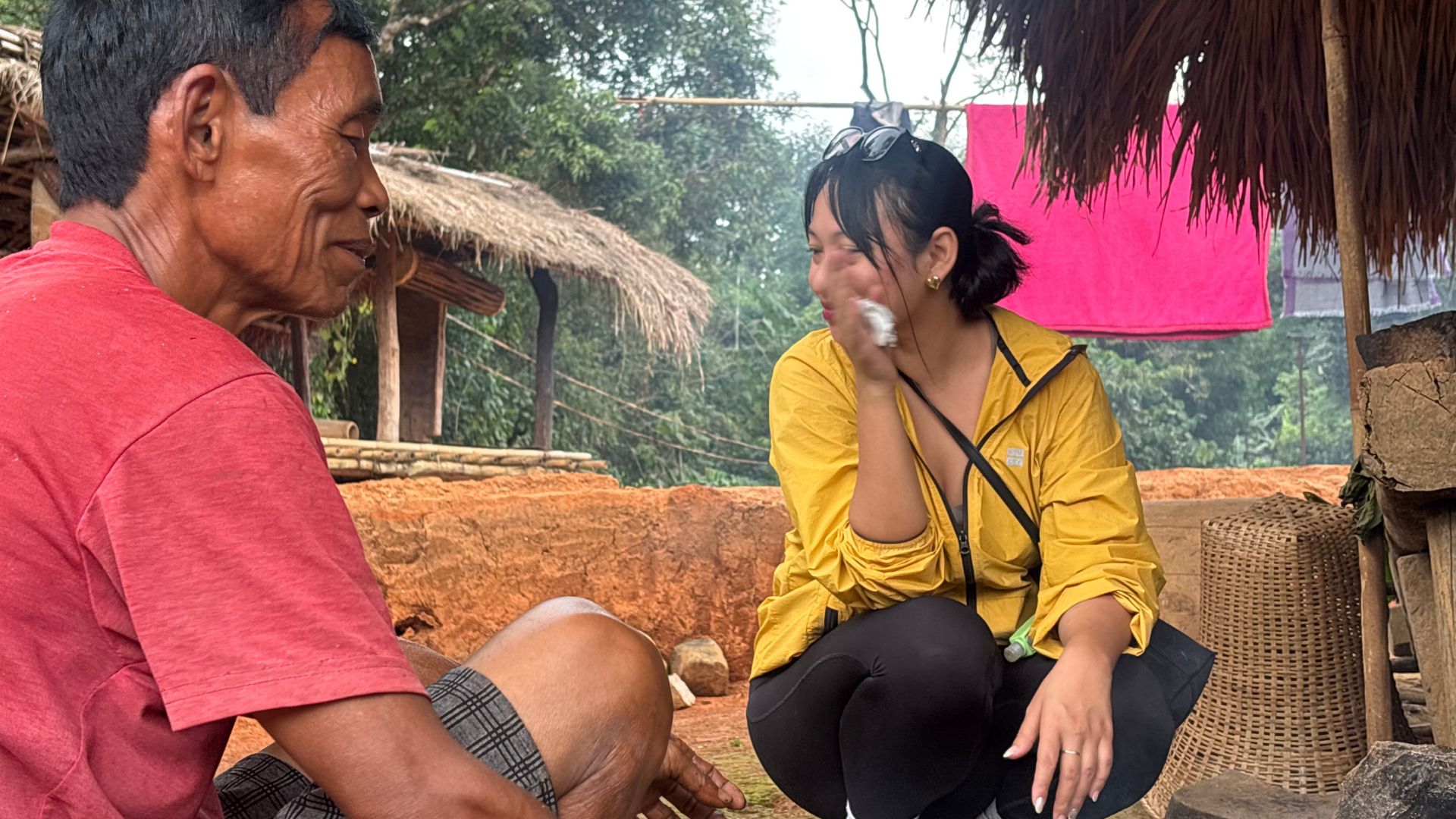
The best way into the Garo Hills is through the people who call them home. The relationship between land and community runs through everyday life: what is grown and gathered, what is cooked and shared, the forests that are protected, the rivers that are cared for, and the songs and stories passed from one generation to the next. Food, in particular, offers its own way in – from the farm and forest to the kitchen, the table, and the traditions around it.
Over six days, you’ll spend time with families, farmers, storytellers, musicians and community members. You’ll walk through a working farm, share meals in homes and villages, learn about Chubitchi and Karitchi, walk through a sacred forest, visit a community-protected fish sanctuary, and meet people keeping Garo music alive for the next generation.
But this isn’t a cultural checklist. The experiences are simply different doors into everyday Garo life. A conversation over a brew, a meal prepared in someone’s home, an afternoon by the river, or a story shared by someone who has spent a lifetime in these hills can tell you things about a place that no guidebook can. Much of what makes this journey possible comes from relationships built here over time, allowing you to meet people rather than simply observe them.
This is not an attempt to cover the Garo Hills. There is much further to go, and much more to discover beyond the roads and experiences included here. Think of this as a first introduction: a chance to meet the people, eat some brilliant food, listen to their stories, and discover a very different Meghalaya through the eyes of those who call the Garo Hills home.
Who Is This Chapter For?
This chapter is for travellers who are curious about people and how different communities live, eat, work, create, and relate to the land around them. If you’d rather spend time in a family home, walk through a village, share a meal, or sit over a conversation than move quickly between a list of attractions, you’ll feel at home on this journey.
It is particularly suited to travellers who enjoy going somewhere before it has been fully shaped around tourism. The Garo Hills are still finding their place on the travel map, and this journey comes with longer drives, fewer polished tourist experiences, and a little more flexibility along the way. What it offers instead is time with people, access to places that aren’t usually part of a tourist itinerary, and some genuinely brilliant local food.
You don’t have to arrive knowing anything about Garo culture, food, or history. The journey will introduce you along the way. Some of the best moments may be the ones that aren’t planned – a conversation that runs longer than expected, an invitation to try something unfamiliar, a story shared over a meal, or an afternoon that simply unfolds around you.
If you’re looking to tick off Meghalaya’s most famous sights, this probably isn’t the journey for you. If you’d rather leave with a few new perspectives, some good conversations, stories from a part of Meghalaya that is only beginning to open up to travellers – and, quite honestly, a very good introduction to Garo food – this might be.
This journey has been designed for travellers who enjoy slowing down and experiencing a destination beyond its attractions. Rather than rushing from one sightseeing point to another, you’ll spend time connecting with local communities, understanding Garo food traditions, exploring villages, and enjoying meaningful conversations with your hosts.
If you’re looking for a fast-paced itinerary packed with sightseeing, this may not be the right experience. But if you enjoy authentic local experiences, relaxed mornings, and discovering a place through its people, food, culture, and everyday life, this journey has been thoughtfully created for you.
This itinerary is best suited for adult travellers who enjoy slow-paced and immersive experiences. Most experiences are relaxed and suitable for travellers with a basic level of fitness. However, participants should be comfortable walking through villages, farms, and uneven natural trails.
This is an easy to moderate experience.
Most activities involve leisurely village walks, farm visits, and short walks through natural landscapes. The Selbalgre Cultural Immersion includes approximately 30 minutes of walking through a Sacred Forest on natural trails.
No prior trekking experience is required, but comfortable walking shoes with good grip are recommended.
Throughout the journey, you’ll stay at a carefully selected homestay located on the secluded outskirts of Tura. Surrounded by bamboo groves, small farms, trees, and flowering plants, the property offers a peaceful setting away from the bustle of town while retaining the comforts of a premium stay.
The property is professionally managed, while the owners bring a deep connection to the Garo Hills through their knowledge of the tribe, agriculture, food, stories, and rural communities. The property is also closely connected with local artisans, village headmen, and rural development initiatives, adding another layer of local context to your stay.
The homestay combines a traditional and modern kitchen, allowing for a versatile culinary experience, while its surroundings offer opportunities to experience the quieter side of life around Tura.
Please note that this is a homestay rather than a conventional hotel. The property prioritises a respectful, mindful clientele and maintains a quiet and personal atmosphere. Guests are therefore encouraged to approach the space and its surroundings with the same consideration.
Accommodation Note: The homestay featured in this itinerary is our preferred property and is subject to availability. In the event that it is unavailable for your travel dates, we may arrange an alternative property of a similar standard and character in or around Tura. We will ensure that the alternative meets our comfort and service standards and remains aligned with the overall character of the journey.
Our preferred homestay is hosted by women who have a deep connection to Garo culture, agriculture, food, and local communities. The owner brings extensive knowledge of the tribe, its food traditions, stories, and rural life, while remaining closely connected with local artisans, village headmen, and rural development initiatives.
Her professional responsibilities mean that she may not always be present at the property, but she remains closely involved in the wider ecosystem around the homestay.
Please note: This host-specific experience is subject to the availability of the preferred homestay. If an alternative accommodation is arranged, the host and property-specific interactions described above may not be available.
Accommodation is provided on a double-sharing basis. Single occupancy may be available at an additional cost, subject to availability.
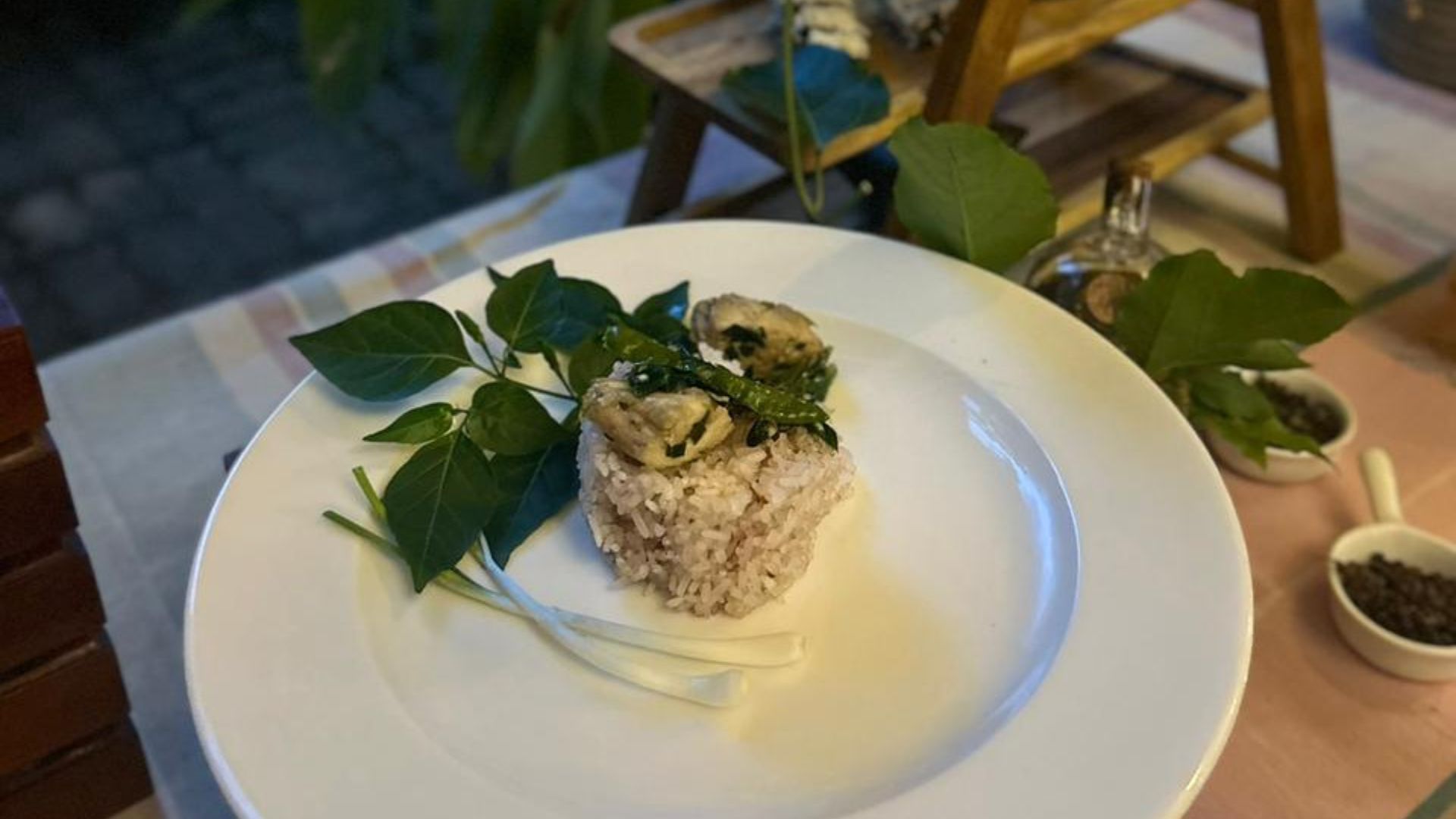
Food forms one of the highlights of this journey.
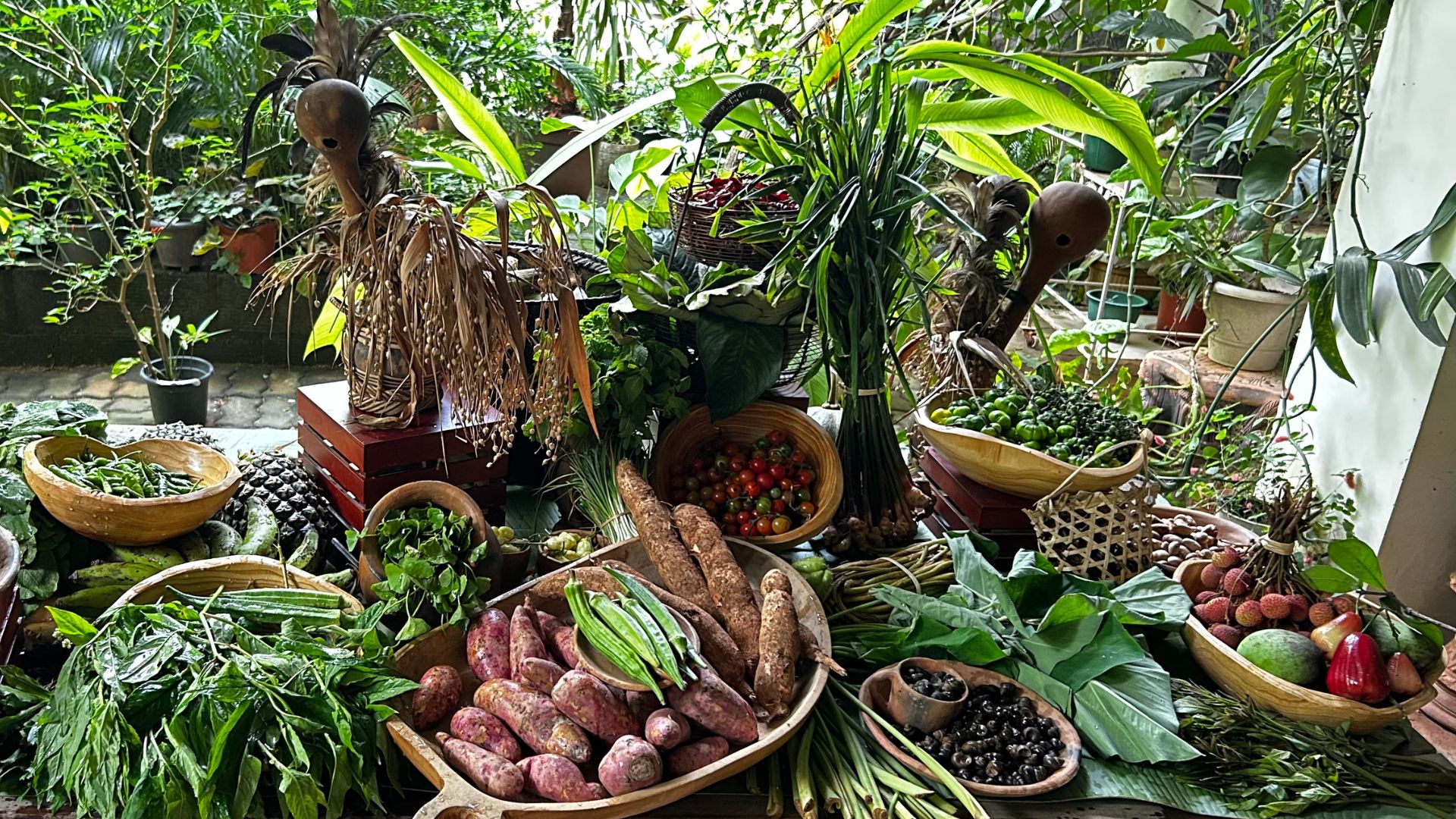
Expect simple, wholesome meals prepared using seasonal local ingredients. Throughout the experience, you’ll discover traditional Garo recipes, indigenous produce, locally grown vegetables, and regional cooking techniques.
Yes, vegetarian meals are available and can be arranged with prior notice. While the region offers a variety of vegetables and plant-based ingredients, vegetarian options may be more limited in certain locations.
The Farm-to-Table Experience is one of the signature highlights of this journey, offering an insight into the agricultural traditions and food culture of the Garo Hills.
Accompanied by your host, you’ll explore a working farm and learn about seasonal crops, indigenous ingredients, and traditional farming practices that continue to shape everyday Garo life. Depending on the time of your visit, you may also have the opportunity to harvest fresh produce alongside your host before it makes its way into the kitchen.
Even though November coincides with the primary harvest season in the Garo Hills, the experience is particularly vibrant and rewarding between June and August, when the fields are active and the agricultural cycle is in full swing.
During the winter months, while the primary harvest has passed, seasonal vegetables and fresh produce continue to be cultivated and harvested, although the variety may be more limited.
Between February and April, the farms are generally transitioning from the post-harvest period into a new growing cycle. During this time, fresh produce may not be ready for harvesting from the fields. The experience therefore follows the same journey from ingredient to plate, with seasonal produce sourced from the local market instead. You’ll explore and understand the ingredients before bringing them back to the kitchen for the same guided cooking and culinary experience.
The experience concludes with a traditional meal prepared using locally sourced ingredients, accompanied by conversations that offer a deeper understanding of Garo food traditions, indigenous ingredients, and the cultural significance of what is grown and shared around the table.
Yes. The Garo Hills receive consistent heavy seasonal rainfall, particularly during the monsoon months, and weather conditions may occasionally influence certain outdoor experiences.
Between April and September, the Gondenggre Village experience may be adjusted depending on road and weather conditions, as sections of the approach involve off-road driving. Darechikgre Sunset Viewpoint may also be skipped if conditions are unsuitable.
In case of rainfall, the curated local produce platter and wine-pairing experience on Day 5 may be hosted indoors at the homestay instead of the farm.
Any changes are made with guest safety, comfort, and the quality of the experience in mind.
The Garo Hills experience warm and humid summers, while winters are pleasantly cool and comfortable.
Summer temperatures typically range between 25°C and 30°C, while winter temperatures generally range between 12°C and 18°C. January is usually the coldest period, with mornings and evenings often feeling noticeably cooler than December.
Mobile connectivity is generally available in towns, including Tura, with Jio and Airtel generally offering reliable coverage.
Network availability may become intermittent or unavailable while travelling through remote villages and forested areas. Wi-Fi availability also varies between properties.
We encourage guests to embrace these moments as an opportunity to disconnect and fully immerse themselves in the people, landscapes, and experiences around them.
Most of the journey is along well-maintained main roads. However, certain village roads are narrow or uneven and include short off-road stretches, particularly during or after the monsoon season.
These roads are part of accessing remote communities and experiences that remain away from mainstream tourism. A flexible mindset is recommended, as travel times may occasionally vary depending on road and weather conditions.
Yes. Although UPI payments are accepted in many places around Tura, we recommend carrying around 5000 in cash for personal expenses, shopping, snacks, or situations where digital payments may not work reliably in remote areas.
A detailed packing checklist will be shared with you before your departure.
Yes. The guided experiences are led by knowledgeable local hosts, storytellers, and community members who bring each experience to life through their personal insights, lived experiences, and understanding of Garo culture.
The Gondenggre Village experience, in particular, is accompanied by a deeply knowledgeable local storyteller whose understanding of Garo history, culture, and traditions has made him a point of reference for researchers and universities studying the tribe.
At the homestay, your host also brings a deep personal connection to Garo culture and cuisine, with a particular interest in local food, wines, and culinary traditions.
Their stories and local knowledge are an integral part of this journey.
Yes. This Handpicked Itinerary serves as a thoughtfully curated journey and can be personalised for private travellers based on their interests, travel dates, group size, and preferred pace.
Our team will be happy to help tailor the experience while preserving the essence of the journey.
Our detailed Cancellation Policy is available in the following section of this document. We encourage you to read it carefully before confirming your booking.
The journey has been intentionally designed around depth rather than distance.
Instead of trying to cover the entire Garo Hills or moving from one attraction to another, the itinerary gives you time to settle into Tura, spend meaningful time with local communities, explore villages, understand Garo food traditions, and experience the region through its people and everyday life.
The additional time allows the journey to unfold at a slower, more thoughtful pace – giving each experience room to breathe rather than rushing through them.
This journey has been intentionally designed to showcase a different side of Meghalaya – one that is often overlooked.
Instead of focusing on the state’s well-known tourist attractions, we invite you to experience the Garo Hills through its people, food, traditions, and everyday way of life. You’ll spend time in villages, share meals with local hosts, explore farms, discover indigenous culinary practices, walk through sacred forests, experience traditional music, and engage with communities that continue to preserve their culture with authenticity and pride.
This is not a journey designed to tick off attractions. It is designed to help you understand a place.
The Garo Hills offer a distinctly different cultural landscape within Meghalaya, shaped by the unique landscapes, traditions, food systems, music, beliefs, and community practices of the Garo people.
This journey is designed to explore that identity through lived experiences – from farms and traditional kitchens to sacred forests, village communities, music schools, and food traditions that have been passed down through generations.
The core experiences of the itinerary are carefully planned, but not every moment is fixed.
Part of the charm of travelling through the Garo Hills is allowing space for conversations, weather, local rhythms, and unexpected discoveries to shape the day. Particularly during the slower portions of the journey, you may find yourself stopping by a riverside, spending more time with a host, exploring a local café, or simply taking time to rest.
The itinerary provides the framework. The destination fills in the details.