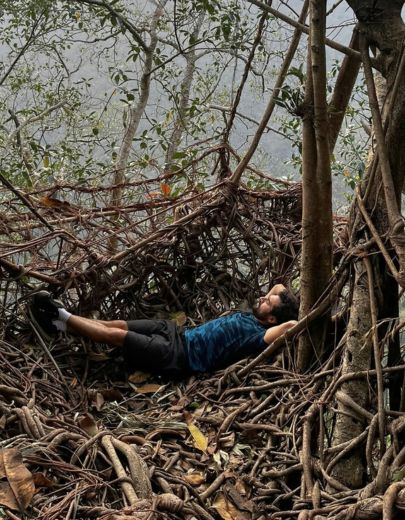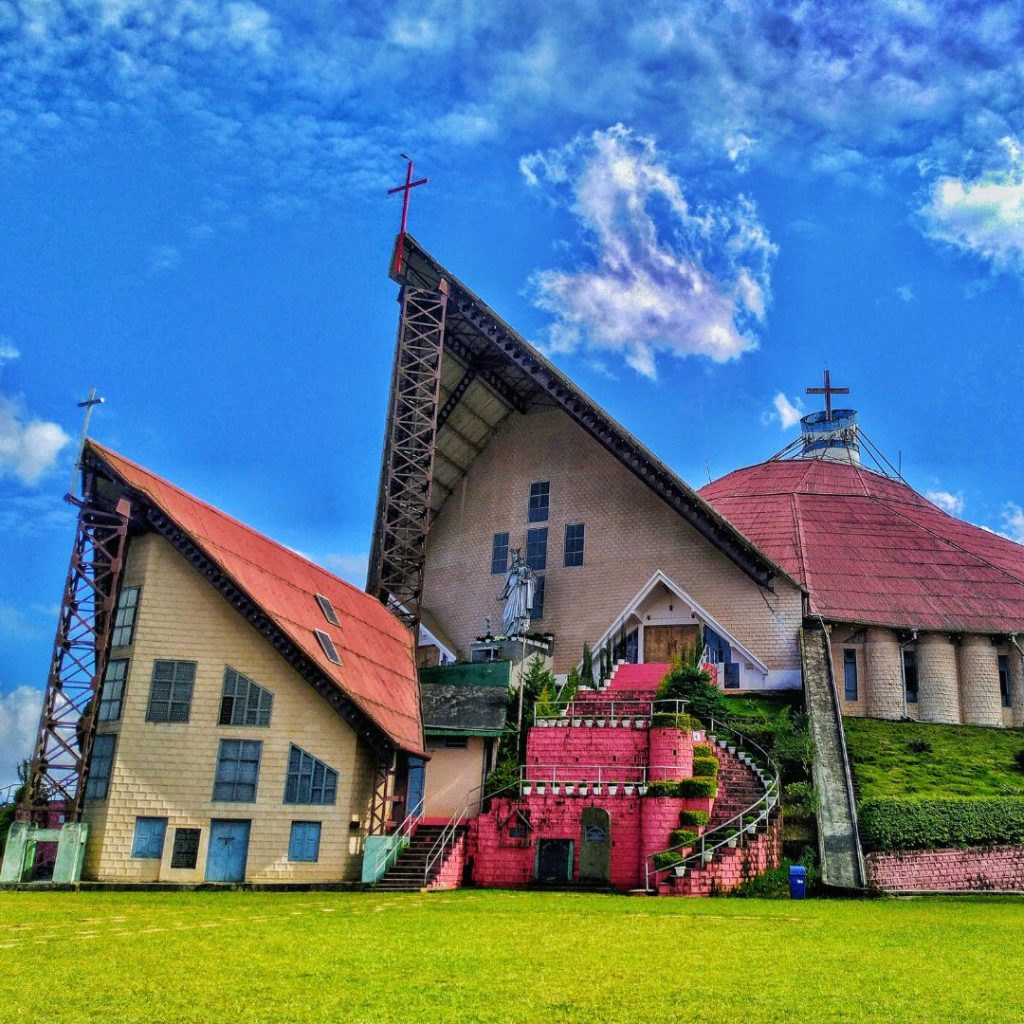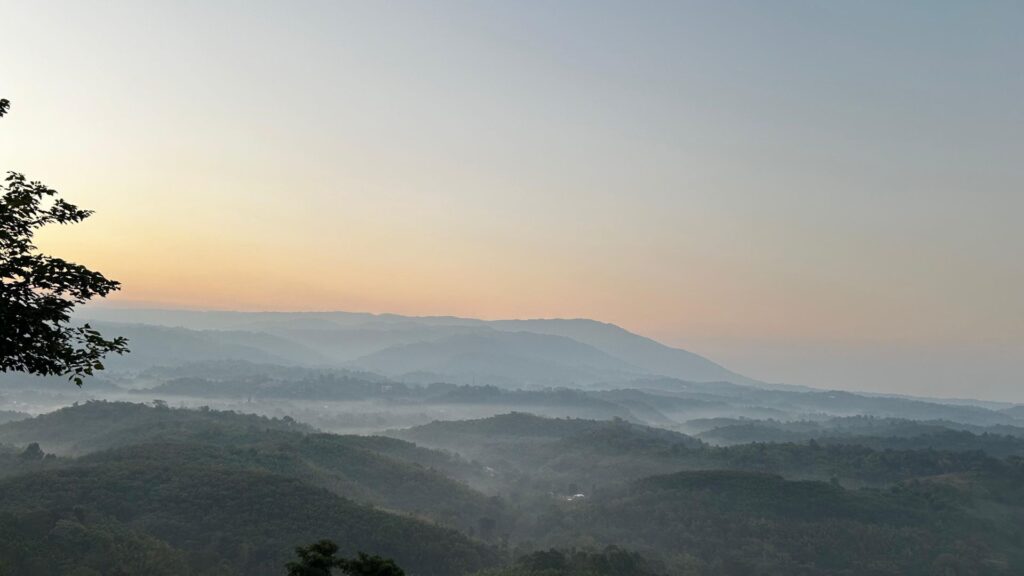
There comes a moment on the road to the Garo Hills when Meghalaya stops feeling like a destination and starts feeling like a shift in perspective. For years, the state has drawn travelers with its headline attractions, living root bridges, and waterfalls that seem to fall out of clouds. But something is changing.
Meghalaya is quietly stepping into its next chapter of tourism — one that trades spectacle for story, and itineraries for immersion. The familiar markers, including crowded viewpoints, curated cafés, neatly packaged experiences begin to fade as you head west. The air thickens with forest, time loosens its grip, and the landscape opens into something less filtered, more real.
This is the Garo Hills, home to the A’chik Mande, where life moves to older rhythms and culture isn’t performed on cue. It’s here that you begin to understand what Meghalaya is becoming: not just a place you visit, but a place you learn to experience differently — slowly, closely, and on its own terms.
Anthropologically, the Garos are distinct from Meghalaya’s other major tribes, particularly the Khasi. While the Khasi trace their origins to the Austroasiatic linguistic family, one of the oldest in the world, the Garos are believed to have Tibeto-Burman roots, migrating centuries ago into what is now the Garo Hills. This divergence is reflected not just in language — Garo (A’chikku) versus Khasi — but in cosmology, rituals, and social rhythms.
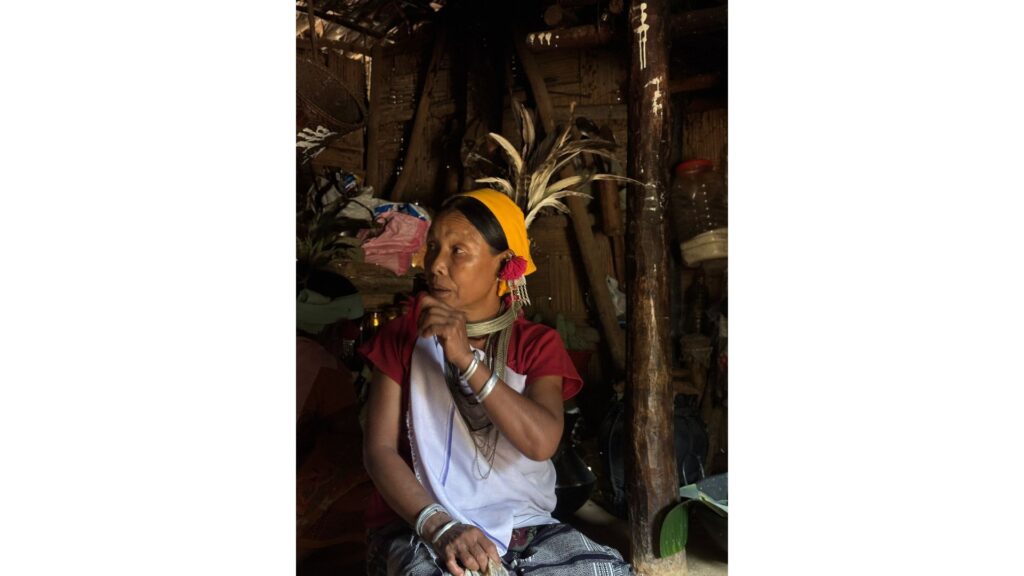
Yet, despite these differences, the Garos and Khasis share one of the most fascinating social systems in the world: matriliny.
Matriliny also shapes Khasi society, although its institutions, origin narratives and contemporary expressions are distinct from those of the Garos.
Read more: Ki Hynñiewtrep: Origins, Myths, and the Evolving Identity of the Khasi People
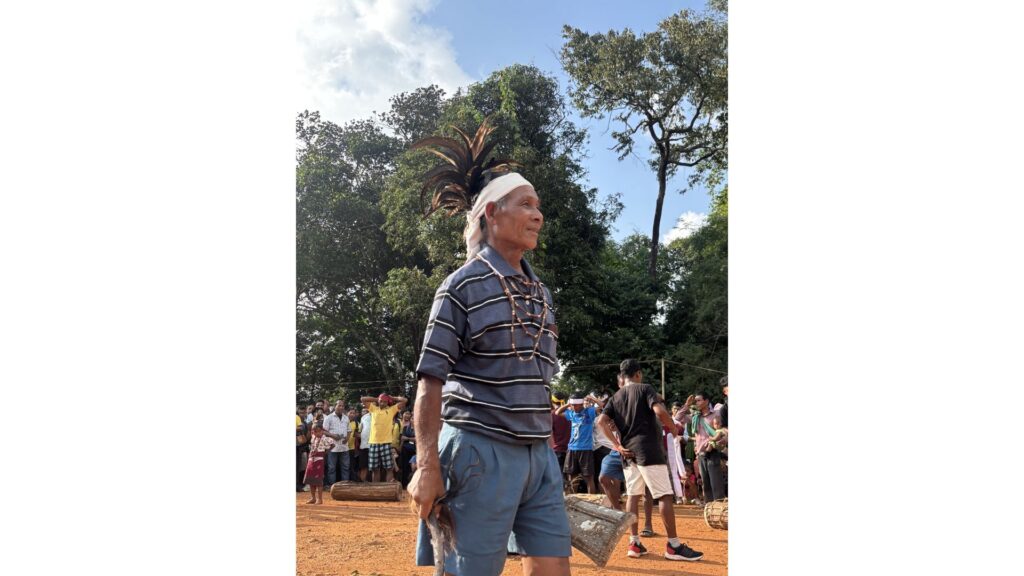
In both Garo and Khasi societies, lineage flows through the mother — a detail that often becomes the headline for outsiders trying to understand Meghalaya. Property passes to daughters, usually the youngest, family names follow the maternal line, and ancestral homes are anchored around women. On paper, it sounds almost utopian — a reversal of the patriarchal norms that dominate much of the world.
But spend a few days in the Garo Hills, and that neat narrative begins to unravel. Among the Garos, the nokna (youngest daughter) inherits property and carries forward the family line. Yet, the maternal uncle — the mother’s brother — often plays a decisive role in managing family affairs, especially in matters of land, marriage, and dispute resolution. Authority, in this sense, is not centralized but shared, negotiated, and sometimes contested.

For travelers, this layered system can be both fascinating and disorienting. A backpacker from Bengaluru, staying in a village homestay near Williamnagar, described it this way:
“I expected something like a ‘women-run society,’ but what I saw was more balanced — or maybe more complicated. The grandmother owned the house, the uncle handled most of the external matters, and everyone seemed to have a voice, just in different ways.”
This complexity is where matriliny in the Garo Hills becomes less of a novelty and more of a lived, evolving system. Women often act as custodians of continuity — preserving lineage, property, and family identity. Men, meanwhile, frequently occupy roles that extend into community leadership and public life. The result is not a simple inversion of patriarchy, but a dual framework of gendered responsibility, where power is distributed across domains rather than concentrated in one.
Anthropologists have long pointed out that matriliny here is less about “who rules” and more about how stability is maintained — ensuring that land remains within the clan, that family structures endure, and that social safety nets are preserved. A young Garo professional in Shillong put it candidly: “We’re proud of our system, but we’re also figuring out what it means today. Equality isn’t just about inheritance — it’s about voice, choice, and opportunity.”
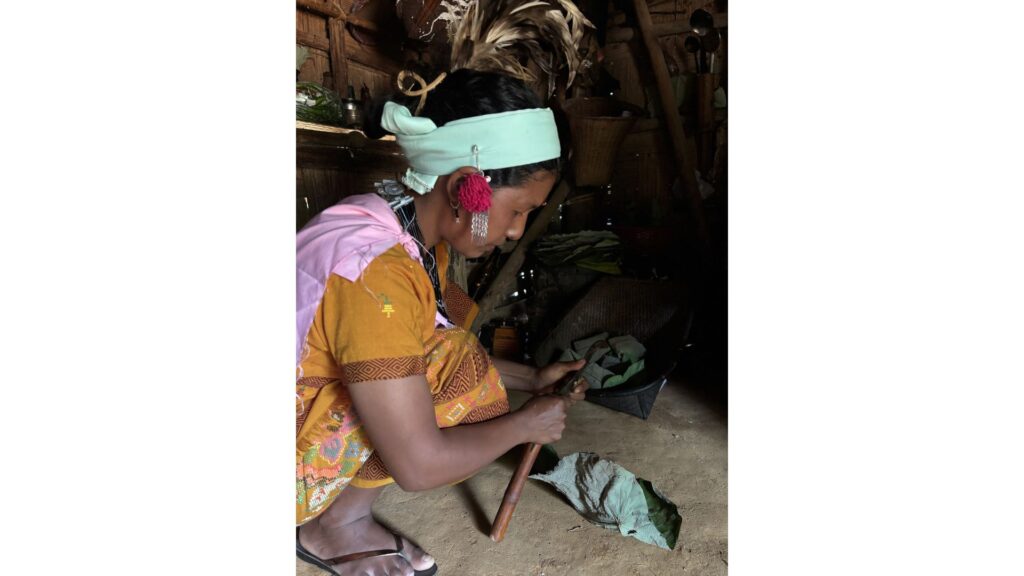
If you happen to arrive in the Garo Hills during Wangala, you’ll understand quickly that this is not a place where culture is staged for an audience — it’s lived, instinctively and unapologetically.

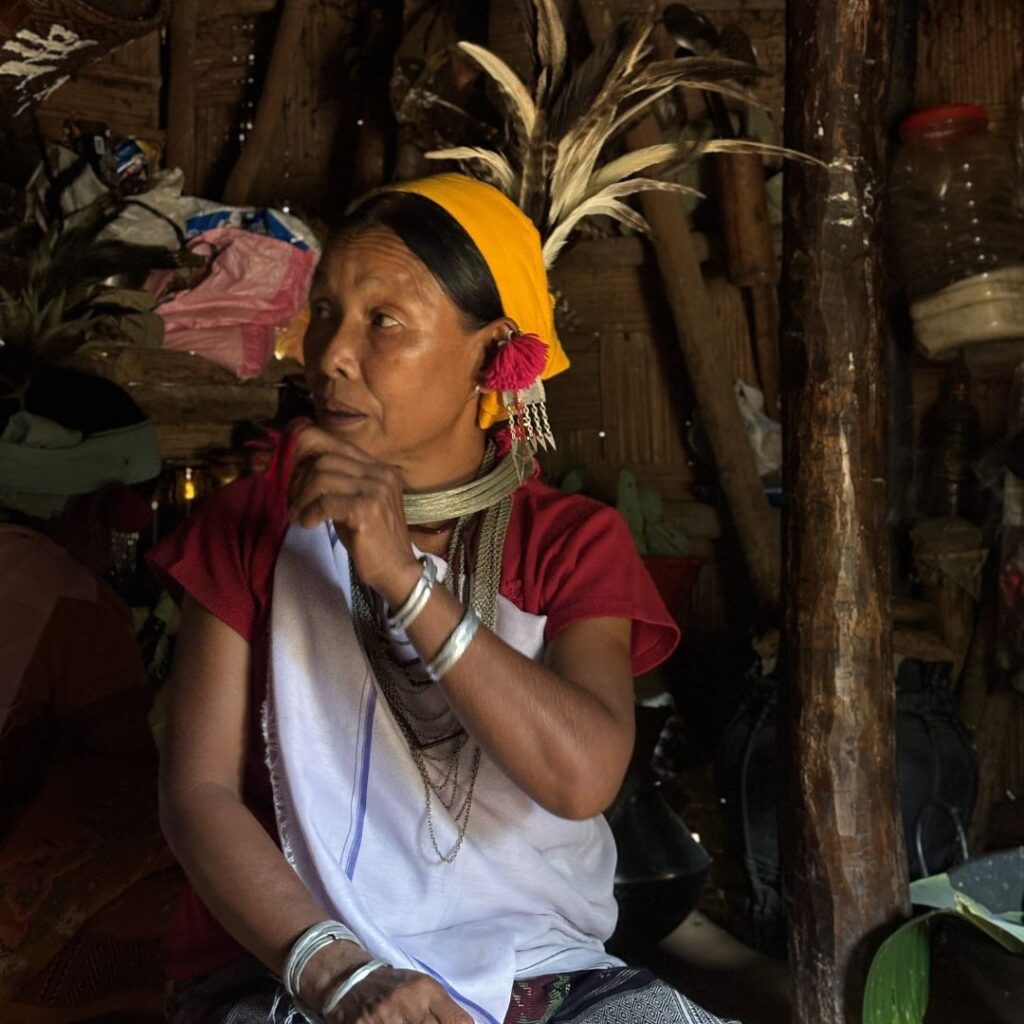
Known as the Festival of a Hundred Drums, Wangala is a post-harvest celebration dedicated to Saljong, the Sun God. But calling it a “festival” almost undersells it. It is rhythm, memory, and movement — an entire agricultural worldview brought to life. Drums don’t just play here; they reverberate through the hills, low and insistent, like a heartbeat you begin to feel in your chest. Dancers move in long, sweeping lines, their bodies synchronized to patterns inherited over generations. The feathered headgear, woven textiles, and beadwork aren’t costumes — they are markers of identity, worn with ease rather than display.
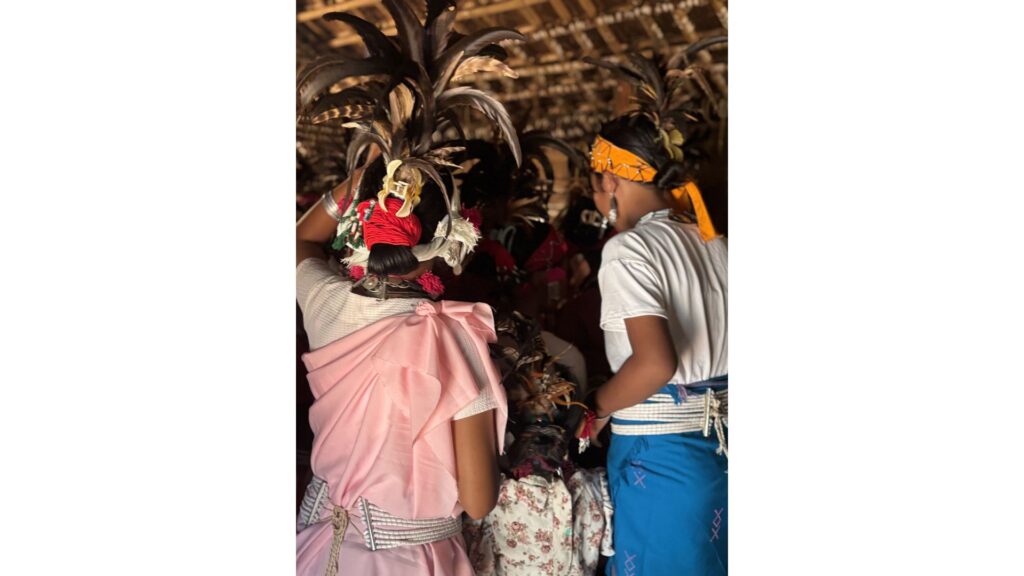
If you’re planning a trip around Wangala, a little context goes a long way:
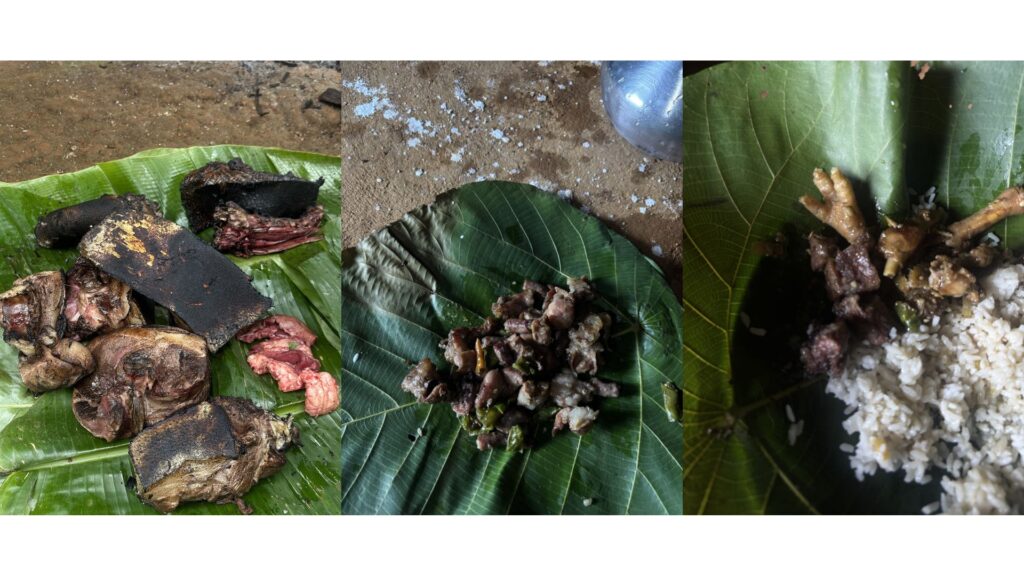
Food in the Garo Hills is not designed to impress — it’s designed to sustain, to comfort, and to connect. At first glance, the dishes may seem simple. But spend a little time here, and you’ll realize that Garo cuisine is deeply expressive, built around smoking, fermenting, and slow cooking — techniques that preserve both flavor and tradition.
A meal might include:
The Garo Hills are not polished or packaged. They are expansive, sometimes unpredictable, and often deeply sacred. Tura, the region’s largest town, acts as a cultural and logistical base — particularly during Wangala. But it’s when you move beyond Tura that the hills begin to reveal their layers.


_in_Balpakram_National_Park.jpg)
If you want to understand where tourism in Meghalaya is headed, look beyond its famous waterfalls and well-trodden hill towns to the quieter, more reflective landscapes of the Garo Hills, where a different kind of travel is already taking shape. What’s unfolding here isn’t loud or aggressively marketed — it’s subtle, grounded, and deeply human. Across Meghalaya, there’s a visible shift from checklist tourism to something slower and more meaningful, and the Garo Hills capture this transition almost effortlessly: you don’t arrive as a customer, but as a guest; you stay in homestays where conversations matter more than curated experiences; you don’t watch culture, you gradually become part of it.
As one traveler put it, “Shillong showed me how beautiful Meghalaya is, but the Garo Hills showed me how it lives.” That distinction reflects a broader transformation within the state, where tourism is becoming more community-driven, culturally rooted, and environmentally conscious. Here, experiences aren’t packaged — they unfold organically through shared meals, local stories, and everyday rhythms, while the environment is treated not as scenery but as something sacred and worth preserving. Yet, as attention grows, Meghalaya faces a delicate balancing act: how to open its doors without diluting its identity.
The answer may lie in restraint — in prioritizing homestays over large resorts, local voices over standardized itineraries, and authenticity over convenience. In many ways, the Garo Hills already feel like Meghalaya’s future, not because they are trying to define it, but because they remain unapologetically themselves. And in doing so, they offer something increasingly rare in modern travel: not just a destination, but a quieter, more honest way of experiencing a place.
This approach connects to a wider question across Northeast India: what changes when tourism is shaped around local voices rather than destinations alone?
Read more: Community-led Tourism and the power of Local Storytelling
Equal parts policy wonk and wanderlust junkie, Kavya brings together her training in environmental economics and political science with an enduring curiosity about how the world works — and how it could work better. By day, she’s a public health researcher and advocate, working at the intersection of people, systems, and the planet.
Off the clock? She’s a storyteller, active rester, and cat mama.