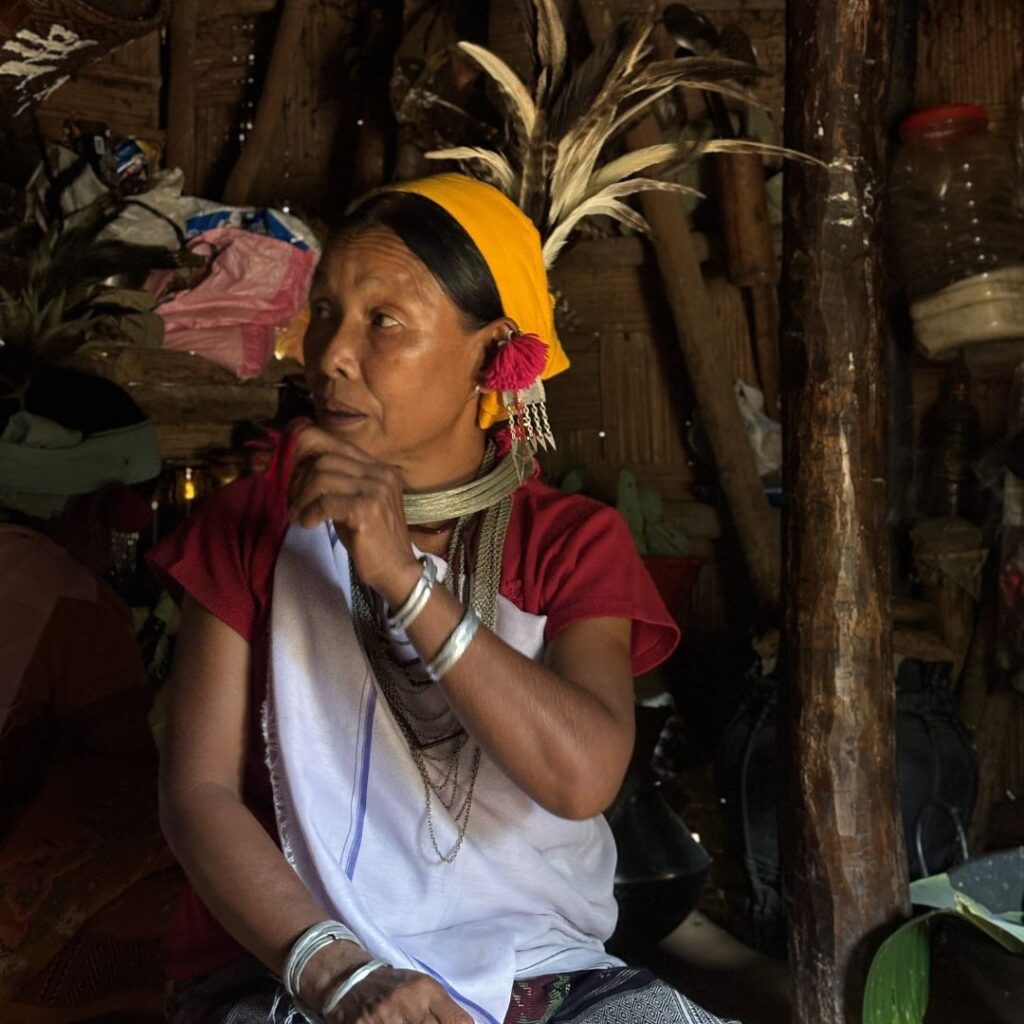
It begins with a ripple—a golden flash beneath the water, a dart of silver, a sudden splash that disturbs the mirror of a quiet stream. In Meghalaya, rivers and ponds are not just waterbodies but living sanctuaries, where fish are revered, protected, and sometimes playfully pursued.
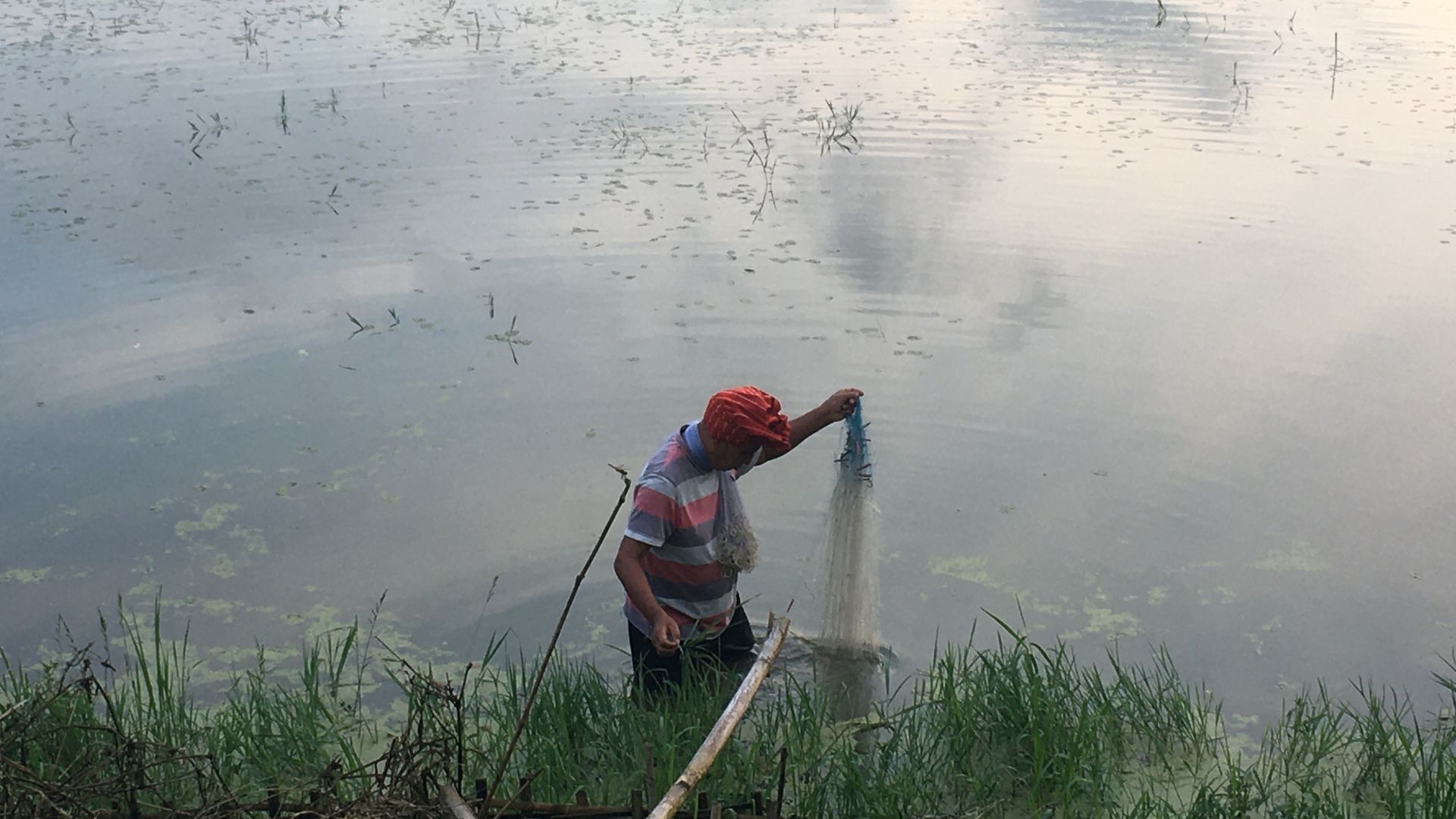
The legendary golden mahseer, once called the “Mighty Himalayan Fish” by British anglers in the 19th century, still draws sport fishers from across the world, and today conservationists hail Meghalaya’s community-managed sanctuaries as models for sustainable eco-tourism.
Whether you’re an angler chasing that elusive mahseer, a curious traveler gazing into emerald pools, or a foodie on the trail of smoked catfish and fermented fish chutneys, Meghalaya’s bond with its rivers is a tale worth casting your line into.
Unlike in many parts of the world, fish sanctuaries in Meghalaya are not the outcome of bureaucratic decrees but of community willpower, rooted in faith and folklore. They are living testaments to indigenous conservation, born from the Khasi and Jaintia belief in ka mei riti—“mother tradition”—which sees rivers not as resources to be extracted but as kin to be respected. Along the Umiam, Rilang, and Myntdu rivers, villagers declare certain stretches off-limits, often linking them to taboos or ancestral stories: to kill a fish here, elders warn, is to invite misfortune. The result is not only ecological abundance but also social cohesion, as sanctuaries become communal pride projects.
At Nongbareh in the Jaintia Hills or Kmair near Mawphlang, visitors are astonished to see fat, fearless schools of carp and mahseer swirling in glassy waters, thriving because of rules enforced not by lawbooks but by village councils. Economically too, these sanctuaries are rippling out benefits—drawing eco-tourists, attracting anglers from around the world, and even creating supplementary livelihoods for local guides and homestays. In Meghalaya, a fish sanctuary is at once a spiritual site, a conservation model, and an emerging economic lifeline—proof that tradition and modernity can swim together in the same current.
This sits within a larger question ChaloHoppo has explored across the Northeast: how tourism can support local livelihoods while leaving communities in control of their land, stories and visitor experiences.
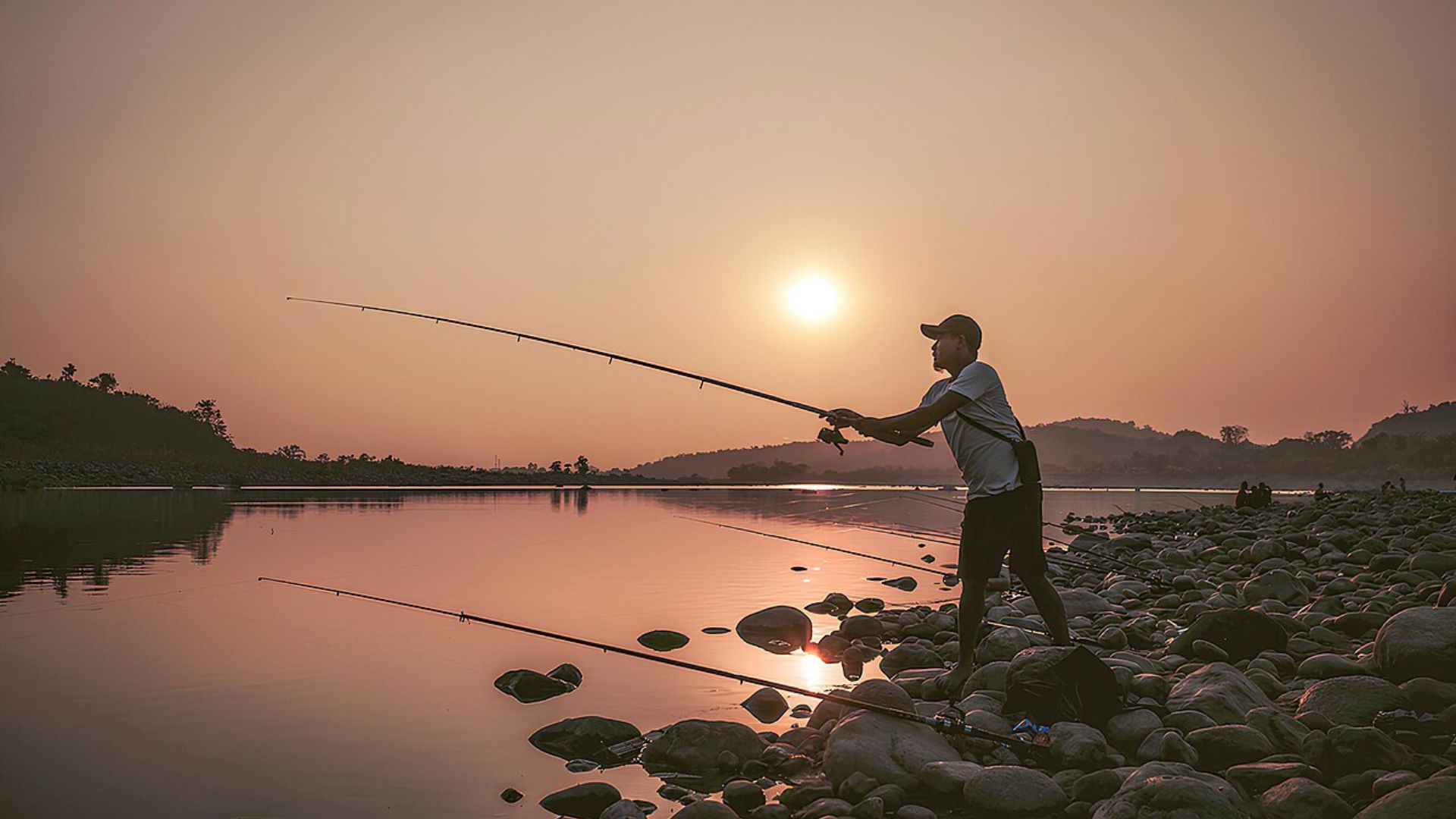
For thrill-seekers, Meghalaya doubles as an angler’s paradise, where rivers cut through deep gorges or meander lazily past pine-clad hills, carrying some of India’s most prized sport fishes. None, however, shine brighter than the golden mahseer (Tor putitora). Nicknamed the “tiger of the river” for its strength and agility, this shimmering giant has lured anglers from across the globe since colonial times. To hook one in Meghalaya’s wild waters is less a sport and more a duel—a test of patience, muscle, and skill. With scales that catch the sunlight like hammered gold, the mahseer is the ultimate trophy, though today responsible anglers increasingly embrace catch-and-release practices to protect this vulnerable species.
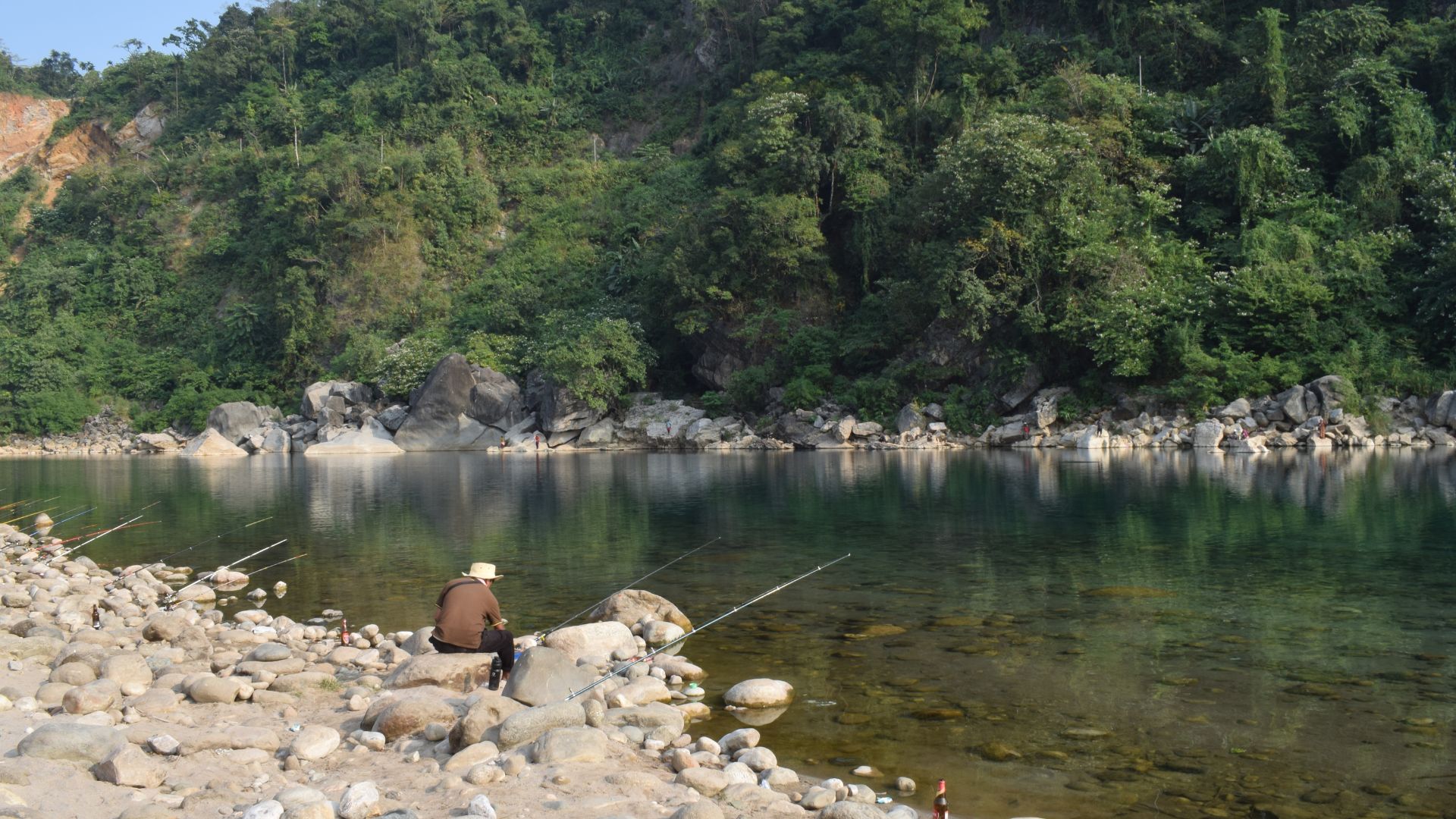
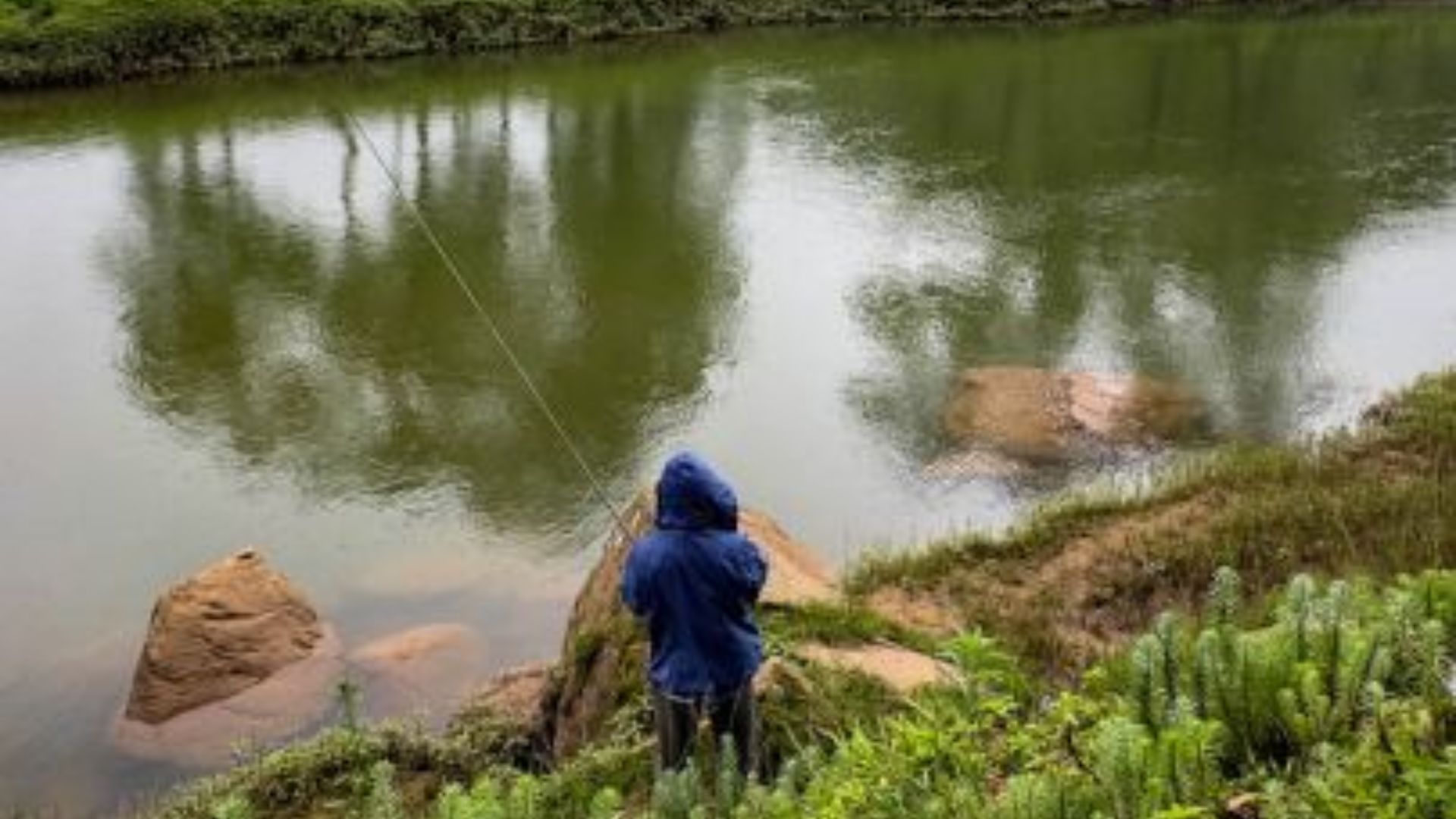
But angling here is not just about carbon-fiber rods and imported lures. In many Khasi and Garo villages, you’ll still spot locals crafting handmade bamboo fishing poles, their designs perfected over generations. A simple hook, a line of twine, and the steady patience of a villager can yield a feast. Sit by a stream with one of these rods and you’ll understand that fishing here is also a meditation—an intimate way of syncing with land and water.
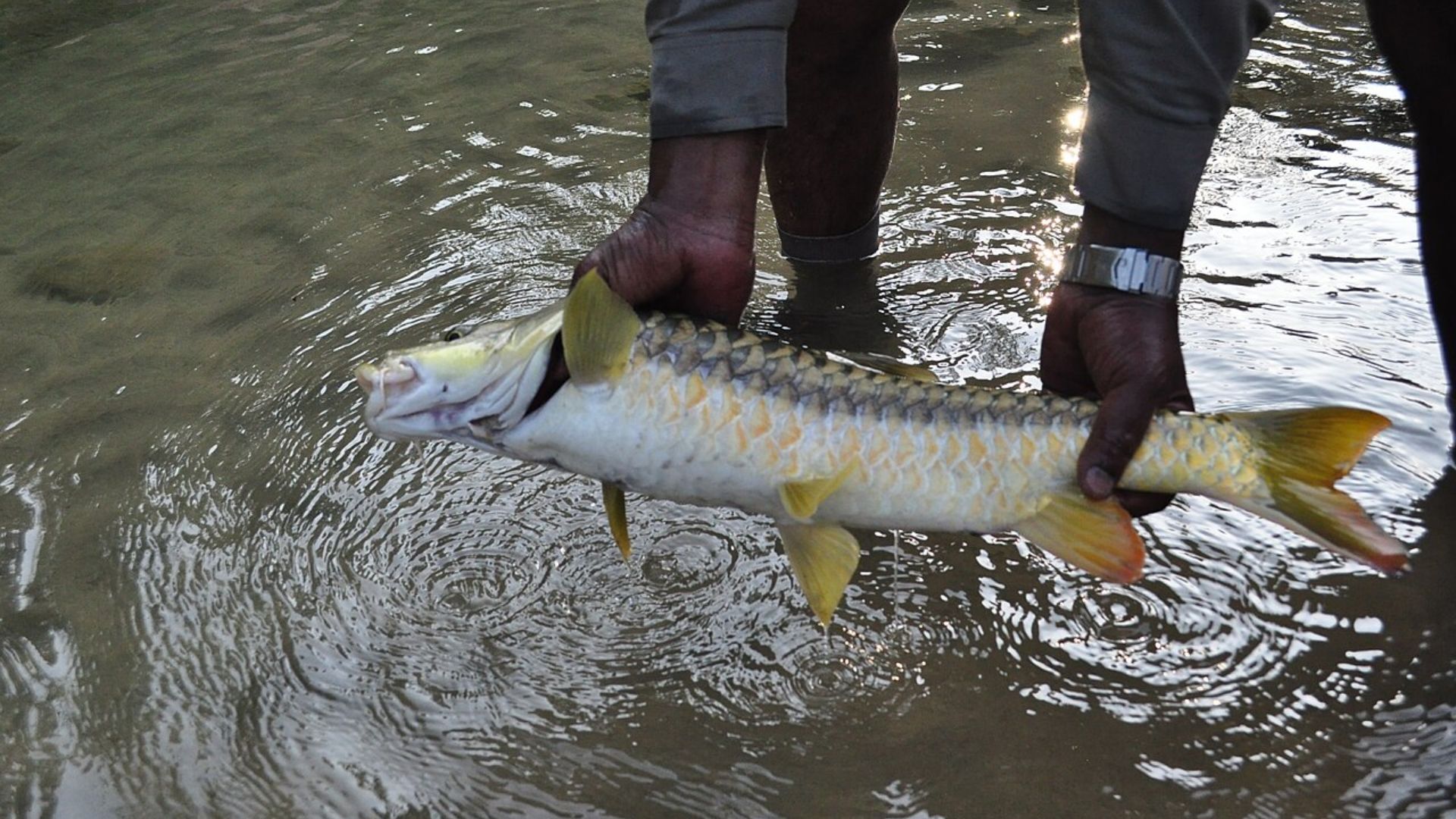
The best time for angling in Meghalaya is October to April, when rivers run clear and fish are most active. Popular spots include the Umngot River at Dawki, famed for its crystal-clear waters, and the stretches of the Simsang in the Garo Hills, where both golden and chocolate mahseer thrive. Local guides can arrange permits and gear, and some villages even host angling festivals, turning sport into celebration. If you’d rather try the traditional way, ask locals to show you how to fashion a bamboo rod—they’re often delighted to teach, and it makes for the kind of travel memory no souvenir shop can sell.
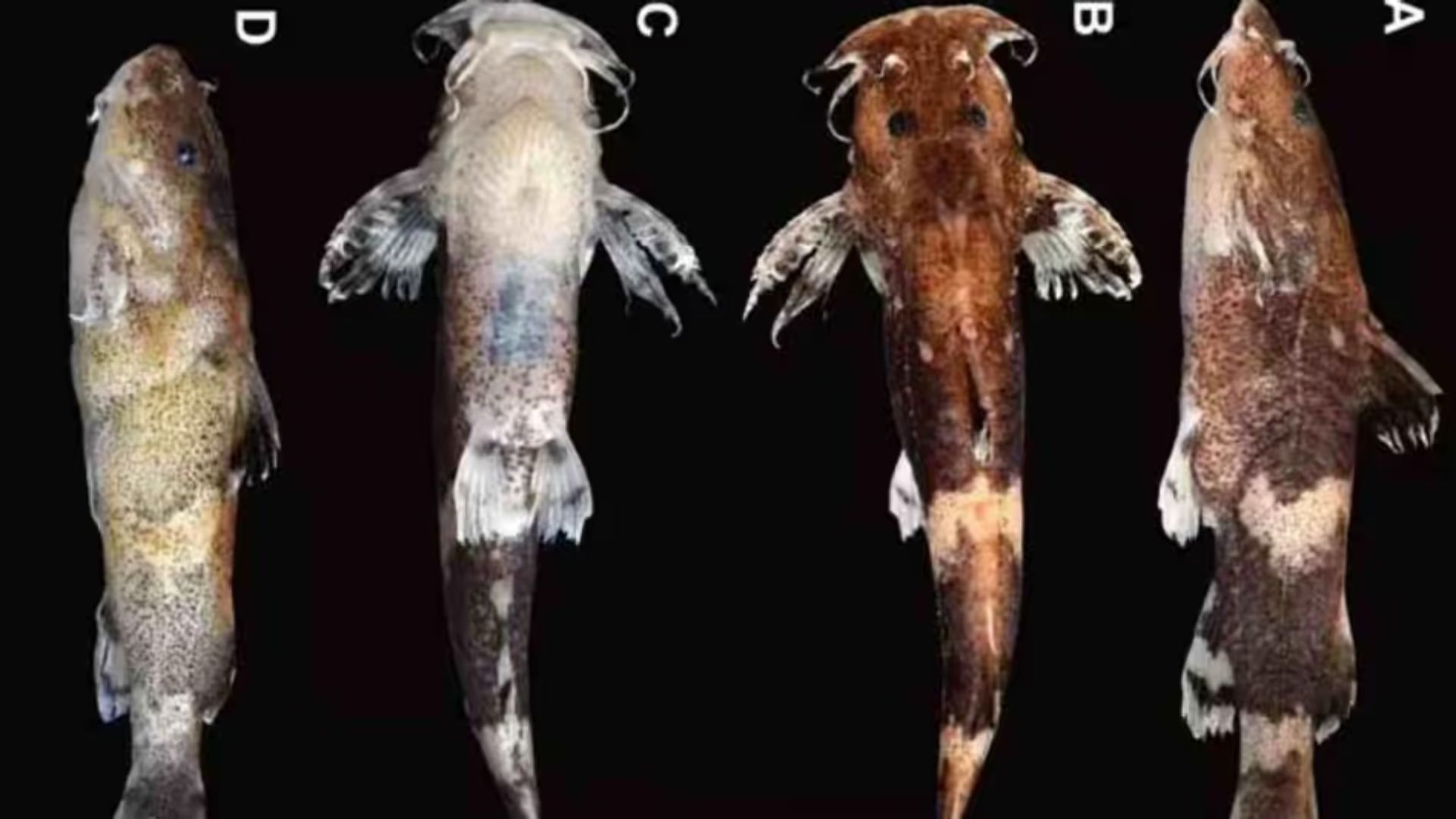
The waters of Meghalaya are home to an incredible variety of fish, many of which play cultural and economic roles. Some of the most significant include:
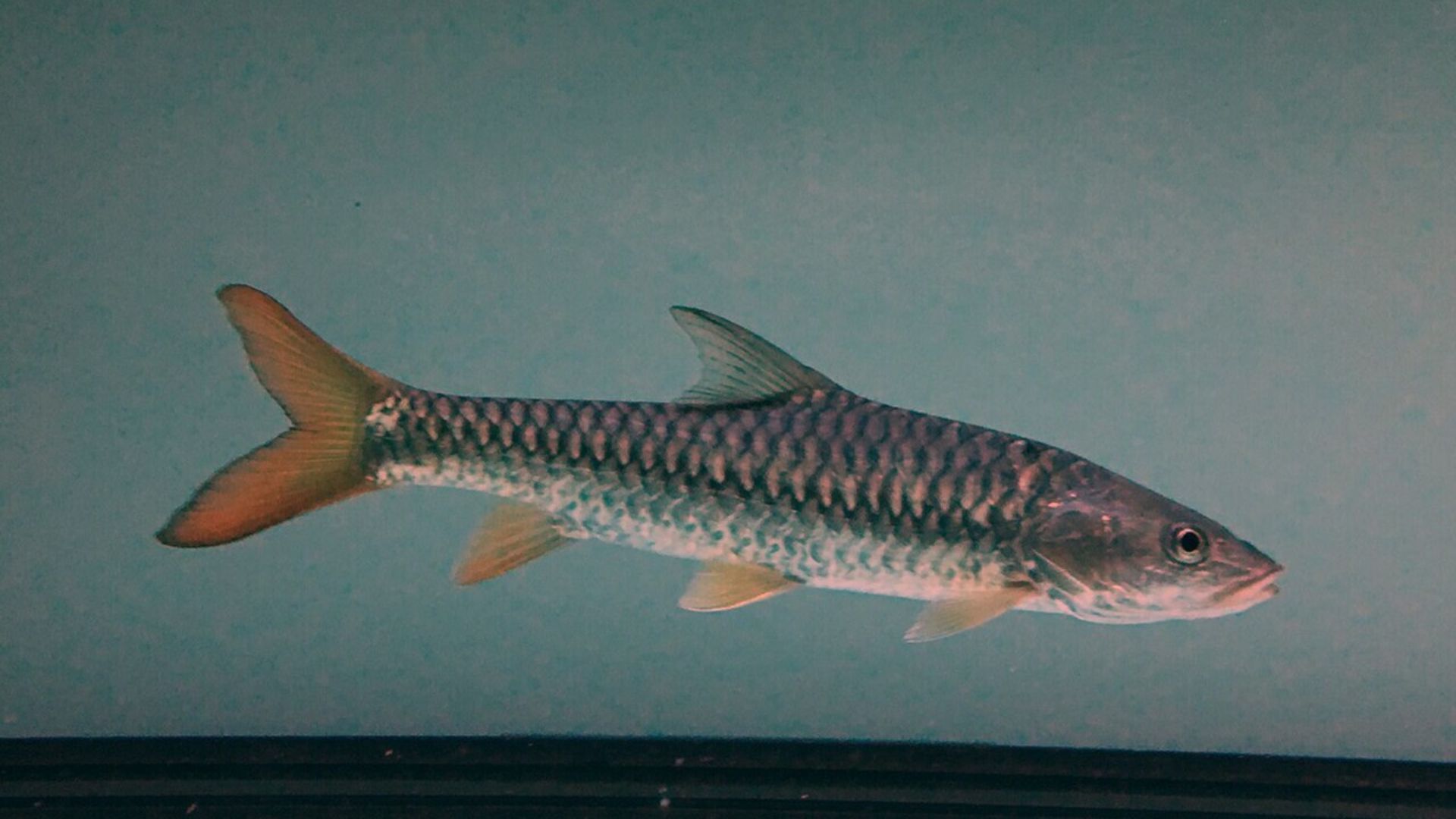
Each fish is more than just a creature of the stream—it’s part of the culinary memory of the state. In Meghalaya, a smoked catfish curry is as much a taste of home as a golden mahseer caught on the line is a tale for generations.
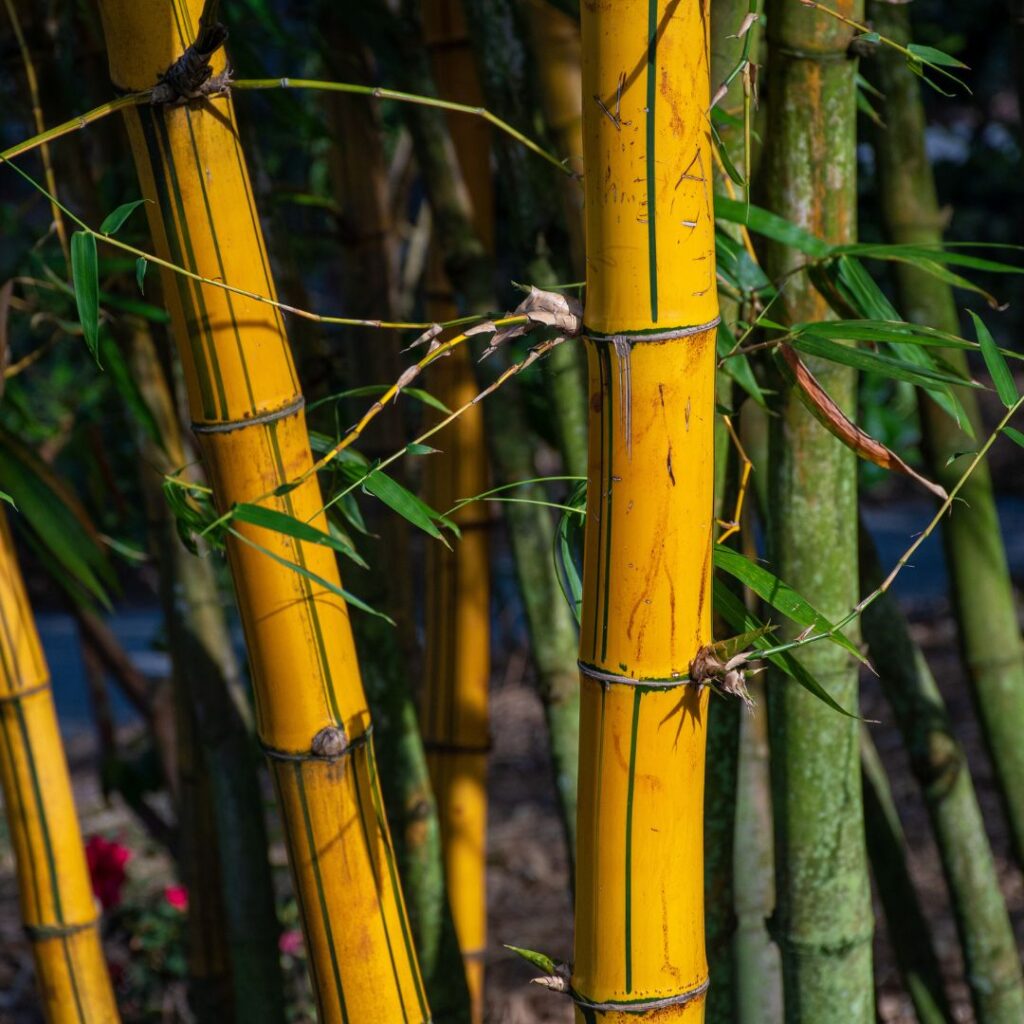
One of the true joys of traveling in Meghalaya is stumbling upon scenes that feel timeless. Walk along a riverbank in the Jaintia or Garo Hills, and you may spot a villager carefully cutting bamboo, slicing and bending it into the shape of a fishing rod. This isn’t new—it’s a practice that has endured for centuries, rooted in the region’s deep symbiosis with bamboo, often called the “poor man’s timber.” Historically, bamboo was central not just to fishing but also to hut-building, weaving, and music (flutes and pipes still made today). Fishing rods crafted from bamboo are part of this larger cultural continuum, where one plant sustains nearly every aspect of daily life!
Children are initiated into this tradition young. In many Khasi and Jaintia villages, fishing seasons often turn into collective rituals, with families heading to rivers carrying woven cane baskets (khoh) to store their catch. Anthropologists note that these outings are as much about teaching patience, teamwork, and reverence for water as they are about food. Fishing, in this sense, becomes a way of transmitting cultural values across generations.

What’s fascinating is how these customs adapt in modern times. While urban youth may lean toward sport fishing with reels and lures, many rural households continue to rely on handmade rods. In recent years, some communities have even begun showcasing traditional fishing techniques to eco-tourists, turning heritage into livelihood. A 2022 tourism initiative in the Dawki and Mawlynnong areas, for instance, encouraged visitors to join locals in crafting bamboo rods and trying their hand at riverside fishing—a sustainable alternative to mass-market tourism.
Travelers keen on witnessing these unique sanctuaries should add a few key spots to their itineraries:
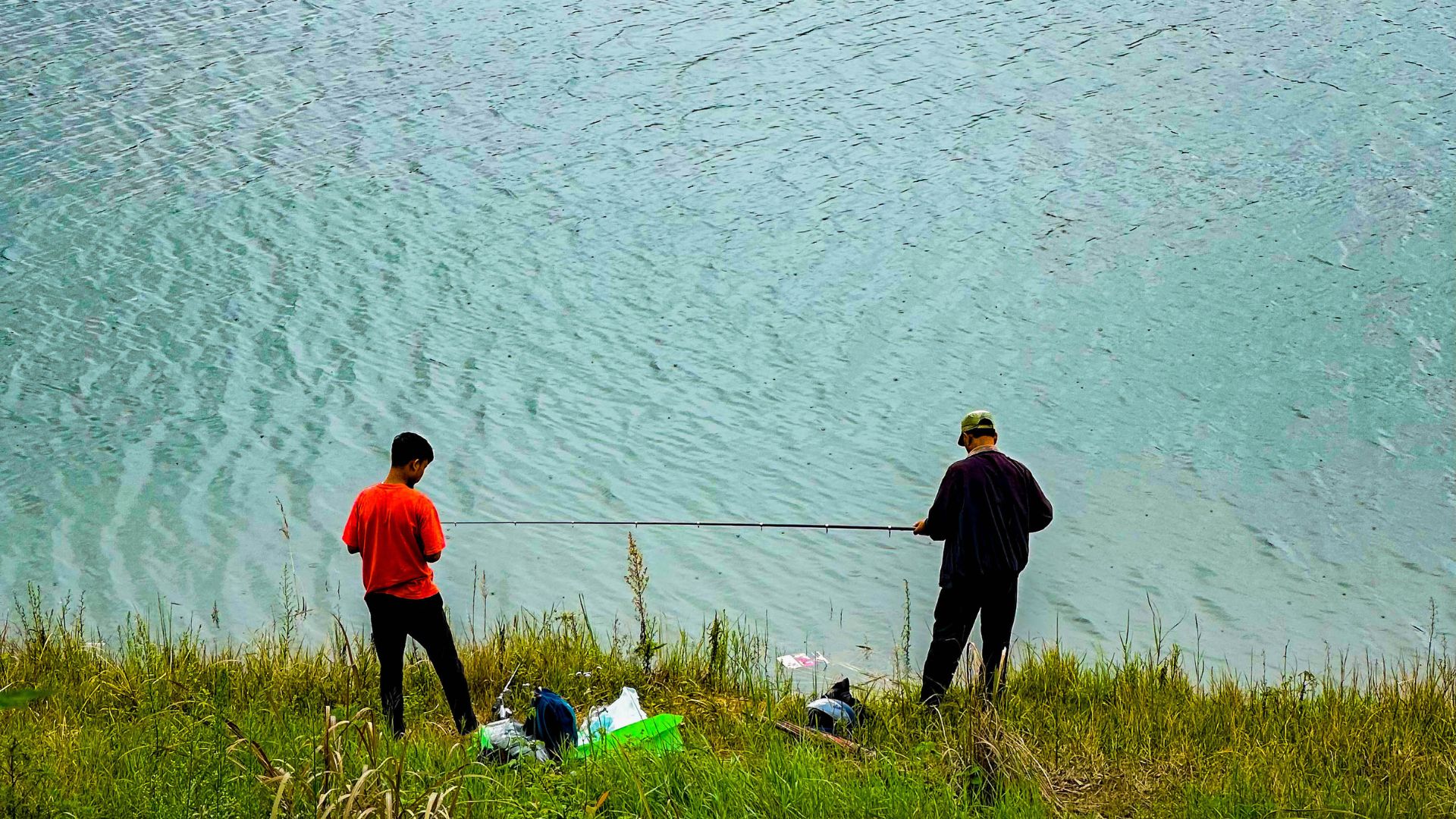
Many of these places are tucked away in villages, where locals gladly tell tales of how the sanctuaries began—often linked to folklore, spiritual beliefs, or moments of collective decision to protect rather than exploit.
Fish in Meghalaya are more than protein on a plate. In Khasi folklore, rivers and their creatures often have guardian spirits. Fishing in restricted areas was traditionally believed to bring misfortune—not because of enforcement, but because of spiritual reprisal. These beliefs still inform the community conservation ethos seen today.
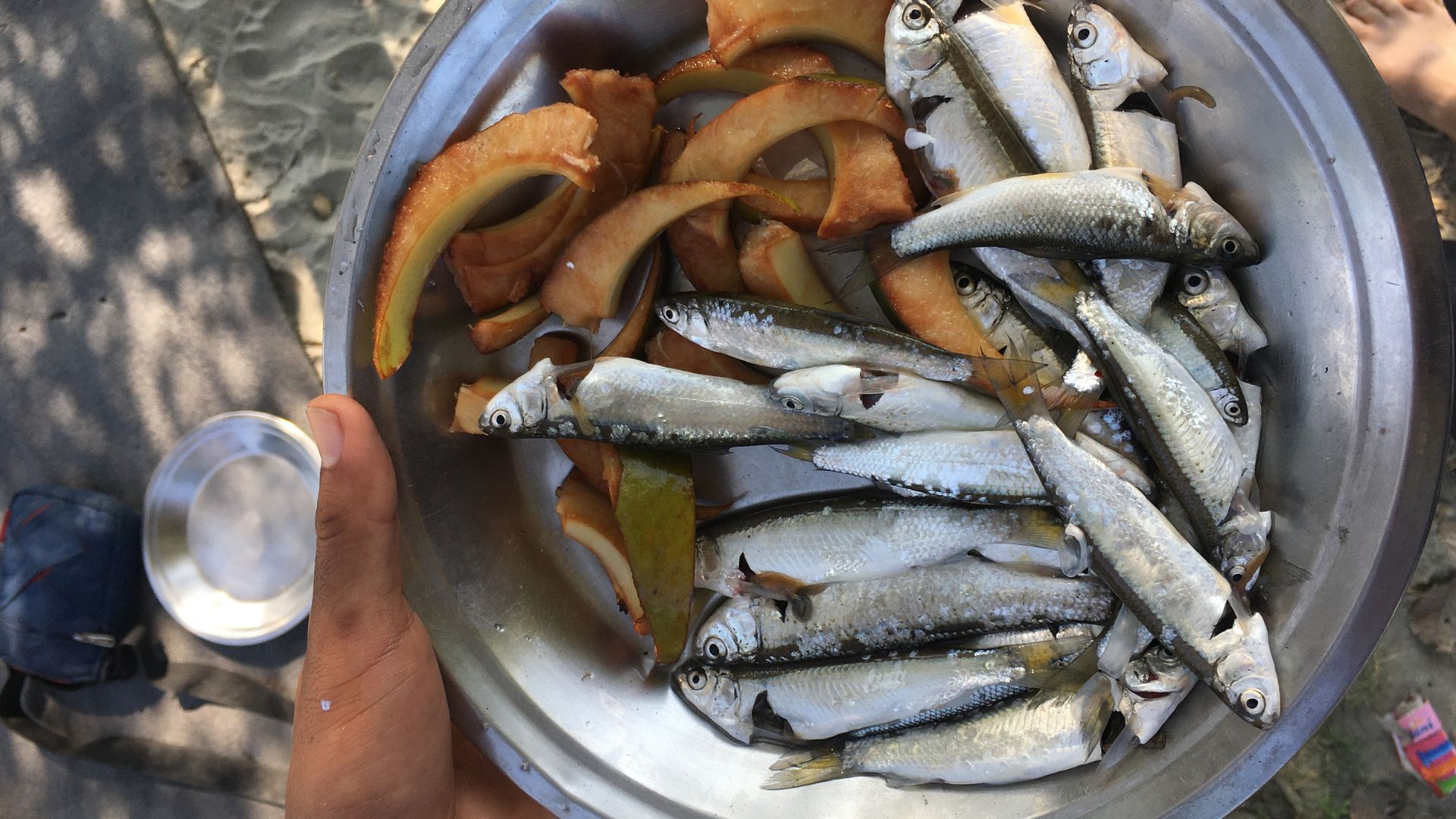
Culinarily, fish is central to Khasi, Jaintia, and Garo kitchens. Smoked, dried, or curried, it adds depth to meals. Dishes like dried fish chutney (ngari-like in its pungency) or poh ksiah (fermented fish preparation) are delicacies that embody the bold flavors of the hills. Festivals too often feature fish, both as food and as symbol—signifying prosperity and abundance.
For travelers, engaging with Meghalaya’s rivers can take many forms. You could:
Fish sanctuaries are only one way Meghalaya’s rivers shape a journey; our first-time guide brings together the state’s wider landscapes, cultural experiences and outdoor activities.
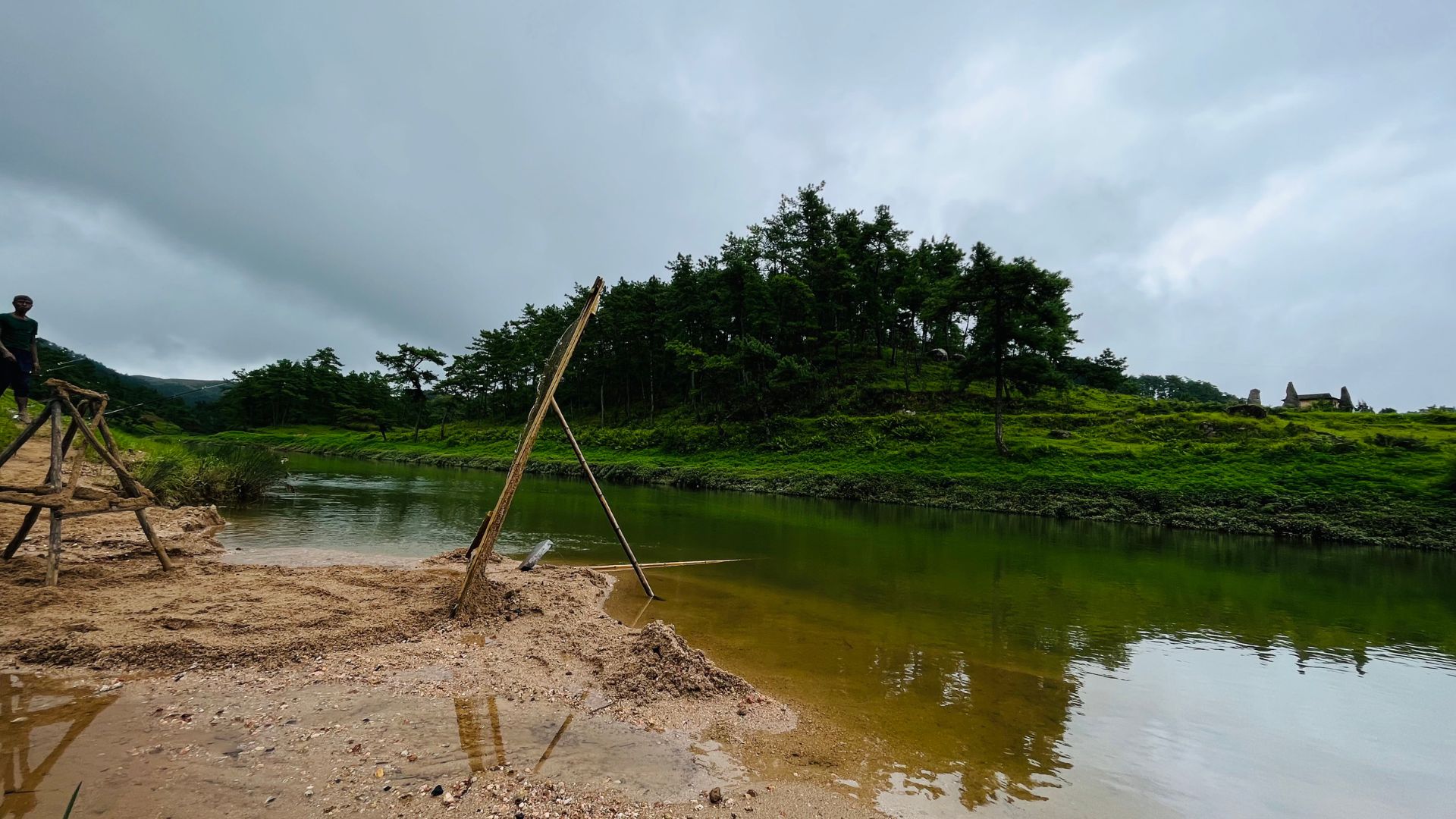
The joy is in the diversity—Meghalaya’s rivers invite you to be part of them, whether as adventurer, student, or storyteller.