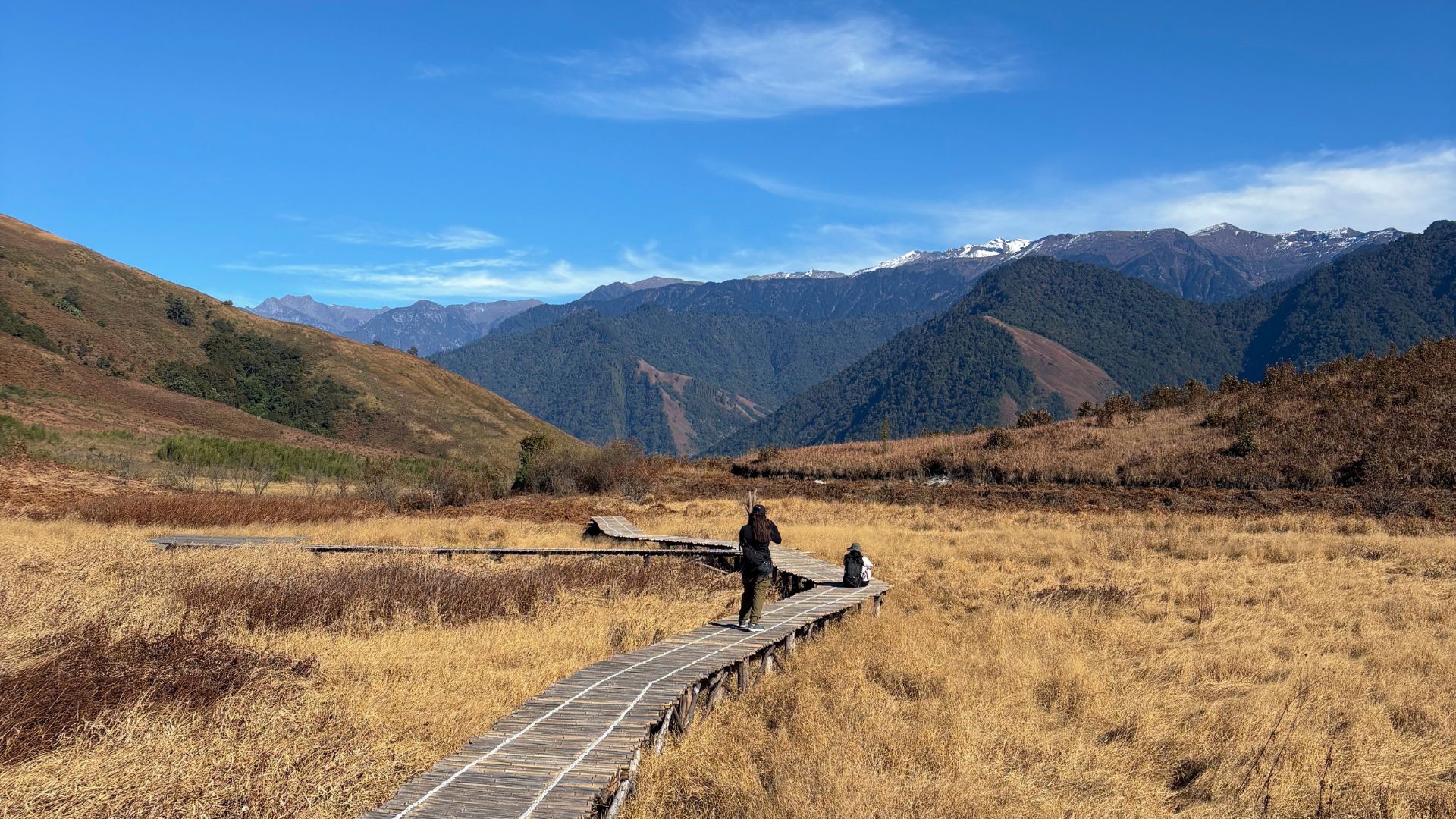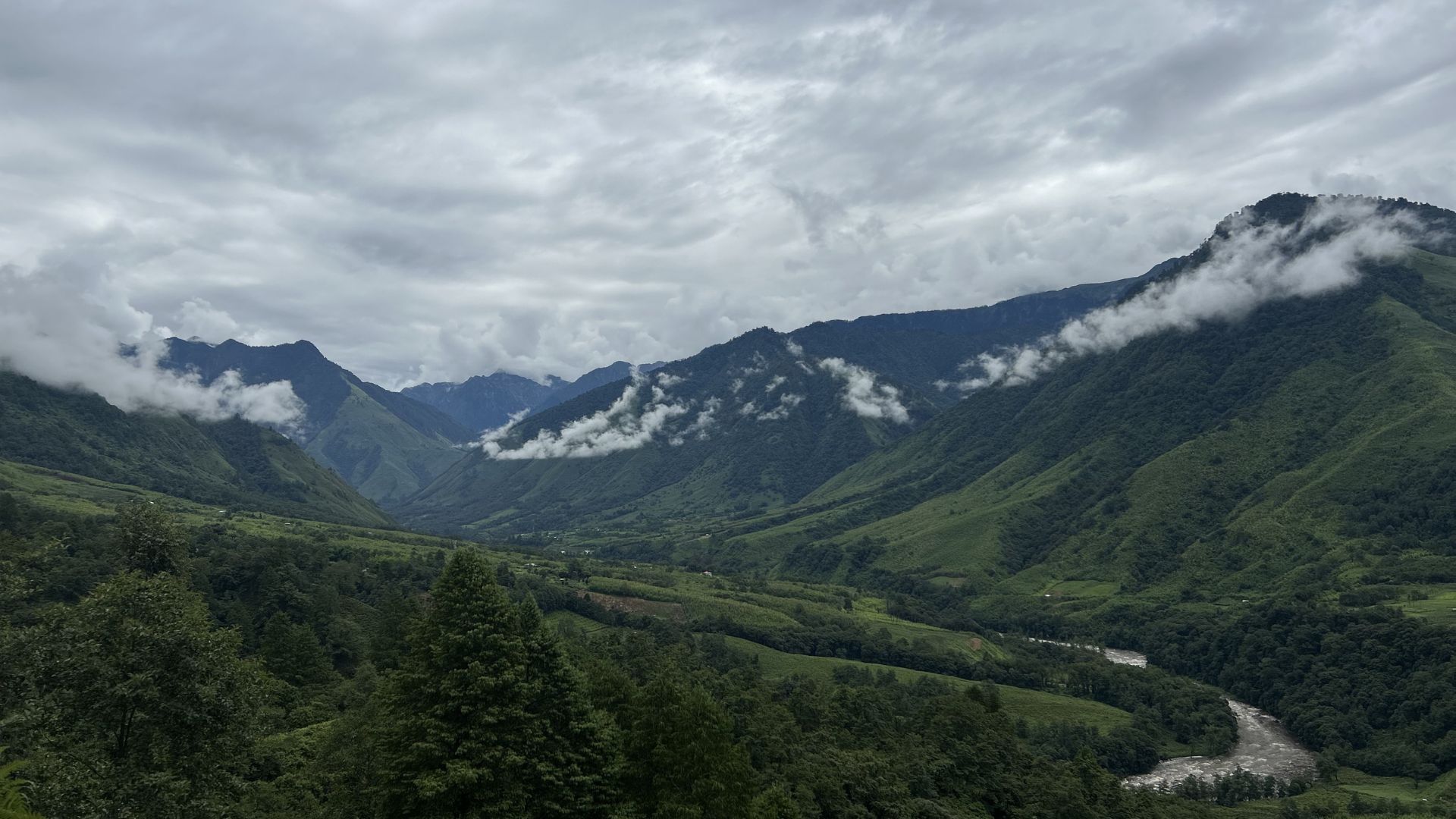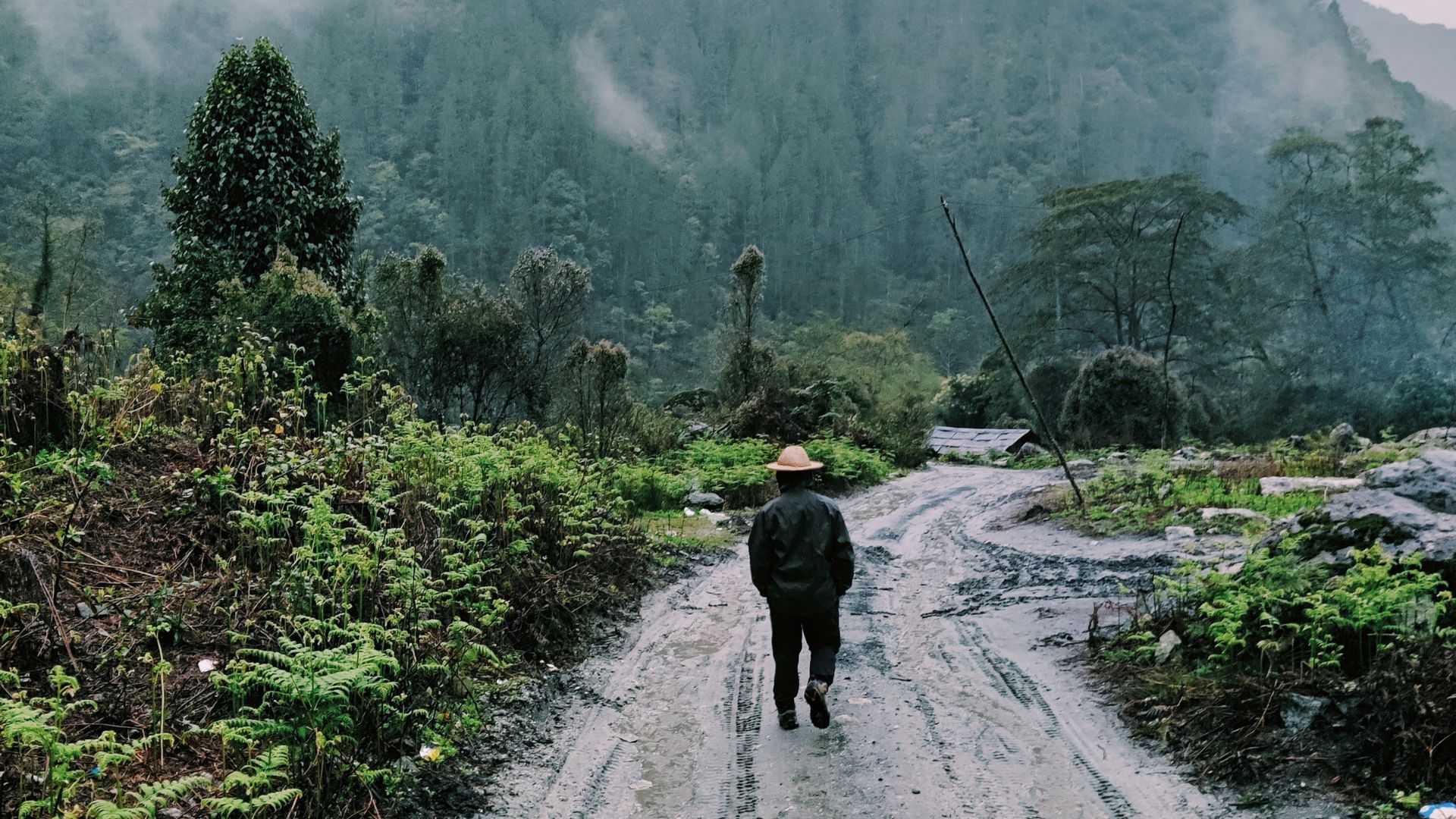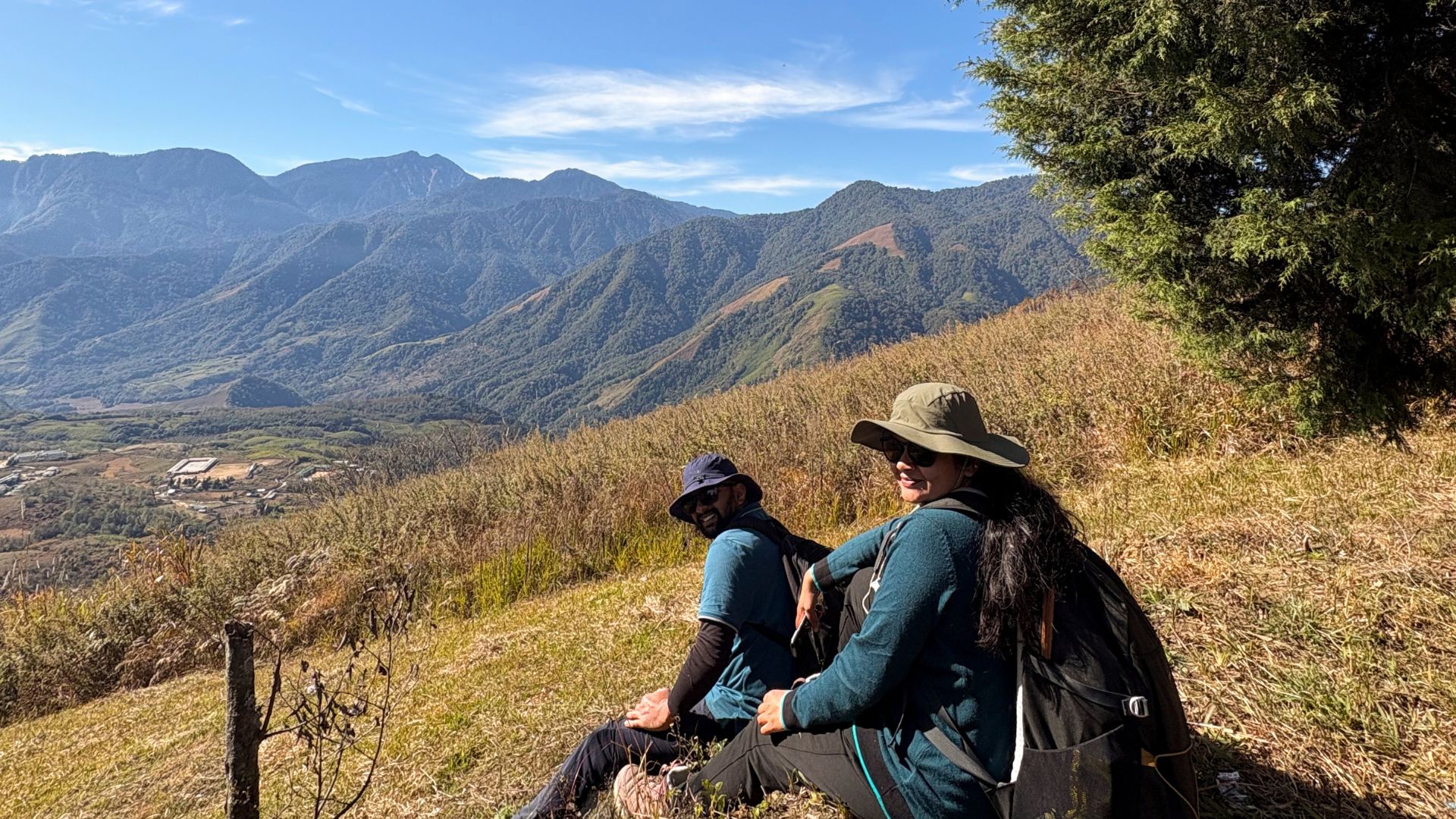
Some landscapes impress through their scale. Others through the lives that have evolved within them. Dibang Valley offers both. Surrounded by forests, mountains, and river valleys, it is a region where communities have lived in close relationship with the natural world for generations, developing traditions, beliefs, and ways of life deeply rooted in place.
This is the homeland of the Idu Mishmis, an indigenous community whose traditions, beliefs, and relationship with the natural world have long shaped life in the Dibang Valley. For generations, they have inhabited the valleys and forests of the region, developing ways of life deeply intertwined with the landscape around them. Stories are passed down through folklore and oral traditions, knowledge is embedded in rituals and everyday practices, and the natural world continues to hold deep cultural and spiritual significance. Here, rivers, mountains, and forests are not simply features of the environment, but an integral part of how communities understand and relate to the world.
Autumn and winter bring a distinct character to the valley. As the monsoon gradually retreats, forests take on changing shades of green, gold, and amber, rivers run clear beneath bright skies, and distant Himalayan peaks begin to reveal themselves with greater clarity. By winter, mornings grow crisper, the air becomes sharper, and the pace of life settles into a quieter rhythm. It is a season well suited to long drives through mountain landscapes, unhurried walks beside rivers, and evenings spent gathered around a fire.
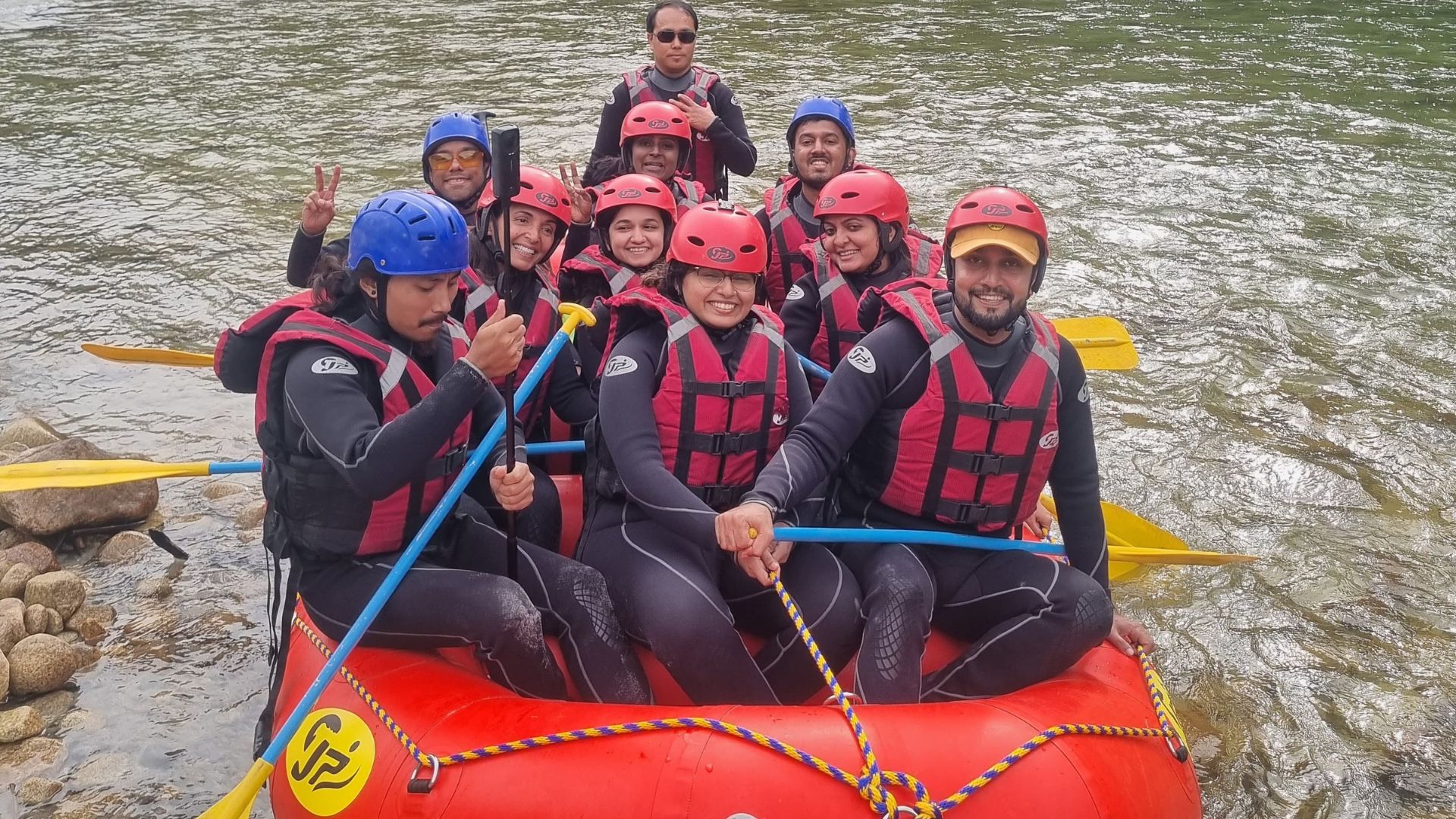
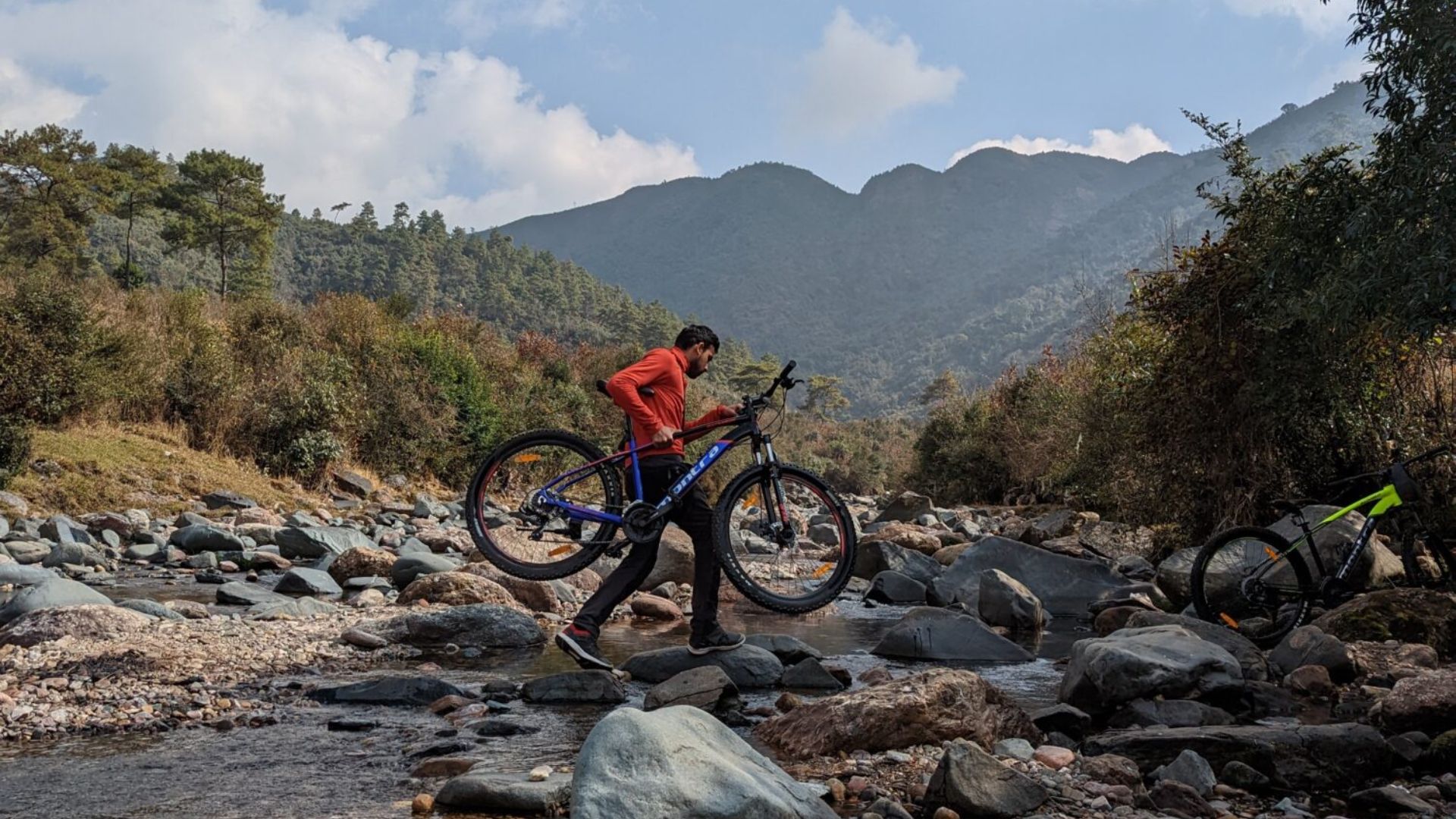
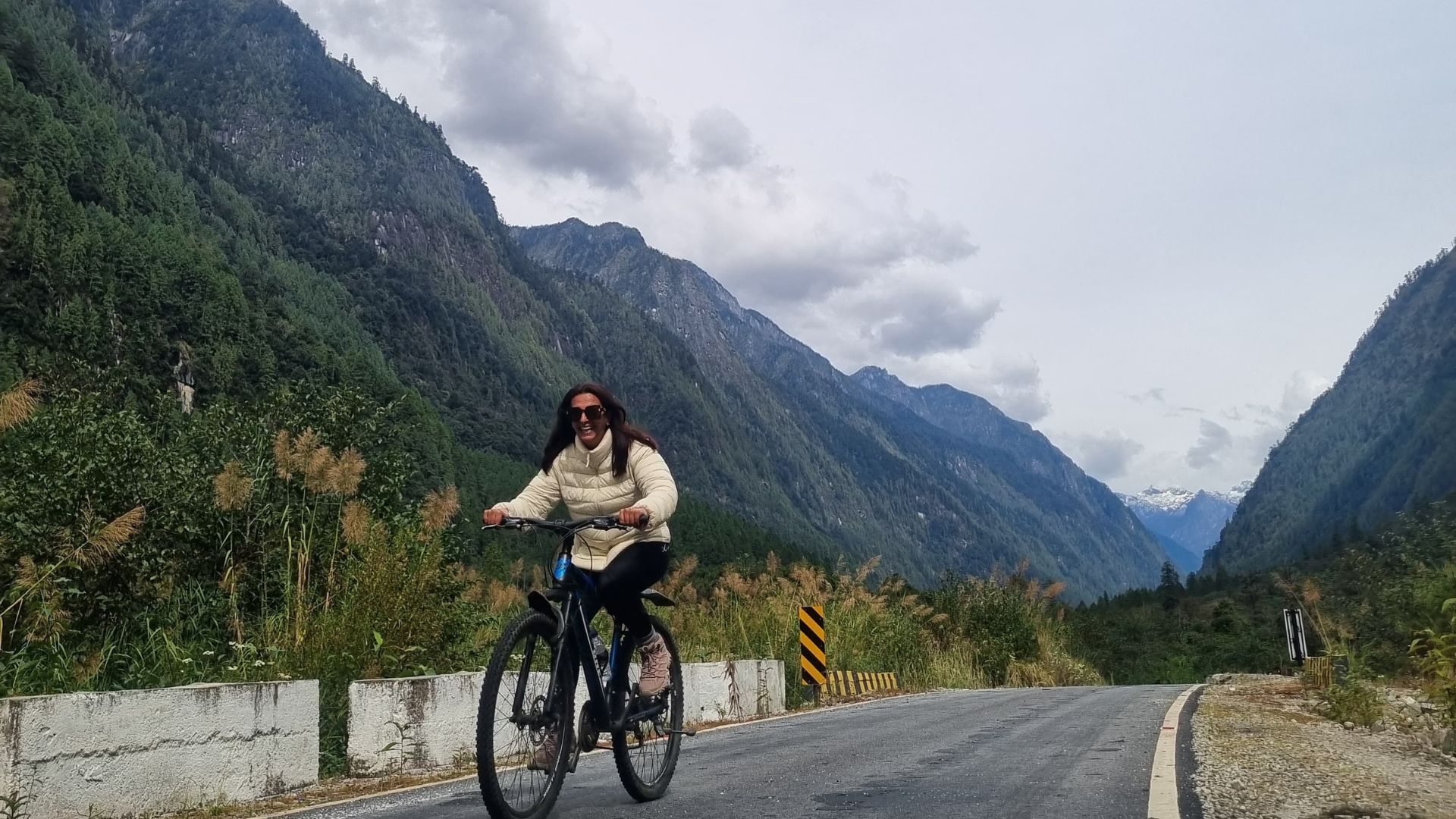
This chapter unfolds between Anini and Dri Valley, allowing time to experience the valley beyond its scenery alone. Along the way are riverside trails, forest walks, village visits, weaving traditions, and opportunities to learn about the customs and stories that continue to shape Idu Mishmi life. There are moments of adventure too, whether rafting the pristine waters of the Dri river during the autumn season or cycling through mountain landscapes here, but these experiences are part of a larger story rather than the focus of the journey itself.
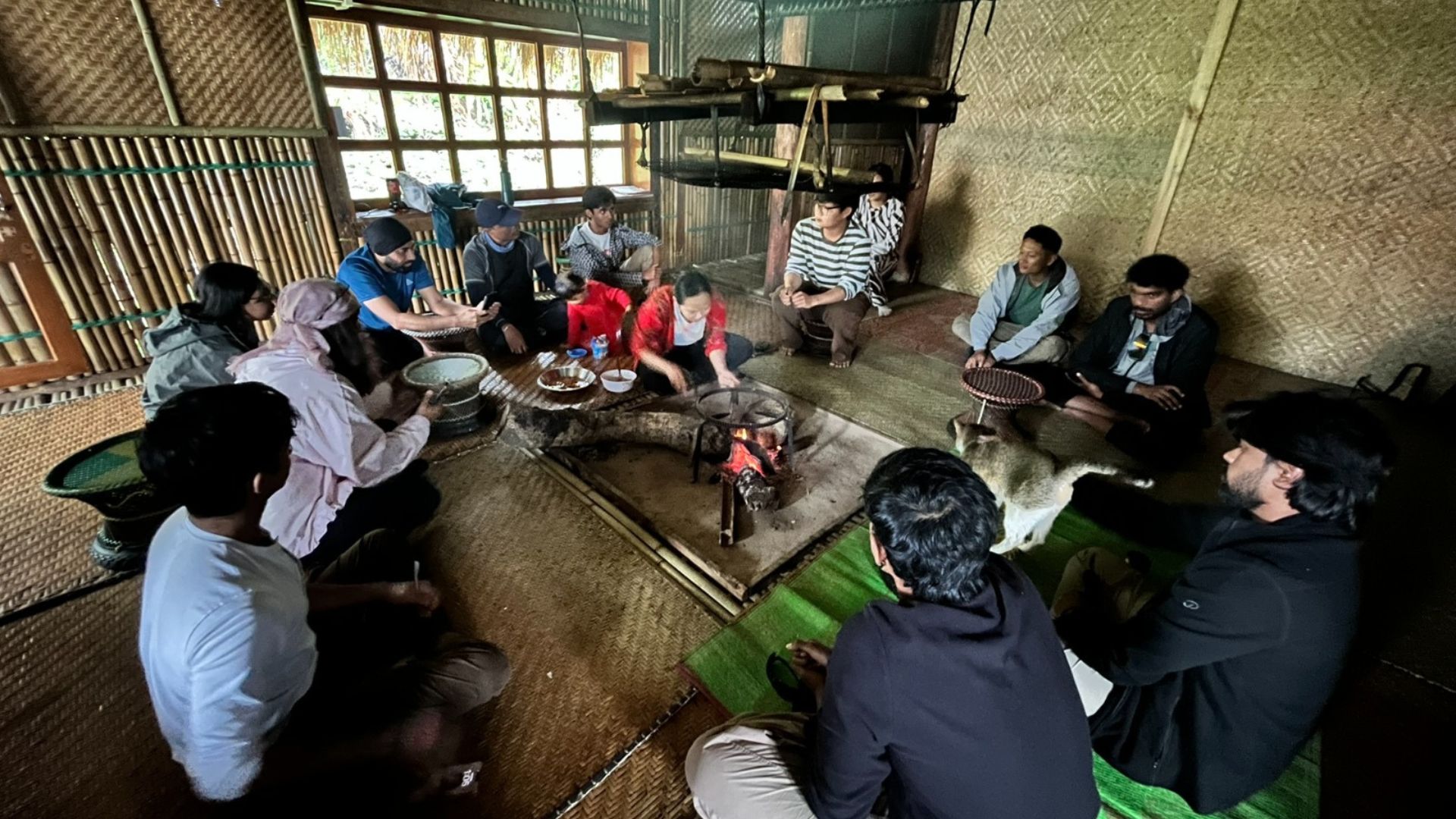
Hospitality remains an important part of that story. Some of the most memorable moments of the journey are often found around a table with your hosts, sharing local delicacies, cups of Yu-Chi, the community’s traditional brew, and conversations that stretch late into the evening. Meals offer an introduction to the rich flavours of Idu Mishmi cuisine, known for its use of local ingredients, wild herbs, smoked meats, and recipes shaped by the forests and mountains of the region.
This is not a journey designed to explain the Dibang Valley in full. No single visit can. Instead, it offers an introduction to a landscape shaped by rivers, forests, and mountains, and to a community whose stories, traditions, and hospitality continue to define life in one of the most remarkable corners of the Eastern Himalayas. Over eight days, the journey invites you to slow down, spend time in place, and experience the valley with the people who call it home.
The trip starts at Dibrugarh Airport on Day 1, where the group assembles for departure, and ends at Dibrugarh Airport on Day 8. Your ChaloHoppo trip leader shall meet you at the airport on Day 1.
On Day 1, participants are required to arrive at Dibrugarh Airport by 11:00 AM at the latest. The group will depart from the airport by 12:00 PM. Any arrivals after this time, due to flight timing or delays, will need to reach the destination at their own expense.
For departure, return flights can be booked anytime after 2 PM on Day 8. Participants are advised to plan their flights in line with the recommended arrival and departure timings shared for this trip.
Please note that Dibrugarh Airport is the only designated pick-up and drop-off point for this trip. The vehicle will not stop at any other location. All participants must ensure they reach the airport before the scheduled departure time, as the trip commences from there.
This is not a regular fixed departure, and we genuinely mean that. If your idea of travel is to tick off destinations and pack every day with activities, this may not be the right trip for you. Anini is meant to be experienced slowly. There will be time to pause, connect with nature, engage with the local community, and simply soak in the valley. We encourage you to bring a book, journal, sketchbook, camera, or anything that helps you enjoy unhurried moments.
Some of the best experiences on this journey may be unplanned, shaped by conversations with locals, the weather, or the mood of the group. We leave room for these moments because they are often the most memorable.
This is less about touring and more about travelling while on leave. If slow, immersive travel resonates with you, this journey is for you.
An age group of 18-55 years old is ideal for the experience. However, depending on your fitness, the limit could be stretched to 60 years as well. Participants below 18 years of age should be accompanied by a guardian above 20 years old.
Please note that Rafting, cycling and hiking are a part of the experience. One can choose to step out of these experiences and take time to yourself at the stay in Dri Valley too.
The Autumn experience has a hike, Grade 1 Rafting and Cycling experience. This requires you to be normally fit for the activities. More than physical fitness, it requires you to have a thrill in you.
The Winter experience has two hikes, one to the waterfall and one by the river that can be considered easy to moderate and a cycling experience.
Cycling will mostly be downhill, approximately 30-40 kms. One can opt out of it at any moment and carry on in the back up vehicle.
Please note that although the experience is not physically demanding. It does require you to have a basic level of active fitness back home.
Throughout the journey, we will be staying in clean, comfortable, and locally run properties that are among the best available in this remote region. The accommodation reflects the character of the destination and is chosen with a focus on hygiene, safety, and practicality rather than luxury.
In Roing and Anini, we stay at small-scale resorts and guesthouses offering basic but comfortable facilities. At Acheso, accommodation is provided in a mix of riverside cottages and tents, offering an immersive stay amidst nature in a remote mountain setting.
It is important to note that infrastructure in this part of Arunachal Pradesh is limited. Power outages, voltage fluctuations, common bathrooms (non-attached) and intermittent network connectivity are common and should be expected. Amenities typically associated with urban hotels, such as room service, laundry facilities, hair dryers, wifi and other luxury conveniences, will not be available.
The experience is best approached as an opportunity to disconnect from modern comforts and immerse yourself in one of the most remote and pristine landscapes in the Eastern Himalayas.
Rooms and tents are shared on a double-sharing basis. In case you are a solo traveller, you will be paired up with another solo traveller of the same gender. Please note that almost all of the properties will have double bedrooms.
Note: Room allocation is managed by the sales and reservations team based on gender and confirmed bookings.
Single occupancy requires an additional room and impacts overall group capacity. To maintain the experience quality and balance trip logistics, a limited number of single rooms are offered with a single-room supplement.
During the trip, you can expect simple, home-style meals that reflect the flavours of the region. Most meals are light, comforting, and well-suited.
Some days with an early start will have a light packed breakfast on the go.
Expect humble, simple rice-based meals throughout the trip. Meals throughout the journey typically include rice, dal, seasonal vegetables, meat preparations, and local accompaniments or whatever is available in the stays.
Vegetarian options are available in every place of stay. Please do note that the veg options at certain places could be limited.
Meal options may be limited on certain days due to remoteness. Please note that Pork is the staple preferred meat in the region. Chicken is also available, but limited.
You will find some eateries along the way from Dibrugarh to Roing, but as we make our way to Anini, food options become limited, and long drives may delay meal timings. We recommend carrying enough snacks for added comfort.
We need a minimum of 4 travellers to run the departure. If we’re below that number, we’ll let you know well in advance, keeping our vendor cancellation timelines in mind. Just to be safe, we recommend booking refundable or flexible flight tickets wherever possible.
You’ll have decent mobile connectivity in Anini and Acheso – Airtel is the only network that works. That said, networks can be unreliable and may shut down at times. Dibrugarh and Roing will have Airtel and Jio working.
Occasional network absence is expected in the region due to weather. Wi-Fi is not available in all the selected properties that you will be staying in.
October marks the beginning of autumn. The weather is generally pleasant, with a mix of sunny, gloomy and windy days. Roing remains relatively warmer, while mornings and nights in Anini and Acheso can already feel quite cold. Rain is still possible during October.
December brings proper winter conditions. Days in Anini and Acheso can alternate between clear winter sunshine and overcast weather, while early mornings, evenings and nights can be freezing cold. Occasional rain is possible.
February is one of the coldest periods of the journey. Anini remains very cold, while Acheso can experience snowfall, especially during colder spells. Early mornings and evenings can be particularly freezing, so proper winter layers are essential.
Weather in the mountains can still change quickly, and occasional rain, strong winds, or colder-than-expected conditions are possible. Come prepared for cold mornings and nights, layered clothing, and changing mountain weather throughout the journey.
With ongoing climate shifts, weather patterns have become increasingly erratic, making precise predictions difficult, even for locals. Guests are advised to be prepared for changing conditions throughout the journey.
During October especially, heavy rain, mist, landslides or road blockages can impact the journey between Roing and Anini. Delays due to road clearance or temporary highway closures cannot be completely ruled out.
The region usually sees occasional showers, but can also see continuous spells of rain. There could be a possibility of delay in reaching destinations owing to weather, road construction or any external factor that is beyond control. In worst-case scenarios, due to heavy rain and bad weather, the highway to Anini can also be shut.
Owing to the high terrain, this experience will be challenging for those who encounter motion sickness. The drives on the given days will be long through curvy mountain roads.
The rafting in Dree is beginner-friendly with Grade 1 rapids. You shall be rafting under the guidance of experienced professionals. Please note that rafting can be impacted by weather. It is only active till the month of October.
Electricity is available at select towns and stays, but power supply and voltage are erratic in Anini. Power supply can’t be trusted in Anini and Acheso as well. We recommend carrying power banks.
It is important to note that booking flights before reserving a slot with us does not guarantee availability. In the event that we are sold out, we cannot be held responsible for any inconvenience caused.
Most of your major expenses during the trip are already covered. An additional ₹800-₹1,000 per day should generally be sufficient for personal expenses, snacks, café visits, or small purchases.
Most places in the region now accept UPI payments, making transactions easy and convenient. However, we recommend carrying a small amount of cash as well, especially in areas where digital payments may not always work reliably.
You can also refer to the Exclusions section for a clearer idea of potential additional expenses.
We recommend a large-sized backpack or duffel (60L+) that’s easy to carry, along with a small daypack for day trips and daily essentials. To ensure a smooth and enjoyable trip for everyone, we kindly request that guests do not bring suitcases.
Pack heavy warm clothing, woollen socks, beanies, gloves and comfortable walking shoes with good grip, personal medications, and basic toiletries.
Once you sign up, we’ll share a detailed seasonal “Things to Carry” list to help you prepare – but don’t forget your rainwear.
Yes. All the activities and explorations will be led by knowledgeable local guides. You will also be accompanied by a ChaloHoppo Trip Leader throughout the journey to ensure a smooth and well-coordinated experience.
Rafting and cycling experiences are done under the guidance of trained, certified and professional guides.
Northeast India experiences shorter daylight hours as we move from autumn into winter. From November through February, sunrise can be as early as around 5:30 AM, while sunset can be around 4:30 PM, depending on the state, location and month. This gives us roughly 10 hours of daylight.
Because daylight is limited, we may start early on certain days to make the most of the available time, particularly when longer hikes, outdoor activities or transit are planned.
Morning fog, mist and cloud cover can also reduce visibility, especially around hills, forests and valleys. This may occasionally influence when we begin an activity or start moving for the day.
Winter travel in the Northeast is therefore best approached with some flexibility. Our schedules are planned around daylight, weather and local conditions, rather than following a rigid timetable.
Absolutely. We recommend carrying a few light, ready-to-eat snacks such as energy bars, dry fruits, chocolates, or trail mix. These can be especially useful during long drives, hikes, or whenever meal timings get delayed.
The ILP must be applied for individually through the official government portal. Since the application requires OTP verification linked to the traveller’s personal mobile number, it cannot be processed by us on the traveller’s behalf. Our team can, however, guide you through the application process if required.
Yes, an Inner Line Permit (ILP) is required for Indian nationals, while foreign nationals need a Protected Area Permit (PAP) to enter Arunachal Pradesh.
For ILP – Travellers can apply directly at: https://eilp.arunachal.gov.in/
For PAP – We will need to process the permit on your behalf at an additional cost. For this, you will be required to share specific identity documents, visa details and confirmed travel booking information. As per the permit process, the application needs to be submitted at least 30 days before the trip, so our team will reach out well in advance to collect the required documents and details. We request your cooperation in sharing everything within the given timeline so the permit application can be processed smoothly.
Yes, foreign nationals can join this journey, subject to the required Protected Area Permit (PAP) and prevailing government regulations. The circuit is open to foreign travellers with the appropriate permit.
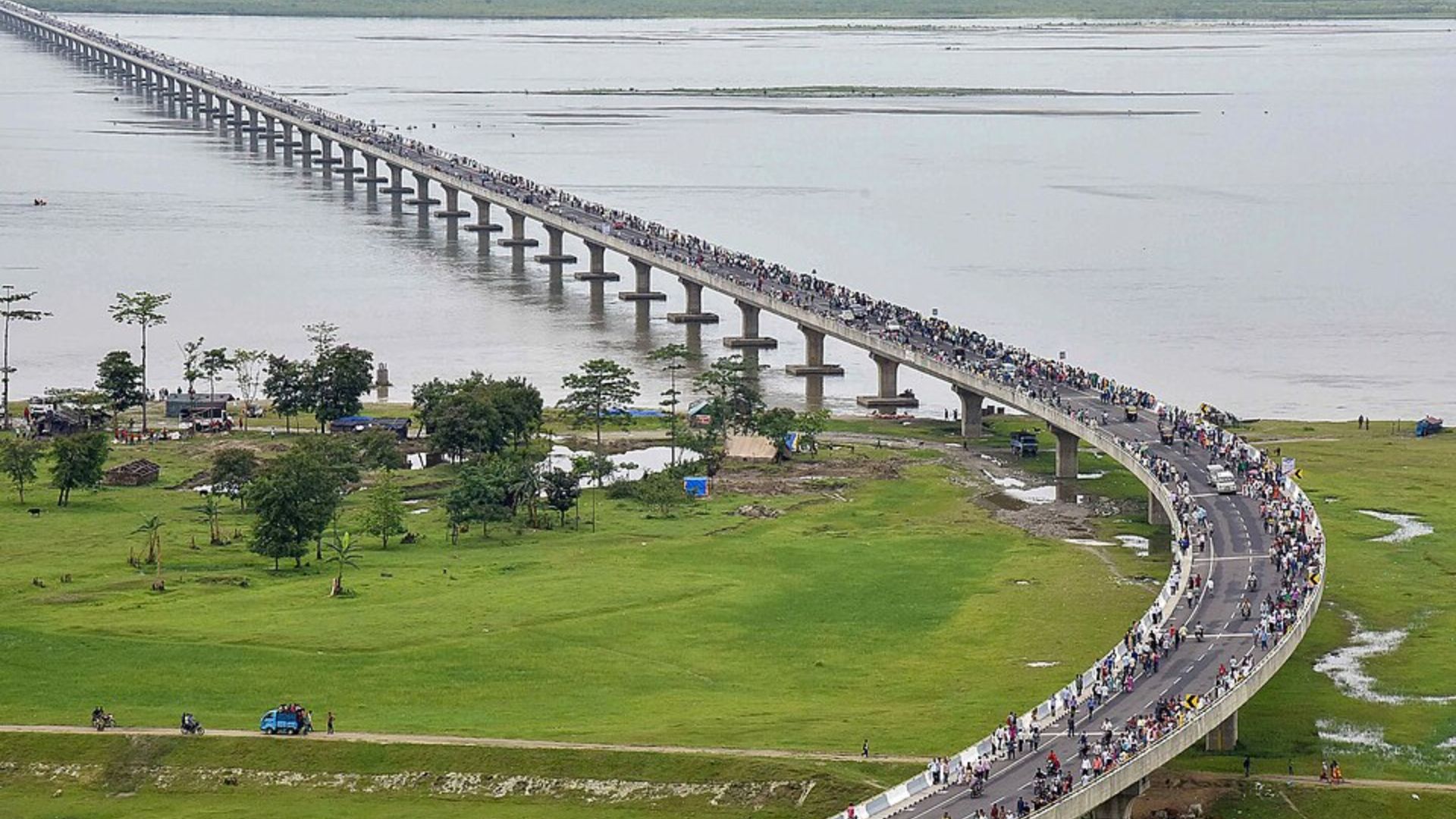
As this journey traverses the high-altitude landscapes of the Eastern Himalayas, driving speeds are naturally slower due to winding mountain roads, steep gradients, sharp bends, and changing terrain. As a result, certain travel days can be long despite relatively shorter distances on the map.
Road conditions are great in the region except for certain stretches between Anini and Roing that could face landslide issues.
That said, the drives themselves form an integral part of the experience. The journey unfolds through mountain roads, dramatic valleys, riversides, alpine landscapes, monasteries, and expansive Himalayan vistas that make even long travel days visually rewarding.
We recommend beginning drives early each morning and maintaining punctuality throughout the journey to allow comfortable buffer time for road, weather, or terrain-related delays.