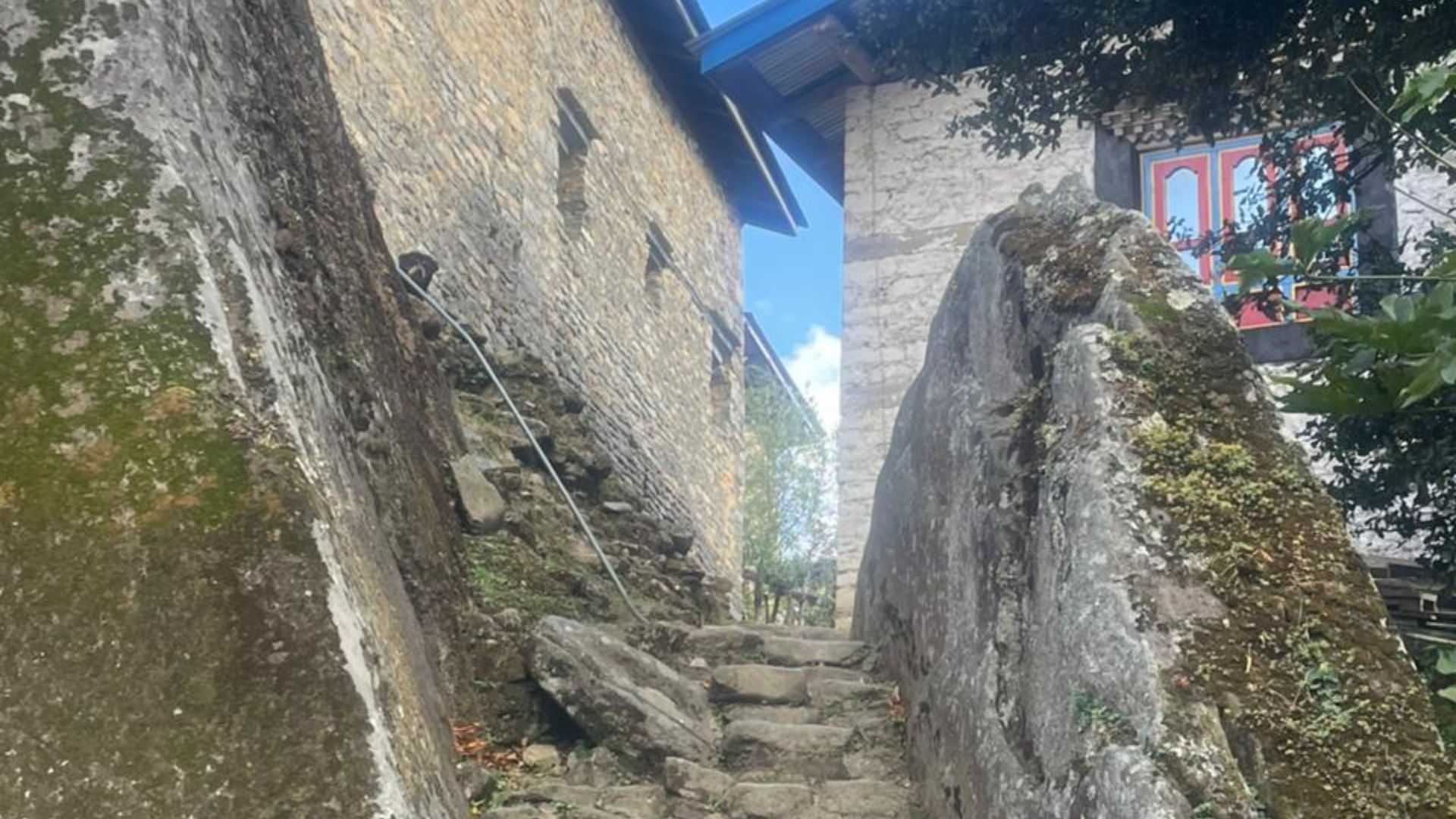
Step into one of the oldest Tibetan-origin settlements in the Indian subcontinent with this immersive experience in Lumpo village, a quiet cultural gem tucked near Zemithang in Arunachal Pradesh. Far from the rush of the world, Lumpo welcomes you with warmth, stories, and a deep sense of continuity that has survived through centuries.
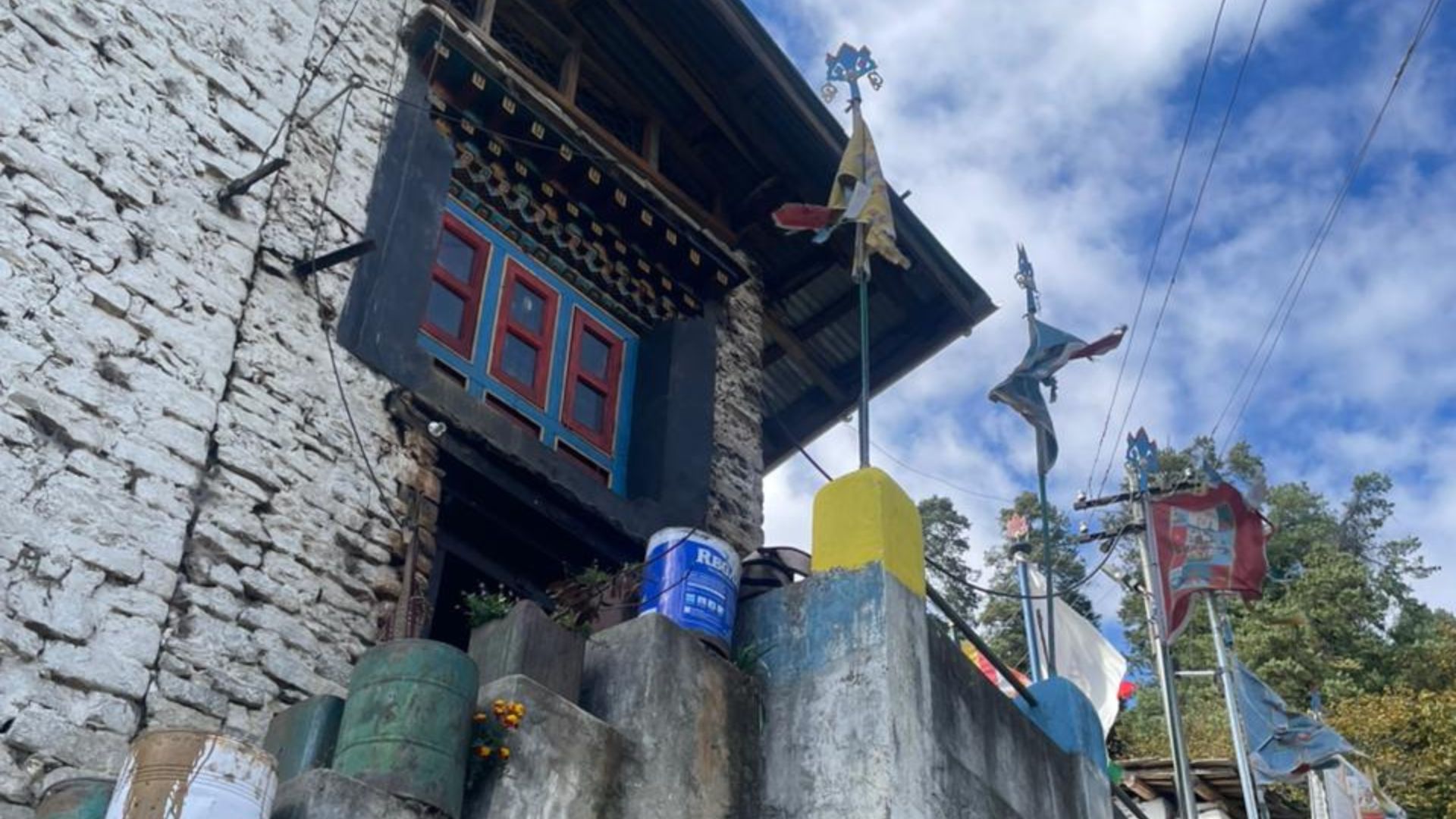
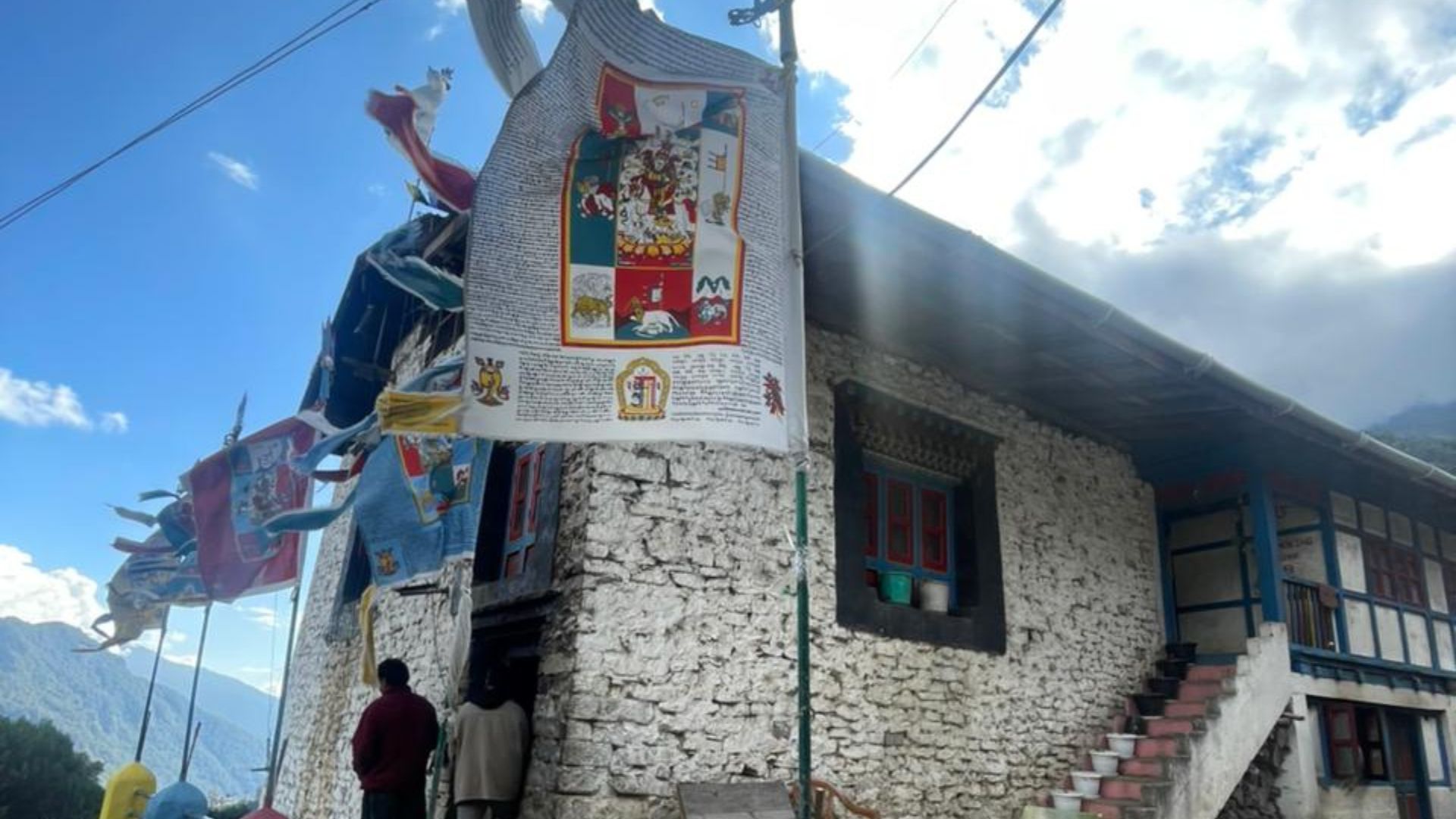
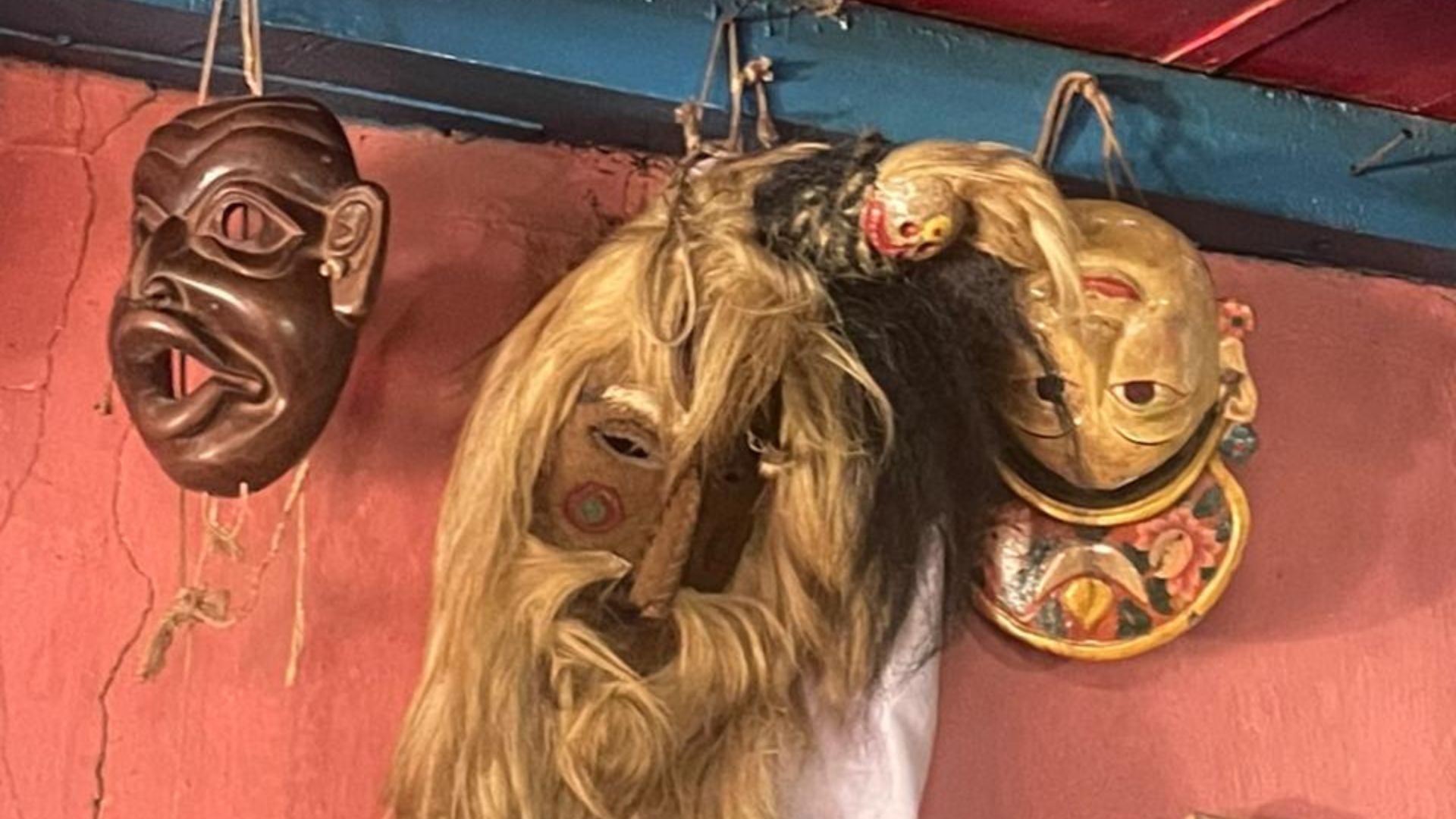
This short escape invites you into a village where every home, pathway, and prayer room holds layers of heritage. Begin your visit with a slow walk through the settlement, where traditional wooden houses, fluttering prayer flags, and the gentle rhythm of daily village life set the tone for your journey. The highlight is a visit to the village chief’s ancestral house, a space that feels less like a home and more like a living museum. Here you will find intricate woodwork, heirlooms, ceremonial masks, ancient manuscripts, and objects that tell the story of Lumpo’s lineage and Tibetan roots.
Depending on the time of year, you may also witness the Ajilamu masked dance. Performed during special occasions, this dramatic and colourful ritual showcases the community’s artistic heritage and spiritual storytelling traditions.
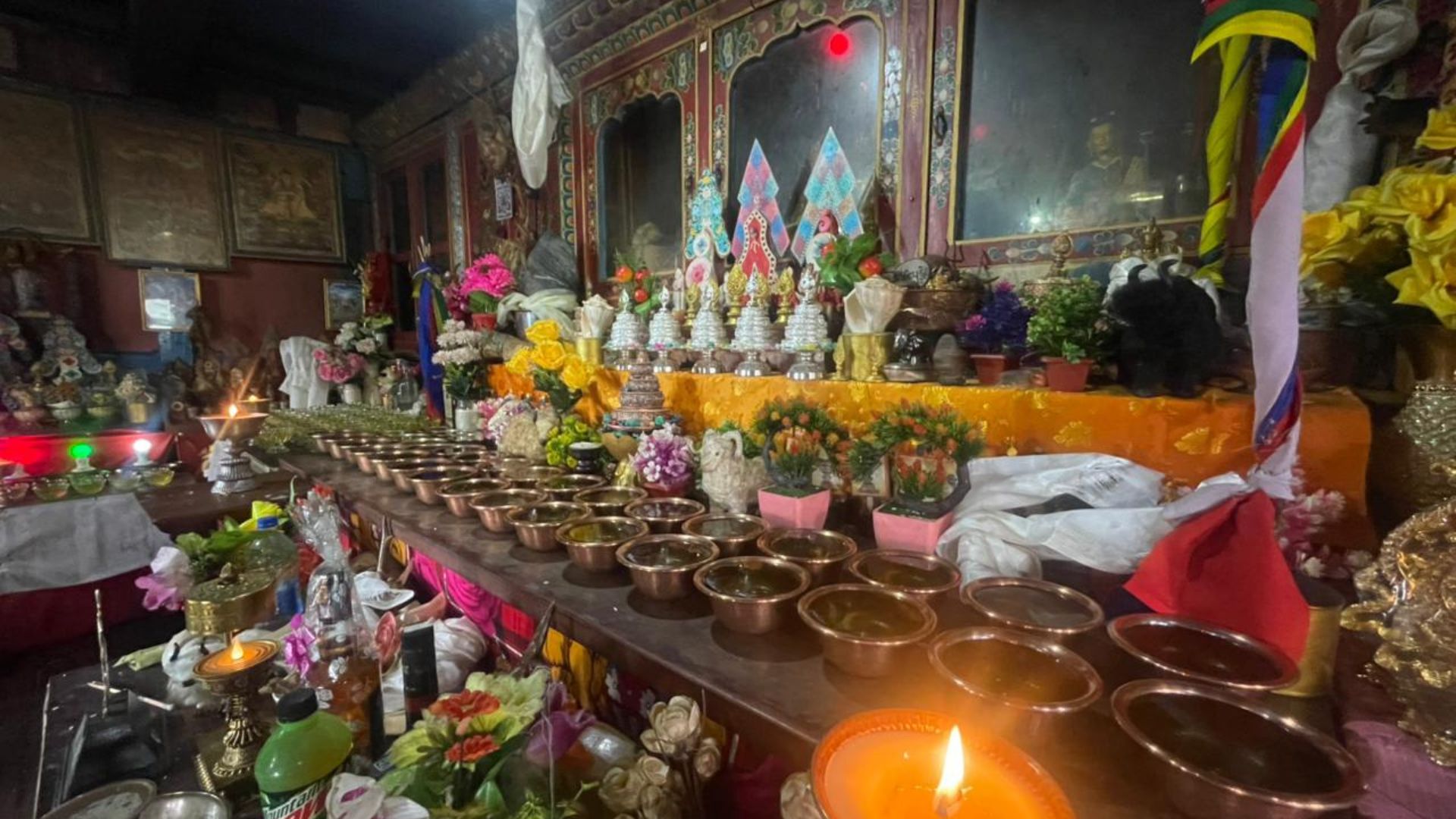
Continue the experience with a visit to the village’s prayer rooms, where walls are lined with hand-painted murals, weathered scriptures, and traditional artifacts arranged with great care. These spaces are still used every day, making them both sacred and lived-in.
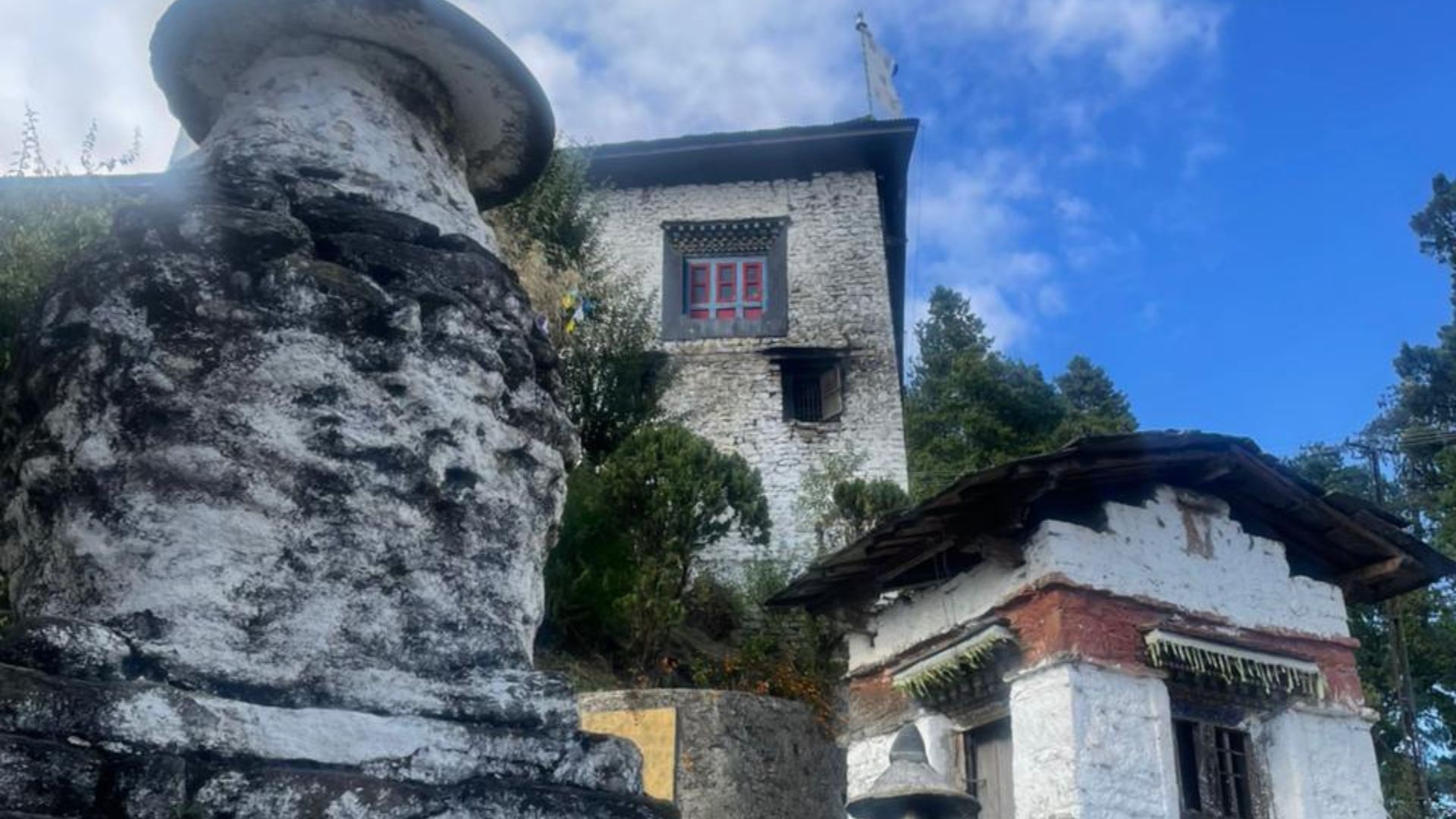
The day concludes at Lumpo’s ancient Gonpa. This centuries-old monastery houses golden statues with delicate detailing, old manuscripts, and quiet corners perfect for reflection. It offers a rare opportunity to observe how Tibetan Buddhist traditions have been preserved in a village that still lives by them.
This escape is a beautiful blend of history, culture, and human connection, making it ideal for travellers who wish to experience Arunachal through the eyes of its people.

3:00 PM – 3:30 PM: Arrive at Lumpo village. Meet your local guide and get introduced to the history and cultural importance of the region.
3:30 PM – 4:00 PM: Walk through the village. Learn about the architecture, everyday life, and the Tibetan lineage of the community.
4:00 PM – 4:30 PM: Visit the village chief’s house. Explore the traditional rooms, ceremonial objects, and collections that reflect generations of heritage.
4:30 PM – 5:00 PM: Explore the prayer rooms and interact with villagers. Depending on the season or festival calendar, you may witness the Ajilamu masked dance.
5:00 PM – 5:30 PM: Visit the ancient Gompa. Spend time with golden statues, old scriptures, and monks who care for the monastery.
Lumpo village is a short and scenic drive from Zemithang. The journey is easy and does not require long travel hours, making it ideal as a half day cultural escape.
No. This is a gentle experience involving a slow walk through the village and short visits to homes, prayer rooms, and the monastery. It is suitable for most travellers who are comfortable walking at a relaxed pace.
Yes. Interaction with villagers is an important part of this experience. You will meet families, cultural custodians, and elders who share stories about their heritage and daily life.
The Ajilamu dance is performed during specific festivals and important occasions. If your visit coincides with these dates, you may witness it. On other days, your guide will explain its meaning, costumes, and cultural significance.
Photography is generally allowed in the village and outdoor areas. However, permission should always be sought before photographing people, interiors, prayer rooms, or religious artifacts. Your guide will advise you on what is appropriate.
Modest and comfortable clothing is recommended. Warm layers are useful in the evenings, and carrying a scarf is advised when entering prayer rooms or the monastery.
Yes, provided they are comfortable with walking short distances and spending time in cultural settings. The experience is calm, unhurried, and not physically strenuous.
Lumpo is not just a village you observe. It is a living heritage space where Tibetan traditions are still practiced daily. From the chief’s ancestral home to the ancient Gompa, every visit feels personal and deeply rooted in history.