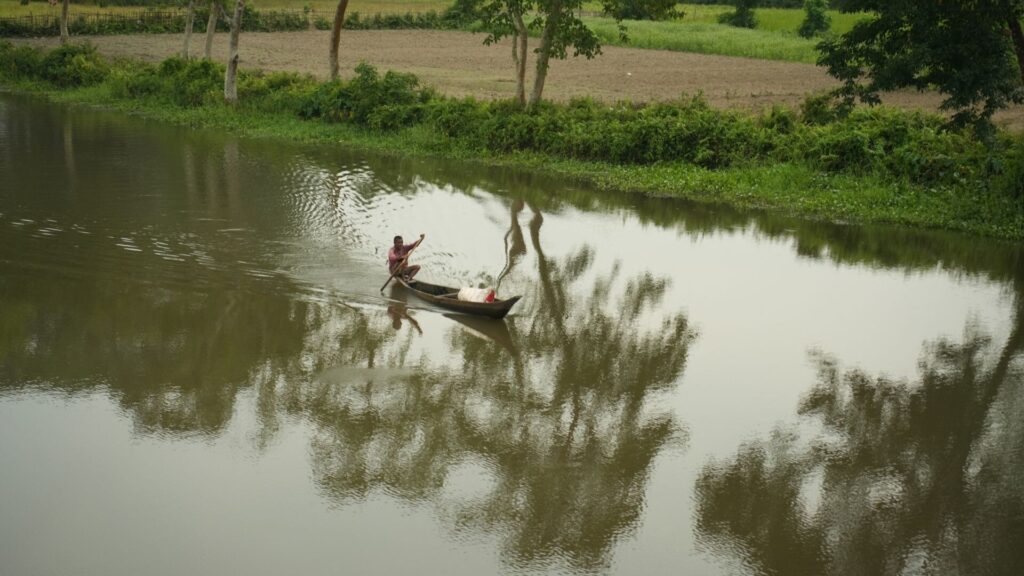
Welcome to Assam’s river heartland, where life rises and falls with the moods of the water. Here, among the whispers of reeds and the rhythm of oars, lives the Mising tribe — a people whose story flows like the river itself, shifting, adapting, enduring.
In this journey for the curious traveller and cultural wanderer, we’ll explore the Mising world — their origins, livelihoods, rituals, and gendered traditions — not as something frozen in time, but as a living anthropology of resilience and transformation.
The Misings, once known as the “Miri,” trace their ancestry to the hills of Arunachal Pradesh. Part of the Tani group of the greater Tibeto-Burmese family, they migrated centuries ago down to the floodplains of Assam — to lands rich in silt and stories. Their name, “Mising,” translates to man of the earth, and indeed, their world is deeply intertwined with the soil and the shifting currents of the Brahmaputra.
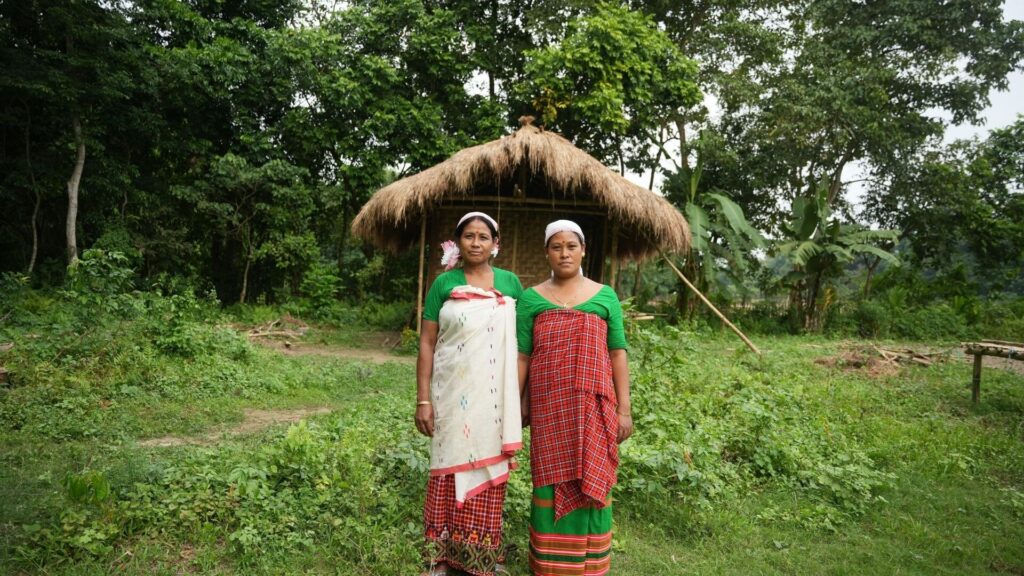
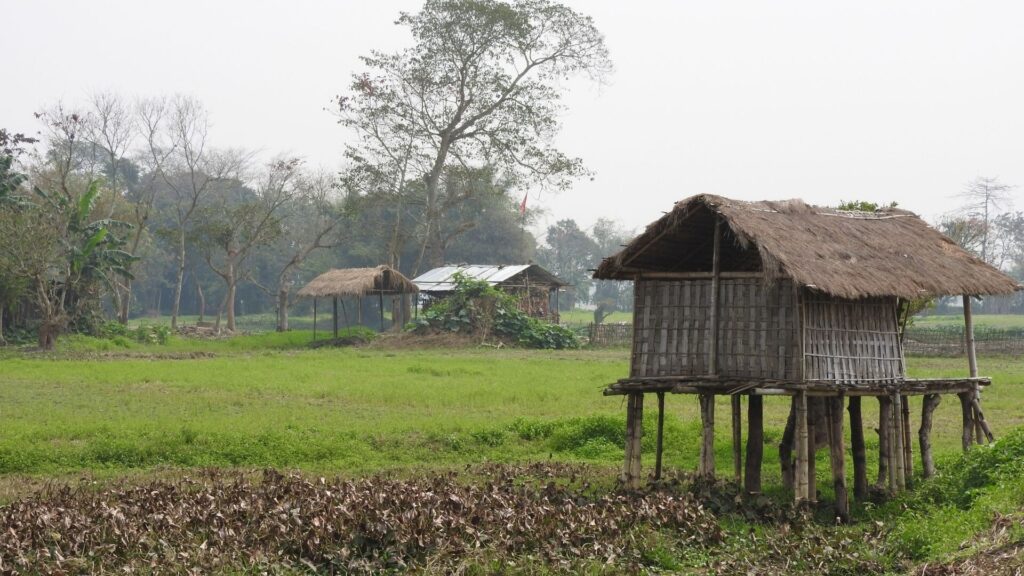
Unlike many tribes that retreated from modernity, the Mising embraced the river’s uncertainty. Their iconic chang-ghars — stilted bamboo homes — rise gracefully above floodwaters, built with an instinctive engineering that speaks volumes about adaptation. Each stilts’ height is measured not just in feet, but in faith: faith that even as the river swells, the home will stand.
Mising society is structured around kinship and community. Every village is more than a cluster of homes — it’s a web of relationships maintained through cooperation and ritual. The Dolung Kebang, or village council, remains central to local governance, resolving disputes and preserving customary law. Social life flows easily between work and worship, song and solidarity.
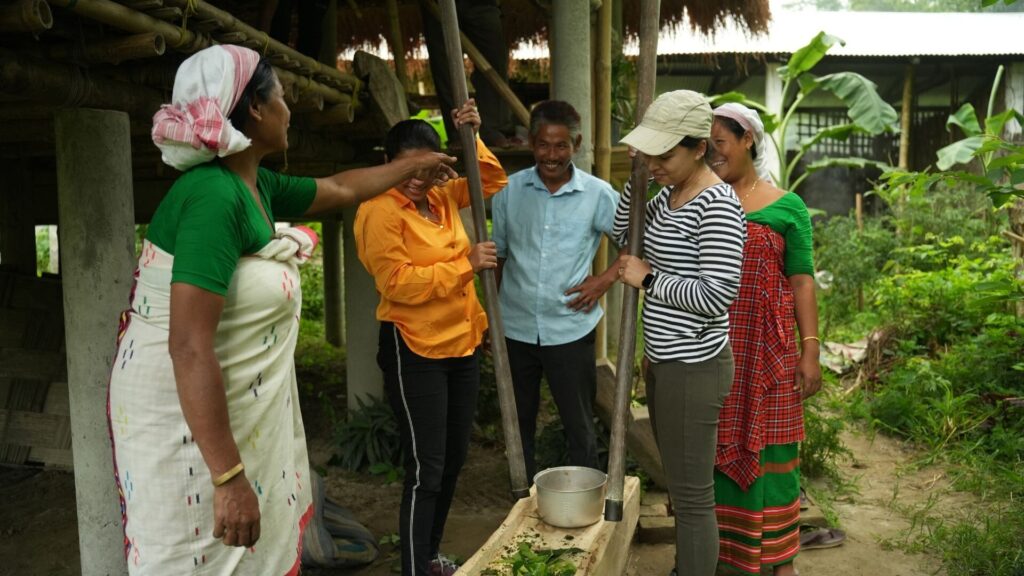
Family structures have evolved. Traditionally, joint families worked the land together, but today nuclear households are becoming more common, especially as younger members pursue education or migrate to towns. Yet, even when distant, family ties remain strong — festivals and rituals draw everyone home.
The Mising worldview blends animism and adaptation. They honour the Sun (Do:nyi) and Moon (Polo) as parental deities, and their priests, or Mibu, serve as healers and mediators between human and spirit realms. Over time, elements of Hindu Vaishnavism have mingled into their traditions, a subtle example of Assam’s syncretic spirit.
For the Misings, faith is not confined to ritual; it is lived in rhythm — in the sowing of seeds, the sharing of rice beer, the turning of soil beneath bare feet. Their belief does not ask for temples or doctrine; it unfolds in gestures of care, in song and community, where the sacred is woven into the everyday. In celebrating life’s cycles, they transcend existential doubt — for to dance with the river, knowing it may rise again tomorrow, is itself an act of quiet defiance and profound faith.
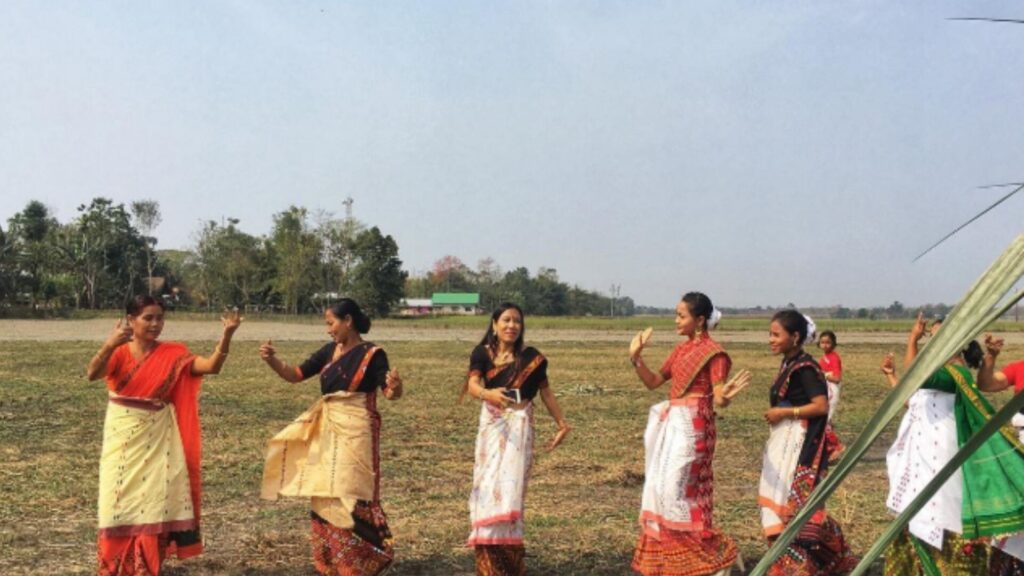
Nothing expresses the Mising ethos better than their festivals. The Ali-Ai-Ligang, their spring sowing celebration, bursts forth with song, dance, and the rhythmic beating of drums. “Ali” means seeds, “Ai” signifies fruit, and “Ligang” marks planting — together symbolizing the joyous start of the agricultural cycle. Young men and women perform the Gumrag dance, circling fields in graceful synchrony, while elders brew apong, a rice-beer that warms both body and spirit.
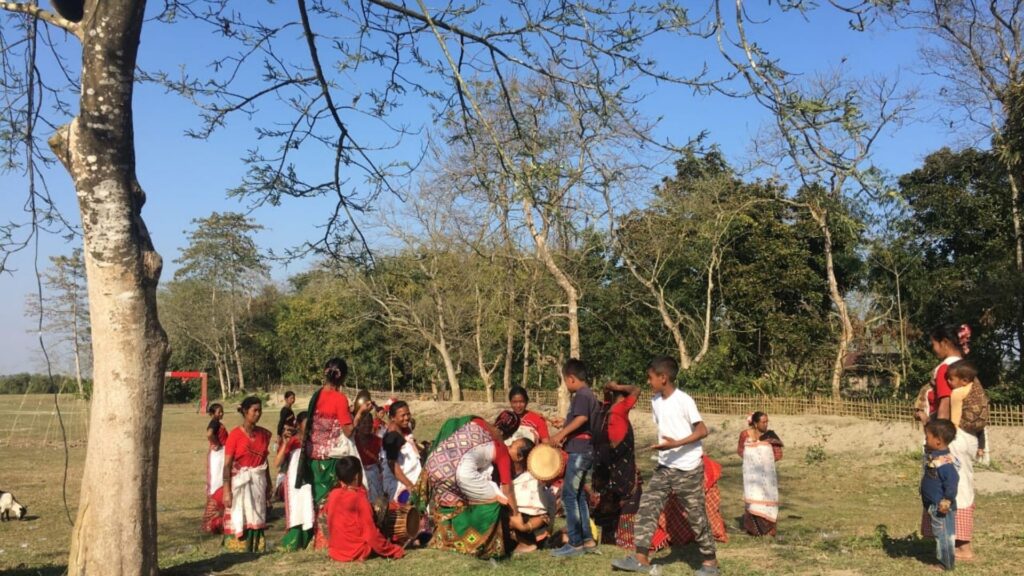
Months later comes Po:rag, the harvest festival — a thanksgiving for abundance. Feasting, dance, and communal gatherings reaffirm what anthropologists call collective identity through performance.
If you want to understand the Mising tribe, look to their women. In many ways, they hold the fabric — quite literally — of the community. Weaving, taught from adolescence, is both craft and economic lifeline. On backstrap looms, Mising women weave vivid textiles, rugs, and garments, each pattern a coded expression of identity. These weaves travel far beyond the village, bringing in income that sustains families and pays for education.
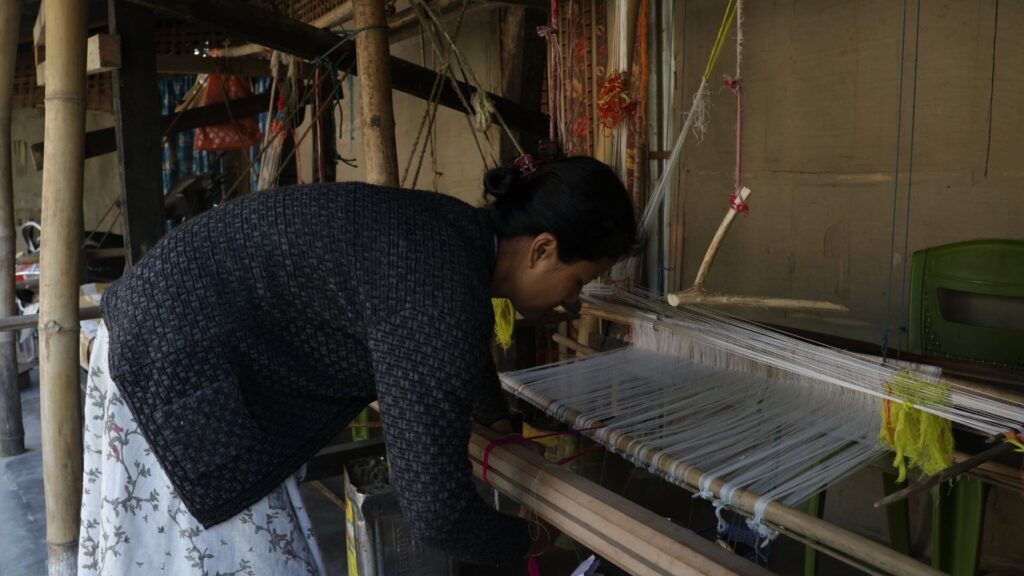
Men, traditionally, handle ploughing, fishing, and construction of chang-ghars. But gender lines blur more often than they break — women work in fields, men join dances. While patriarchy shapes decision-making, women’s labour sustains the social and spiritual economy. As one elder woman in a Dhemaji village put it, “Our threads feed our children, our songs feed our hearts.”
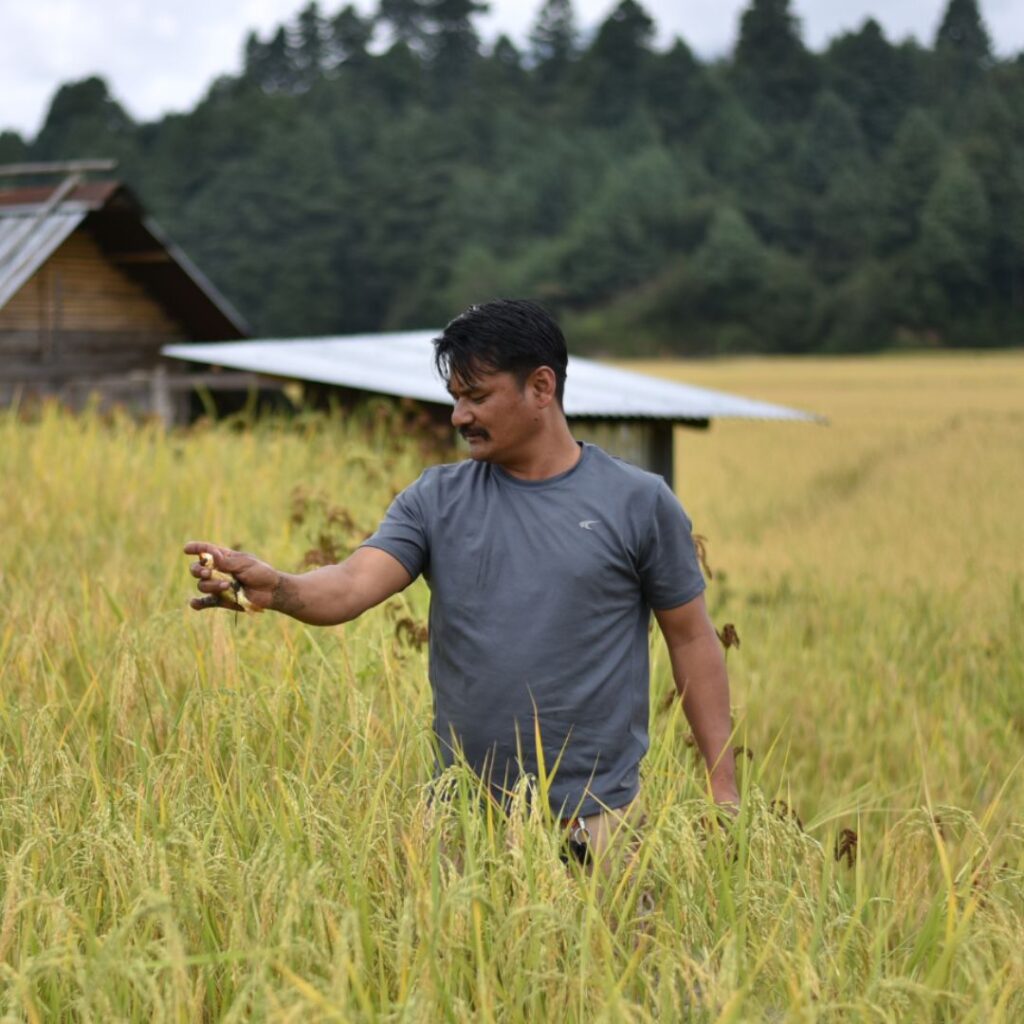
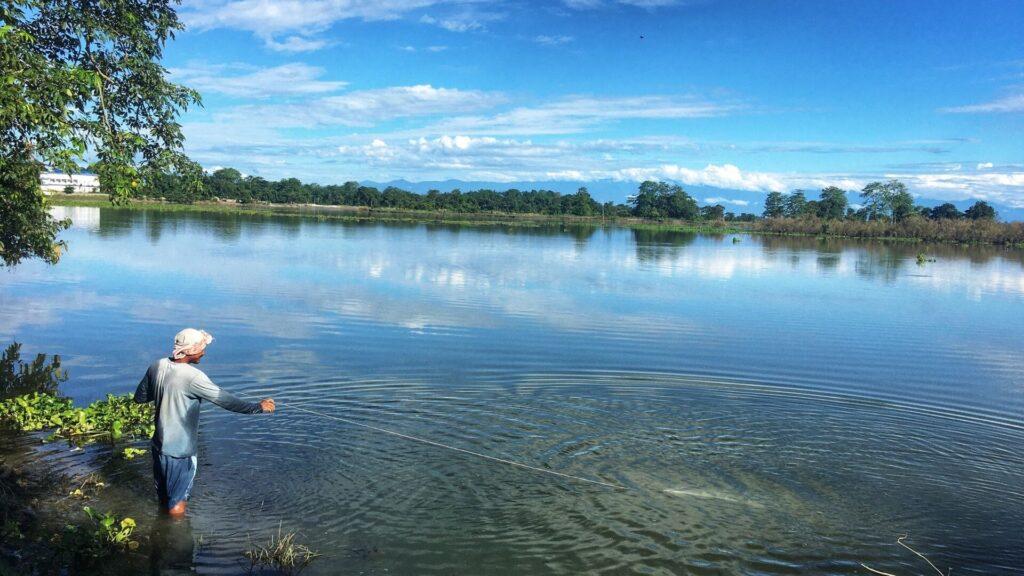
Agriculture remains the lifeblood of Mising society. Paddy cultivation, seasonal vegetables, and small livestock define daily rhythm. Fishing and collection of forest produce supplement food and income. Yet, this relationship with the land is precarious. The Brahmaputra’s floods and erosion frequently devour fertile fields, forcing communities to rebuild homes and replant dreams.
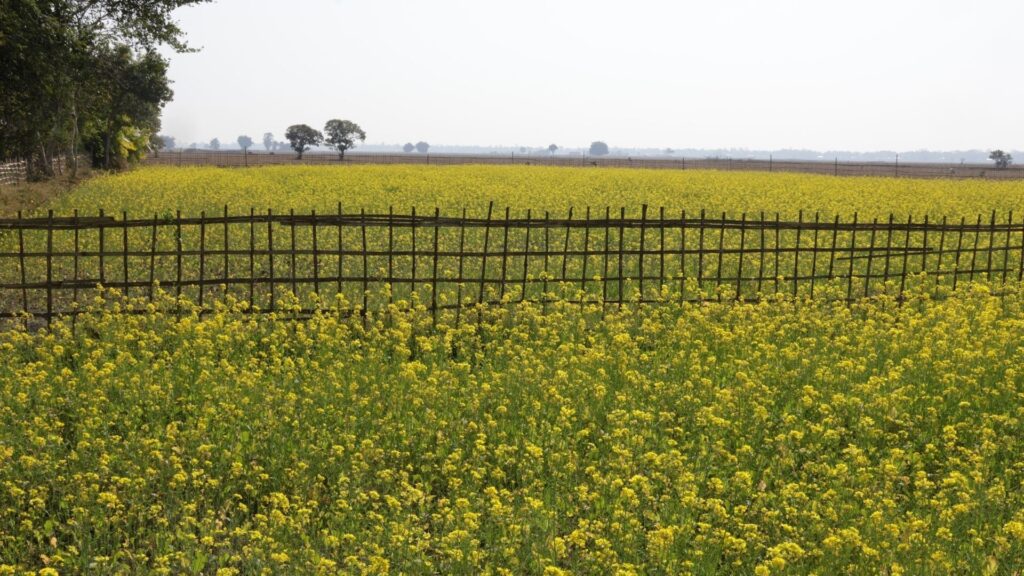
In 2025, news reports from Dibrugarh and Majuli described entire tracts of Mising farmland swallowed by the river within weeks. “The soil that fed us is now under water,” said one farmer. This isn’t just an environmental story; it’s socio-economic dislocation in real time — what anthropologists might term ecological marginality.
In response, some families have diversified. Young men migrate to towns for wage labour, while women expand weaving cooperatives. Livelihood now flows between the physical and the digital — handlooms meet Instagram shops, an unlikely but hopeful union of tradition and technology.
The Mising language, part of the Tani branch of Tibeto-Burmese, is still widely spoken but increasingly threatened by Assamese and English dominance. Institutions like the Mising Agom Kébang (Mising Language Society) are fighting to preserve it through literature and education.
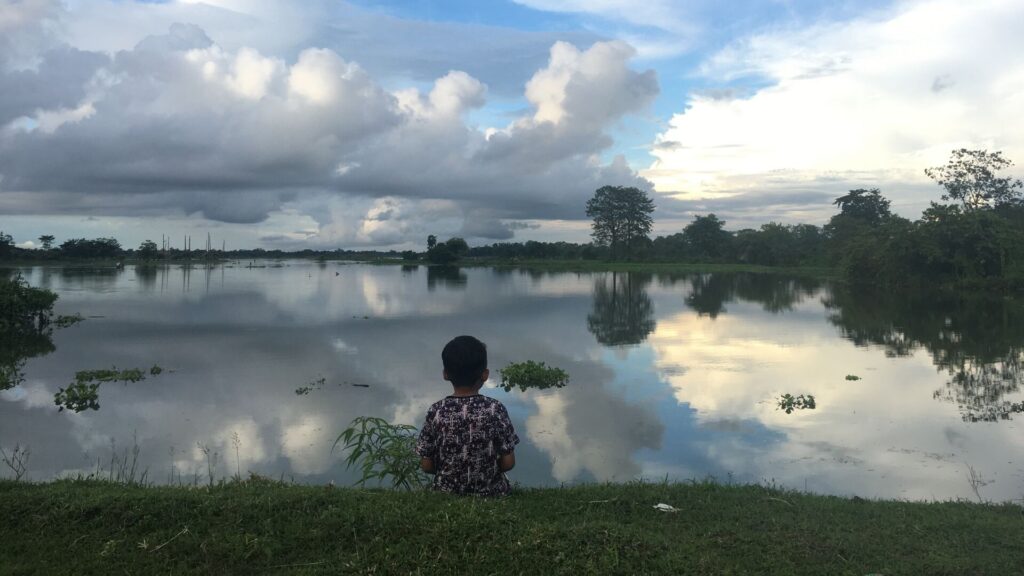
For young Misings, identity is increasingly hybrid. They study in city colleges, listen to Assamese pop, but return home for Ali-Ai-Ligang with pride. Their songs mix ancestral words with new rhythms — proof that tradition is not about resistance to change, but about absorbing it creatively.
From an anthropological lens, the Mising tribe offers a fascinating case of cultural ecology — how human life adapts to environmental volatility. Their stilt-house architecture, seasonal rituals, kinship networks, and fluid gender roles all form part of a sophisticated system of resilience.
Economically, they represent what scholars call a subsistence-plus economy — balancing self-sufficiency with market participation. Socially, they maintain cohesion through collective work and ritual reciprocity. Spiritually, they see nature not as resource but as relative. The Sun and Moon are kin; the river, though cruel at times, is a mother that both gives and takes.
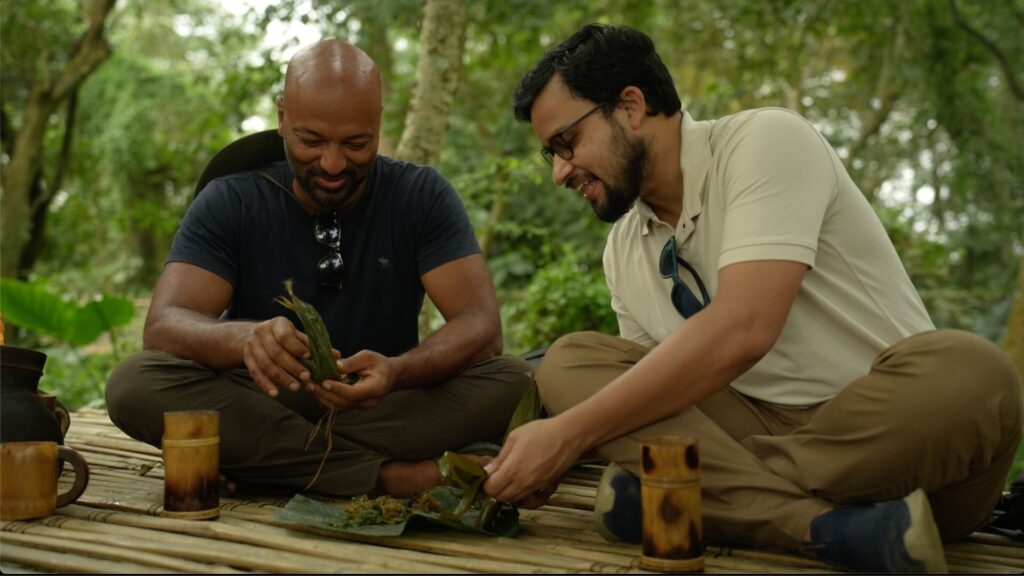
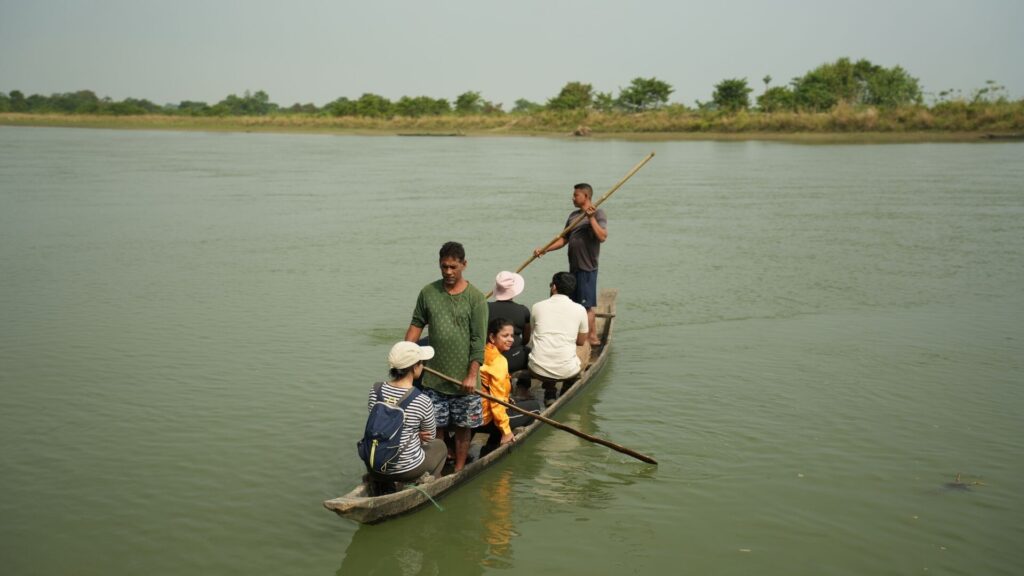
To truly experience Mising culture, travel beyond the tourist brochures of Majuli’s monasteries. Take a local ferry to a Mising village in Dhemaji or Lakhimpur. Stay in a stilted homestay, eat smoked fish and sticky rice wrapped in banana leaves, and share apong with your hosts under the stars.
Travel Tips:
Majuli and the upper Assam plains are fragile ecosystems, so mindful travel helps preserve both land and culture.
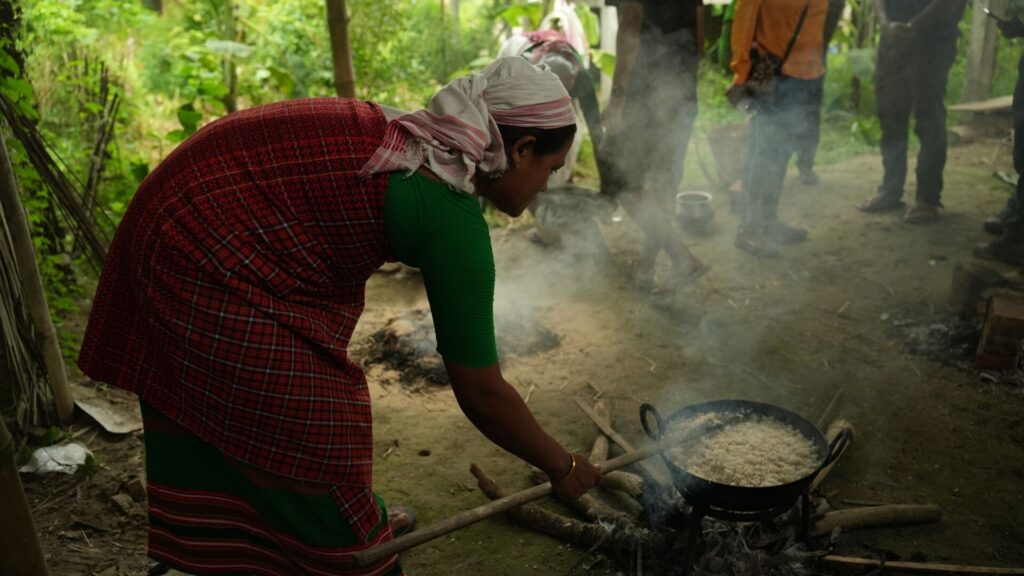
Standing on a bamboo bridge at sunset, you’ll feel it — the hum of insects, the laughter from a nearby chang-ghar, the distant song of an Oi Nitom love ballad drifting through the fields. This is not a vanishing world. It’s a living continuum — one where every flood reshapes both geography and identity.
The Mising teach us something profound: that culture, like the Brahmaputra, survives not by resisting the current, but by flowing with it. Their story is one of equilibrium — between men and women, land and water, past and future.
So, when you next travel to Assam, don’t just look for the monastery bells or the migratory birds. Listen instead for the quieter music — the weave of hands on looms, the songs sung to seedlings, the laughter that rises above the waterline. There, in that rhythm, beats the heart of the Mising people — steady, strong, and utterly human.
The Mising (also spelled Mishing) are an indigenous Tibeto-Burmese ethnic group primarily living in Assam (including Majuli) and parts of Arunachal Pradesh. Their name roughly means “man of the earth,” and their life, culture and worldview are deeply tied to the Brahmaputra River and its floodplain ecology.
The Misings blend animistic beliefs with reverence for natural forces. They traditionally worship the Sun (Do:nyi) and Moon (Polo), and rituals tie directly to planting and harvest cycles. Ritual dances, songs, and offerings mark key points of life and livelihood.
Yes. The Misings share linguistic and cultural roots with other Tani groups found in Arunachal Pradesh. Their migration history links them to a wider network of river- and forest-based cultures across the eastern Himalayas.
Traditional dishes include purang apin (glutinous rice cooked in leaves) and other staples served with local fish and meat. Rice beer (apong) is central to many communal gatherings and festivals.
The river shapes every aspect of their existence — physically (homes on stilts and chang-ghars built for floods), economically (fertile alluvial soil for agriculture), culturally (rituals and festivals), and spiritually (stories, songs, and respect for water spirits). They see the river not just as a force of nature but as a mother that nurtures and challenges in equal measure.