Most journeys through Arunachal Pradesh begin in the west. They pass through monasteries perched on mountain ridges, winding roads lined with prayer flags, bustling Himalayan towns, and high mountain passes where yaks graze against snow-covered peaks. It is the Arunachal most travellers know.
Then there is another Arunachal.
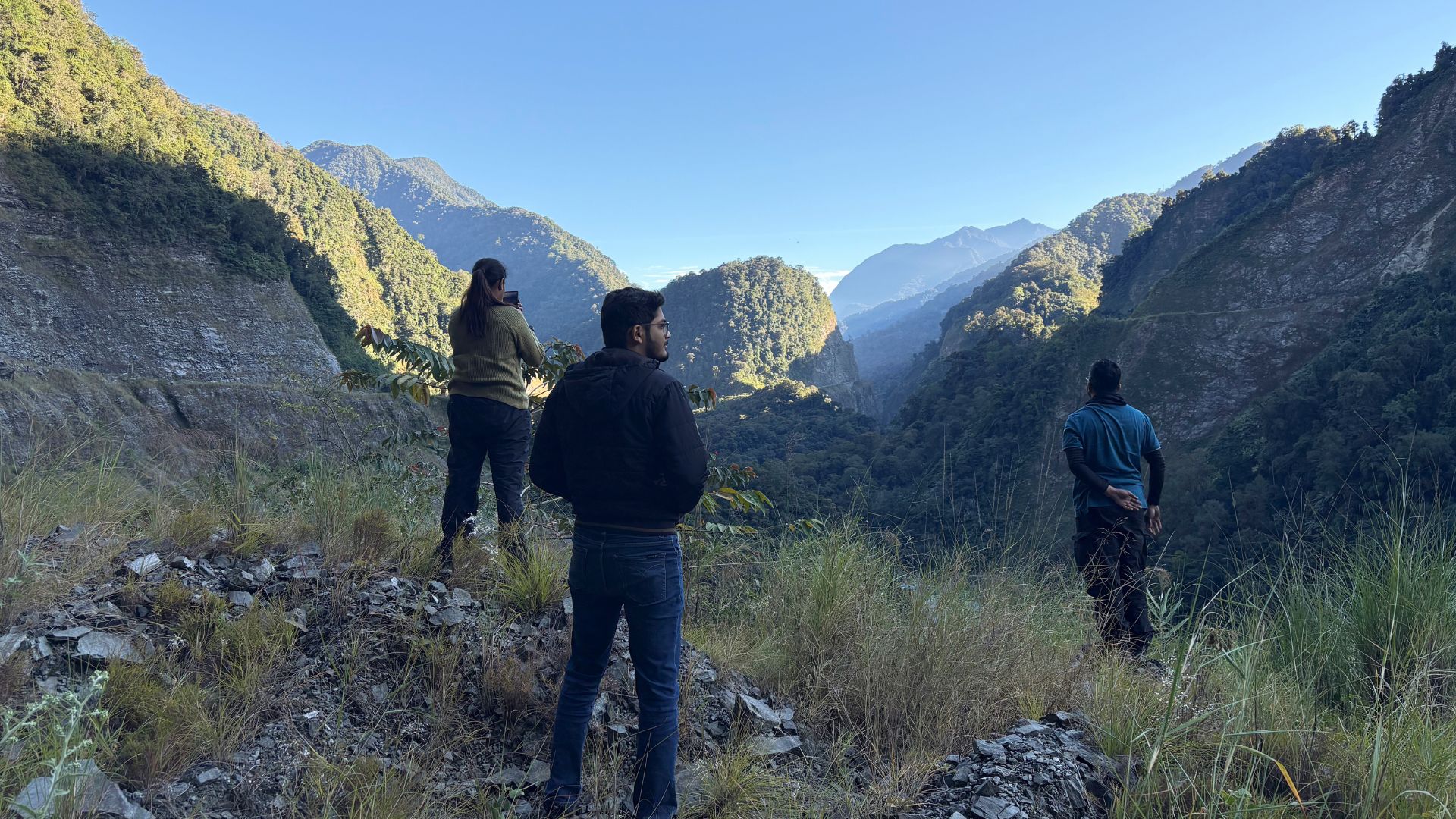
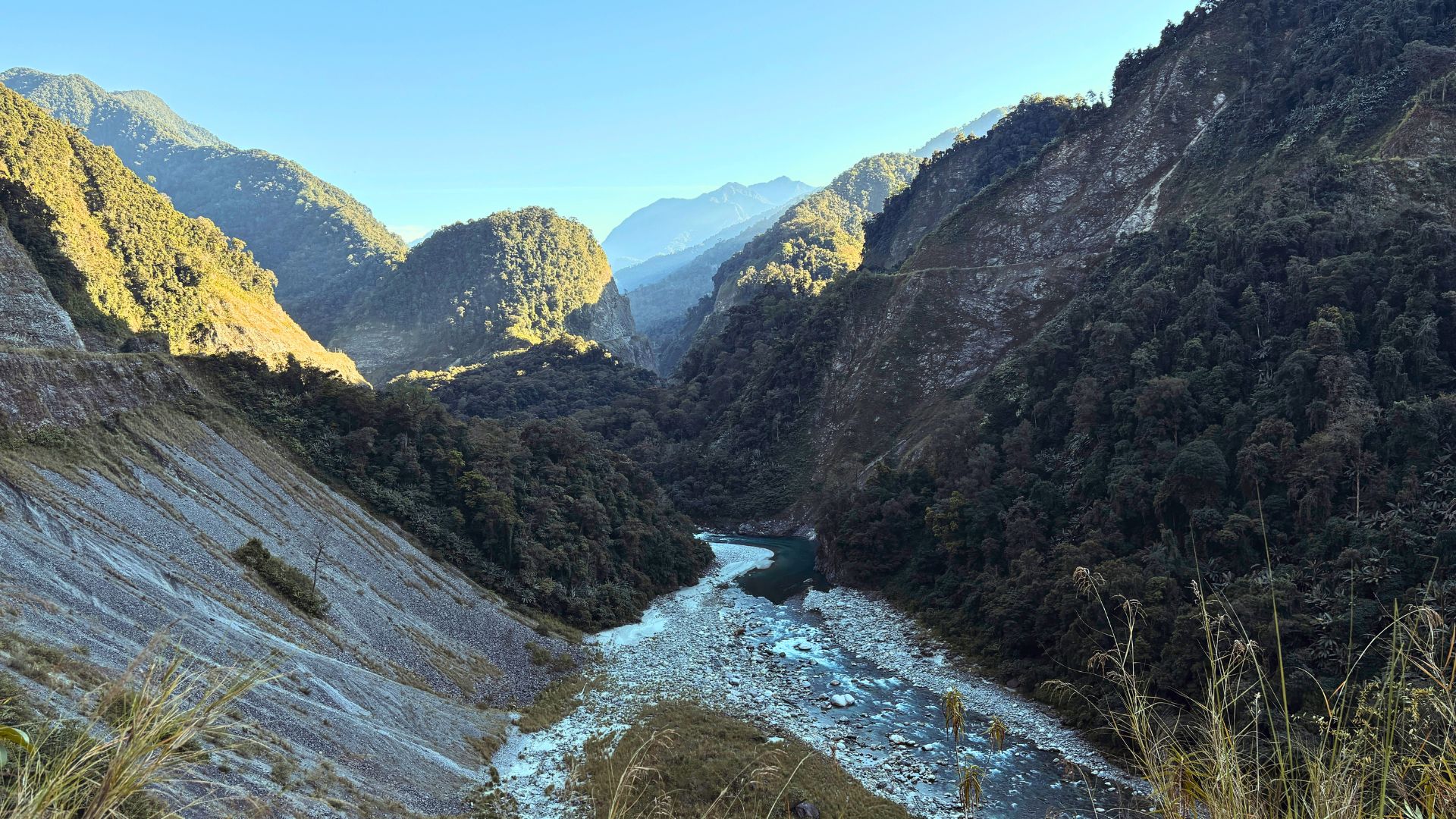
Far into the eastern Himalayas lies Dibang, one of the least populated districts in India, where mountains remain largely without roads, forests stretch uninterrupted for days, and rivers continue to shape the landscape far more than people ever have. Here, wilderness is not something protected behind boundaries. It is simply the way the land exists.
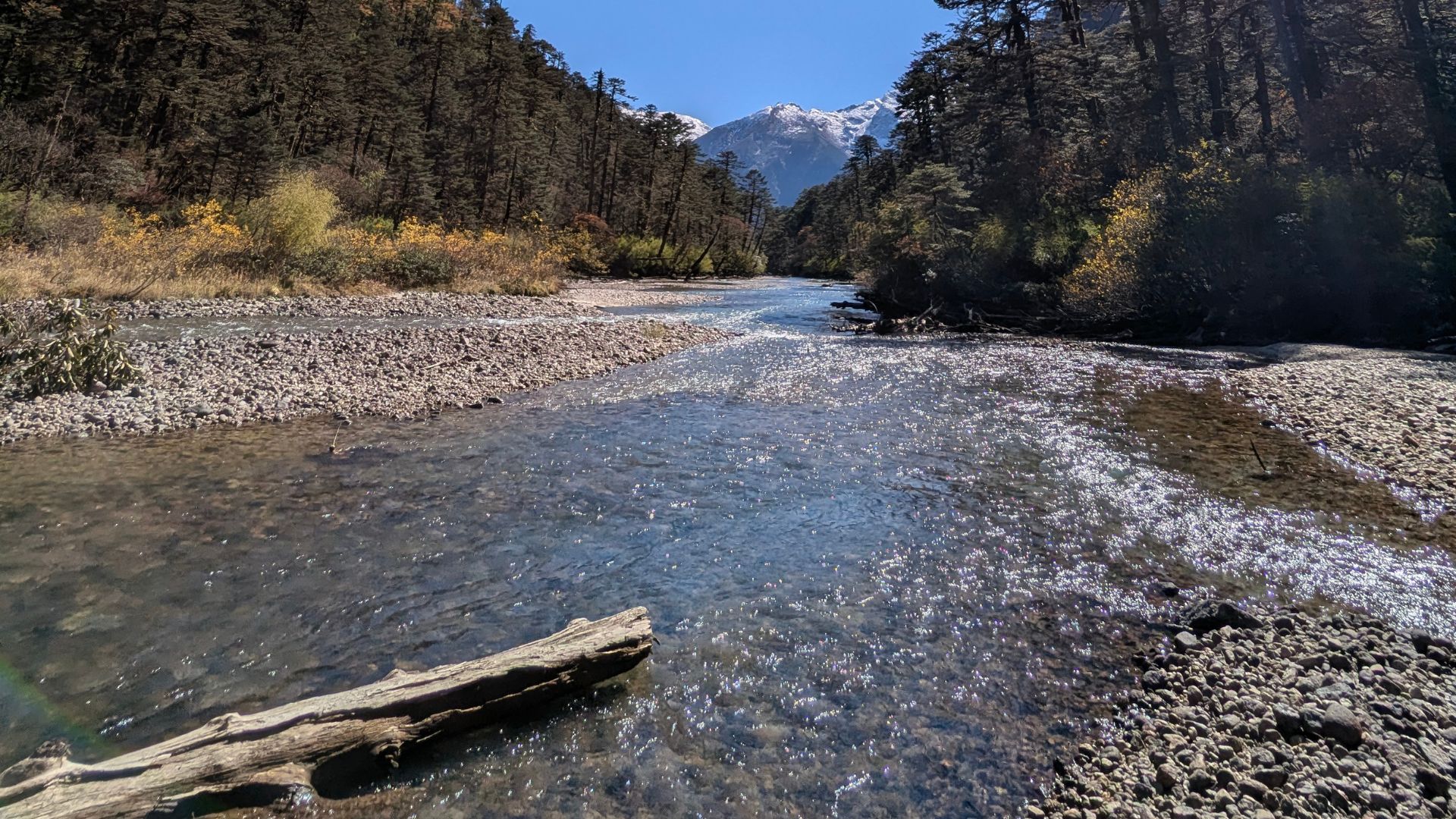
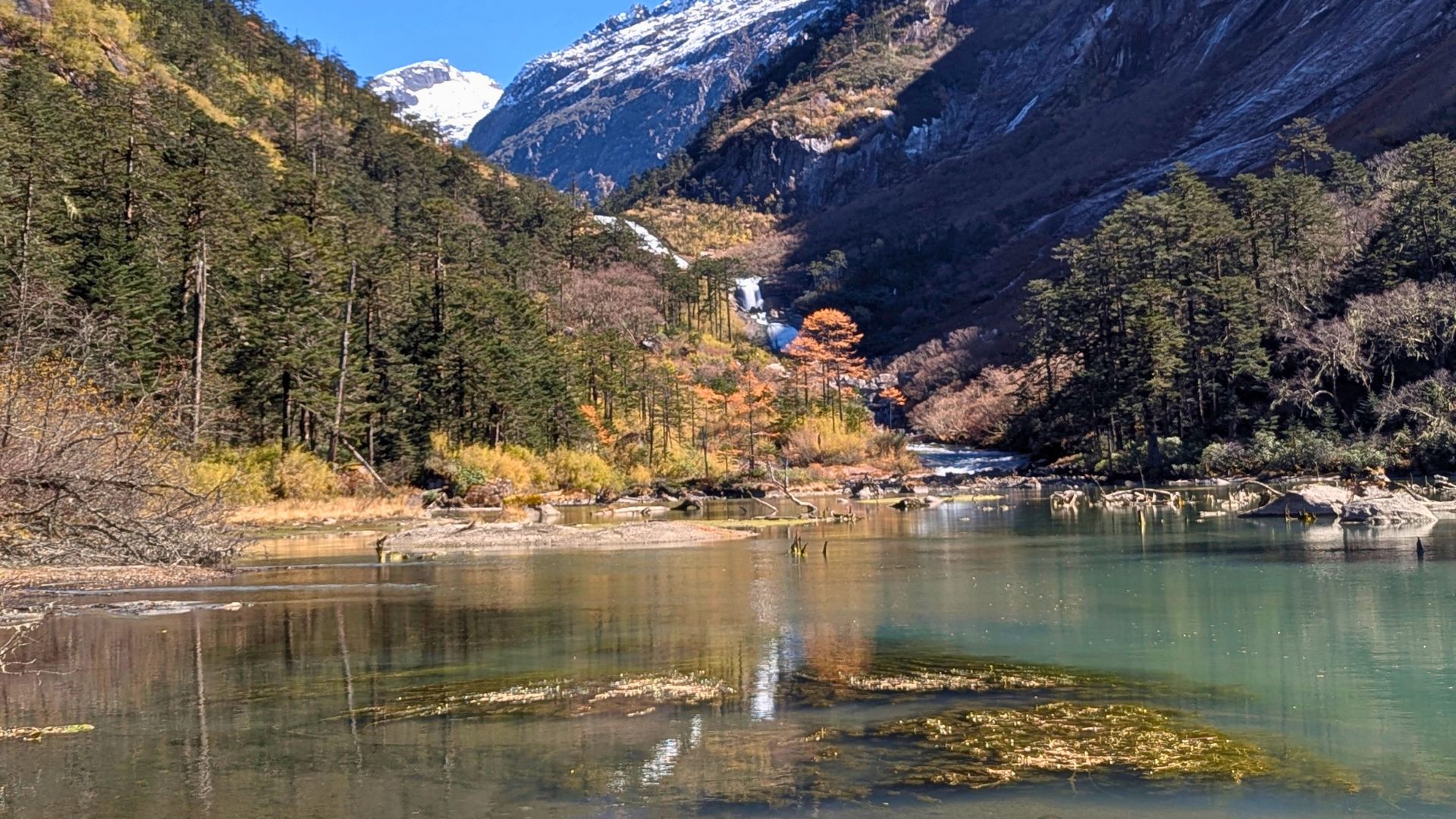
The region unfolds through an extraordinary range of ecosystems. Dense evergreen forests give way to pine-covered slopes and alpine meadows. Waterfalls spill through deep valleys carved by glacial rivers, while maple forests burst into brilliant shades of amber, crimson and gold as autumn settles over the mountains. With every passing day, the landscape transforms, making the journey feel like an exploration through several worlds rather than one.
This is the ancestral homeland of the Idu Mishmi, a tribe whose relationship with these mountains goes far beyond survival. Their stories, beliefs and traditions are inseparable from the forests and the wildlife that surrounds them. Animals are woven into folklore, hunting follows cultural codes shaped over generations, and the mountains are understood through knowledge that has been passed down for centuries rather than written in books. Journeying alongside local Idu Mishmi guides means experiencing these mountains through the eyes of people who know them intimately. Along the trail, conversations often turn to edible plants, medicinal herbs, seasonal foraging, changing weather, wildlife behaviour and the subtle signs that reveal what the forest holds. The journey becomes as much about learning to read the landscape as it is about walking through it.
The Aeyo Valley expedition follows old Idu Mishmi hunting and trading trails that continue beyond the rolling grasslands and waterfalls of Pomo into an even more secluded corner of the Eastern Himalayas, leading towards the Tibetan frontier. These mountains form part of the habitat of the elusive Mishmi takin, along with an exceptional diversity of Himalayan birds, mammals and alpine flora. Wildlife sightings are never guaranteed, but knowing you are walking through one of the last strongholds for these species makes every step feel meaningful.
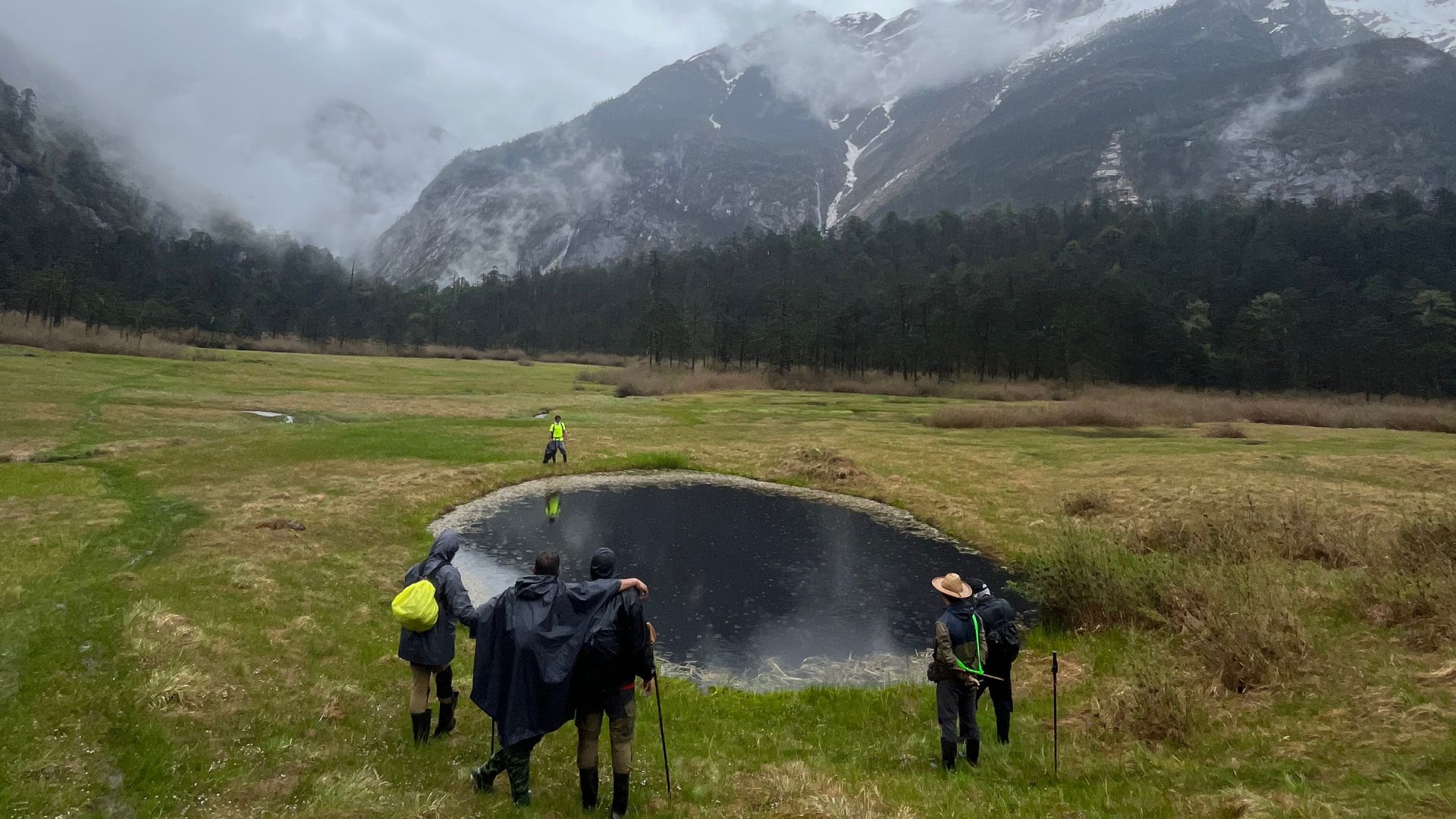
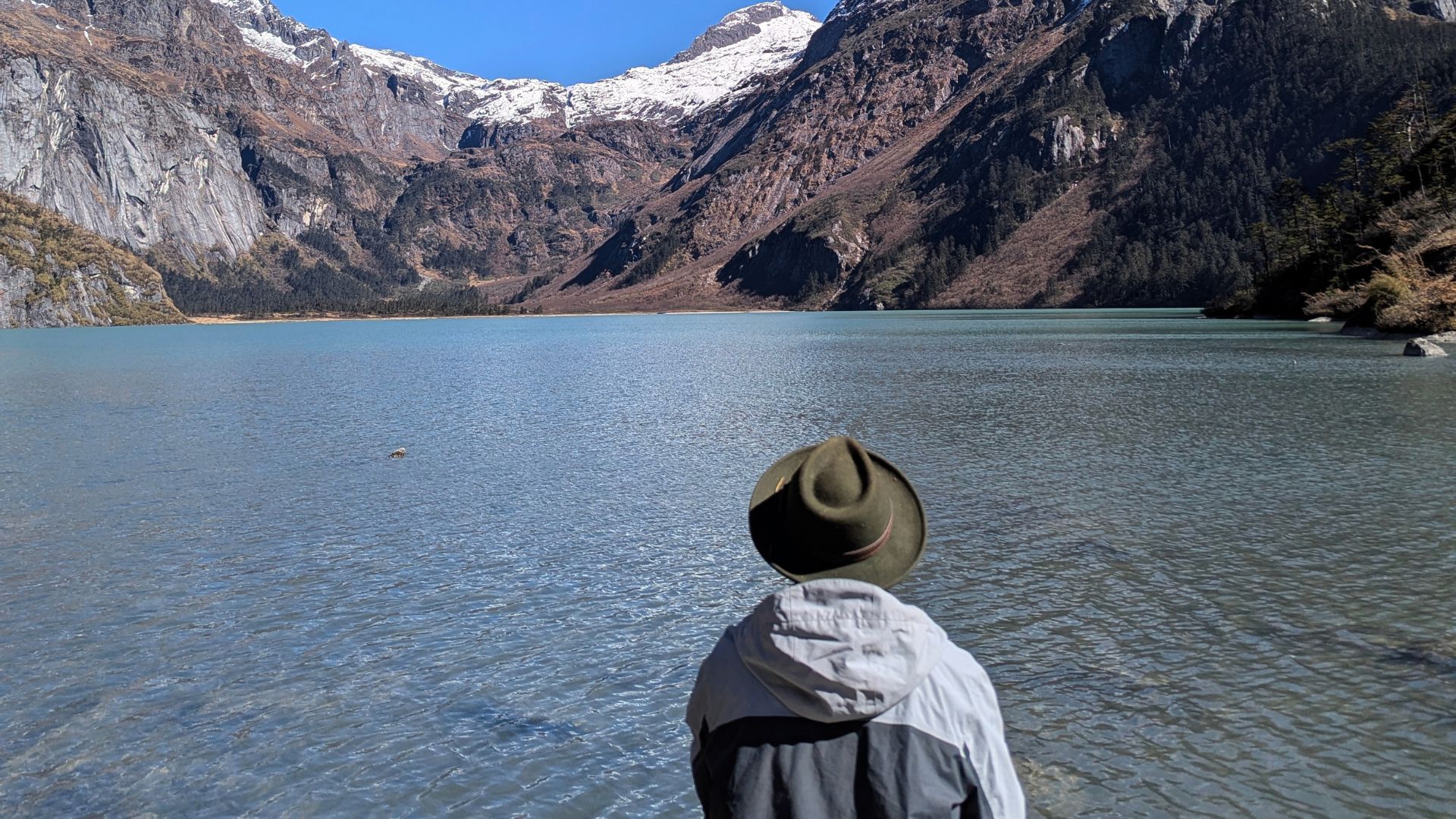
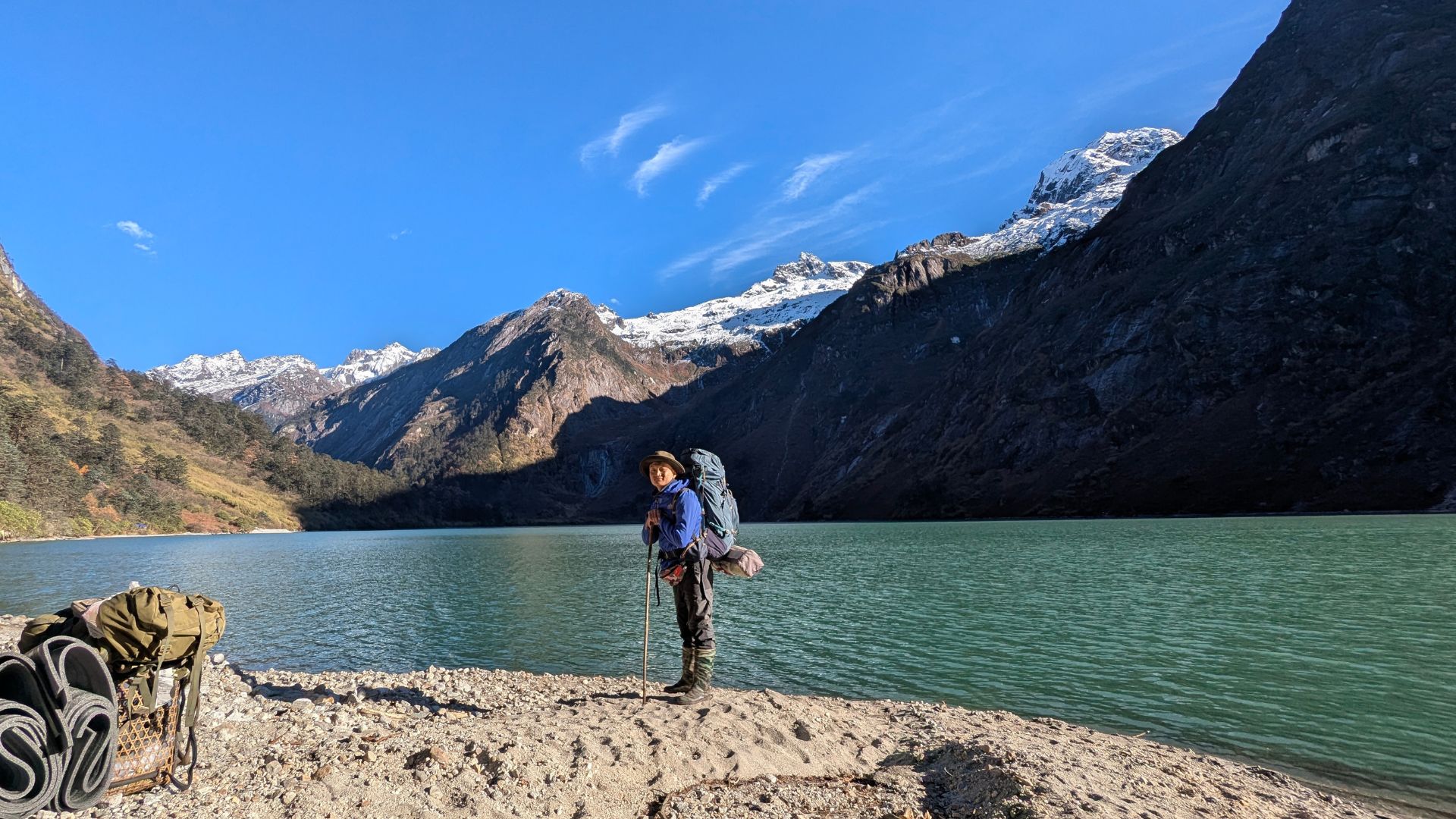
Spread across six days, the journey reveals itself slowly. Forests give way to cascading waterfalls, glacial streams and expansive alpine meadows as the landscape grows steadily wilder. At its highest point lies Aeyo Lake, resting at nearly 11,000 feet. Nights are spent camping beside alpine lakes and dense forests, allowing time to slow down, explore the surrounding ridges and experience the quiet that defines these remote mountains.
More than a trek, this is an expedition into a landscape that remains remarkably untouched. Days are spent moving through terrain that sees few visitors, while evenings are shared around the campfire with the Idu Mishmi, exchanging stories beneath Himalayan skies and reflecting on the journey. The pace is intentional, allowing the mountains, the wilderness and the people who call it home to leave a lasting impression.
Who is this for ?
Aeyo is not designed for those looking to tick off another Himalayan trek. It is for travellers who have already explored the familiar trails and now seek something rarer, something beyond the usual. A place where the path is still shaped by generations of local knowledge, where wilderness outweighs infrastructure, and where every day carries you deeper into one of the least explored landscapes of the Eastern Himalayas.
The trip starts at Dibrugarh Airport on Day 1, where the group assembles for departure, and ends at Dibrugarh Airport on Day 11. Your ChaloHoppo trip leader shall meet you at the airport on Day 1.
On Day 1, participants are required to arrive at Dibrugarh Airport by 11:00 AM at the latest. The group will depart from the airport by 12:00 PM. Any arrivals after this time, due to flight timing or delays, will need to reach the destination at their own expense.
For departure, return flights can be booked anytime after 2 PM on Day 11. Participants are advised to plan their flights in line with the recommended arrival and departure timings shared for this trip.
Please note that Dibrugarh Airport is the only designated pick-up and drop-off point for this trip. The vehicle will not stop at any other location. All participants must ensure they reach the airport before the scheduled departure time, as the trip will commence from there.
An age group of 20-50 years old is ideal for the experience. However, depending on your trekking experience and fitness, the limit could be stretched to 60 years as well. Participants below 20 years of age must have prior trekking experience and should be accompanied by a guardian above 20 years old.
This trek is ideally designed for experienced trekkers who have completed long hikes or multi-day treks before. Participants should be comfortable walking 5-9 hours daily over challenging terrain that includes steep ascents and descents, rough trails, and slippery, muddy conditions due to weather.
The trek tests both physical endurance and mental resilience over six consecutive days. While a team of guides will be present throughout, this trek is not recommended for absolute beginners to hiking. However, if you maintain an active, fit lifestyle and can persist through long hours of trekking across rugged, wild terrain, this trek is achievable with the support of our expert team of guides.
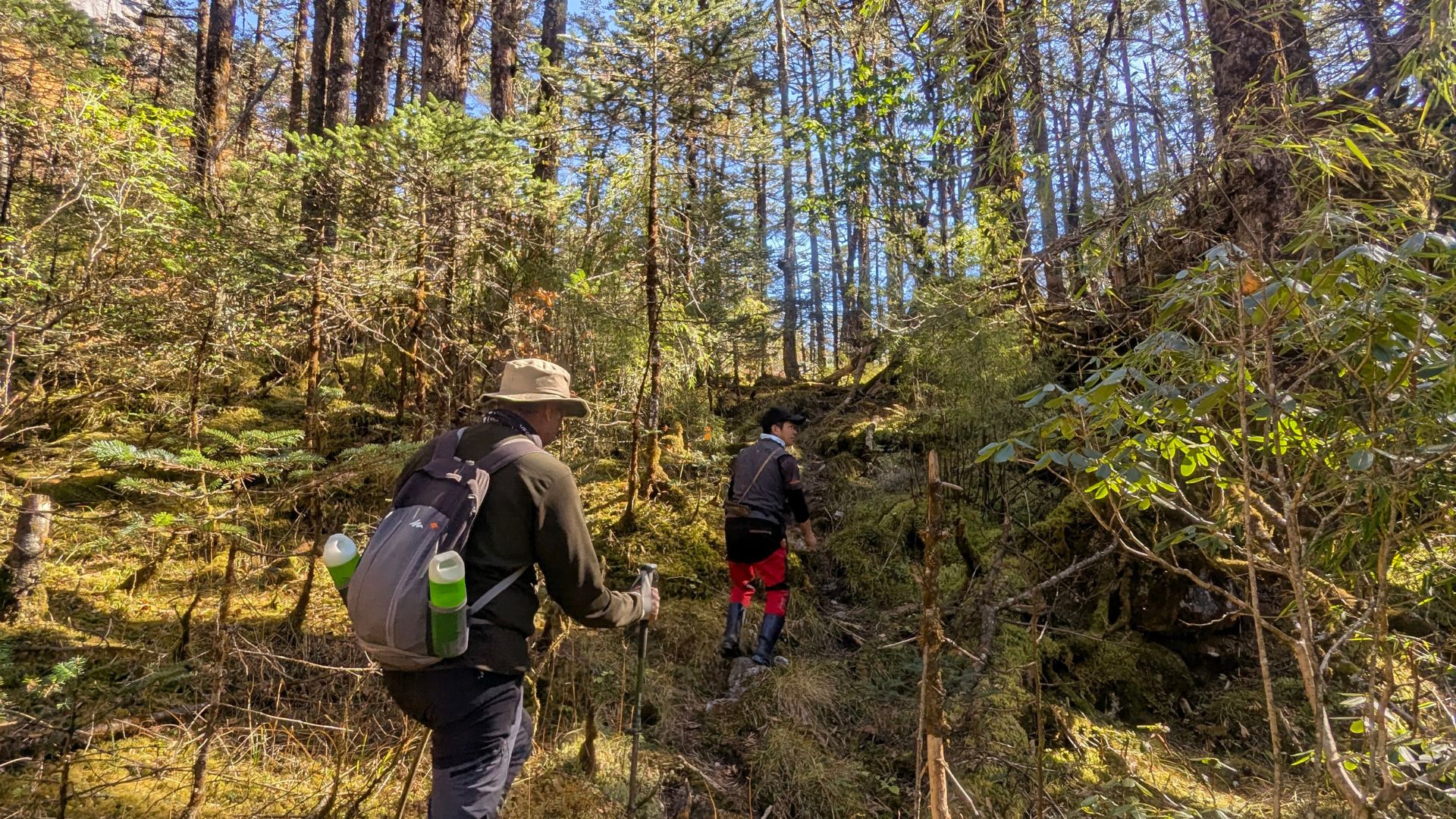
The trail features mixed and demanding terrain, including sustained ascents and descents, moss covered forest trails, rocky sections, grasslands, river crossings, hanging bridges and muddy stretches, all of which can become more demanding depending on the weather. Expect misty passes, lush valleys, steep forest trails, and boulder sections near rivers. The arrival of rains can make the trail muddy and slippery, increasing the overall difficulty.
No. A team of porters will carry your trek backpack and sleeping bag. Trekkers are only required to carry a small daypack (10 or 30 Ltr) with personal essentials needed during the day on the trail.
Throughout the journey, we will be staying in clean, comfortable, and locally run properties that are among the best available in this remote region. The accommodation reflects the character of the destination and is chosen with a focus on hygiene, safety, and practicality rather than luxury.
In Roing and Anini, we stay at small-scale resorts and guesthouses offering basic but comfortable facilities. At Acheso, accommodation is provided in a mix of riverside cottages and tents, offering an immersive stay amidst nature in a remote mountain setting.
It is important to note that infrastructure in this part of Arunachal Pradesh is limited. Power outages, voltage fluctuations, and intermittent network connectivity are common and should be expected. Amenities typically associated with urban hotels, such as room service, laundry facilities, hair dryers, and other luxury conveniences, will not be available.
The experience is best approached as an opportunity to disconnect from modern comforts and immerse yourself in one of the most remote and pristine landscapes in the Eastern Himalayas.
Rooms and tents are shared on a double-sharing basis. In case you are a solo traveller, you will be paired up with another solo traveller of the same gender. Please note that almost all of the properties will have double bedrooms.
Note: Room allocation is managed by the sales and reservations team based on gender and confirmed bookings.
Local Arunachali cuisine, along with simple trek meals like fried rice, eggs, thalis, and millet dishes. There will be options for both veg and non-veg.
Meal options may be limited on certain days due to remoteness. Please note that Pork is the staple preferred meat in the region. Chicken is also available, but limited.
You’ll have decent mobile connectivity in Anini and Acheso – Airtel is the only network that works. That said, networks can be unreliable and may shut down at times. Dibrugarh and Roing will have Airtel and Jio working.
There is no mobile connectivity during the trek in Aeyo Valley.
Sleeping bags rated for 0°C to sub-zero temperatures are available for rent at ₹1500. Sleeping bags are only available for rent on prior booking. You have to bring your own gum boots, an inner liner for the sleeping bag, and a rain cover for your trekking bags. Once you book the trip, an extensive and detailed list of items to be carried will be sent to you.
The trek takes place during mid-November, when the Eastern Himalayas transition from the monsoon into autumn and the onset of winter. Maple forests begin to change colour, the skies often become clearer and daytime trekking conditions are generally pleasant. At the same time, the mountains remain unpredictable, and rains can never be ruled out in the region. Trails can become wet and challenging, and nights will be very cold, especially at camps. Weather patterns can change quickly, and exact conditions are difficult to predict even locally.
Heavy rains and mist can impact our transit from Roing to Anini and back. Landslides and road blockage are quite common in the region. A delay in the clearance of roads and the closure of the highway cannot be ignored.
November is usually transitioning from autumn to winter and remains dry, but can also see continuous spells of rain. There could be a possibility of delay in reaching destinations owing to weather, road construction or any external factor that is beyond control. In worst-case scenarios, due to heavy rain and bad weather, the highway to Anini can also be shut.
Owing to the high terrain, this experience will be challenging for those who encounter motion sickness. The drives on the given days will be long through curvy mountain roads.
You will find some eateries along the way from Dibrugarh to Roing but as we make our way to Anini, food options become limited, and long drives may delay meal timings. We recommend carrying enough snacks for added comfort.
The minimum group size for this trip is 6 participants. We recommend booking flexible flight tickets. In the unlikely event that the trip is cancelled due to insufficient bookings, you will be informed at least 21 days prior to the start date.
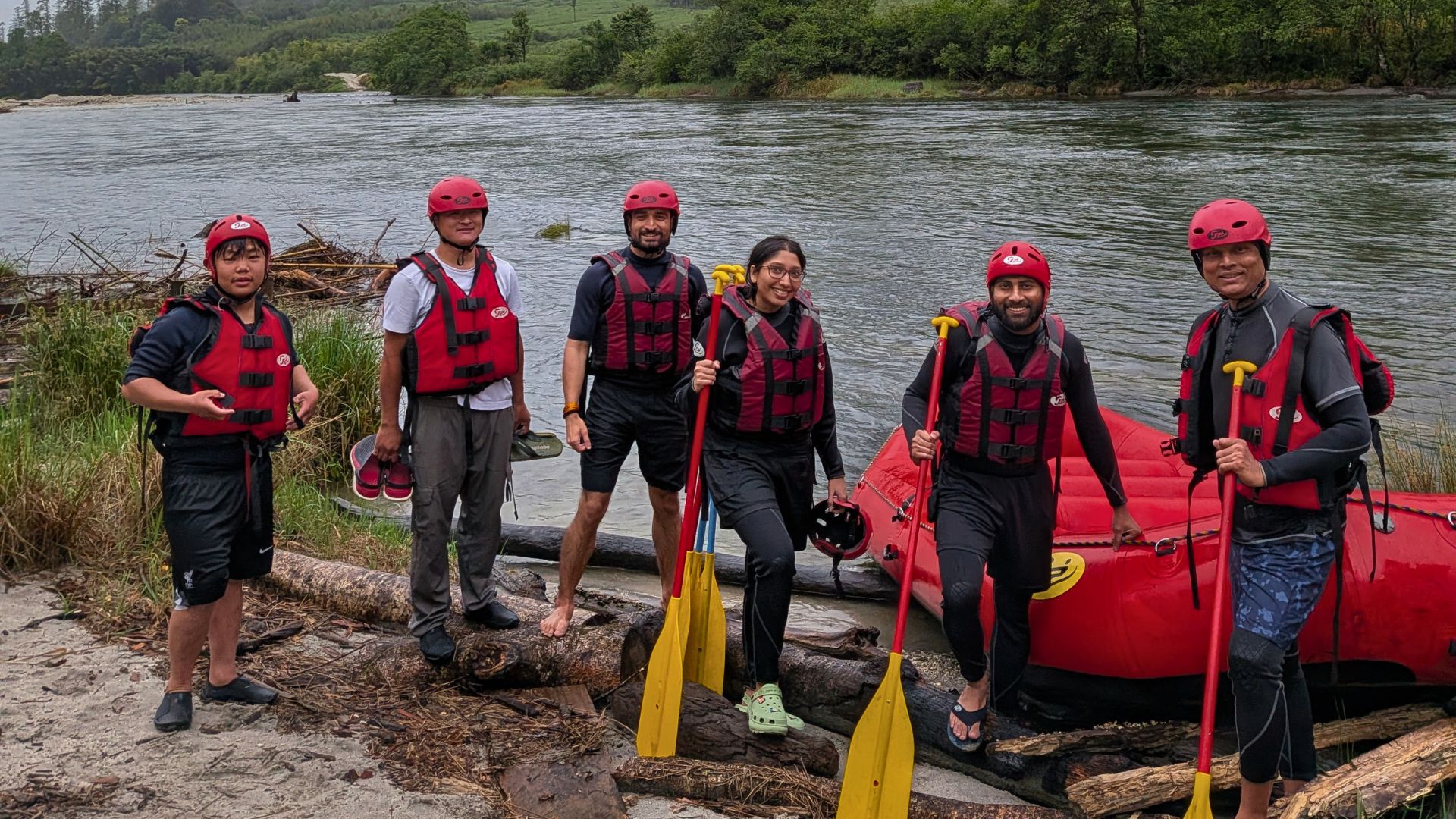
The rafting in Dree is beginner-friendly with Grade 1 rapids. You shall be rafting under the guidance of experienced professionals. Please note that rafting can be impacted by weather.
As the trek takes place in the remote wilderness of Eastern Arunachal, campsites will usually have basic pit toilets. Only Maple Forest camp will have one permanent Indian toilet setup, while the other campsites will have pit toilets. These are eco-friendly, temporary toilet structures commonly used on remote treks. Each toilet is covered on all sides, with a dug pit and a wooden base. All toilets on the trek will be Indian-style.
A basic first-aid kit is available throughout the trek with the team. In case of serious medical emergencies, evacuation will be coordinated with local authorities and porters, depending on weather, terrain, and accessibility. Evacuation and treatment costs, if any, will be borne by the participant.
The valley follows a strict carry-back policy. All non-biodegradable waste, including plastic, must be brought back from the valley. Fines may be imposed by local committees if waste is left behind.
Electricity is available at select towns and stays, but power supply and voltage are erratic in Anini. There will be no electricity during the trek in Aeyo Valley. Power supply can’t be trusted in Anini and Acheso as well. We recommend carrying power banks.
It is important to note that booking flights before reserving a slot with us does not guarantee availability. In the event that we are sold out, we cannot be held responsible for any inconvenience caused.
Yes, an Inner Line Permit (ILP) is required for Indian nationals, while foreign nationals need a Protected Area Permit (PAP) to enter Arunachal Pradesh.
For ILP – Once you sign up for the trip, we will guide you through the permit application process. The application is straightforward, can be completed online, and our team will assist you with the same.
For PAP – To process the permit, we’ll need a copy of your documents and a few basic details. The permit takes some days to be issued, so we’ll reach out in advance to collect the required information. We appreciate your cooperation in sharing the documents on time – it helps us ensure a smooth and hassle-free journey for you.
Yes. The vehicles, stays, and camping setup are suitable for most travellers. However, if you’re 6’2″ (188 cm) or taller, do let us know before booking. We’ll help you understand what to expect in terms of vehicle seating, bed sizes at the homestays, and sleeping bag fit, and make suitable arrangements wherever possible.