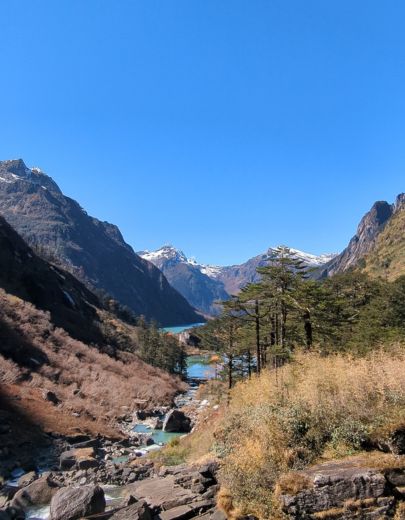
Arunachal Pradesh is often called India’s “last frontier,” but that language obscures its true nature as a dynamic borderland where cultures meet rather than end. Anthropologist Willem van Schendel describes such regions as “zones of intensified interaction,” and here that is vividly apparent: what appears as a hard boundary between India, China (Tibet), Bhutan, and Myanmar on a map becomes, on the ground, a fluid space of exchange shaped by movement, memory, and everyday practice.
Historian Bérénice Guyot-Rechard similarly notes that the eastern Himalayas have long functioned “less as a boundary than as a corridor,” a point echoed in traveler accounts from Tawang, where visitors observe that Tibet feels culturally proximate despite political distance. This dissonance between mapped borders and lived reality aligns with James C. Scott’s understanding of upland regions as spaces of fluid identity and relative autonomy. As travel ethnographer Anu Jalais reflects, “Arunachal does not feel like the edge of anything—it feels like the center of multiple worlds,” capturing the essence of a region that can only be understood as a confluence of overlapping cultural geographies rather than a remote periphery.
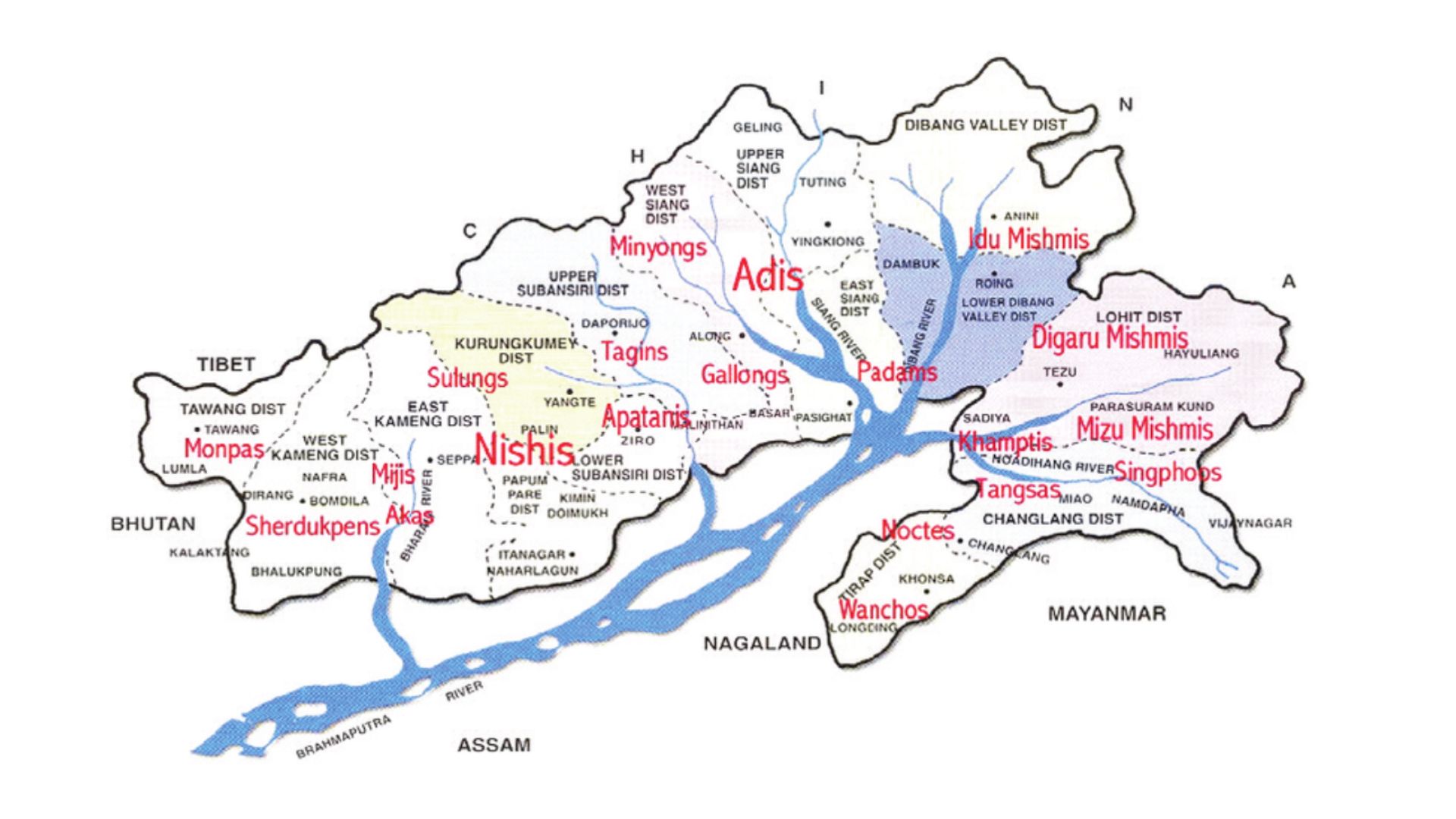
From the vantage point of India’s metropolitan centers, Arunachal Pradesh is often imagined as distant—geographically remote, culturally peripheral—but such a framing collapses under closer scrutiny. Anthropologist James C. Scott’s idea of upland regions as zones of dense, self-sustained cultural worlds is instructive here: what appears marginal from afar is, in lived terms, deeply central to those who inhabit it. This “frontier” is not empty space but an intricate mosaic of over 25 major tribes—Monpa, Adi, Nyishi, Apatani, Mishmi, Wancho, Nocte, among others—each constituting what anthropologist Clifford Geertz might call a “distinct cultural text,” complete with its own cosmology, social structure, and relationship to land. Linguistic diversity shifts every few valleys, oral traditions evolve with terrain, and identities remain layered rather than singular.
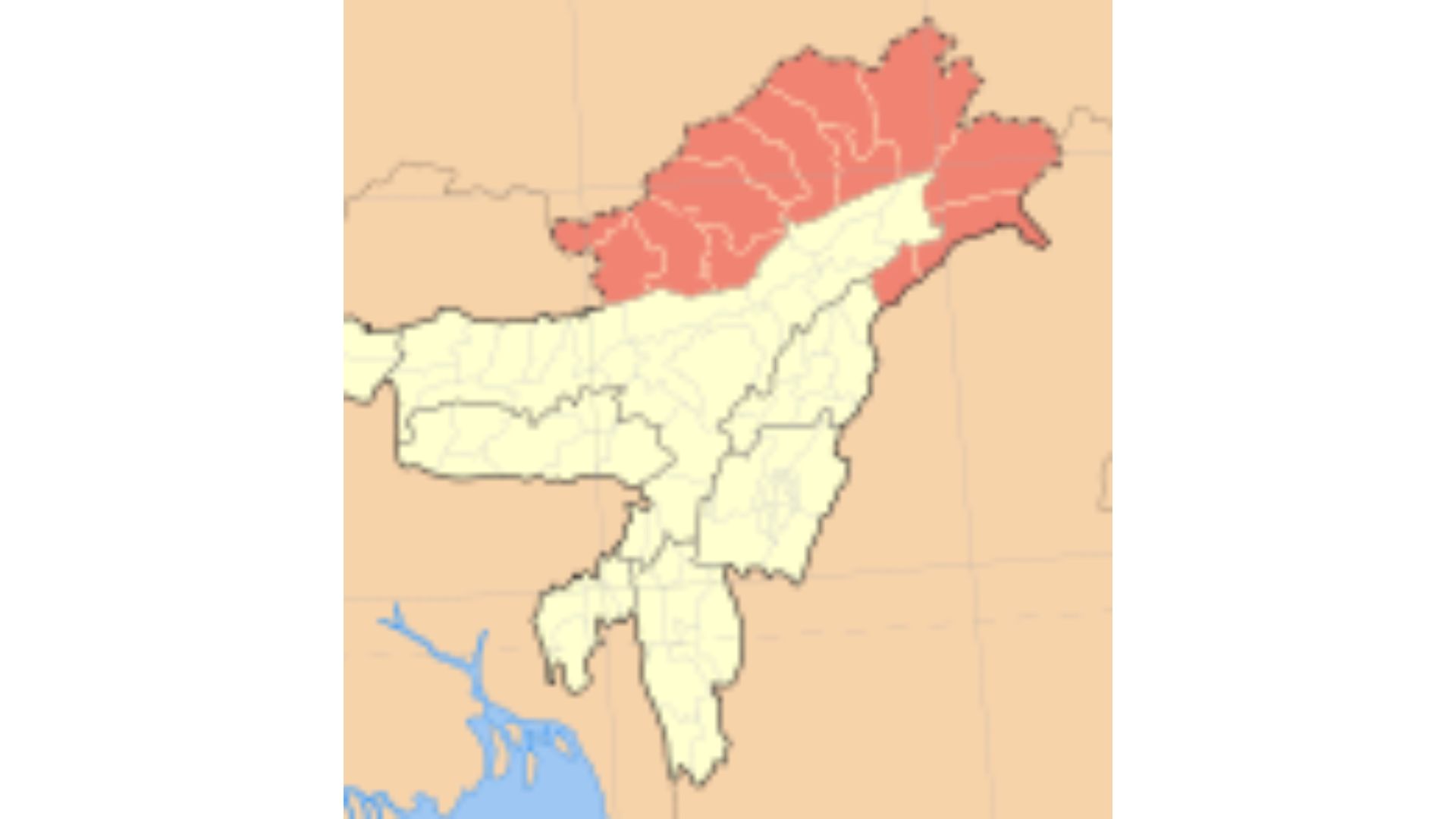
At the same time, this richly inhabited cultural landscape exists alongside a contested geopolitical line: the McMahon Line, drawn during the 1914 Simla Convention, which India recognizes as its northeastern boundary while China disputes it, referring to much of Arunachal Pradesh as “South Tibet.” This overlay of cartographic assertion and political tension further complicates the notion of “frontier,” revealing it not as an empty edge but as a space where culture, history, and sovereignty intersect.
As Verrier Elwin, one of the earliest ethnographers of the region, observed, “here, culture changes as swiftly as the landscape,” capturing a place where festivals are not staged performances but live rhythms, and tradition is not preserved in isolation but continuously practiced. What emerges is not fragmentation, but coexistence—a complex cultural density that challenges the very notion of periphery and redefines Arunachal as a center of plural, overlapping worlds.
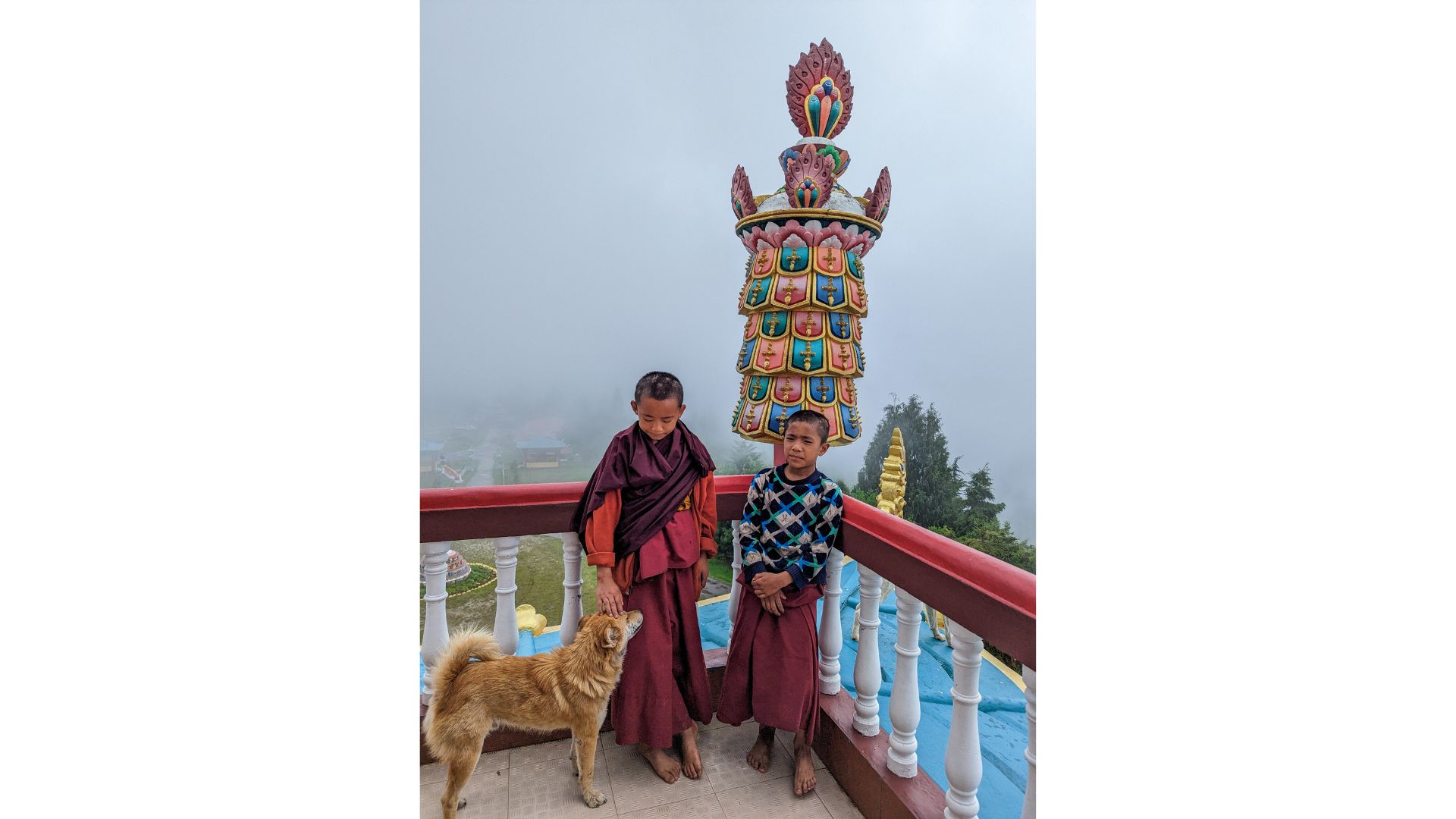
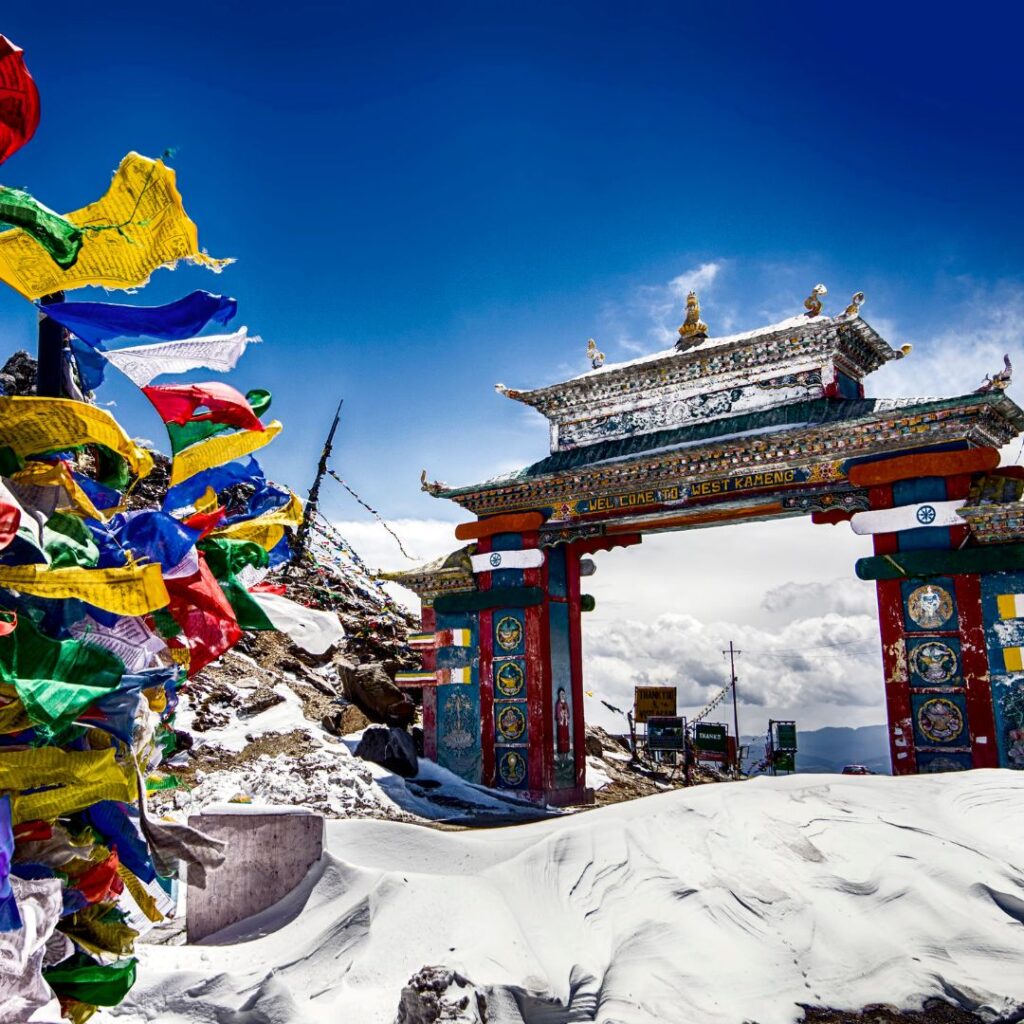
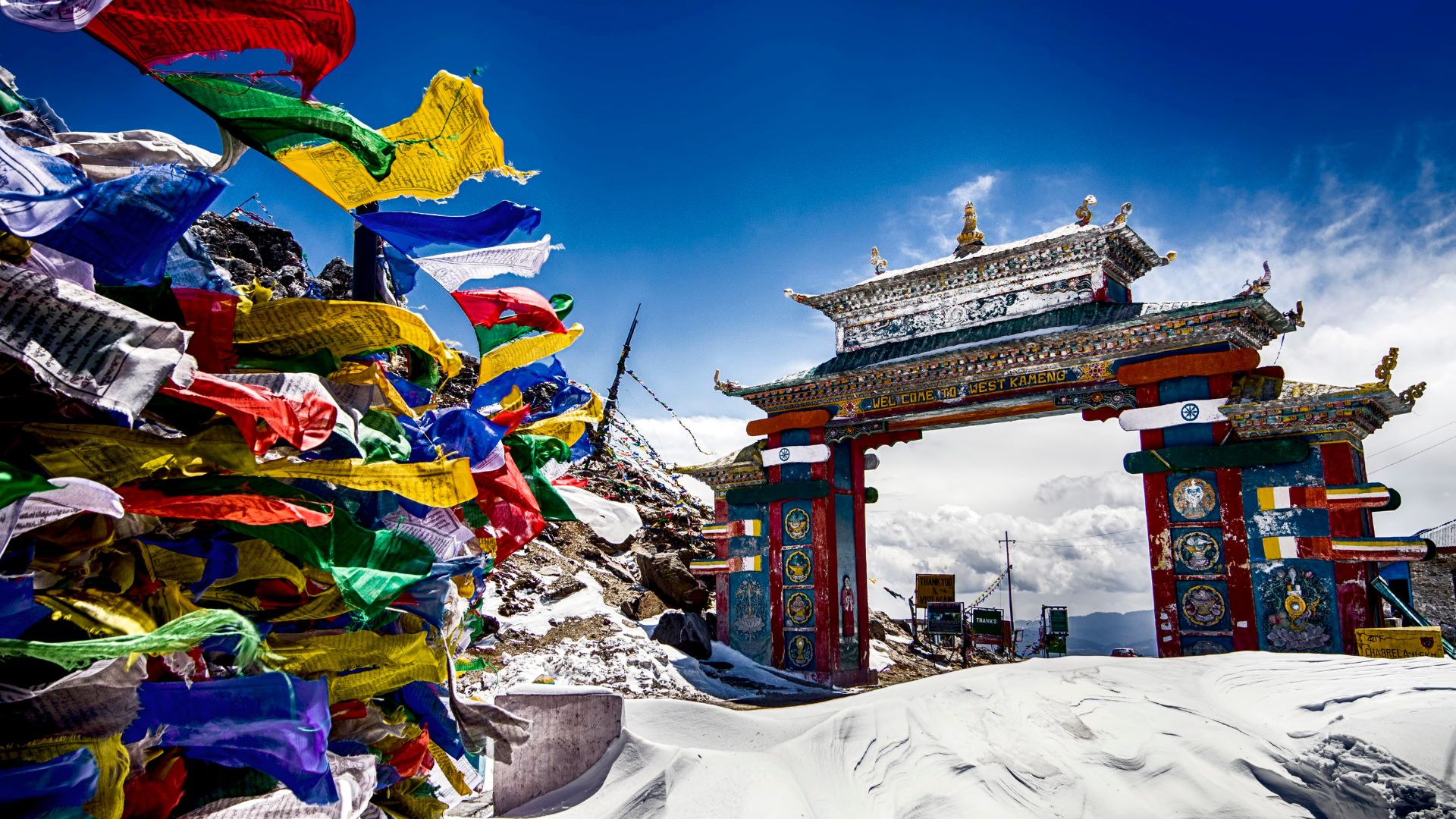
Move across Arunachal Pradesh from west to east, and what unfolds is not a single cultural narrative but a shifting civilizational spectrum. In the western districts around Tawang, Tibetan influence is deeply inscribed into the landscape—monasteries perched along ridgelines, prayer flags carrying wind-borne mantras, and the Monpa community sustaining a lived Buddhist tradition that shapes architecture, art, and everyday rhythm. As anthropologist Toni Huber notes, this region forms part of a “Tibetan cultural ecumene,” with Tawang Monastery—one of Asia’s largest—serving not merely as a spiritual center but as a trans-Himalayan anchor linking Arunachal to the Tibetan plateau.
One of the clearest modern examples of this trans-Himalayan geography is the route followed by the Dalai Lama through western Arunachal during his journey into India in 1959.
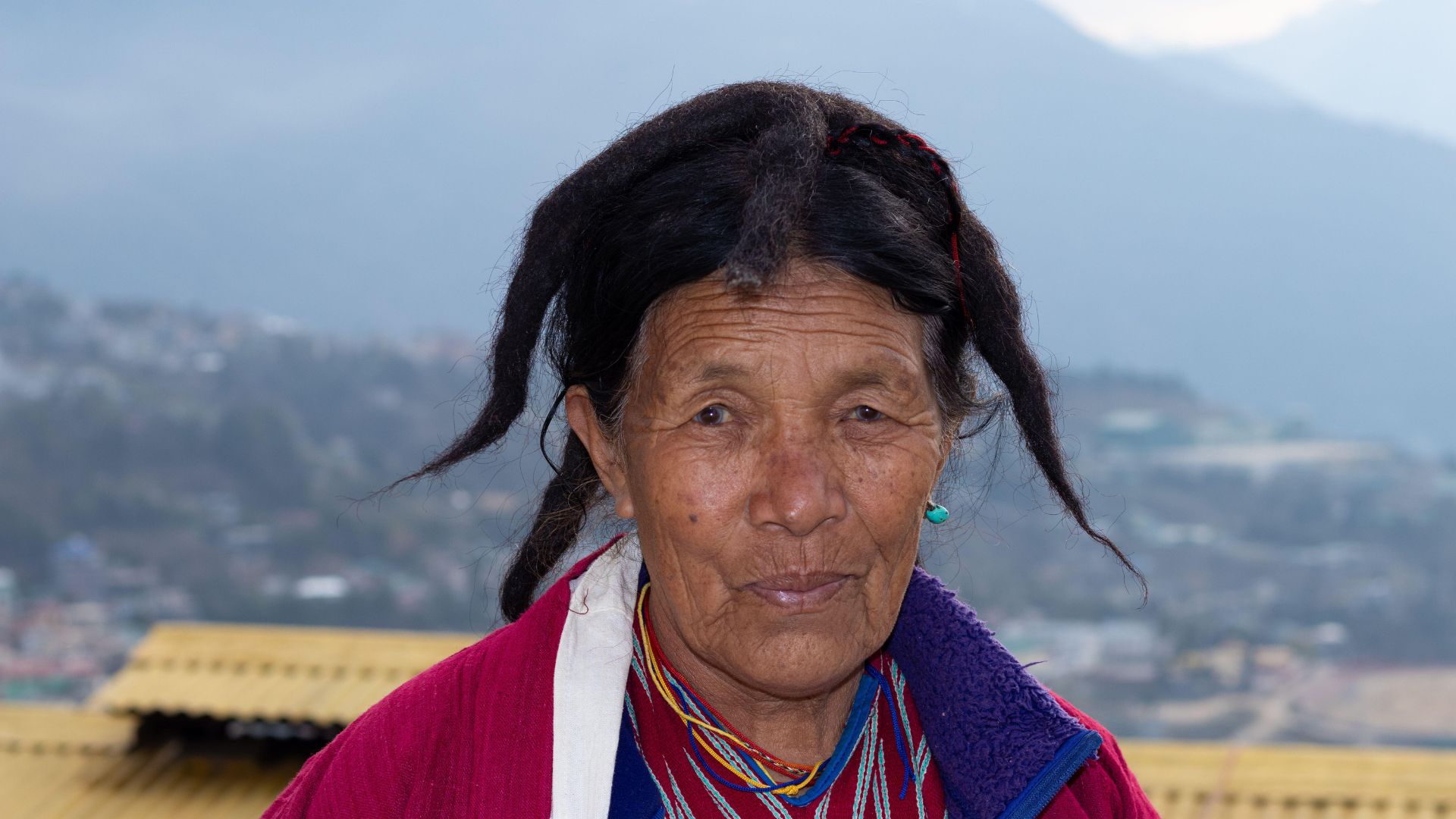
Travel eastward, however, and the cultural grammar shifts: among tribes such as the Wancho and Nocte near the Myanmar border, one encounters affinities with Southeast Asia in stilted bamboo homes, ceremonial attire, and animist cosmologies where, as anthropologist Philippe Ramirez observes, “the forest is not a resource but a sentient presence.” Along the Bhutan frontier, yet another layer emerges—shared Himalayan lifeways expressed through wooden architecture, textile traditions, and spiritual continuities that blur political divisions. Here, as geographer David Ludden suggests of such regions, mountains function less as barriers than as “zones of cultural circulation.” Taken together, Arunachal Pradesh reveals itself not as a bounded space but as a crossroads, where Tibetan, Southeast Asian, and Himalayan worlds overlap, interact, and persist in everyday life.
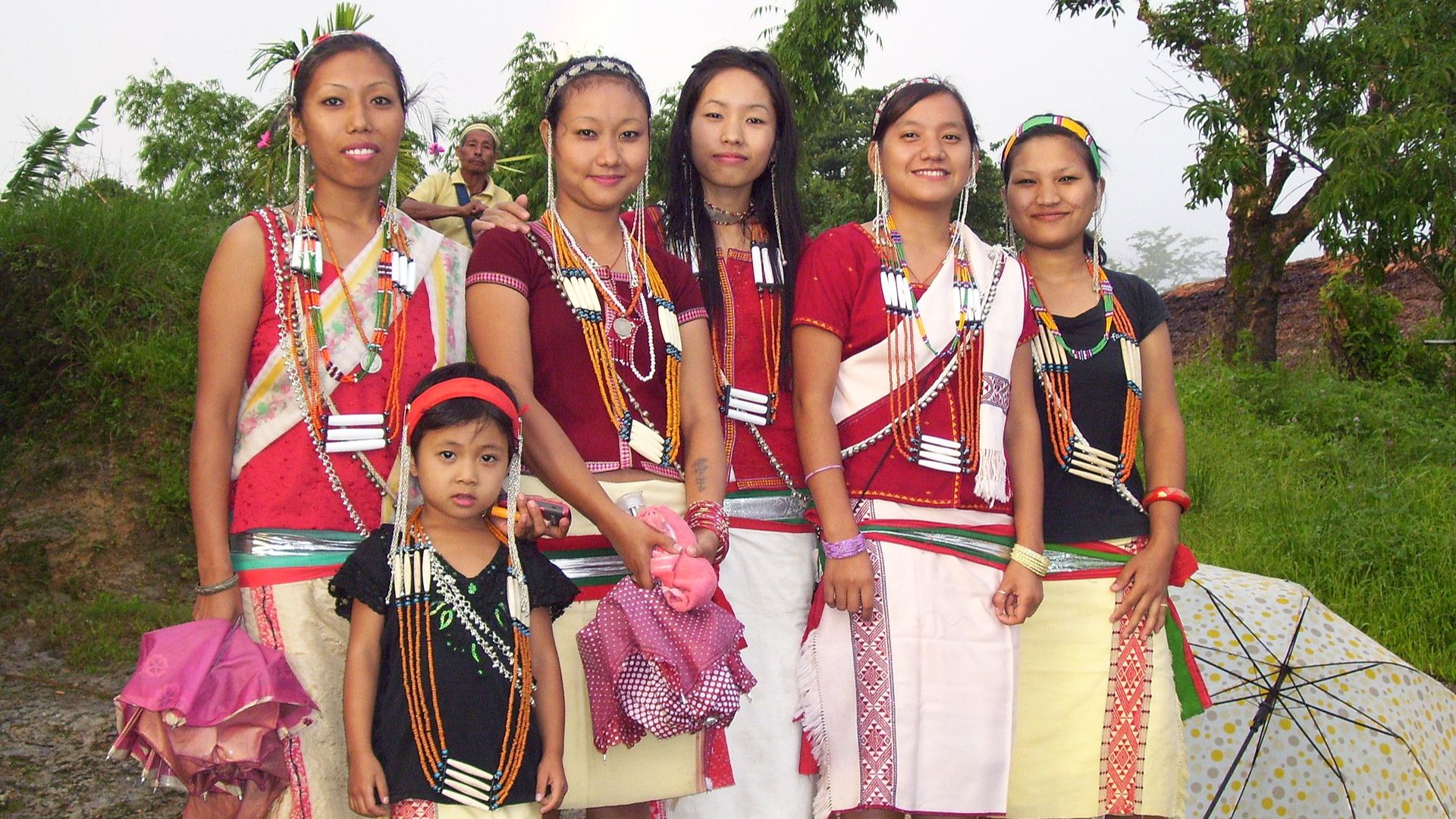
Traveling through Arunachal Pradesh, you begin to notice that not everything important is written down—and not everything needs to be. In a village gathering at dusk, a story might unfold not from a book but from memory—sung, repeated, and gently corrected by those listening. Linguist David Crystal has noted that oral cultures carry “dense reservoirs of knowledge,” and here, that truth feels immediate: history lives in voices, in pauses, in the cadence of a song you may not fully understand but can unmistakably feel. As Verrier Elwin once wrote, “the spoken word is an archive,” and as a traveler, you realize you are witnessing a library without walls—one that exists only in the act of being shared.
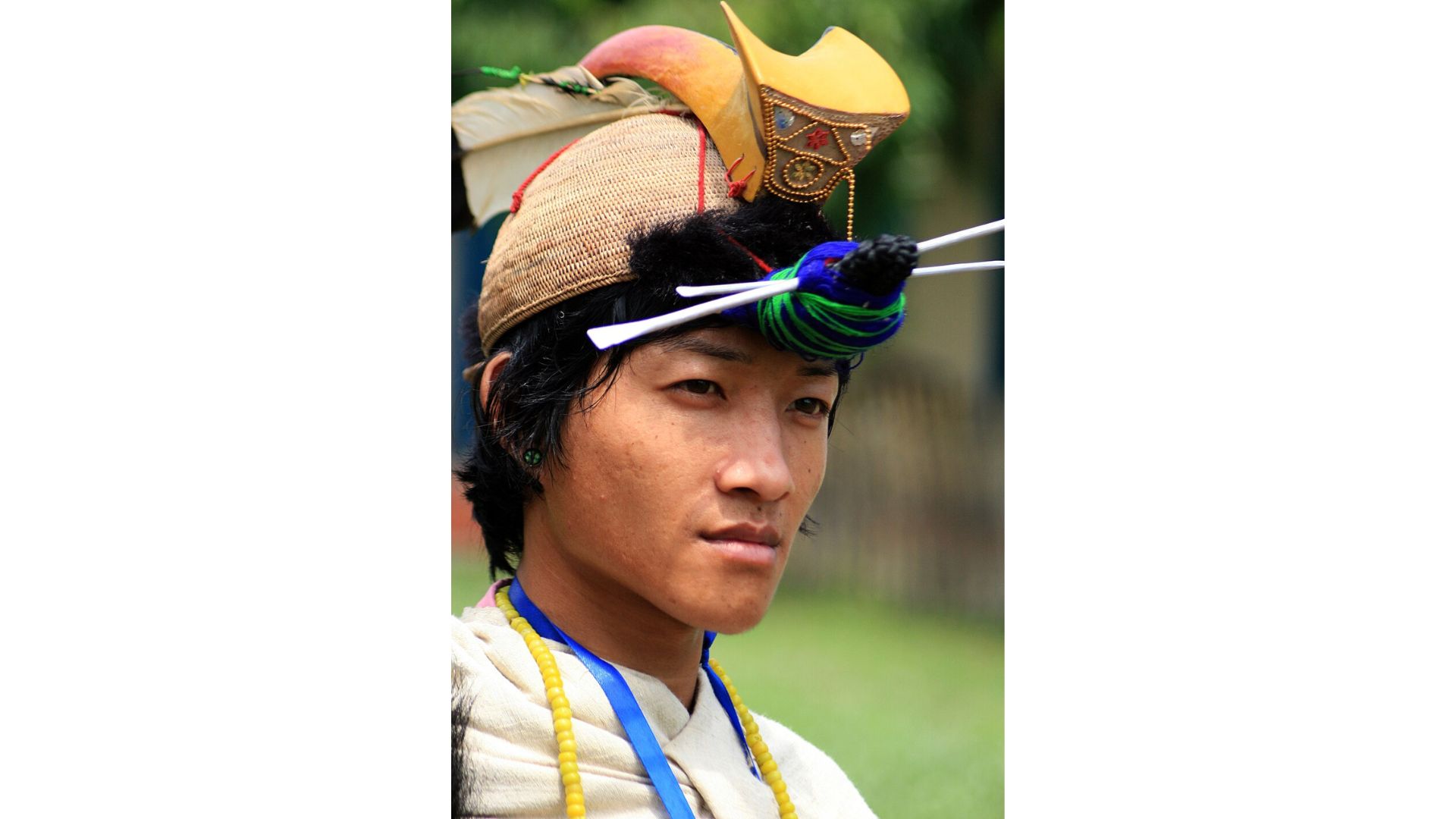
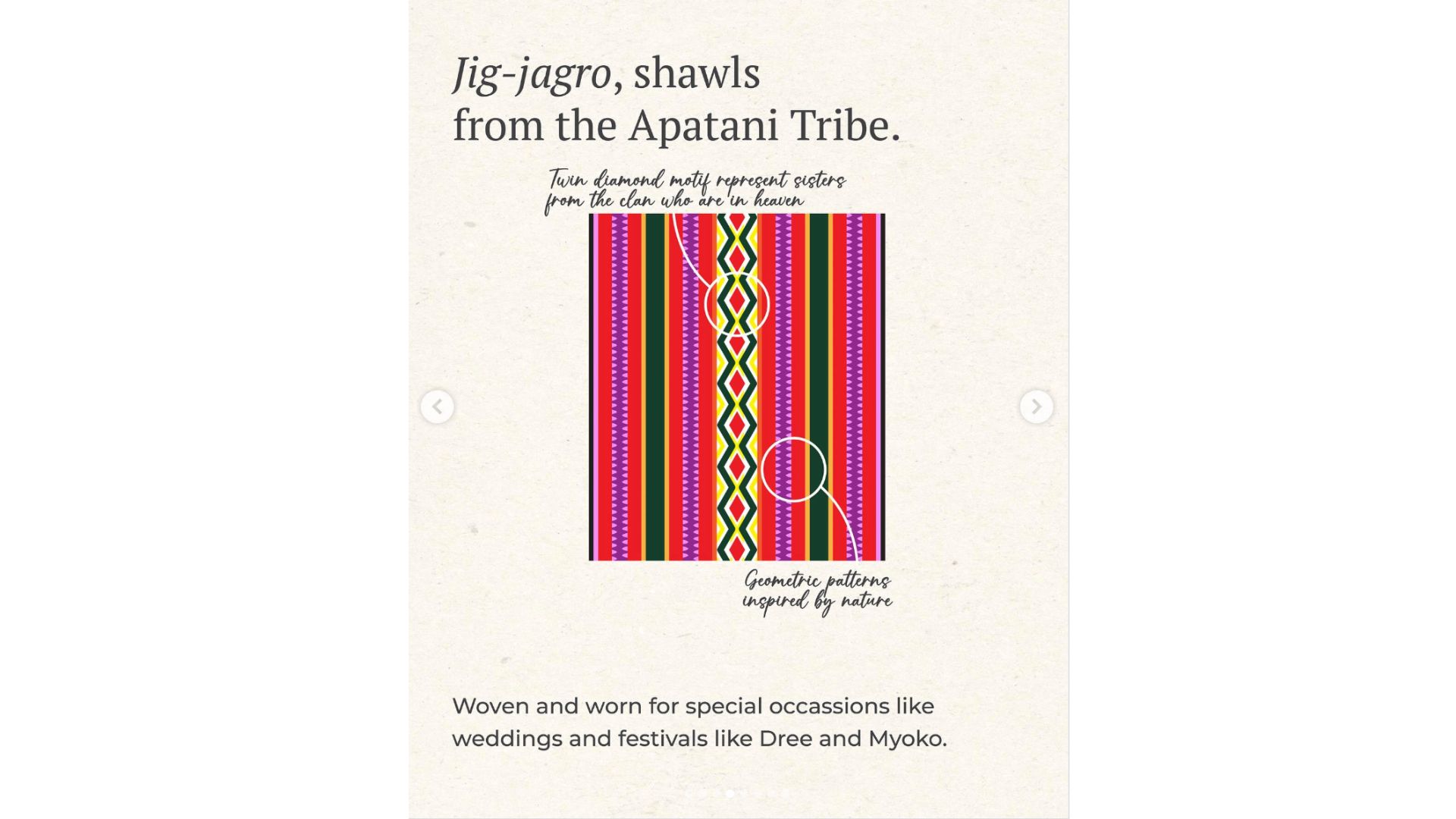
That same sense of storytelling follows you into what people wear. A closer look reveals that clothing here is never just clothing. The intricate beadwork of an Apatani woman, the striking hornbill-adorned headgear of a Nyishi elder, the layered textiles woven from bamboo, cane, and wool—each detail seems to say something, even if you don’t yet know how to read it. Anthropologist Alfred Gell’s idea of objects as “active social agents” comes alive in these moments; these are not decorations, but declarations. Who you are, where you belong, what you carry forward—all of it is stitched, strung, and worn.
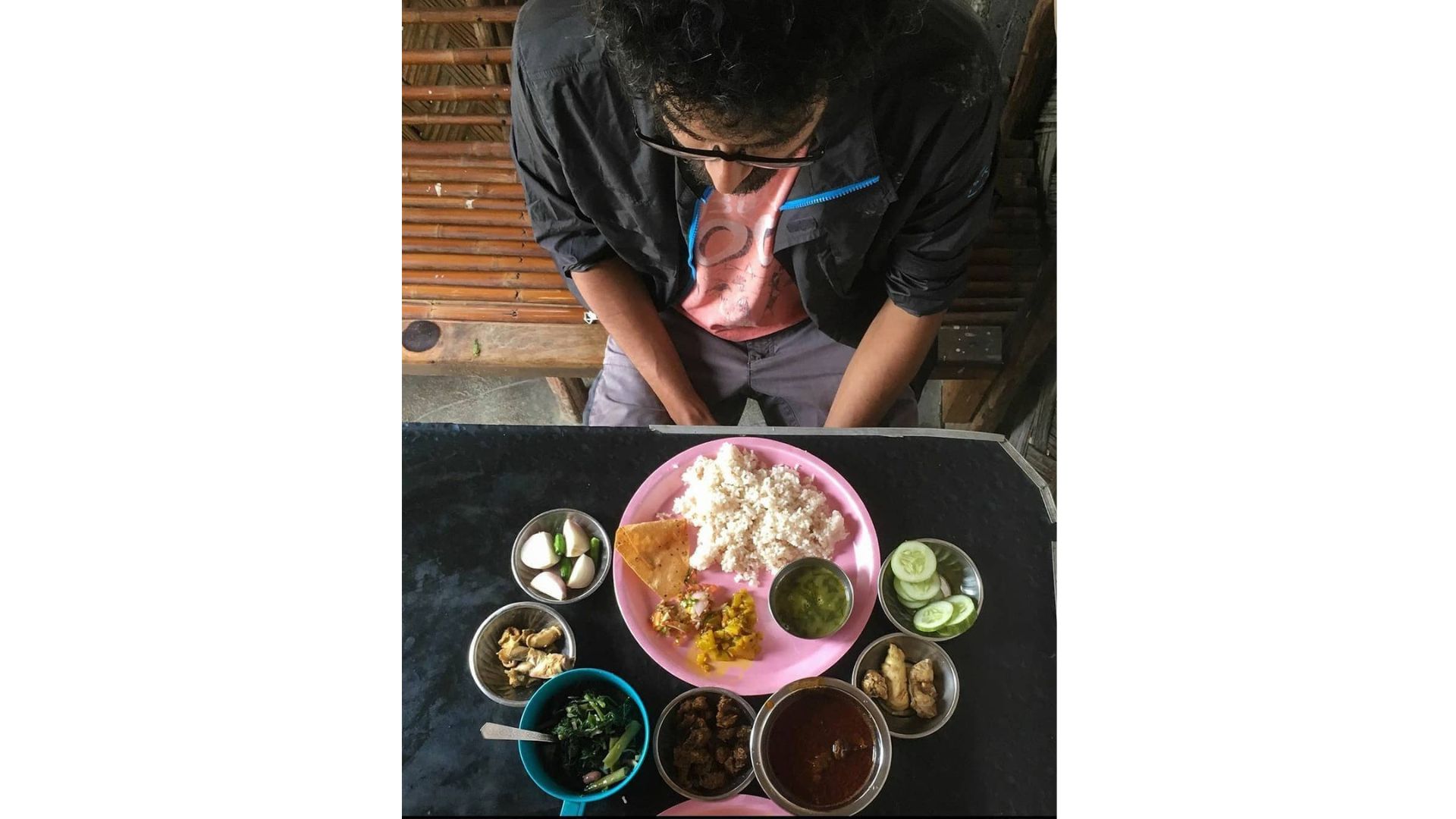
It often begins with something simple—a shared meal, served without ceremony, yet carrying the weight of an entire landscape. As you travel through Arunachal Pradesh, food quietly becomes one of your most insightful guides. What appears on your plate shifts with altitude, climate, and community: smoked meats and fermented bamboo shoots in colder regions speak of preservation and long winters, while river valleys offer fresher, more immediate flavors shaped by abundance. Anthropologist Sidney Mintz’s idea that food encodes culture and environment comes alive here—you are not just eating a dish, but encountering a way of life. A traveler once wrote, “every meal felt like a conversation with the land—smoky, earthy, কখনও unfamiliar, but always precise.” Each tribe—Adi, Nyishi, Apatani, Monpa, and many others—crafts its own culinary identity, defined as much by resourcefulness as by tradition. Over time, you begin to understand that in Arunachal, food is not just nourishment or even hospitality—it is geography made edible, a map you can taste rather than read.
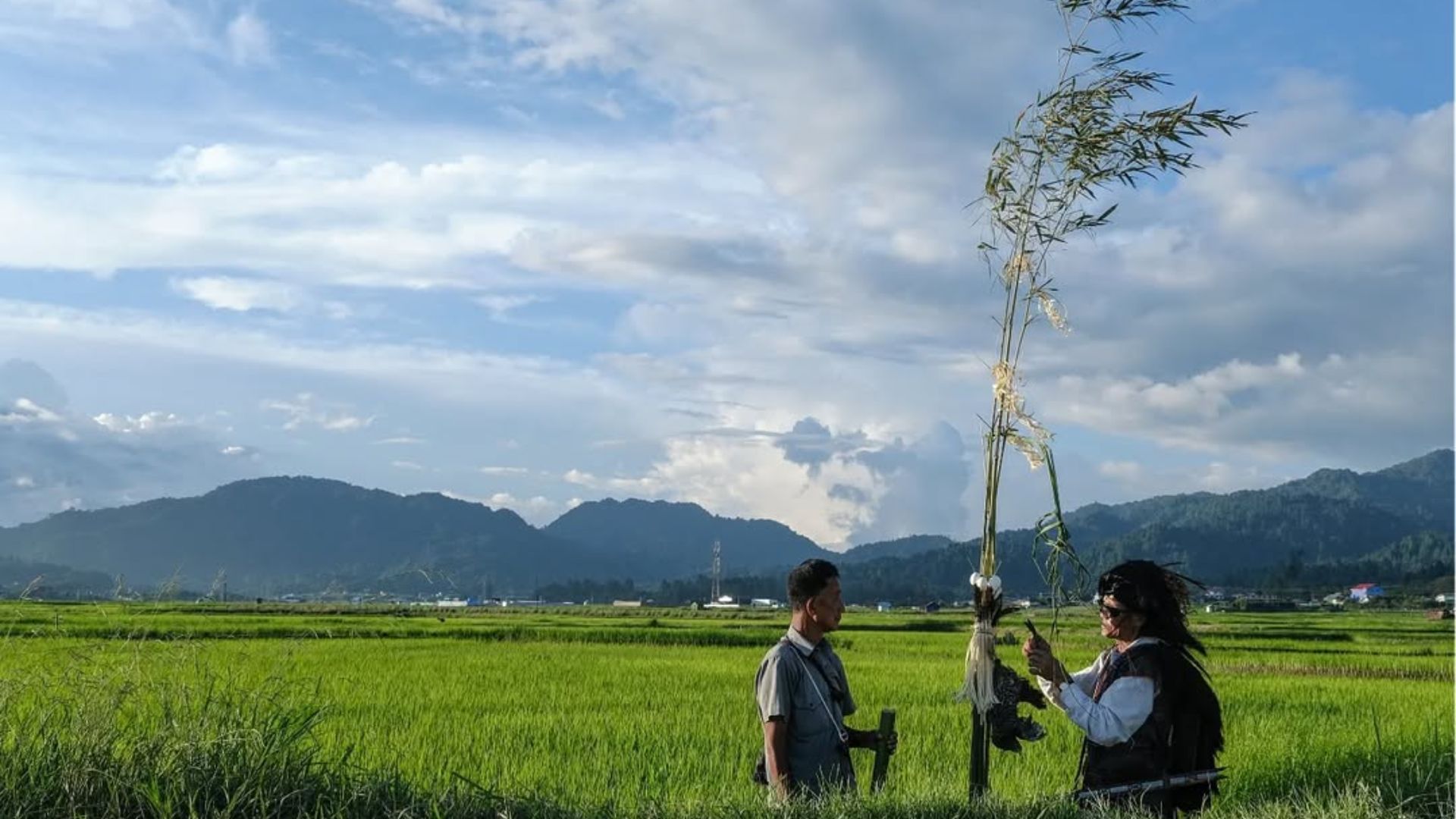
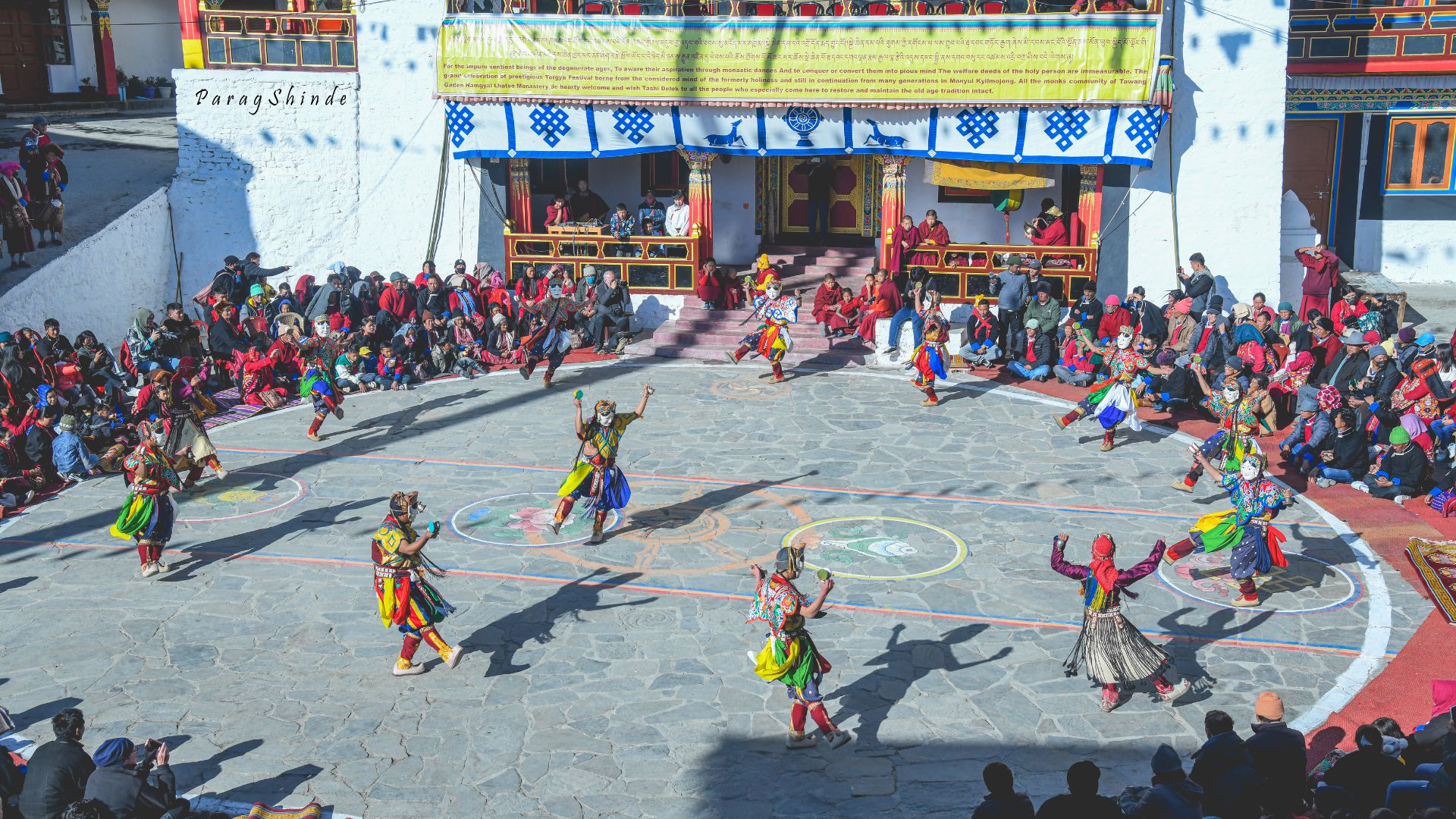
If you time your journey right, Arunachal Pradesh doesn’t just show you its culture—it draws you into its living rhythms. Festivals here are not staged events but deeply embedded in agricultural cycles, seasonal transitions, and spiritual life. Anthropologist Victor Turner’s idea of festivals as moments of intense community experience is especially relevant—these are times when daily routines give way to collective celebration and meaning. Losar (February–March) in Tawang and West Kameng marks the Tibetan New Year with monastery rituals and masked dances; Nyokum (February) of the Nyishi centers on harmony between humans and nature; Reh (February) among the Mishmi blends ritual with kinship gatherings; Dree (July) in the Ziro Valley reflects the Apatani relationship with agriculture and fertility; and Solung (September) among the Adi celebrates abundance after sowing. While the underlying themes—harvest, renewal, gratitude—remain consistent, each festival expresses them through distinct forms of dance, music, ritual, and storytelling.
Arunachal is an experience of plurality. A place where identities overlap, where borders soften, and where culture is not displayed but lived.For the traveler, this is not just a journey across landscapes—but across worlds. And perhaps, that is its greatest offering: the realization that boundaries are often illusions, and culture flows far more freely than maps suggest.