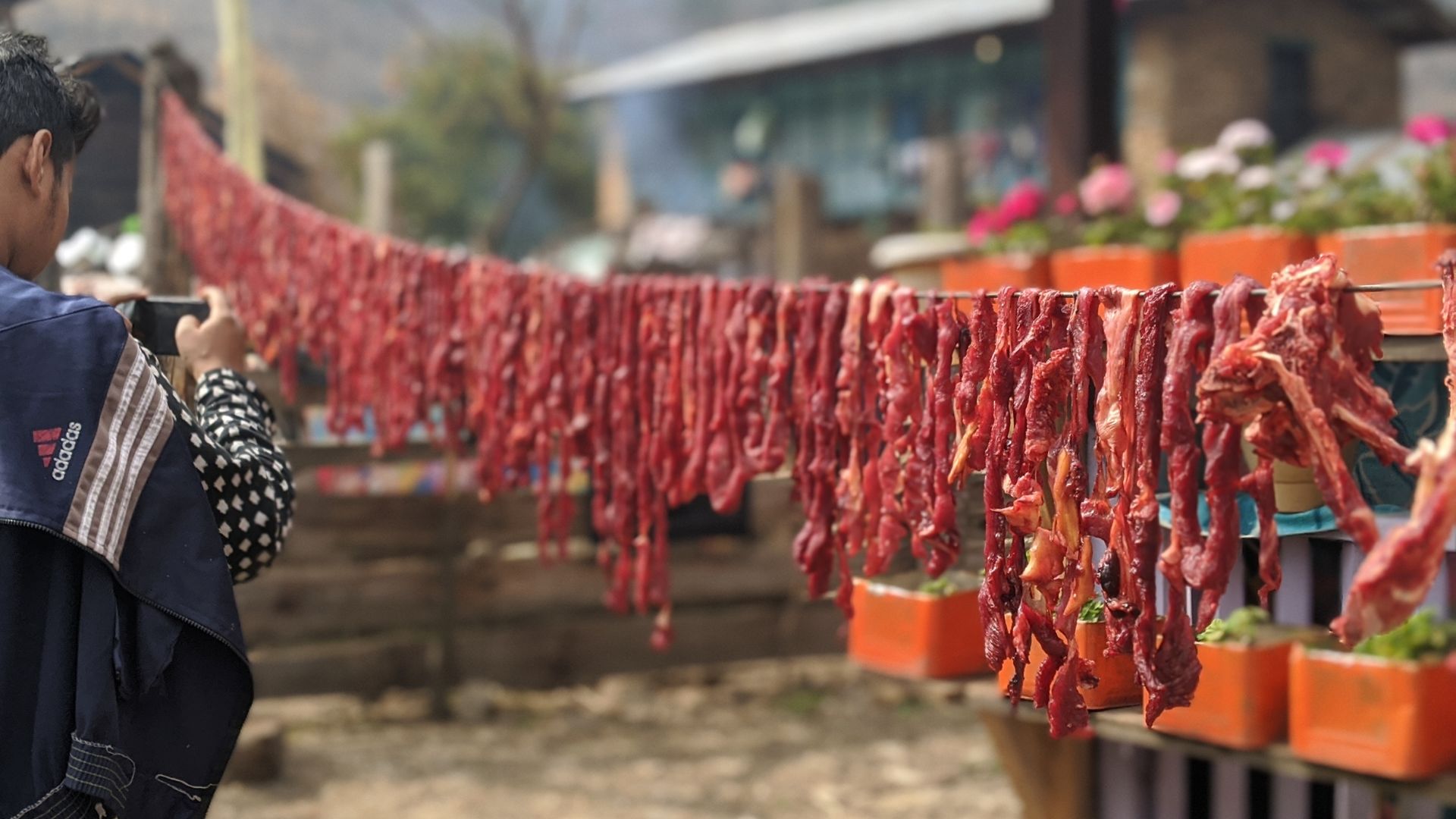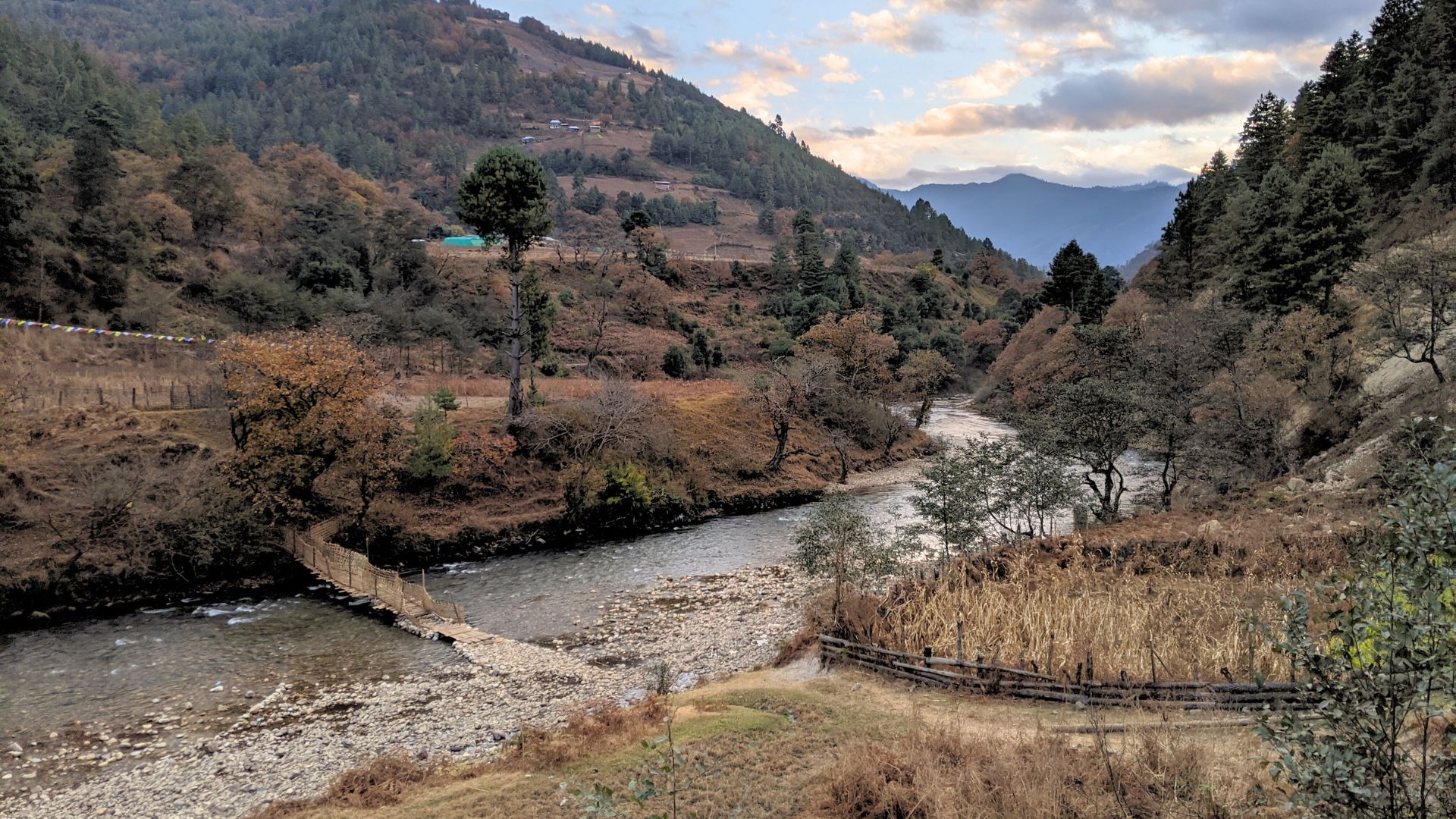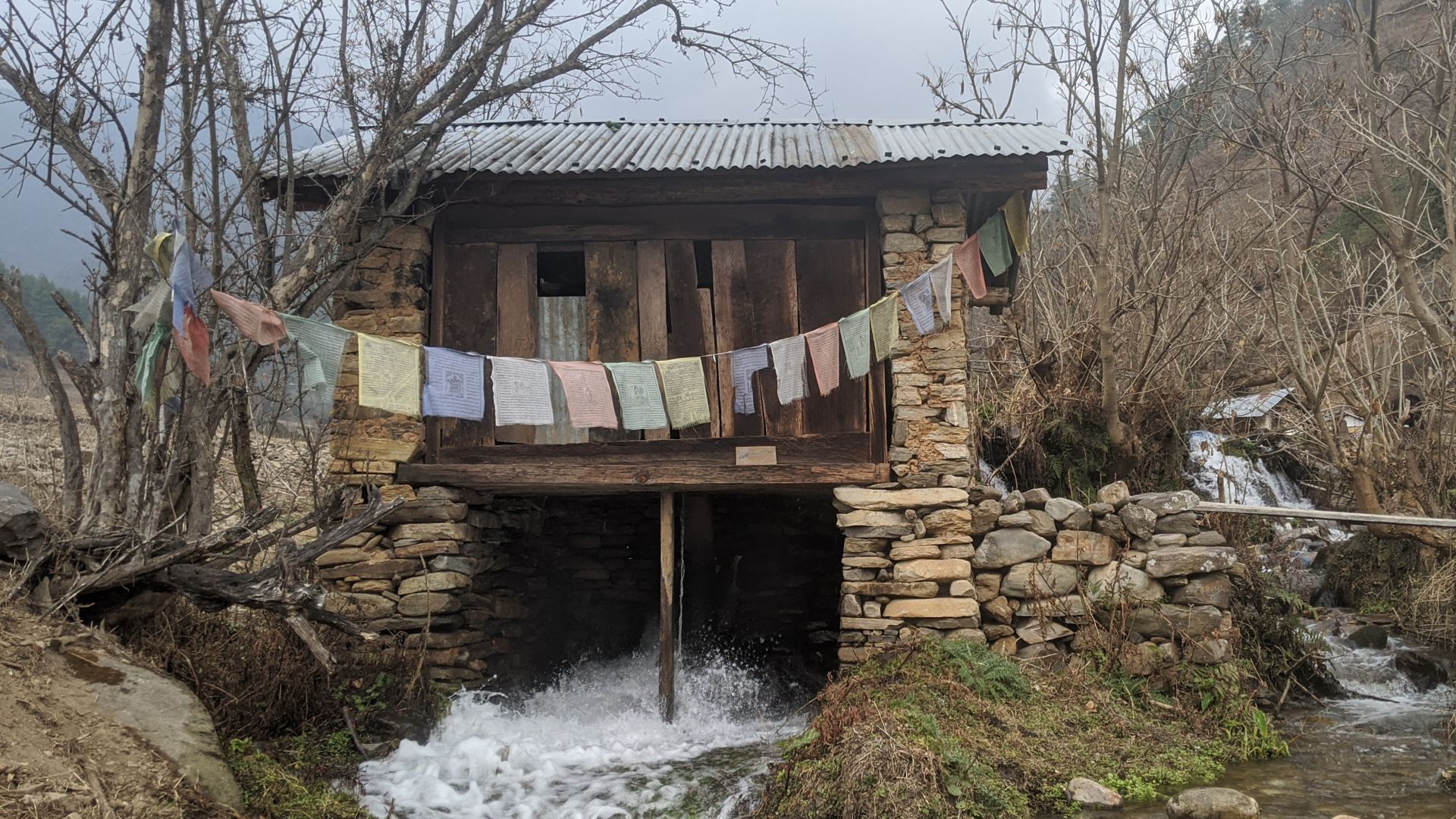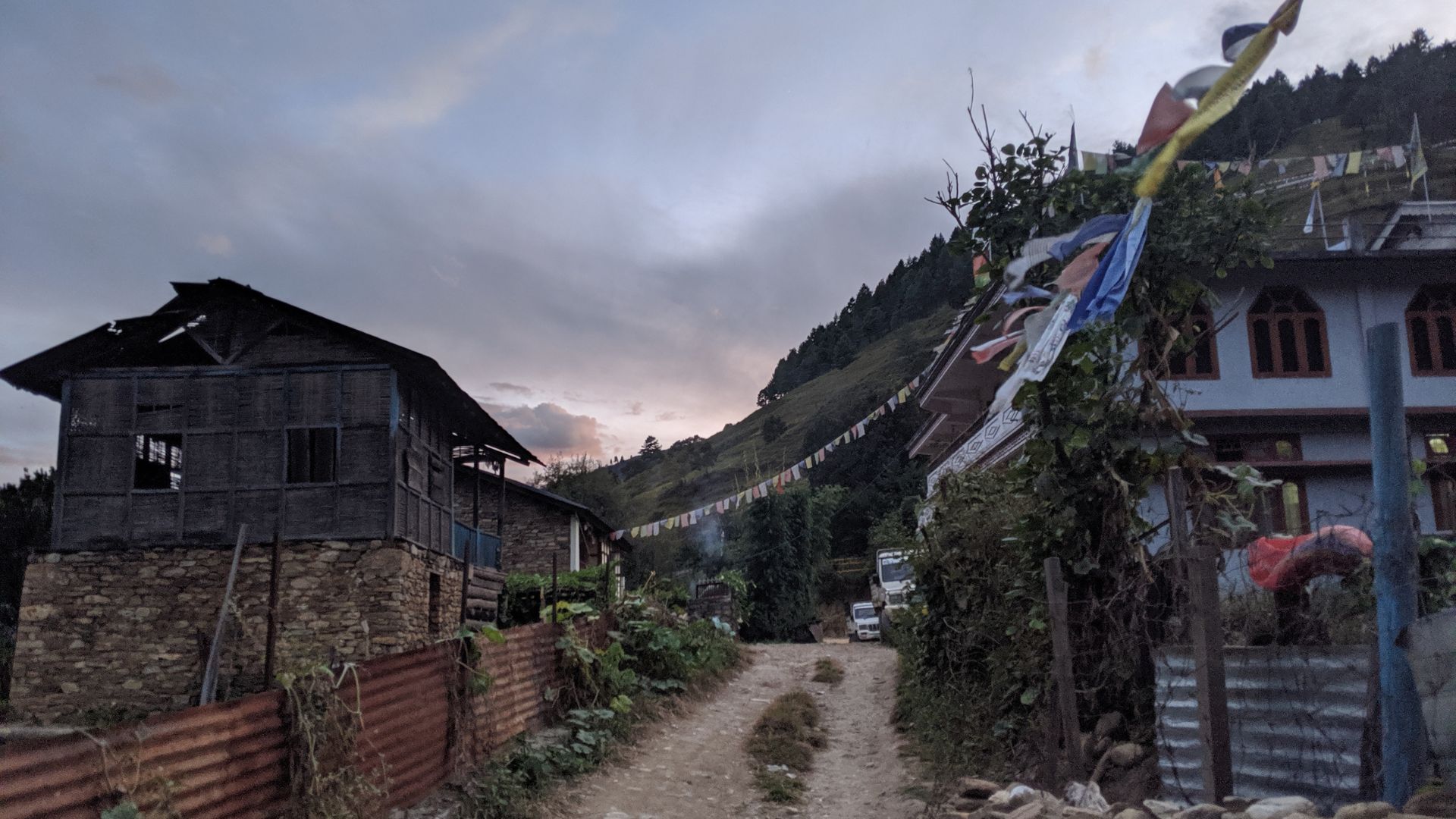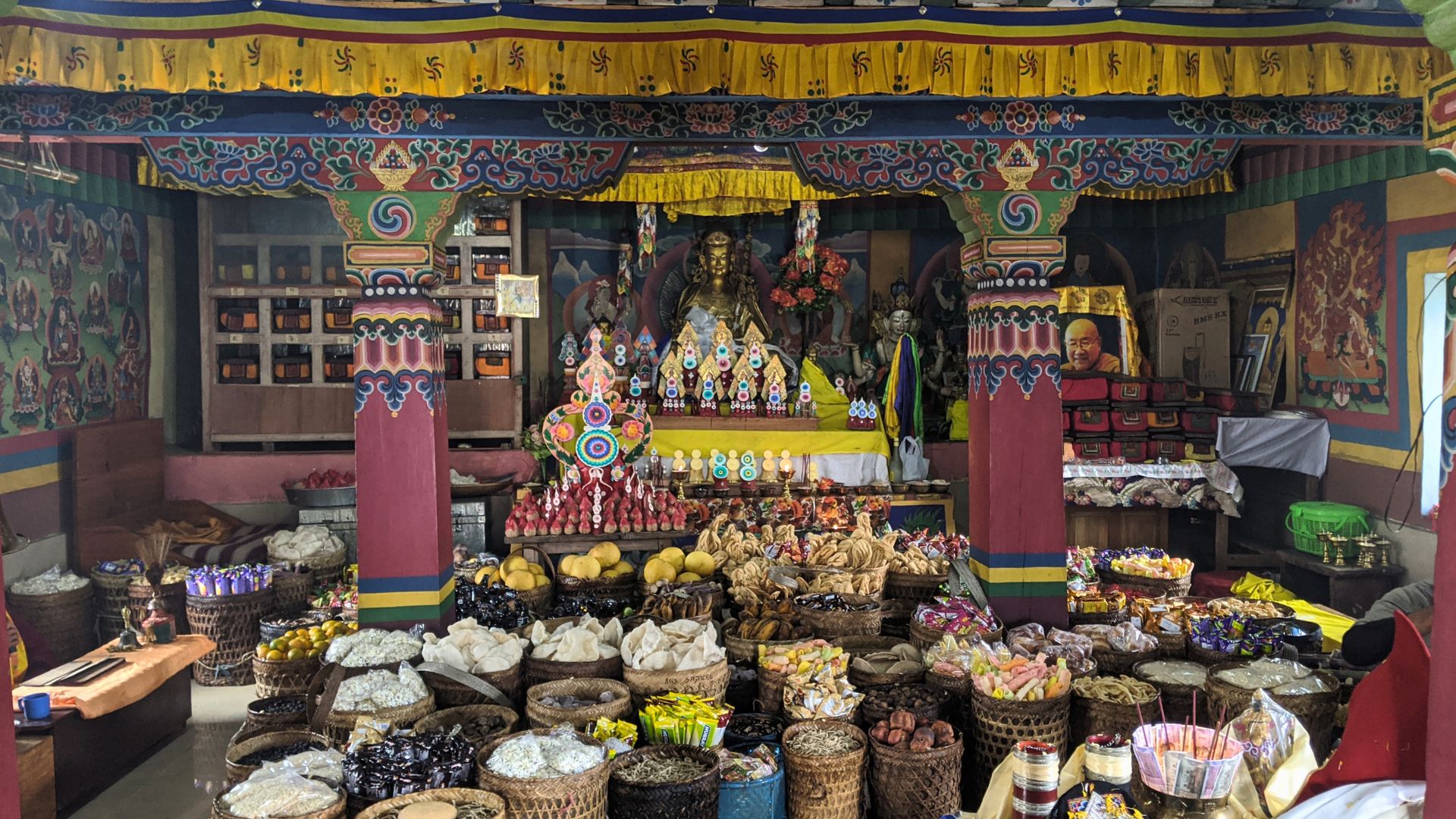
High in the quiet folds of Arunachal Pradesh lies Sangti Valley, a place where time slows, traditions breathe, and festivals are lived rather than performed. This journey invites you into the heart of Losar, the Monpa and the Tibetan New Year, as it unfolds naturally across village homes, open fields, monasteries, and mountain paths. In 2026, Losar marks the beginning of the Year of the Fire Horse, according to the lunar calendar, a cycle associated with energy, dynamism, strength, and a spirit of adventure that holds deep cultural significance for the Monpa community.
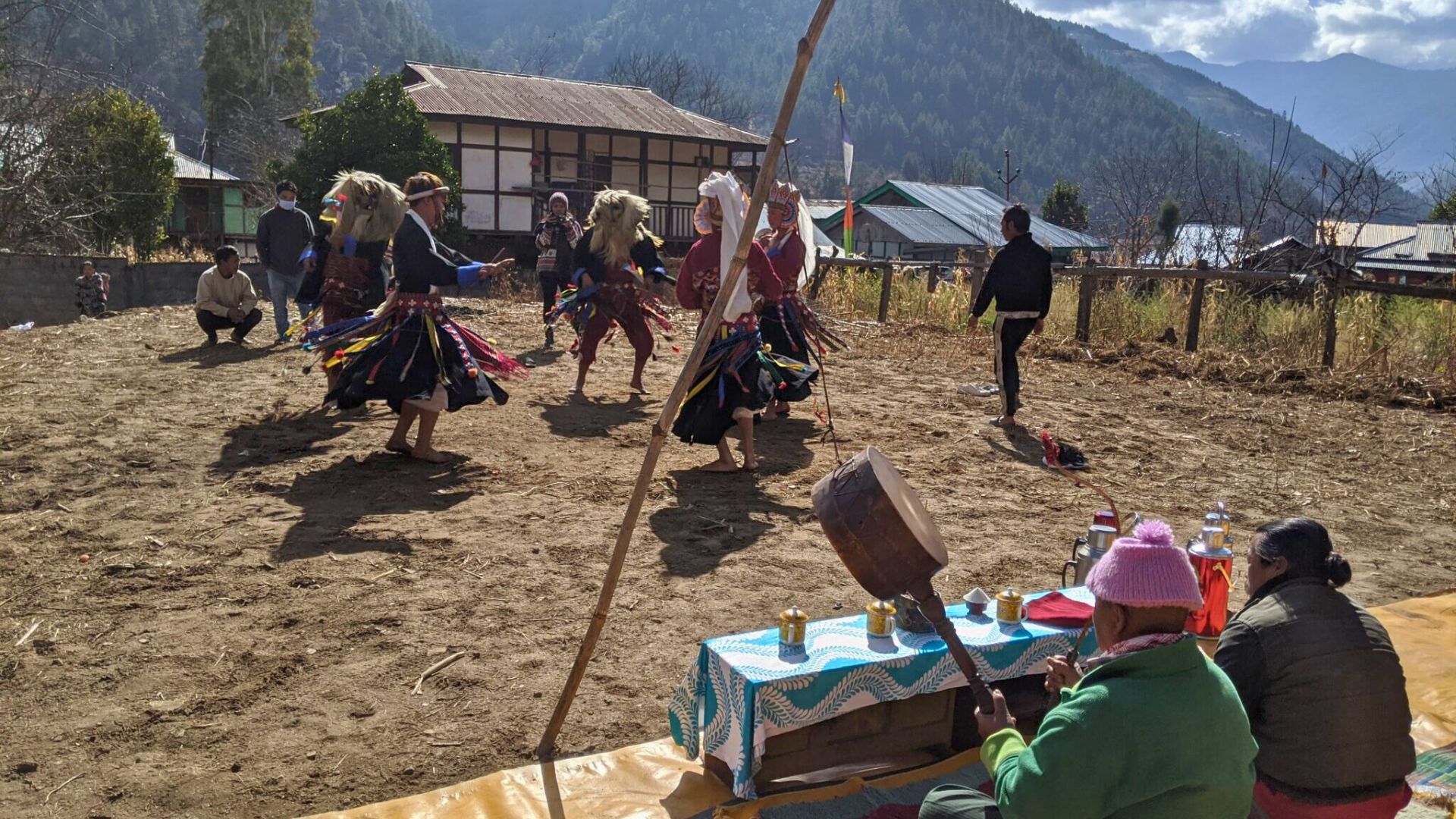
Over four carefully paced days, you journey from the plains of Guwahati into a Himalayan valley shaped by ritual, community, and seasonal rhythm. You wake to prayer filled mornings, walk alongside villagers during sacred ceremonies, and witness ancient dances whose meanings are carried through generations. Kitchens open their doors, stories flow easily, and meals are shared not as hosts and guests, but as people brought together by celebration.
This is not a festival viewed from the sidelines. It is an invitation to slow down and belong, even if briefly. From the rhythmic movements of the Ajilamu dance to the communal warmth of bonfires and song, every moment is rooted in authenticity.
Designed as a small group journey, this experience balances structure with flexibility, allowing Losar to guide the days as it always has. You return not just with memories, but with the quiet feeling of having been part of something deeply real.
The experience begins in Guwahati. Guwahati is well connected by flights and trains from major Indian cities. Detailed pickup and meeting point information will be shared closer to departure.
You will stay in clean and comfortable local stays that reflect the character of the valley. Rooms are simple, warm, and thoughtfully hosted, offering a genuine village experience rather than luxury facilities.
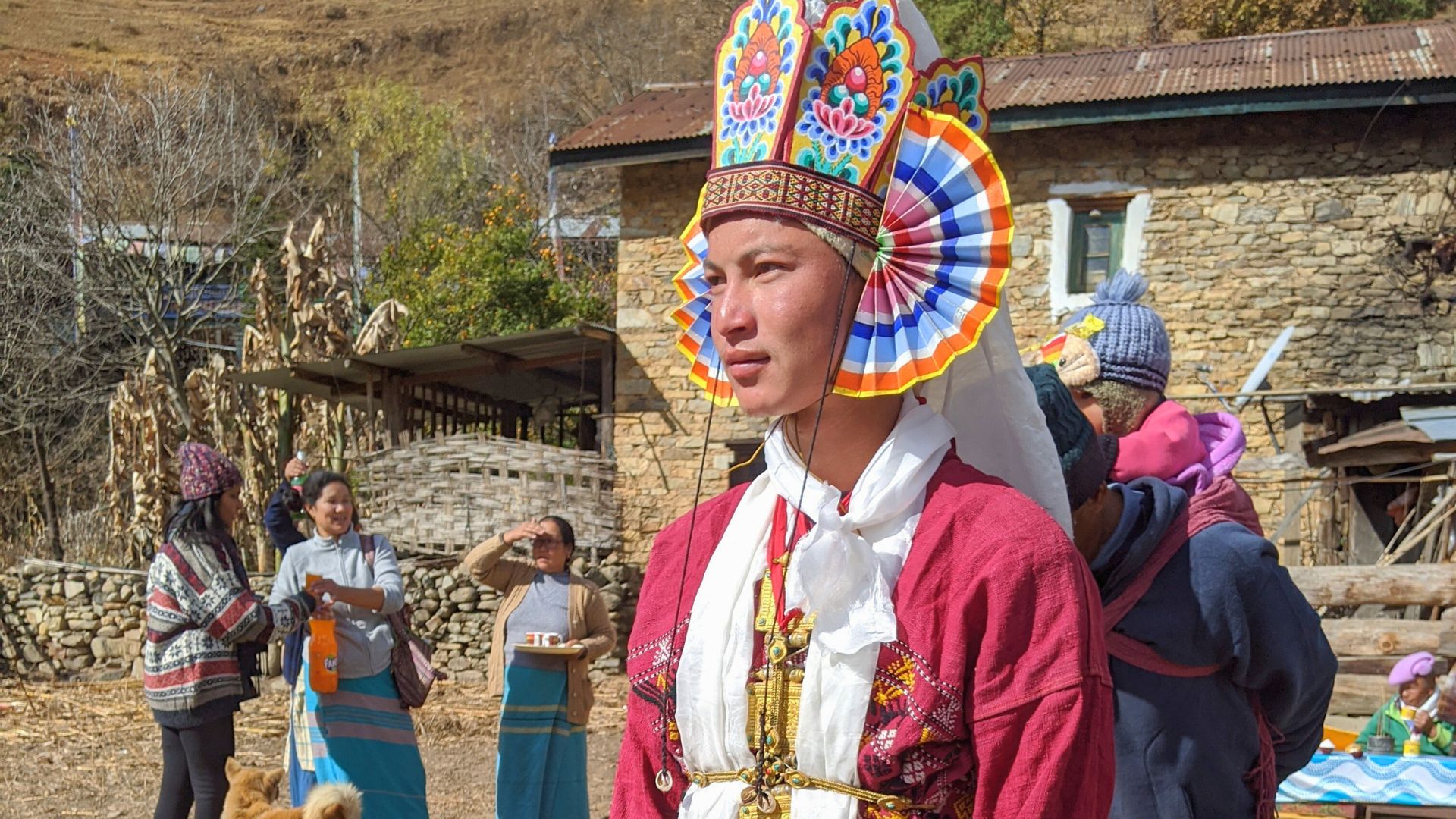
The journey coincides with local Monpa festival and rituals of Losar festival. The festival marks the beginning of the new Buddhist year, including Ramney ceremonies, Ajilamu dance, village games, and community celebrations. These are living traditions, not performances created for visitors.
Yes, absolutely. The cost will be reduced if you choose to use your own mode of transportation.
This is a gentle and immersive journey suitable for travelers with a basic level of fitness. Activities include short village walks, a thirty minute uphill walk during the Ramnay ceremony, and optional forest walks. There are no strenuous treks.
This experience is best suited for adults and older teenagers who are curious about culture and comfortable with rural settings. It may not be ideal for very young children or travelers with mobility challenges.
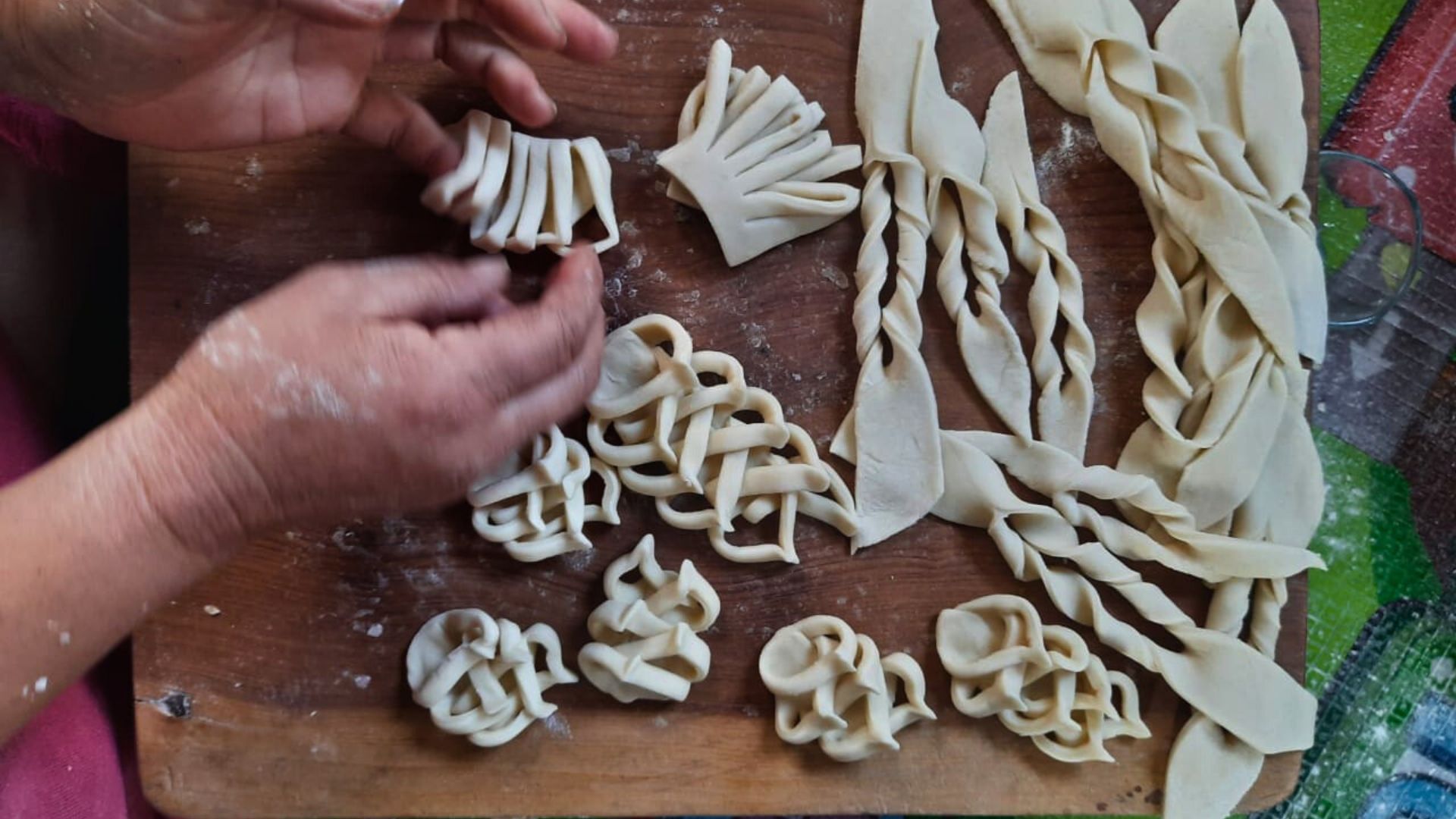
Meals are freshly prepared and largely local, featuring Monpa cuisine, simple Himalayan dishes, momos, noodles, rice based meals, and festive home cooked lunches. Vegetarian options are available on request.
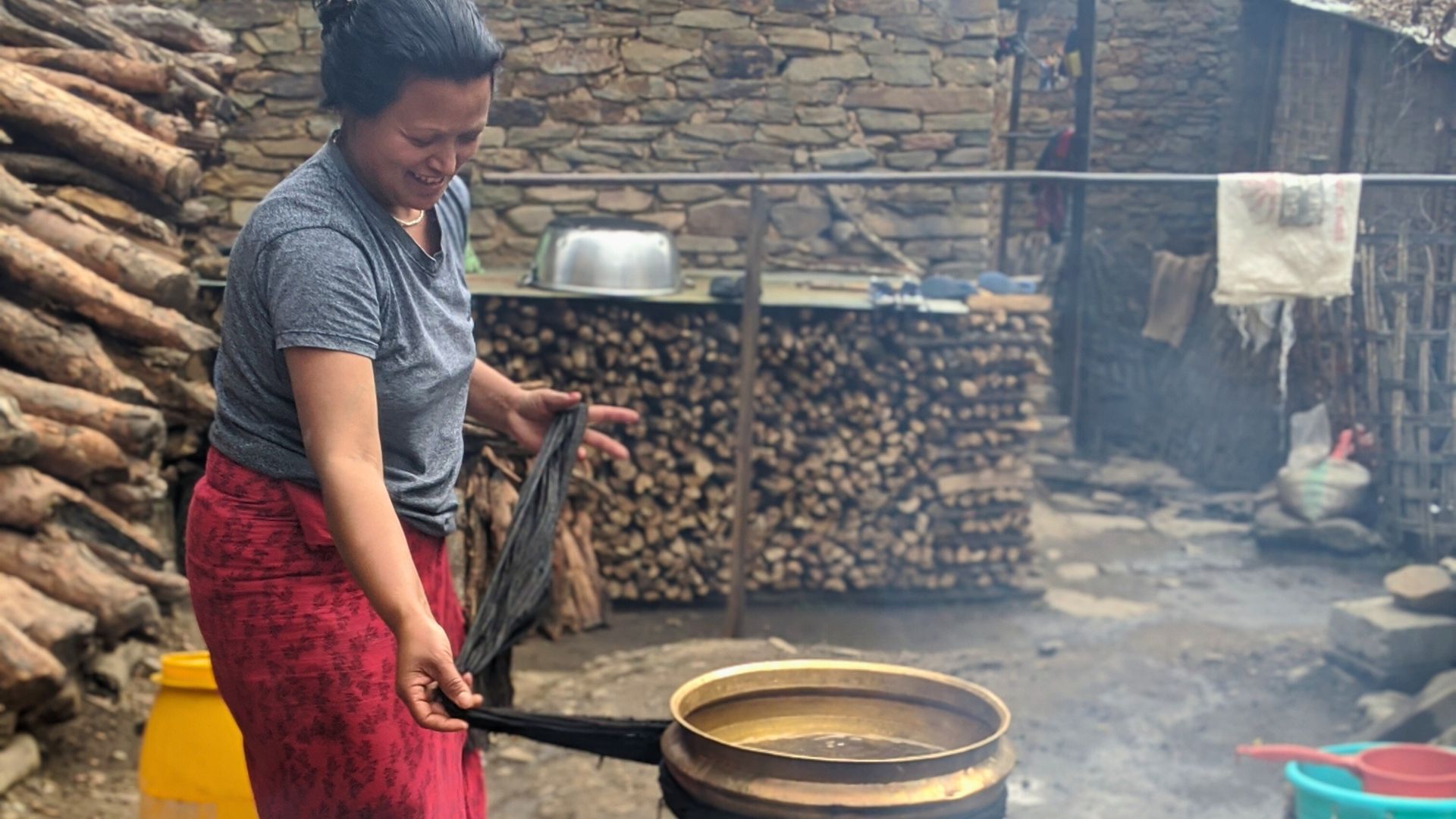
This experience encourages gentle participation. You will take part in community walks, flag printing, paper making, cooking workshops, and festival rituals, always with respect and guidance from local hosts.
However, some local activities like board games can be slightly complex and participation is not guaranteed during an ongoing game in the festival.
Warm layered clothing, comfortable walking shoes, a light jacket, personal medicines, reusable water bottles, and a small day pack are recommended. Festival days involve outdoor activities, so sun protection is also useful.
Daytime temperatures are generally cool and pleasant, while evenings and nights can be cold. Weather in the mountains can change quickly, so layered clothing is essential.
Connectivity is limited in Sangti Valley. Expect patchy mobile network and very little internet access. This journey offers a natural digital detox.
Yes. This is designed as a small group journey to ensure meaningful interactions with the community and minimal impact on village life.
Festival rituals follow local calendars and community rhythms. While the overall experience remains intact, specific timings and sequences may shift slightly based on village customs and weather conditions.