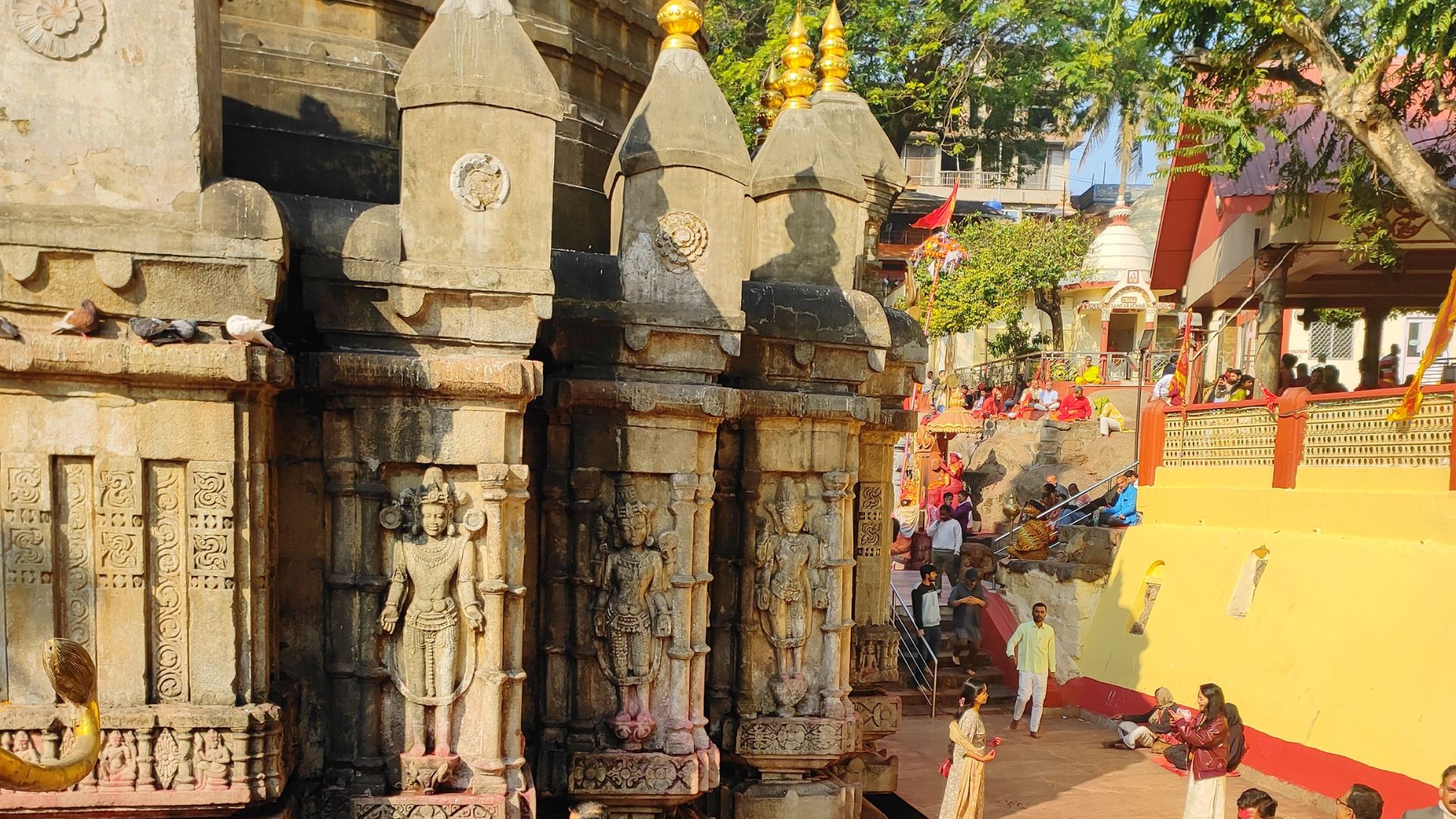
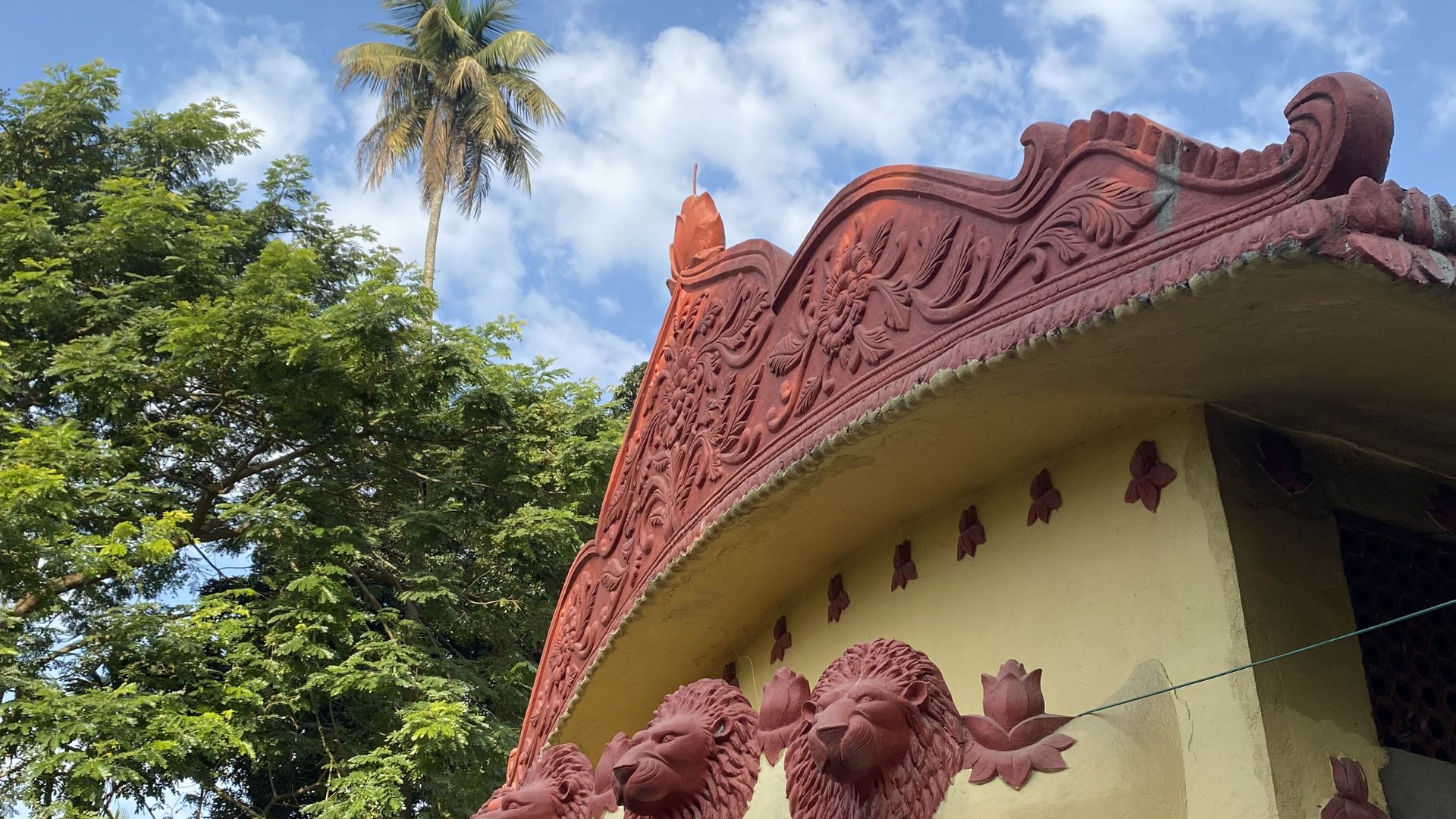
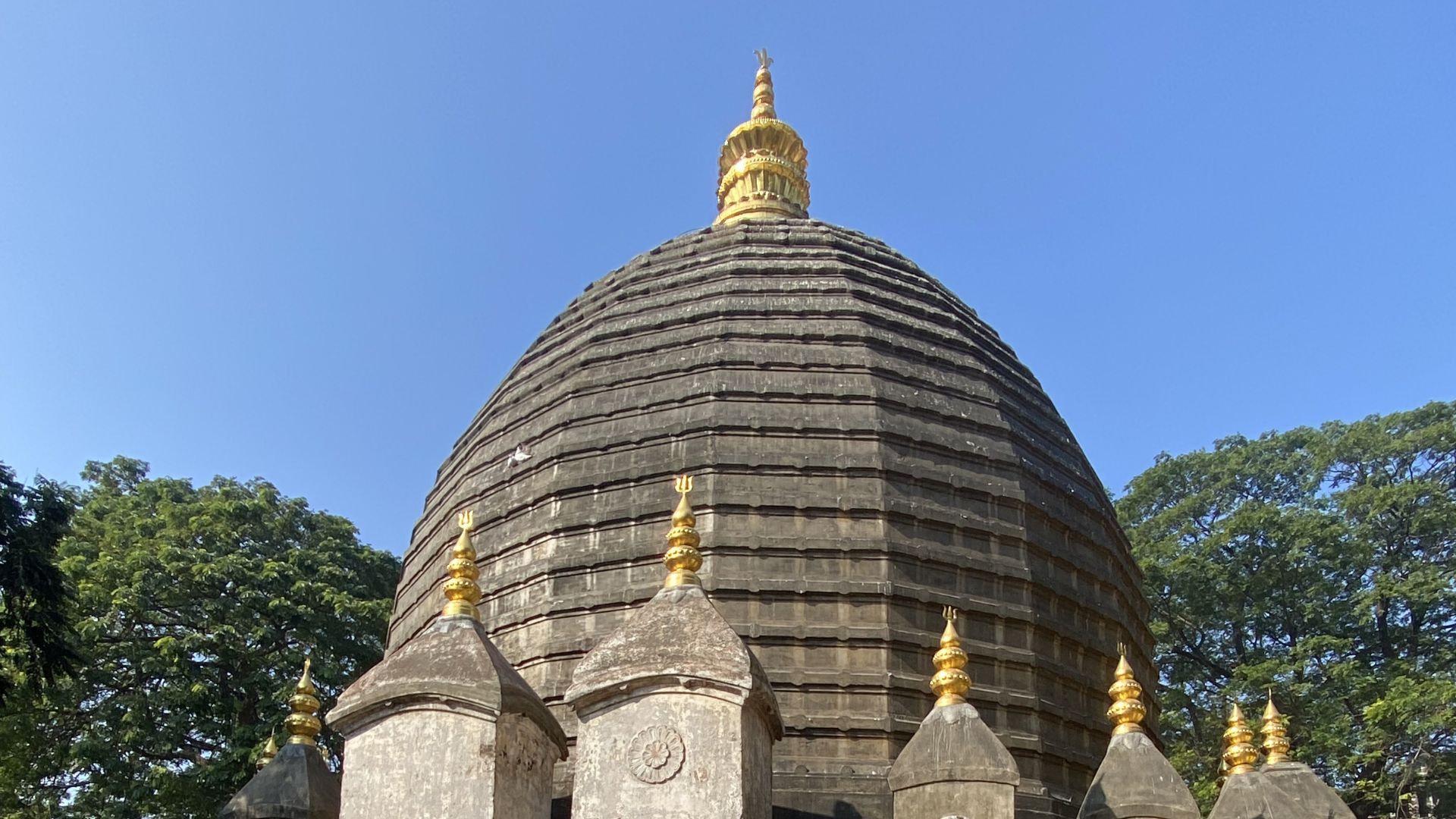
Perched atop the Nilachal Hills, the sacred shrine of Kamakhya Temple has drawn seekers, pilgrims, and travellers to ancient Pragjyotishpur, present-day Guwahati for centuries. Revered as one of the most powerful Shaktipeethas, Kamakhya is not only central to Hindu worship but also deeply significant in Tantric traditions. Yet, the temple is only the beginning.
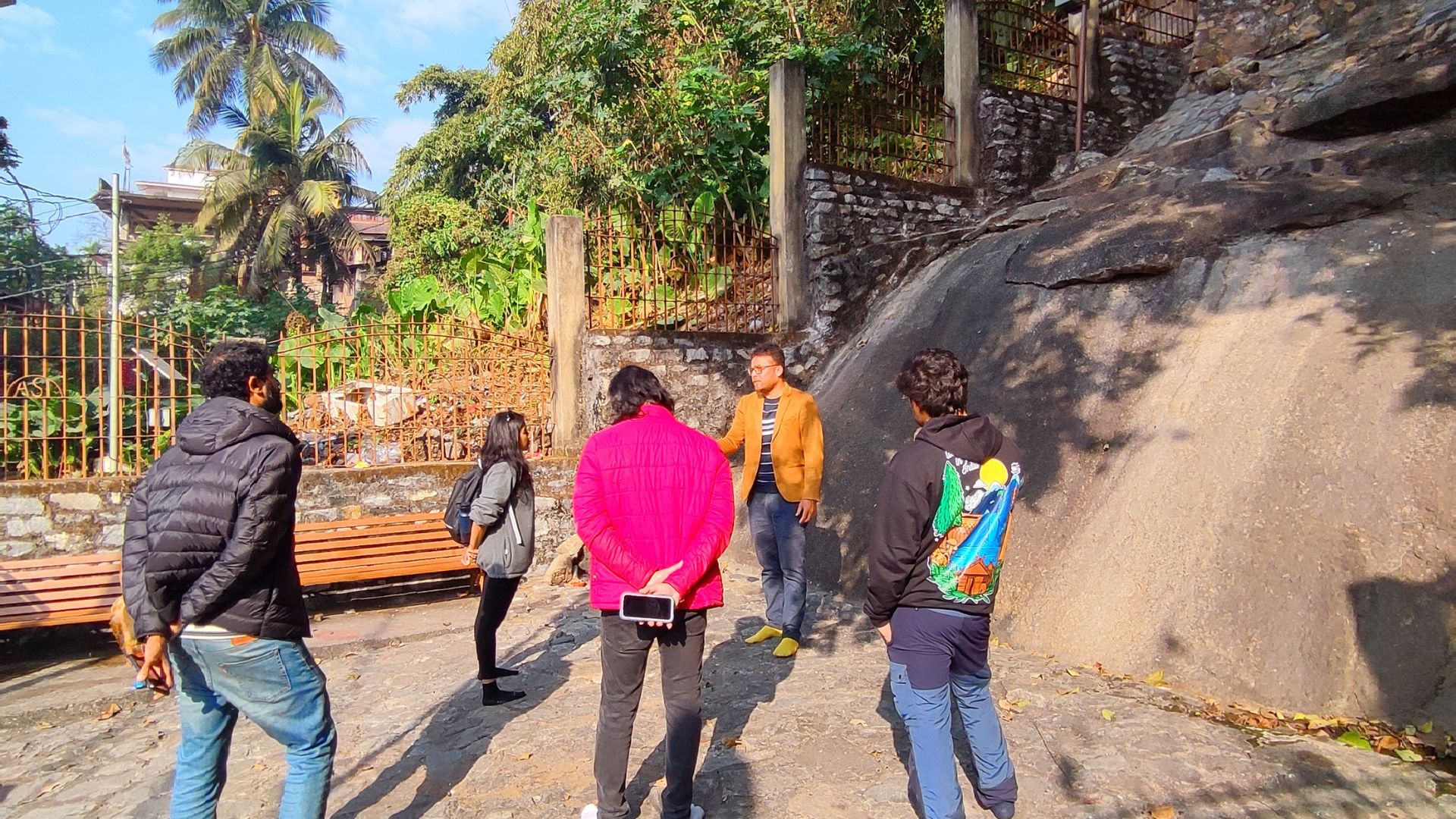
Beyond its main sanctum lies an expansive landscape of stories etched into stone, scattered across the Nilachal Hills. This guided heritage walk, led by a local historian and heritage expert, invites you to explore the layered past of the hill, where dynasties rose and fell, sects intersected, and Nilachal architecture evolved alongside belief.
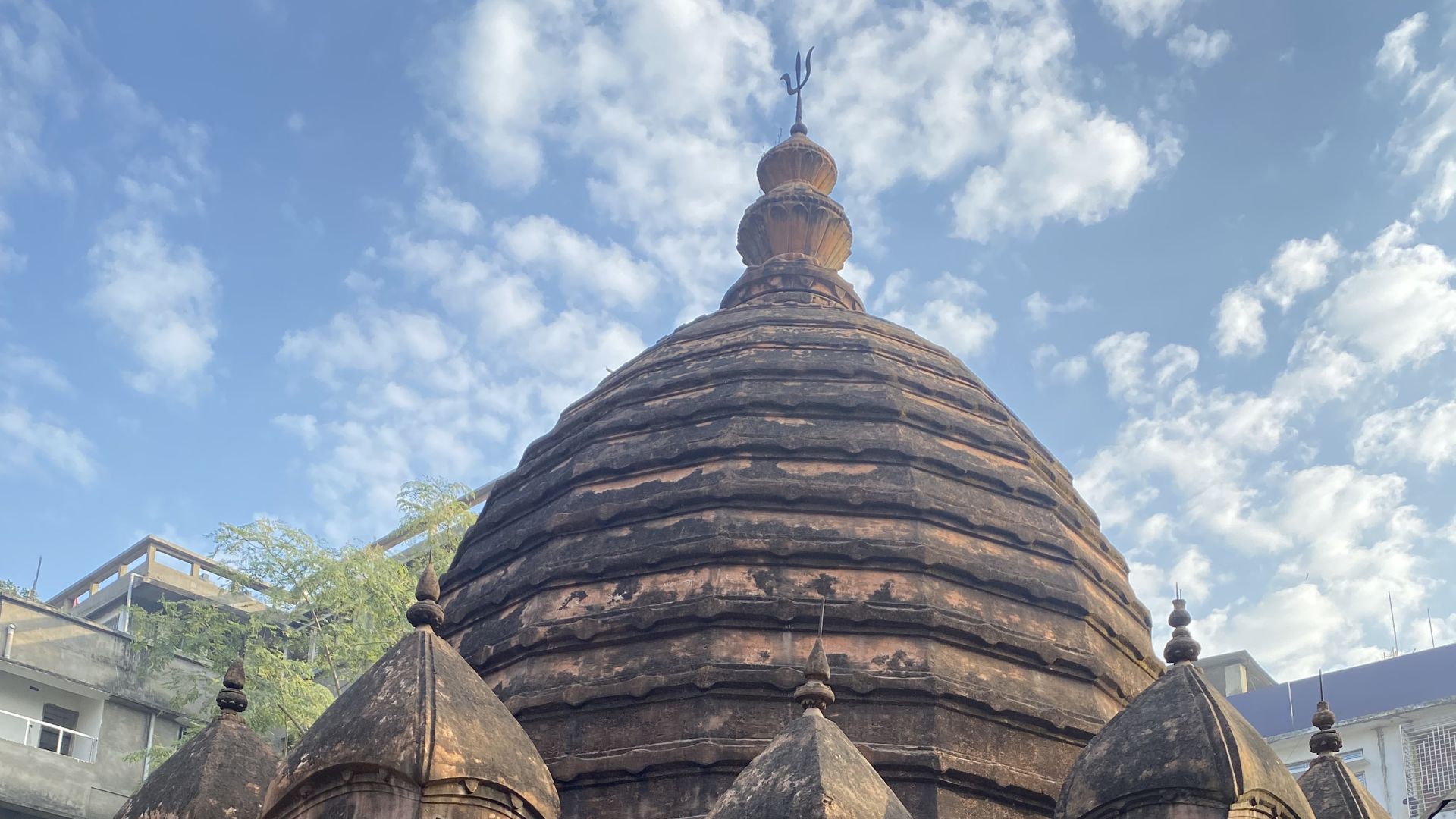
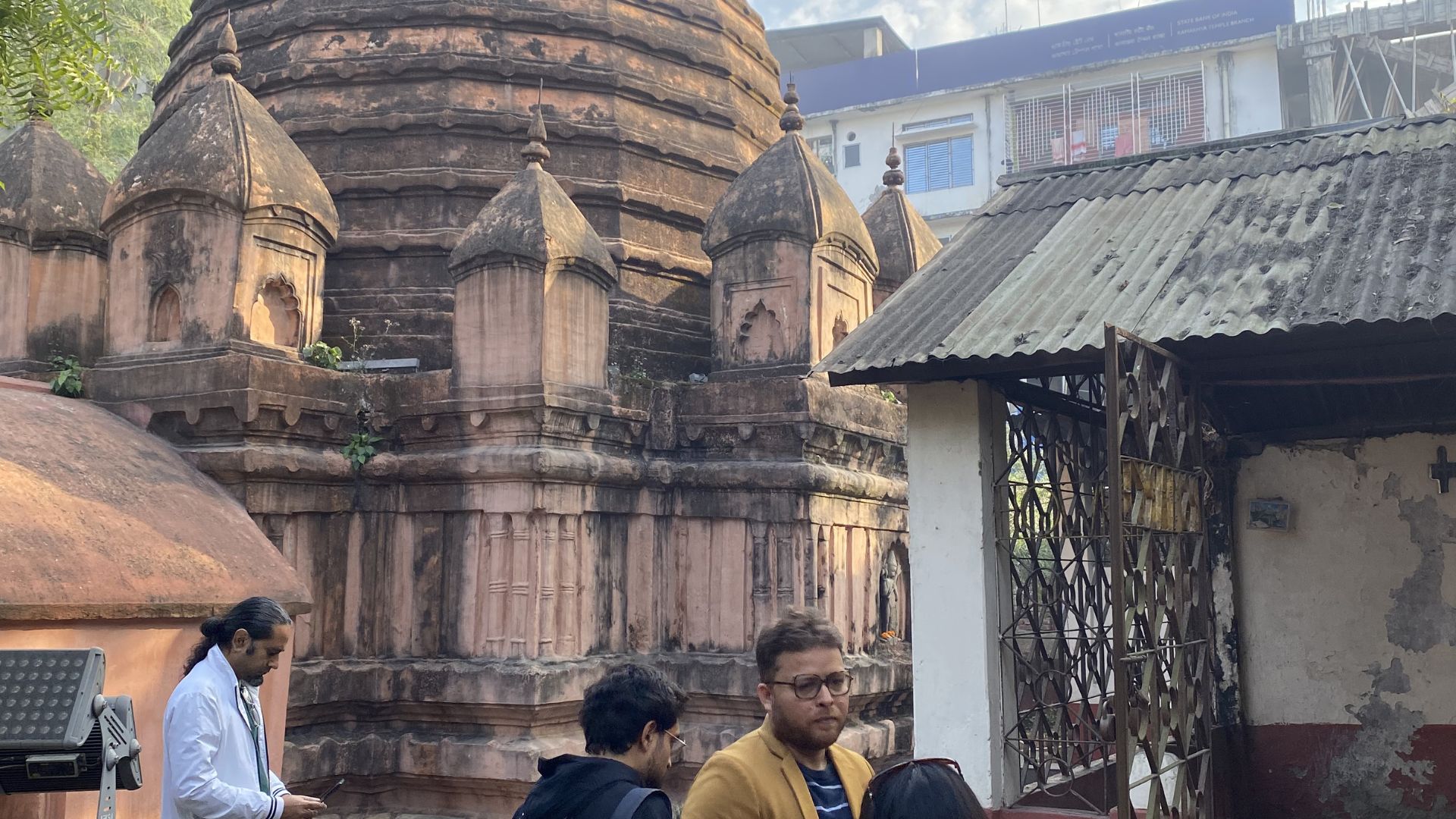
As you move through a constellation of shrines dedicated to Devi and Shiva, including Tara Devi Temple, Bhairavi Temple, Siddheshwar Temple, Kameshwara Temple, Dhumavati Temple and Kamkahya Temple, subtle shifts in architecture, iconography, and ritual practice begin to reveal themselves. Each temple stands as a quiet testament to changing eras, echoing stories of time that align with the insights shared by your expert guide.
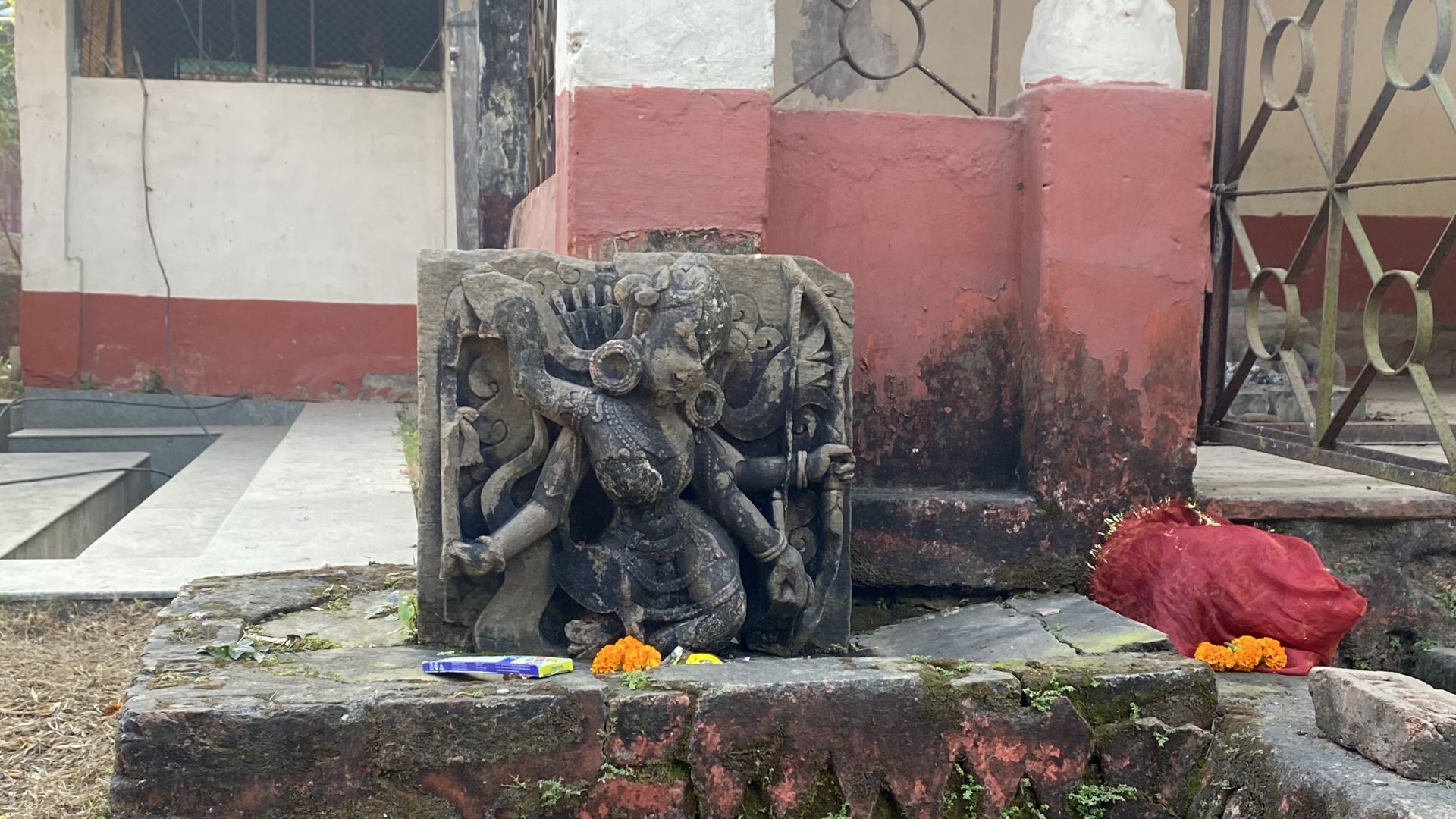
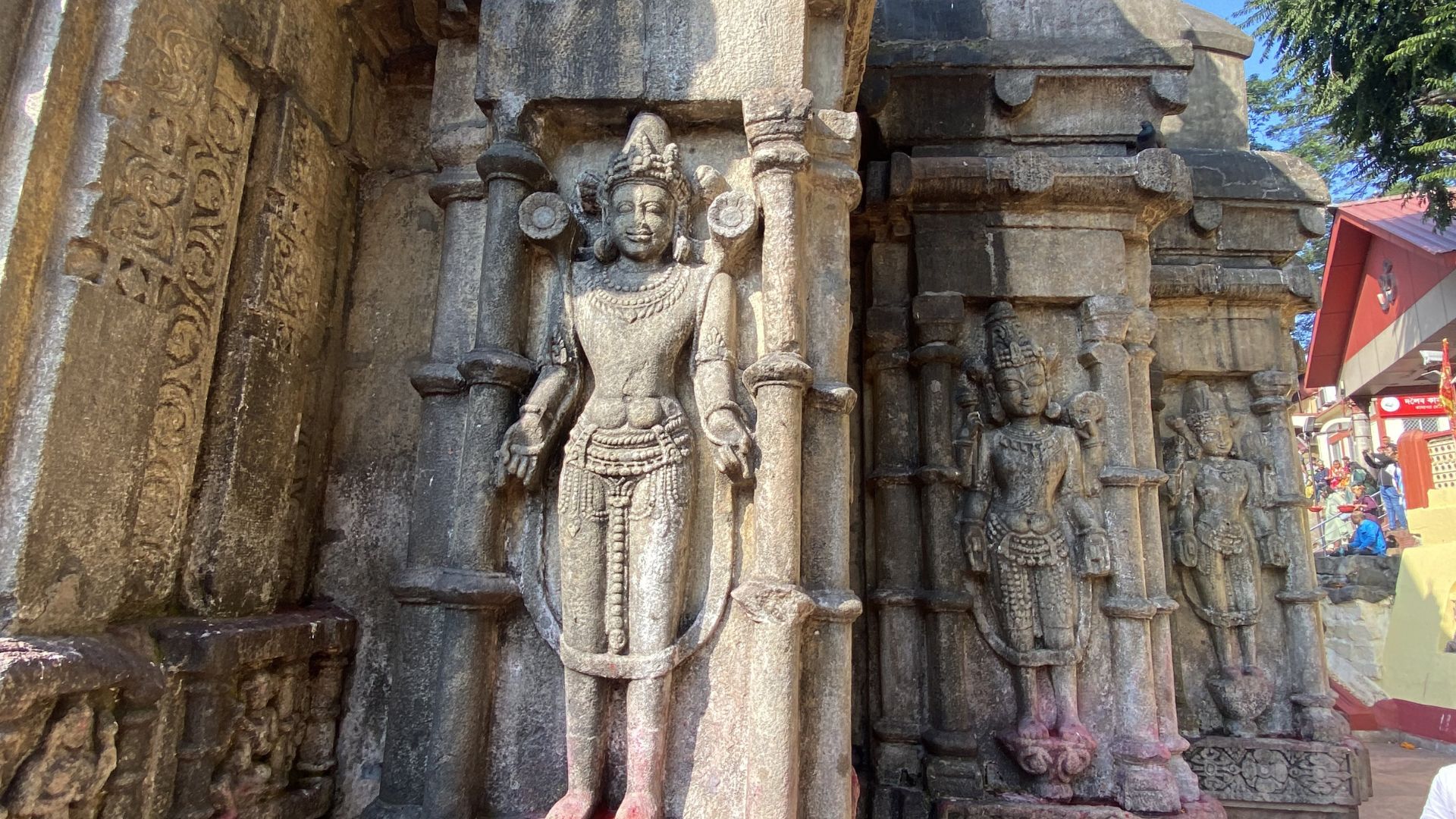
Ruins believed to date back centuries, sculpted motifs, temple ponds, and carvings over weathered stones quietly reveal the layered past of the Nilachal Hills. As you continue along its winding paths, the landscape begins to unfold as more than a Shakti centre. Subtle carvings, iconographic overlaps, and architectural nuances point to the confluence of multiple religions and sects, from traces of Jainism and Buddhism to the lesser-discussed Balram cult that once found resonance in the region.
These influences are not always overt, but they surface in sculptural styles, symbolic motifs, and shifts in ritual practice. Together, they reflect a sacred geography shaped not by a single belief system, but by centuries of dialogue between faiths, sects, and evolving modes of worship.
From the Varman influences to the imprint of the Ahom rulers, the Nilachal Hills stand as a living archive of Assam’s political and spiritual evolution. The walk thoughtfully bridges documented history with oral legends, inviting conversations around myth, memory, and material evidence.
The walk encourages you to see Kamakhya Temple as more than a Shaktipeetha and as a living archive of Assam’s rich history, culture, and belief systems.
The stories, evidence, and insights shared along the way challenge long-held assumptions and open up new ways of understanding the hill.
This is not merely a temple visit or your regular heritage walk! It is an immersive exploration of how time shaped faith, power, architecture, and religion converge on one sacred hill. Whether you are a first-time visitor or someone who has grown up hearing its stories, this walk offers a renewed lens to experience Nilachal, beyond the known enigma.
6:30 AM – 7 AM: Arrival at the Kamakhya Shaktipeetha parking area. Meet your expert guide and receive a briefing about the heritage walk to follow.*The experience can begin at 6 am during summers.
7 AM – 9:30 AM: Begin your heritage walk from the Mekhala Ujwala Path leading to visiting temples, pukhris (ponds) and other sites of significance on the Nilachal hill.
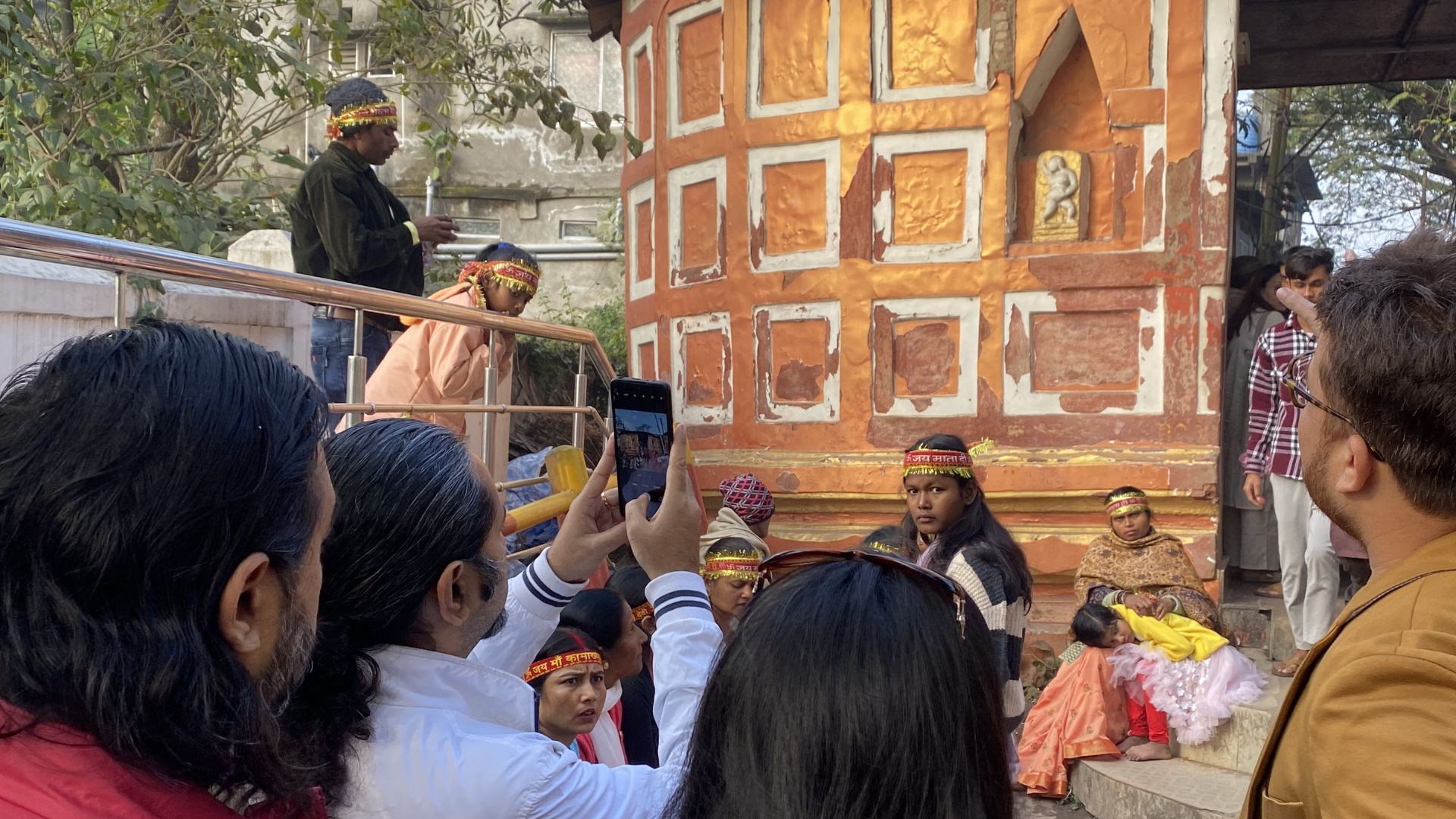
Note – The walk will have sections with steps and walking through certain sections with a crowded area. Depending on the pace and flow, the walk can extend a bit more than two hours as well.
9:30 AM – 10.30 AM : Head for a light morning snack with tea at one of the local stalls.
10.30 AM onward: Departure, or if you wish head to Kamakhaya Temple for darshan.
The walk starts at the parking area of Kamakhya Temple. Please arrive 15 minutes prior. Start time is 6:00 AM in summer and 7:00 AM in winter.
No. The walk is designed for both beginners and enthusiasts. Prior reading can enrich discussions but is not required.
The experience is best suited for adults. The themes and discussions around history, architecture, and religion may be advanced for young children.
No. The experience includes a guided heritage walk within the temple premises but does not cover entry into the sanctum for darshan. You may choose to proceed for darshan independently after the walk.
It is an easy-grade walk with some gradual steps and mild inclines. Certain sections may be crowded. Suitable for senior citizens with basic mobility.
Comfortable walking attire appropriate to the season is apt. As this includes temple visits, modest clothing is recommended.
Photography is permitted in open areas. It is not allowed inside temple sanctums.
Yes, public washrooms are available near the temple premises.
The walk operates year-round. Monsoon months require rain protection. The experience remains closed during the Ambubachi Mela.
There are simple local eateries serving breakfast items like puri-sabji, samosa, and chai. Facilities are basic.
Located in Guwahati, the temple is accessible by local transport, taxis, or app-based cabs. It is approximately a 30-minute drive from the city centre.