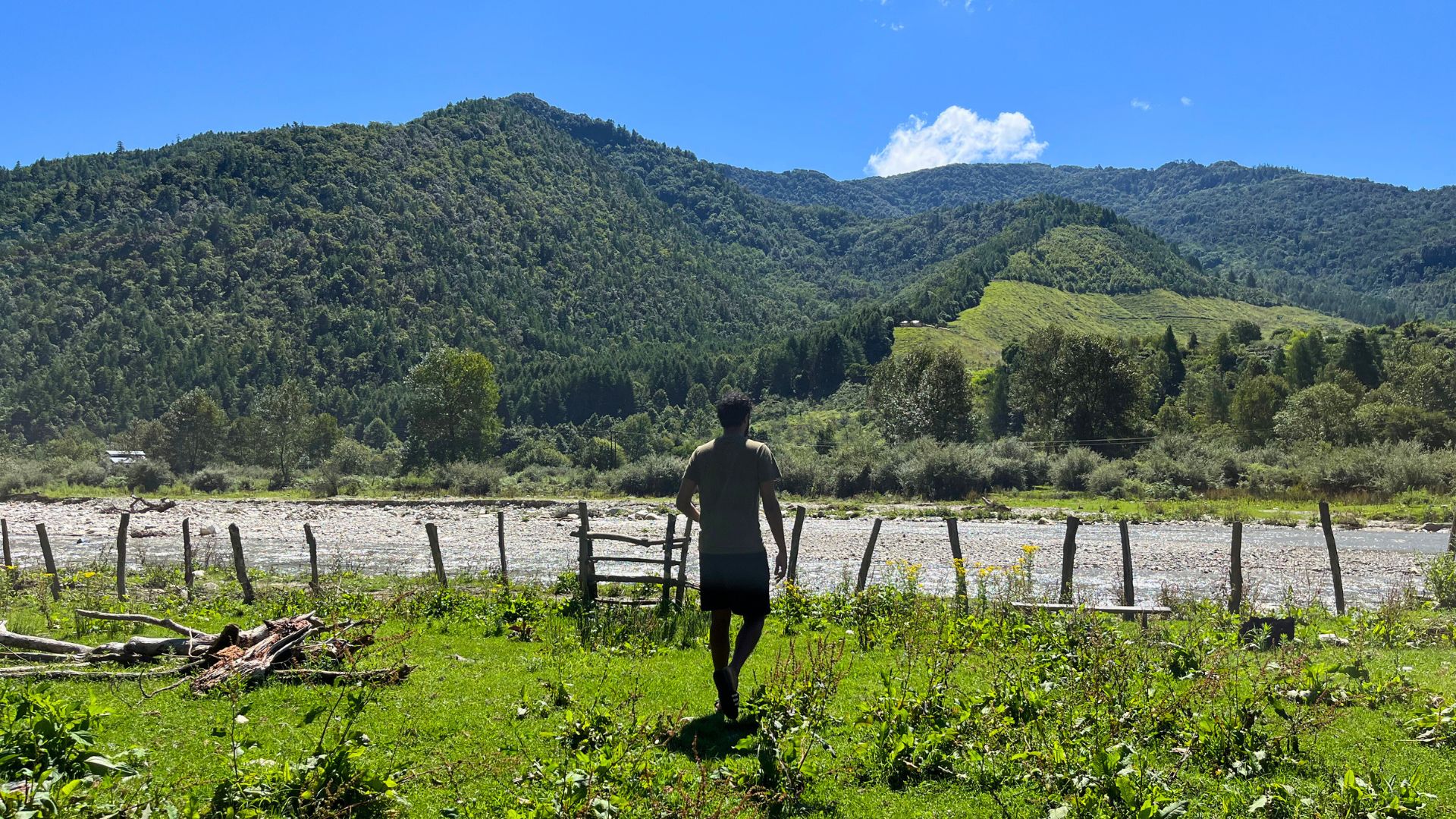
There is a brief window in the Eastern Himalayas when the mountains begin to shift. Winter loosens its hold, but does not disappear entirely. Snow still crowns the high passes, rivers begin to swell with meltwater, and valleys turn greener by the day. In Western Arunachal Pradesh, spring and early summer are not about absence of snow, but about contrast. White ridgelines above, fresh growth below, and movement returning to the land.
This chapter is set in that season of transition.
Western Arunachal lies along India’s far eastern frontier, shaped over centuries by trade routes, migration, faith, and geography. Long before modern borders, these valleys connected Tibet, Bhutan, and the plains below. Even today, history feels close here, carried quietly in monasteries, village paths, and everyday rituals rather than written records.
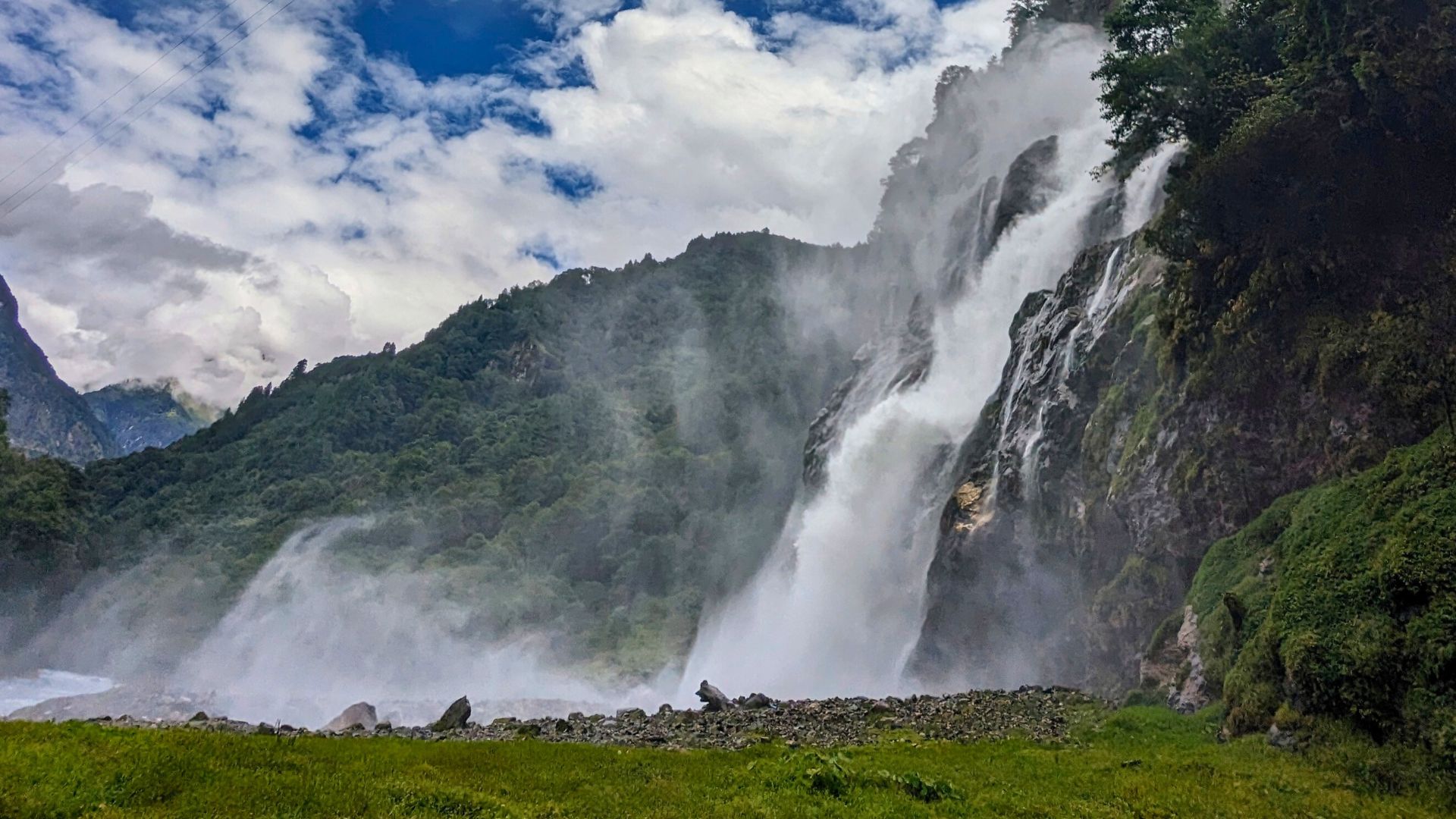
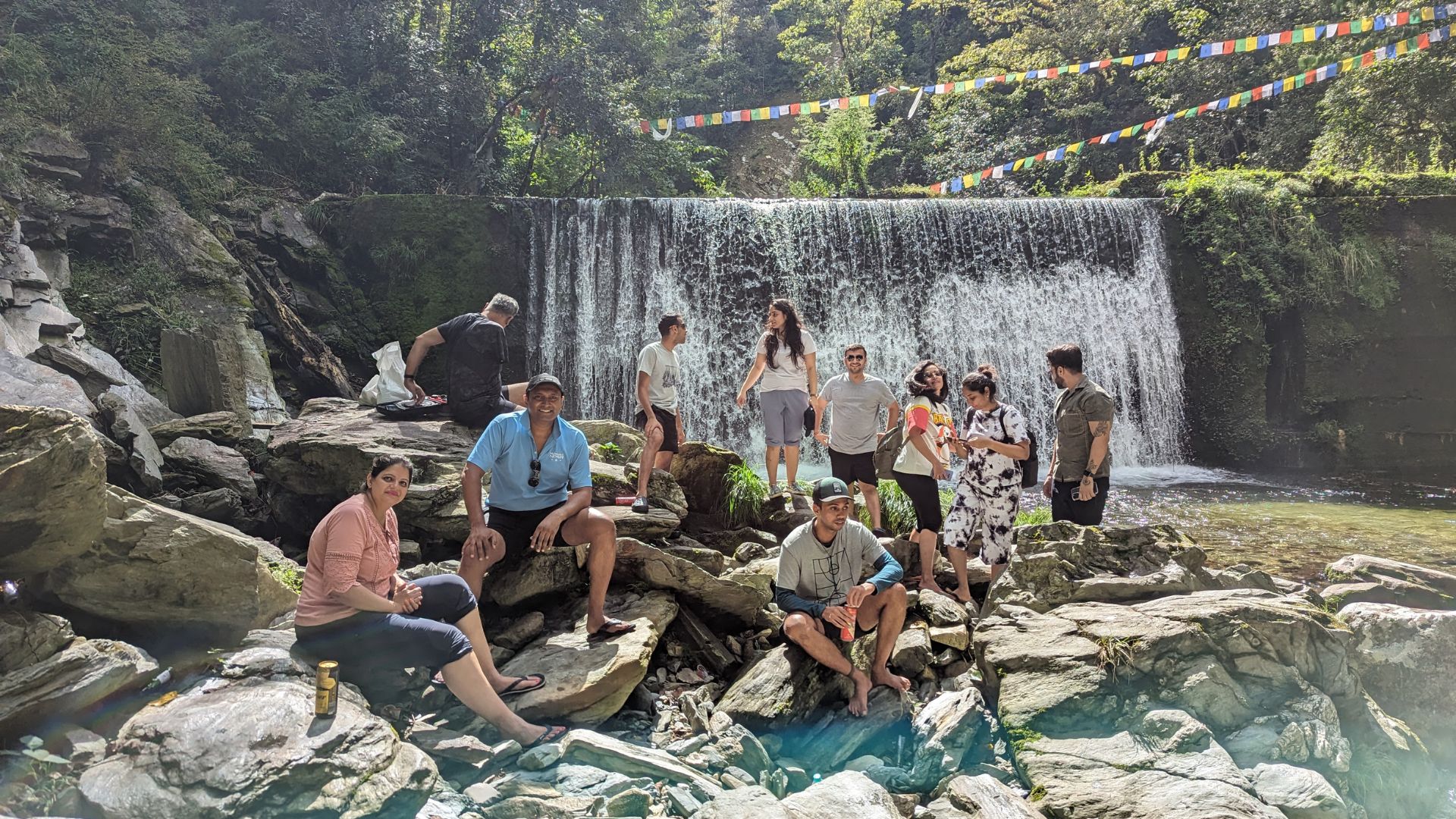
As the season shifts, West Kameng and Tawang reveal layers of the mountains rarely seen in winter. Snow remains across high-altitude regions like Sela Pass, while lower valleys open up into green fields, orchards, and forest trails. Waterfalls strengthen, rivers carry fresh mountain flow, and roads reconnect places that winter holds apart. Days grow brighter, evenings remain cool, and the rhythm of travel feels expansive yet grounded.
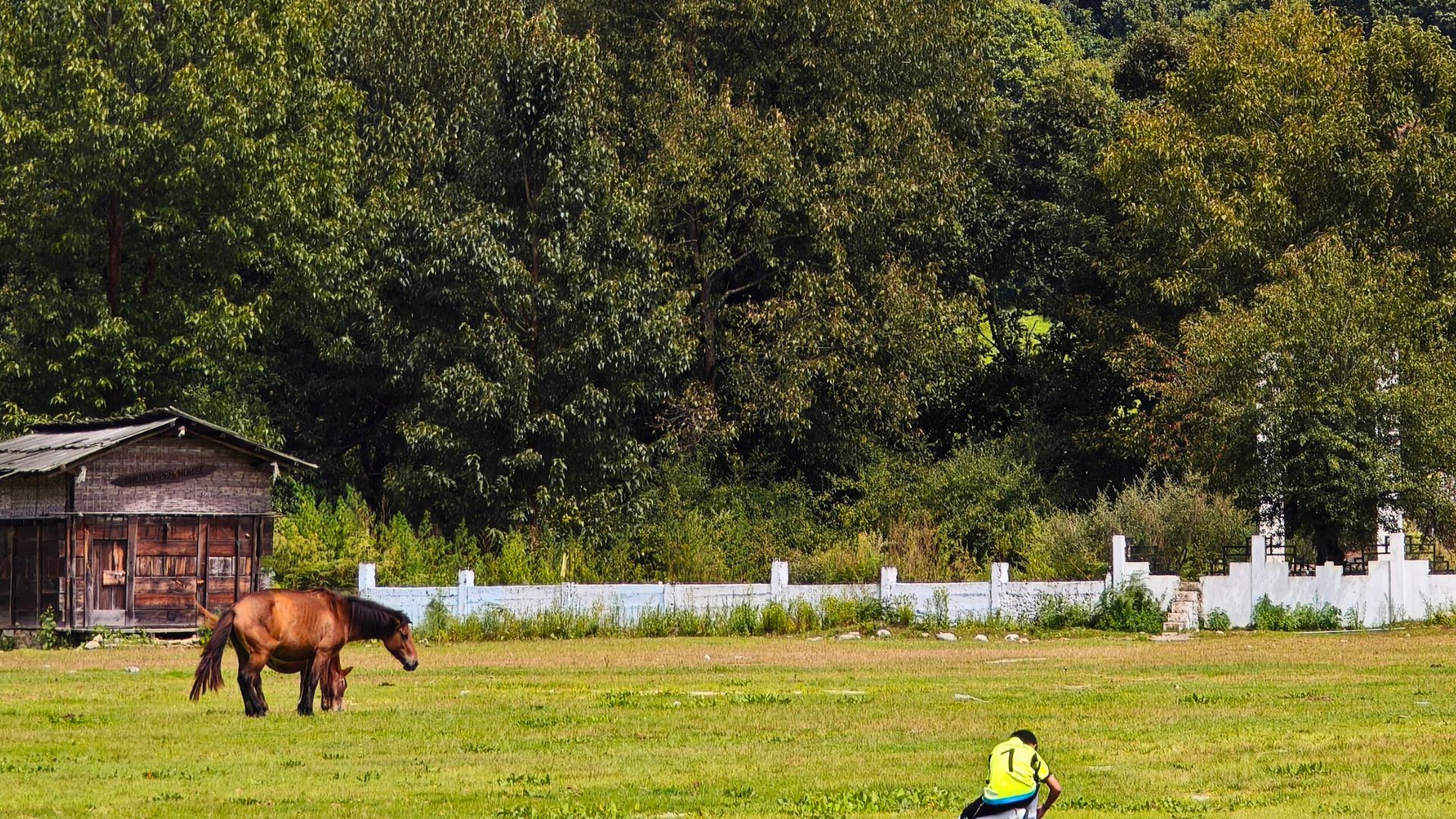
In the green valleys of West Kameng, you step into the homeland of the Sherdukpens, one of Arunachal’s smallest communities. Their villages are shaped by warmth and familiarity, where daily life unfolds around fields, forests, shared meals, and long-held customs. Hospitality here is instinctive rather than curated, offered without ceremony.
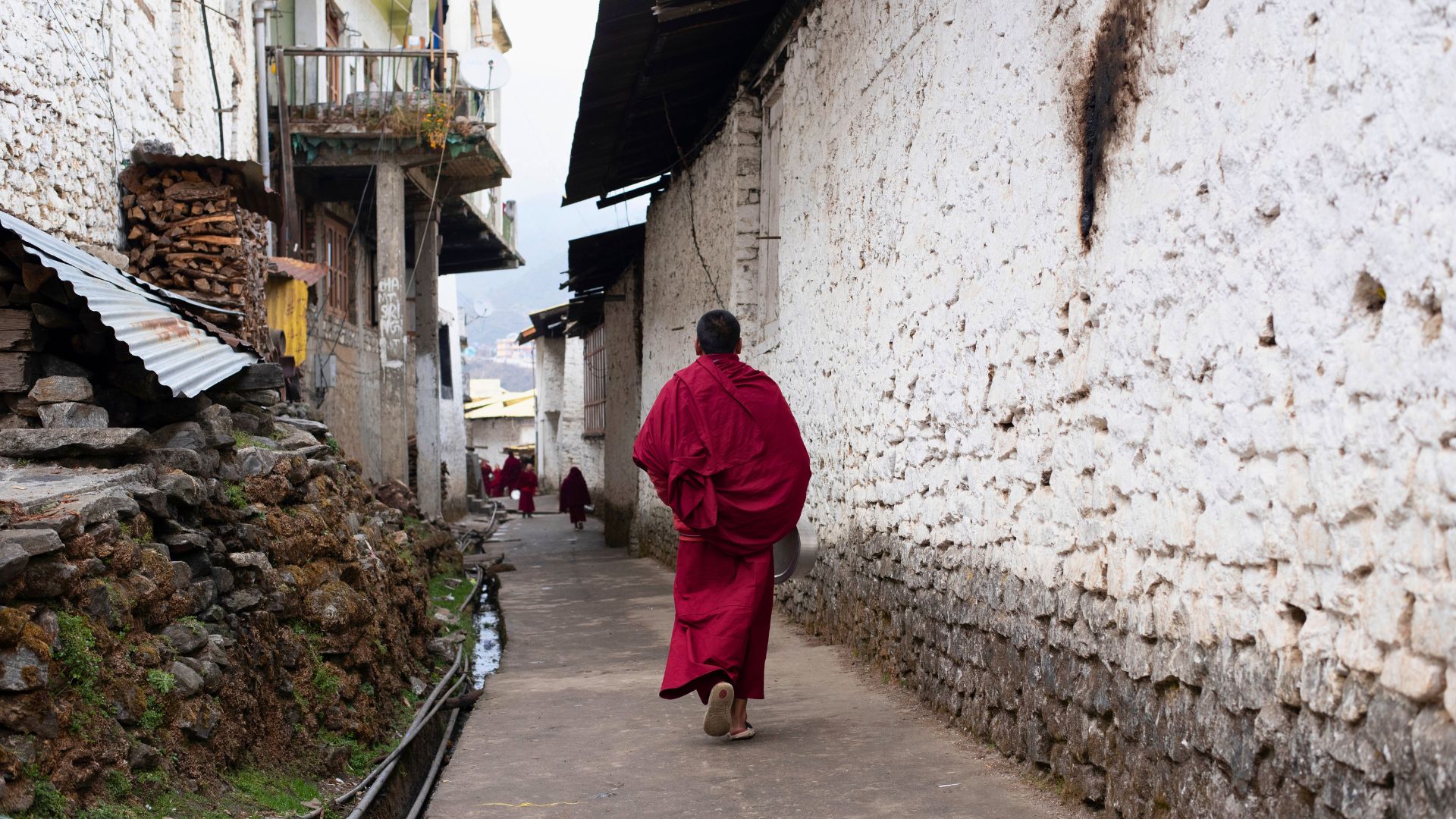
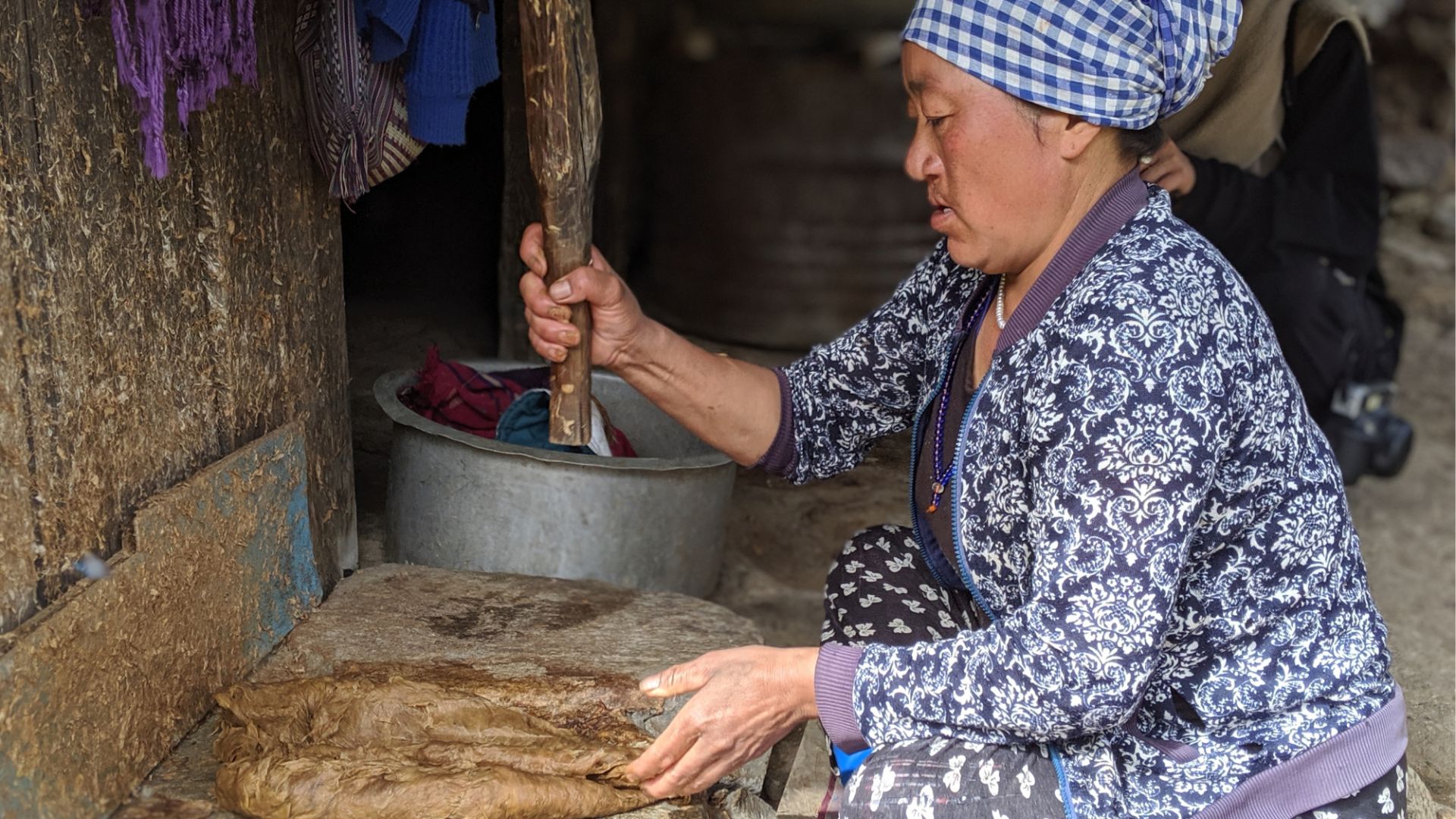
As the road climbs higher, Monpa culture begins to shape the landscape more visibly. Monasteries rise gently above settlements, prayer flags trace the wind, and homes reflect a way of life deeply tied to Buddhism, land, and seasonal rhythms. Practices like traditional paper-making, home brewing, and communal cooking continue not as heritage displays, but as everyday life.
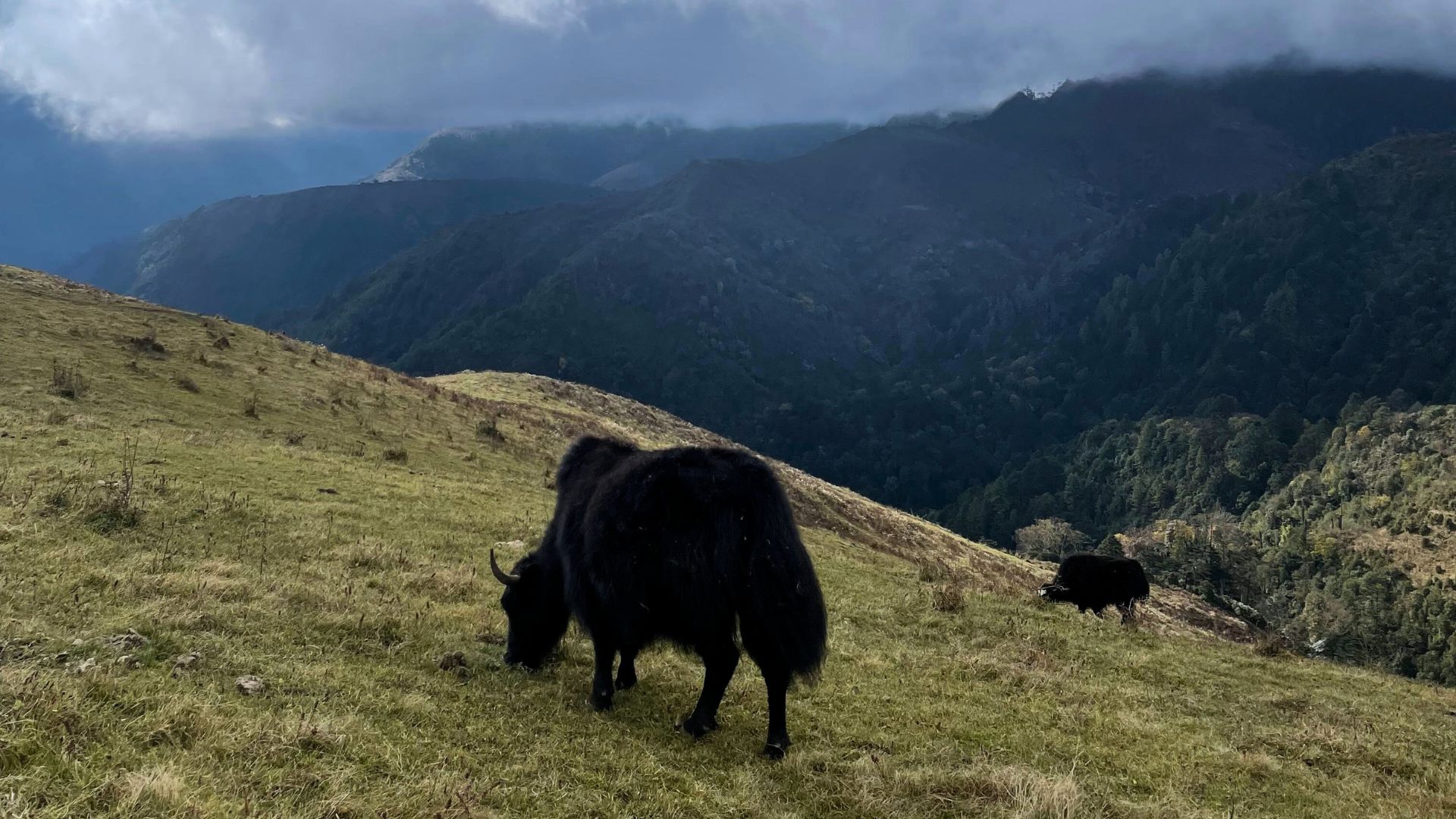
In the high meadows, you encounter the Brokpas, pastoral communities whose lives have long been guided by movement. Traditionally nomadic, they follow grazing cycles across valleys and alpine pastures, shifting with the seasons rather than settling in one place. Spring and early summer mark a time of return to these higher landscapes, when snow begins to retreat just enough for life to move upward again.
Over eight days, this journey moves through monasteries and meadows, homestays and high passes, orchards and jungle paths. You will walk with local guides, share meals in traditional homes, learn age-old crafts, taste local brews and handcrafted wines, and spend unhurried evenings in places where conversation matters more than schedules.
This chapter is for travellers who want to experience the mountains in motion. For those who are curious about how people live with altitude, season, and faith. For those who understand that spring in the Himalayas is not about leaving winter behind, but about watching it slowly transform.
Western Arunachal, in this season, is not something to rush through or collect.
It reveals itself slowly, as you move with it.
Note: Please keep a poncho/ raincoat and a pair of rubber gumboots handy if possible in case of light showers and short hikes. Leeches in some areas could be a present in the season, especially further in June but, the packing list will have mention of preventives that can help us deal with them.
Note: Owing to its proximity to the Line of Actual Control and the legacy of the 1962 Sino-India conflict, this region remains heavily militarised. Certain restrictions apply, especially for foreign nationals. Our team will assist you with all formalities to ensure a seamless journey.
The trip starts at Guwahati Airport on Day 1, where the group assembles for departure, and ends at Guwahati Airport on Day 8. All airport transfers during the scheduled start and end of the trip are planned accordingly. Participants are advised to plan their flights in line with the recommended arrival and departure timings shared for this trip.
On Day 1, participants are required to arrive at Guwahati Airport by 11 AM at the latest. The group will depart from the airport by 12:00 PM. Any arrivals after this time – due to flight timings or delays – will need to reach the destination at their own expense.
If your flight timings do not align with this schedule, we highly recommend arriving a day prior.
For departure, return flights can be booked anytime after 9 PM on Day 8 or ideally the following morning, with an overnight stay in Guwahati.
If you arrive a day earlier, the pick-up point will be either at Guwahati Airport, or Jalukbari Junction – depending on where you are staying in and around Guwahati. These are the designated pick-up points en route to Shergaon, as the vehicle will not stop or enter the city beyond these points.
We’ll be staying at simple homestays and guest houses throughout the trip. None of the properties on the trip are boutique/luxurious. However, they are all clean, comfortable and hygienic, and have been handpicked by our team.
Rooms are shared on a double sharing basis. In case you are a solo traveller, you will be paired up with another solo traveller of the same gender. Please note that almost all of the properties will have double bedded rooms.
Note: The room allocation will be done at Trip Leaders’ discretion.
During the trip, you can expect simple, home-style meals that reflect the flavours of the region. Most meals are light, comforting, and well-suited.
Most of your major expenses during the trip are already covered. An additional ₹800–₹1,000 per day should generally be sufficient for personal expenses, snacks, café visits, or small purchases.
Most places in the region now accept UPI payments, making transactions easy and convenient. However, we recommend carrying a small amount of cash as well, especially in areas where digital payments may not always work reliably.
You can also refer to the Exclusions section for a clearer idea of potential additional expenses.
Mobile connectivity is available in most towns and key areas throughout the trip. BSNL, Airtel and Jio generally offer the best network coverage in Arunachal. However, in remote and high altitude locations, the signal may be weak, intermittent or absent.
Wi-Fi is not available in the selected properties that you will be staying.
We recommend informing family and colleagues in advance that you may be temporarily unreachable while exploring certain remote or high altitude locations.
This journey takes place during spring and early summer in the Eastern Himalayas, a beautiful time when the region is vibrant and accessible.
Lower altitude regions such as Shergaon and Dirang experience pleasant daytime temperatures ranging between 12°C to 22°C, with cool and comfortable evenings.
Higher altitude areas including Sela Pass, Tawang, and Chumi Gyatse are noticeably cooler, especially during mornings and evenings, with temperatures ranging between 5°C to 15°C.
April and May usually bring clear skies, blooming valleys, and lush greenery with occasional showers. By June, you may experience showers that enhance the freshness and scenic beauty of the landscape.
As for snow — active snowfall is unlikely during April, May, and June. However, depending on altitude and recent weather patterns, you may still see snow patches at some of the higher mountain passes.
While heavy snowfall is unlikely during this season, occasional rain, fog, or minor landslides — particularly in June — may temporarily affect certain mountain roads.
In rare cases where access to a planned location is restricted due to weather or road conditions, our team will assess the situation on-ground and arrange a suitable alternative for the day. Your safety remains our top priority, and we ensure the experience continues to be meaningful despite any adjustments.
It is important to note that booking flights before reserving a slot with us does not guarantee availability. In the event that we are sold out, we cannot be held responsible for any inconvenience caused.
Single occupancy requires an additional room and impacts overall group capacity. To maintain the experience quality and balance trip logistics, a limited number of single rooms are offered with a single-room supplement.
We recommend a large-sized backpack or duffel (60L+) that’s easy to carry, along with a small daypack for day trips and daily essentials.
Pack light, warm clothing, comfortable walking shoes with good grip, personal medications, and basic toiletries.
Once you sign up, we’ll share a detailed seasonal “Things to Carry” list to help you prepare – but don’t forget your rainwear.
This trip does not involve strenuous treks or high-intensity hikes, and you do not need to be in peak physical condition to join. The hikes on Day 3 and Day 7 in Meeshopsa and Chug are categorised as easy for moderately active individuals.
Both hikes typically take around 30 to 45 minutes depending on your pace. The Chug trail is a relatively easy, flat forest walk, while certain sections in Meeshopsa may include gradual inclines and occasional steep drops along the sides. During or after rainfall, some patches can become slightly slippery. With patience and guidance from our trip leader, these sections are manageable.
As this is a high-altitude journey, some regions may exceed 13,000 ft. At such altitudes, mild breathlessness, fatigue, or headaches can occur, especially for those not accustomed to mountain conditions. Travellers with pre-existing respiratory conditions (such as asthma), heart conditions, or severe knee issues are advised to consult their doctor before joining.
This trip is generally not recommended for senior citizens or individuals with chronic knee, heart, or breathing-related concerns.
Yes. Most of the activities and explorations will be led by knowledgeable local guides. You will also be accompanied by a ChaloHoppo Trip Leader throughout the journey to ensure a smooth and well-coordinated experience.
As we travel through high-altitude regions of the Eastern Himalayas, driving speeds are naturally slower due to winding mountain roads, steep gradients, and changing terrain. This results in longer travel times on certain days.
Road conditions in this region can vary. While several stretches are well-paved, some sections — especially at higher altitudes — may be uneven, under maintenance, or affected by weather. These conditions are typical for remote Himalayan terrain and are part of the landscape rather than the exception.
Despite this, the journey itself is deeply rewarding. You’ll pass through sweeping green valleys, high-altitude lakes, rivers, forested mountain roads, and expansive Himalayan vistas that make the drives incredibly scenic.
We recommend starting early each day and maintaining punctuality to ensure smooth travel and buffer time for weather or terrain-related delays.
While Bumla Pass is a well-known border attraction, we have intentionally chosen to leave it out of this chapter to offer a more offbeat and immersive experience.
Instead, we take you to Chumi Gyatse — a serene and spiritually significant site revered by Buddhists. Unlike Bumla, which tends to be crowded and permit-heavy, Chumi Gyatse offers a quieter, more reflective atmosphere, allowing you to connect more deeply with the landscape and its cultural essence.
This choice aligns with the spirit of the journey — meaningful exploration over checklist tourism.
Yes, an Inner Line Permit (ILP) is required to enter Arunachal Pradesh. Don’t worry – we’ll take care of arranging it for you.
To process the permit, we’ll need a copy of your Aadhaar Card or Passport, a passport-sized photograph, and a few basic details. The ILP typically takes about 7 days to be issued, so we’ll reach out in advance to collect the required information.
We appreciate your cooperation in sharing the documents on time – it helps us ensure a smooth and hassle-free journey for you.
You’ll find a good number of local eateries and highway dhabas along the route up to Shergaon, making meal stops relatively convenient in the initial part of the journey.
As we travel further toward Dirang and higher altitude regions, food options become more limited due to the remoteness of the terrain. On certain long driving days, meal timings may also shift slightly depending on road and weather conditions.
For added comfort, we recommend carrying some personal snacks or stocking up the previous evening — especially if you prefer specific items or like having something handy during scenic stretches.
If you have extra days, here are some great add-ons based on your time:
2–5 days: Majuli (parts of Assam) or Ziro
5–7 days: Assam and parts of Meghalaya
7–10 days: A deeper journey into Central, or Eastern Arunachal Pradesh (each region ideally needs 7+ days).
We’re happy to curate a seamless extension based on your time and interests.